Compression while running: sense or nonsense?

Compression socks have become an indispensable part of the street scene of running competitions and training. From recreational runners to top athletes: more and more runners swear by them. But does compression really work? Or is it mainly a matter of feeling and marketing? In this blog we dive into the facts, experiences and benefits of compression during running.

Side Image

The benefits of compression at a glance

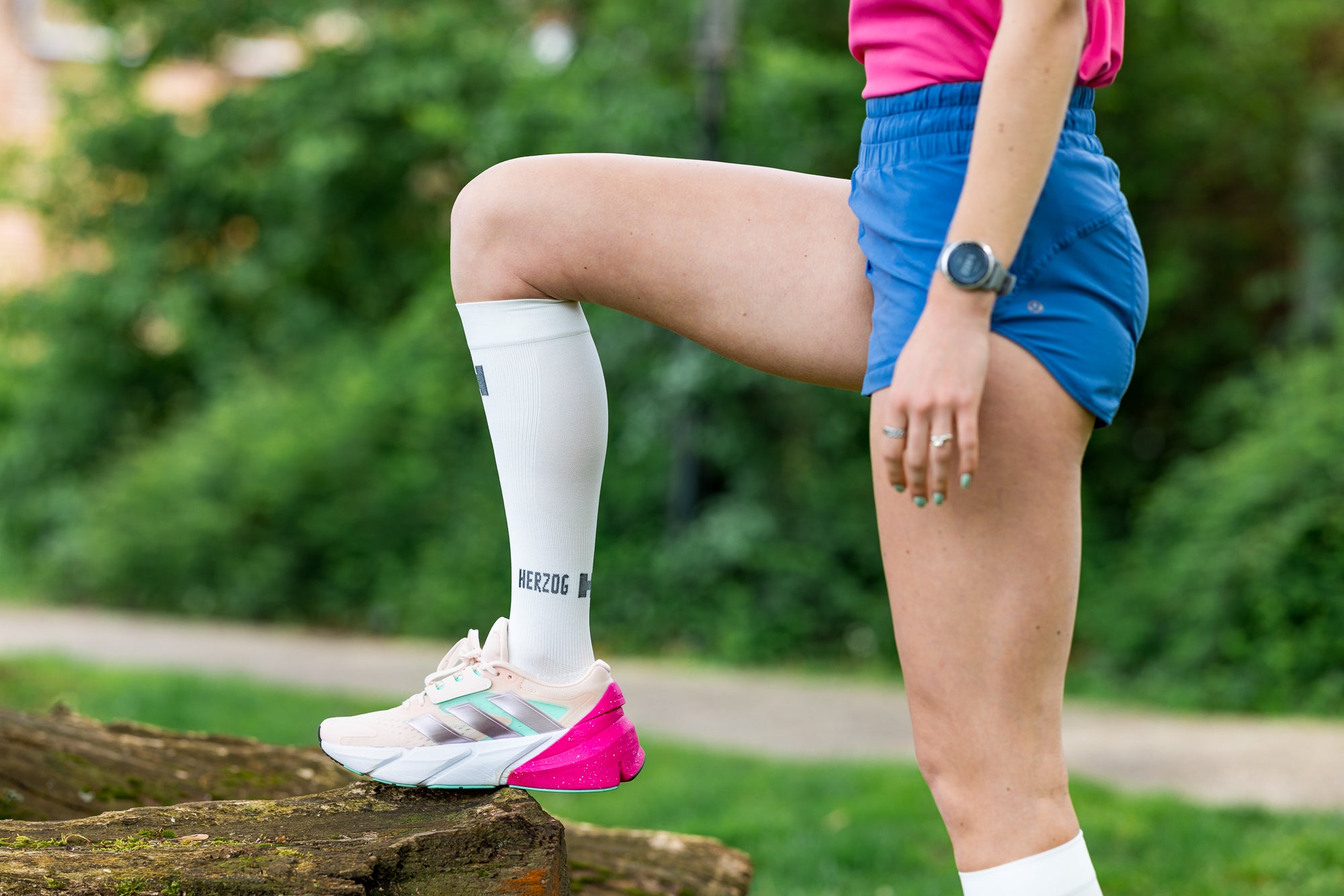
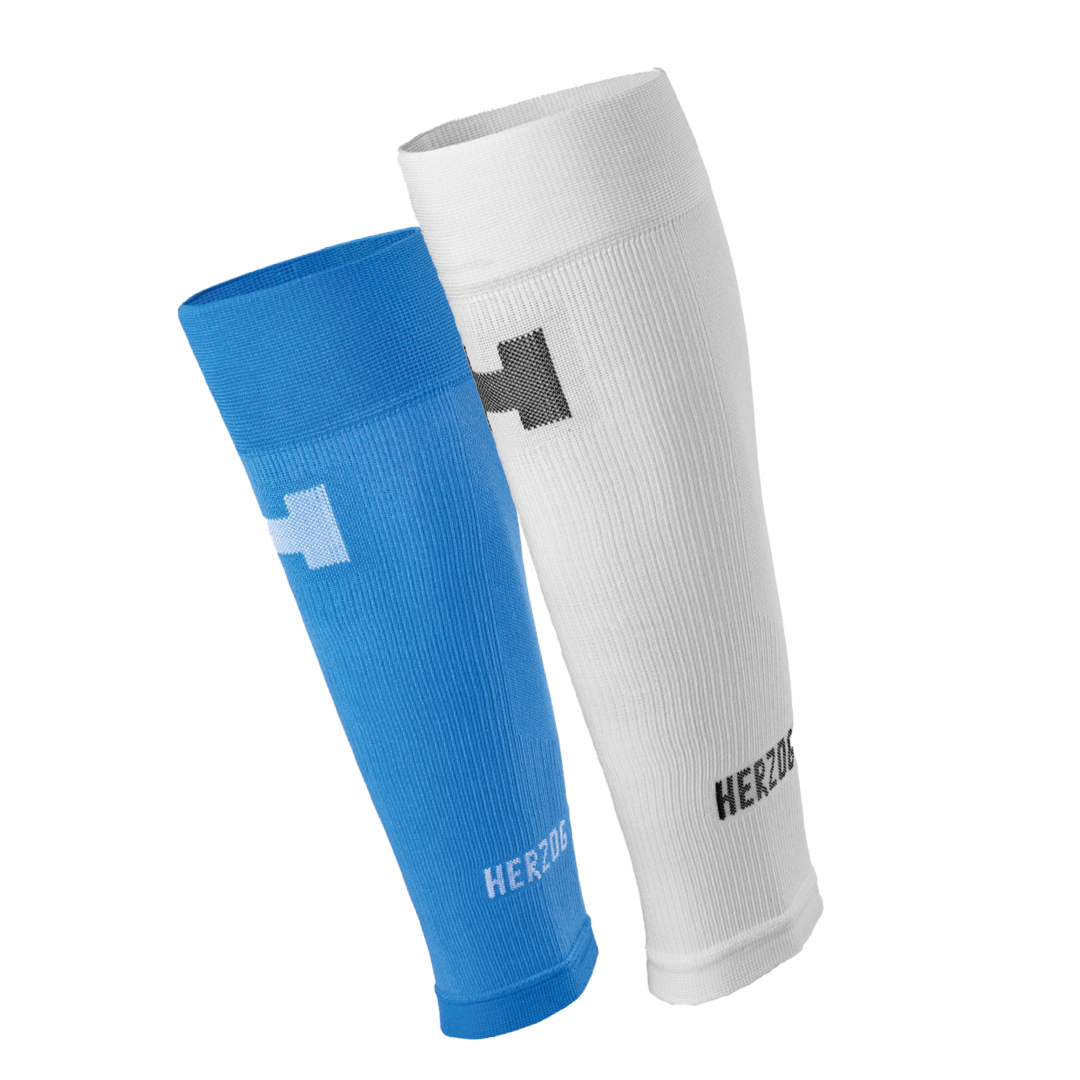
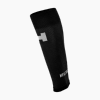
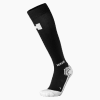
Compression socks apply pressure to your lower legs to support muscles and tendons. This pressure is often highest at the ankle and gradually decreases towards the knee. This is known as decreasing or graduated compression.
The theory behind it: better muscle support, less vibration upon landing, stimulated blood circulation, and faster removal of waste products. But what do you actually notice as a runner?

✅ Less muscle vibration, more stability

Every time your foot hits the ground, tiny vibrations occur in your muscles and tendons. Did you know that you absorb three times your own weight while running? This seems harmless, but in the long run, it can contribute to fatigue, injuries, or overuse. Compression helps dampen these vibrations and provides a firm, stable feeling while running.

✅ Support in case of overload

Compression socks can provide extra support to sensitive areas like the shins, Achilles tendon, or calf muscles. Especially with recurring complaints or intensive training blocks, many runners find that compression helps distribute the load more effectively.

✅ Accelerated recovery after running

Many athletes wear compression socks not only during runs but also afterward. The idea: compression promotes the removal of toxins and fluids, which can contribute to faster recovery. This can make a noticeable difference, especially after long or intense runs.

Side Image

Is compression useful for everyone?

Compression isn't a miracle cure—but it is a smart tool. Especially if you:

  • regularly runs or trains for a competition
  • are sensitive to calf or shin complaints
  • your legs get tired quickly
  • want to speed up your recovery after a heavy workout

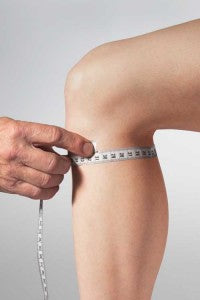
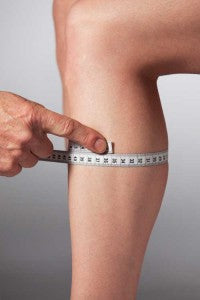
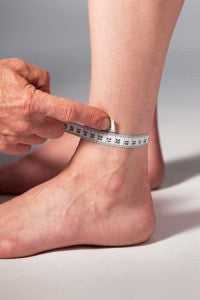
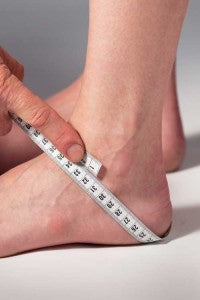
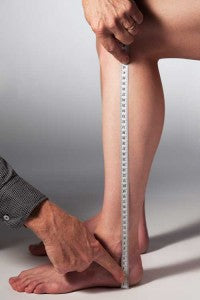
Note: The effect of compression varies from person to person. What's immediately noticeable for one person may be more subtle for another. Therefore, it's important to choose stockings that are the right size and fit.

And what about medical claims?

When used correctly, compression can indeed provide functional support. The Herzog PRO series distinguishes itself in this respect: they are the only compression products in the sports world with a medical certificate. These socks bear the officialMDR quality mark(Medical Device Regulation), which means that the operation, pressure values and safety are medically substantiated and certified.

Yet, the products have been explicitly developed for athletes. The focus is on injury prevention, support during exercise, and faster recovery after running—and you'll notice.

Conclusion: sense or nonsense?

Compression while running is certainly not nonsense. It's not a magic wand, but for many runners, it's a valuable addition to their equipment. It provides support, helps reduce fatigue, and contributes to faster recovery. Will it work for you? You'll only find out by experiencing it for yourself.

Products in this blog