
What is thrombosis?
Thrombosis occurs when a blood clot forms in a blood vessel. Such a clot can slow or block blood circulation, resulting in poorer blood flow throughout the body. This most commonly occurs in the legs. Thrombosis is characterized by:
- Superficial thrombosis , in a vein close to the skin
- Deep vein thrombosis , in a deeper vein
Whatever form it takes, good circulation plays an important role in limiting risks.
Thrombosis explained


How do you prevent thrombosis?
The risk of thrombosis in your leg increases when you're less active, for example during long flights, pregnancy, or when your leg is in a cast. In these situations, the calf muscle pump's function is minimal or absent. That's why it's crucial to stay as active as possible. Can't you walk in situations, like on an airplane? Try writing your name in the air with your toes or move your feet rhythmically by alternating your toes towards your knee and back again.
If you experience symptoms like painful, swollen, and often red legs, be sure to contact your doctor.

Treating thrombosis
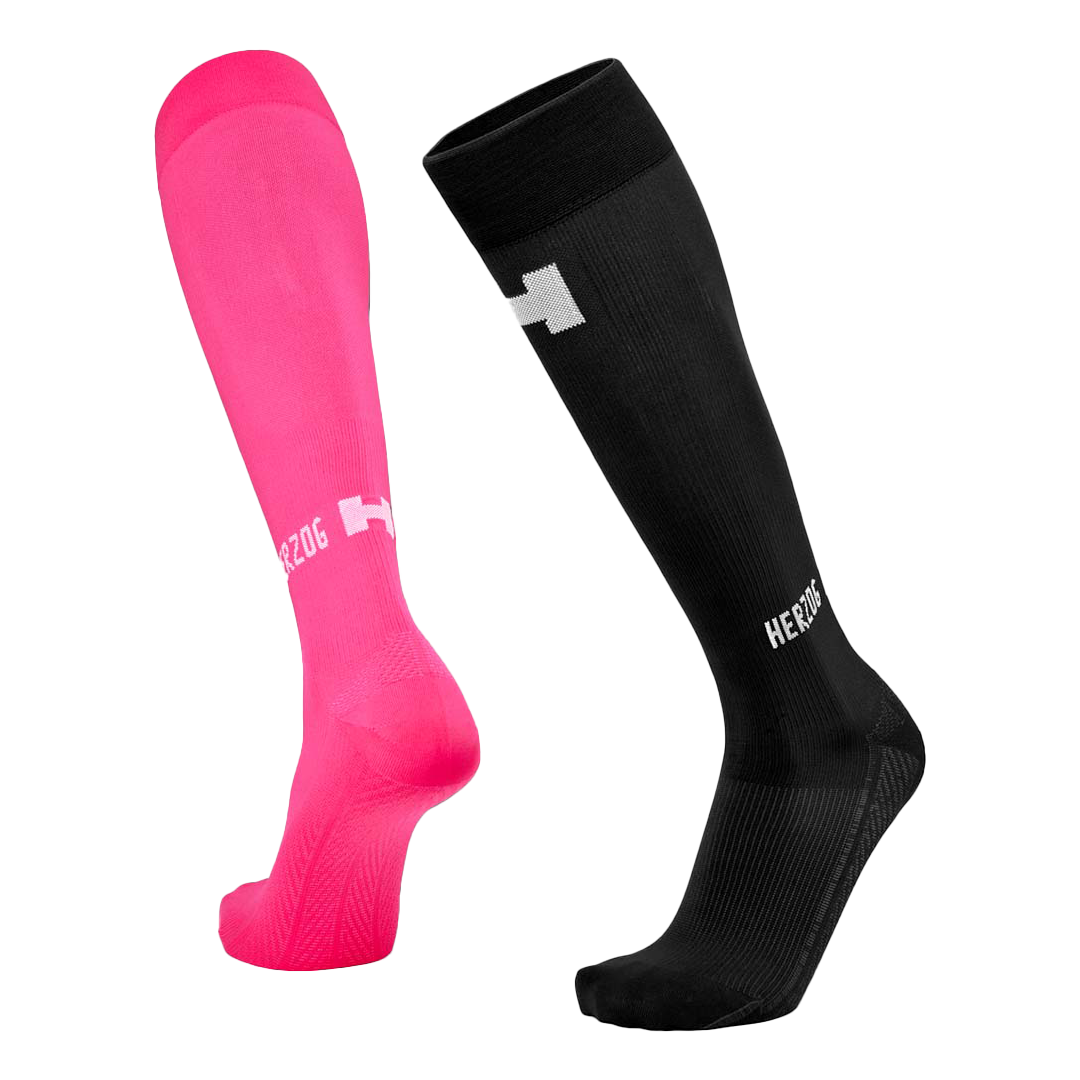
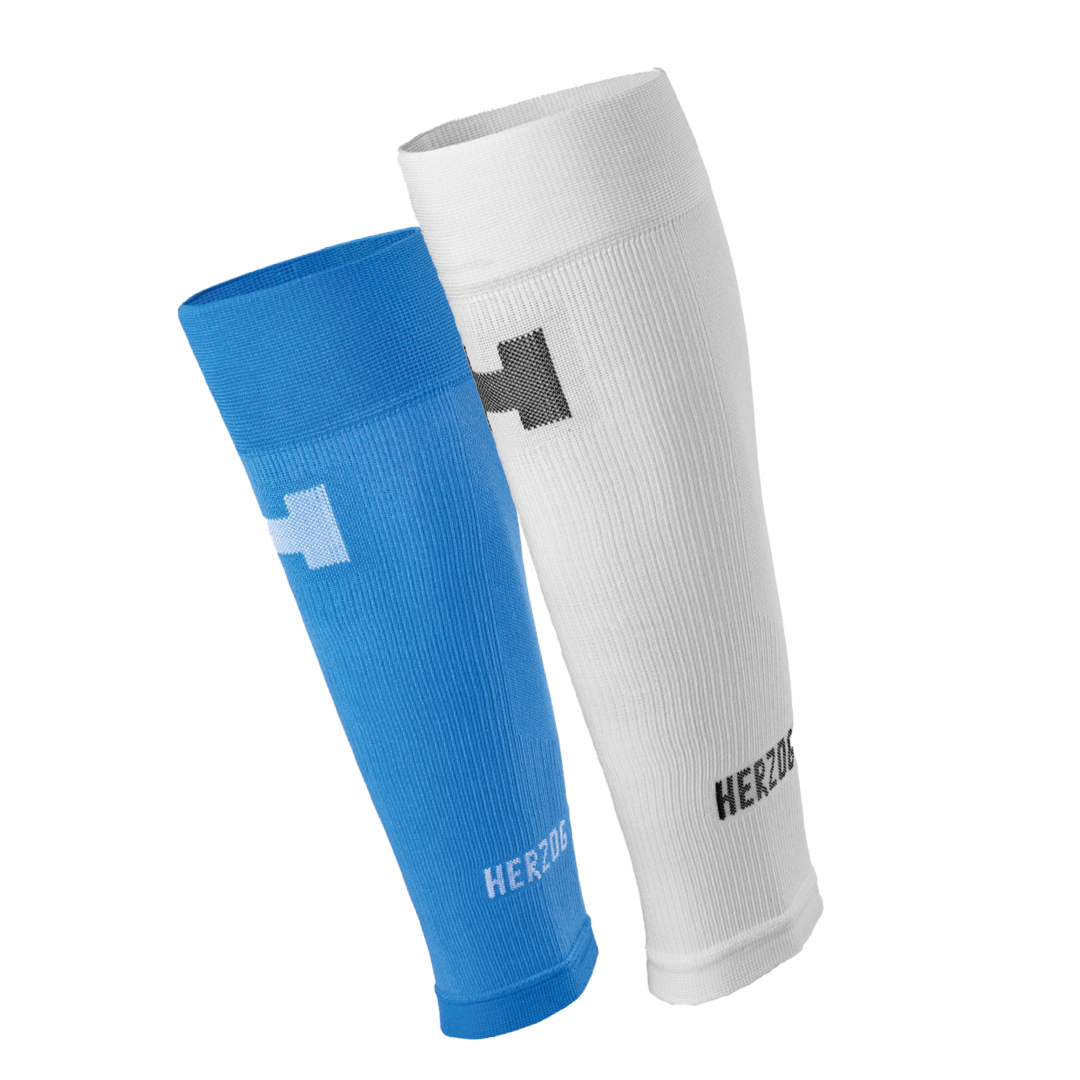
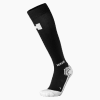
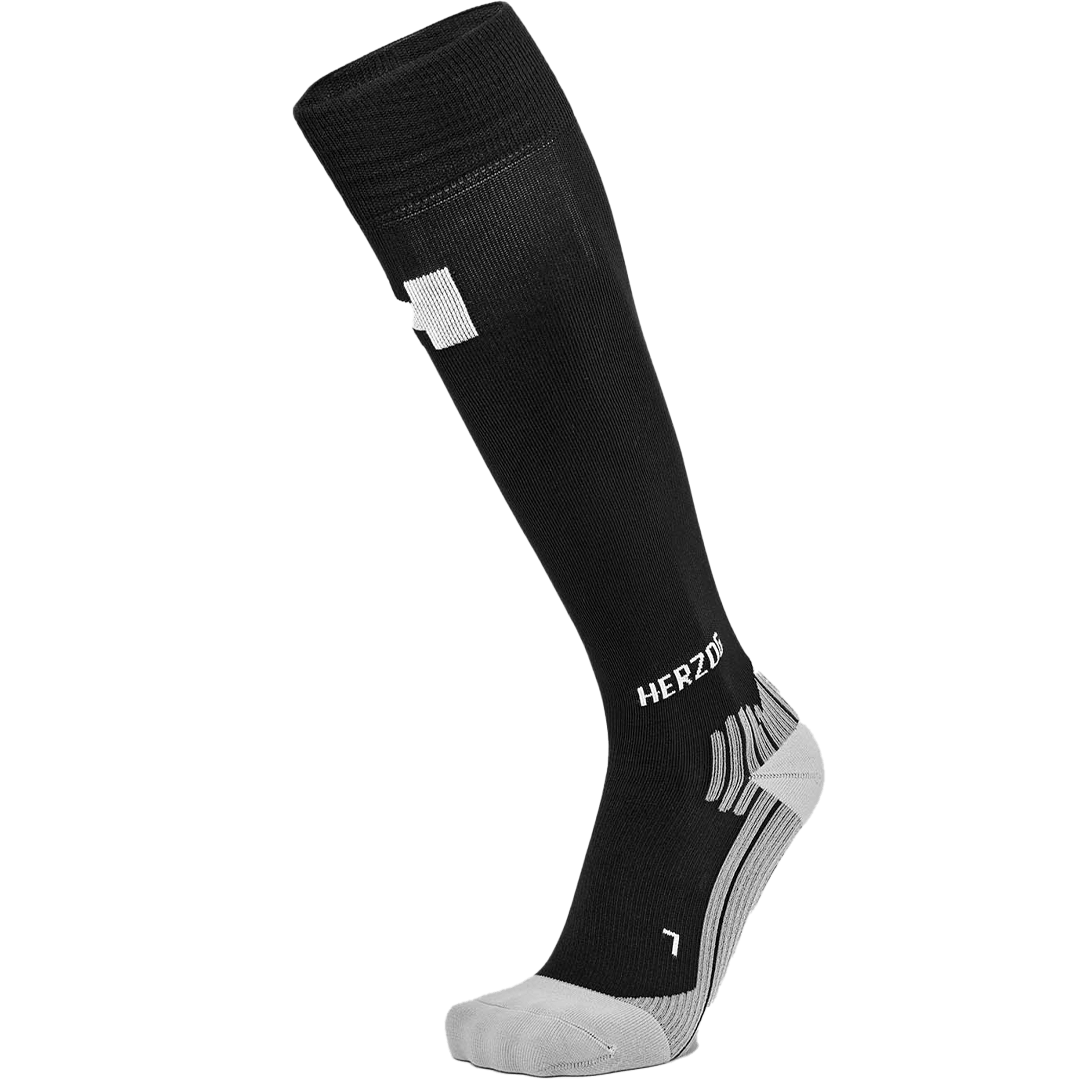
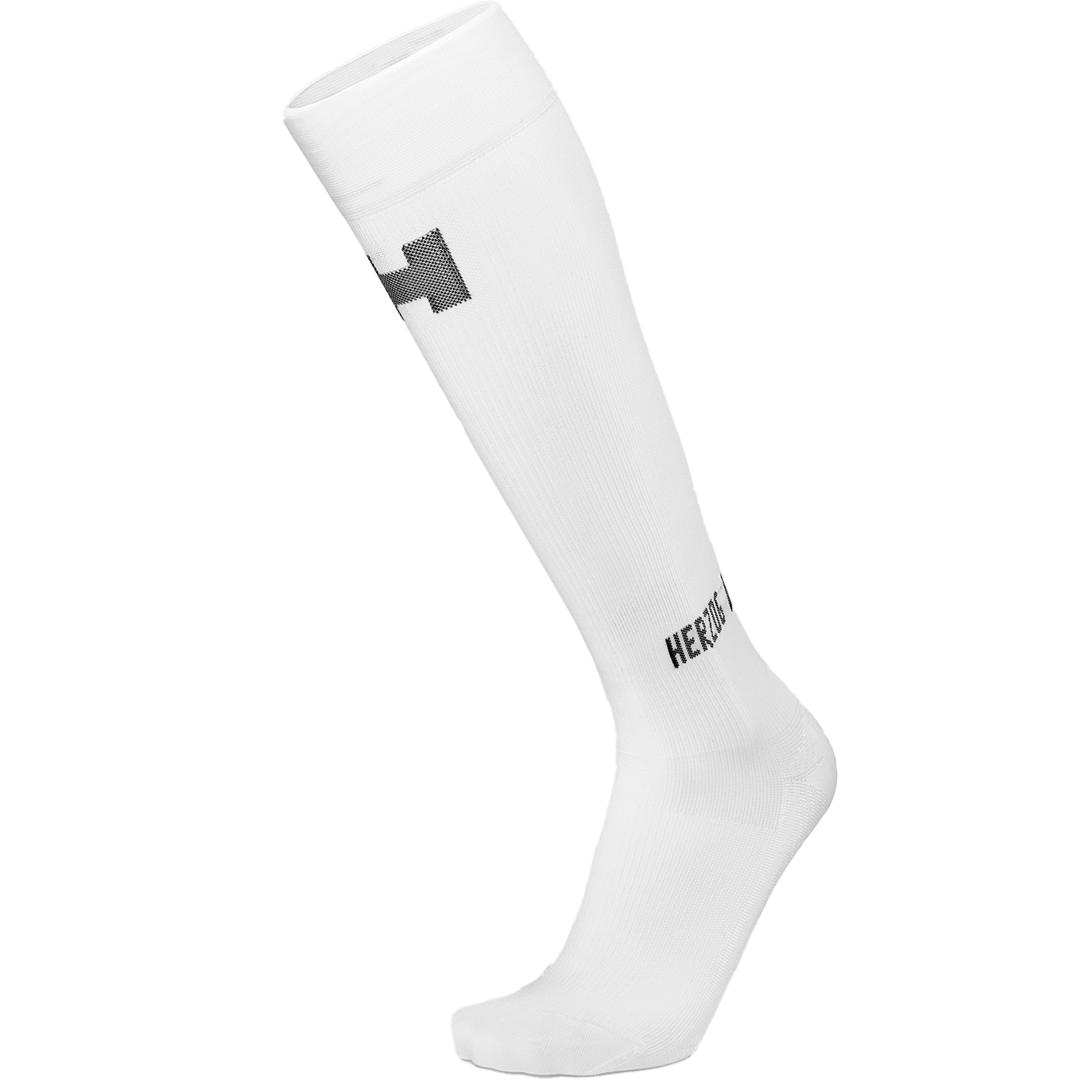
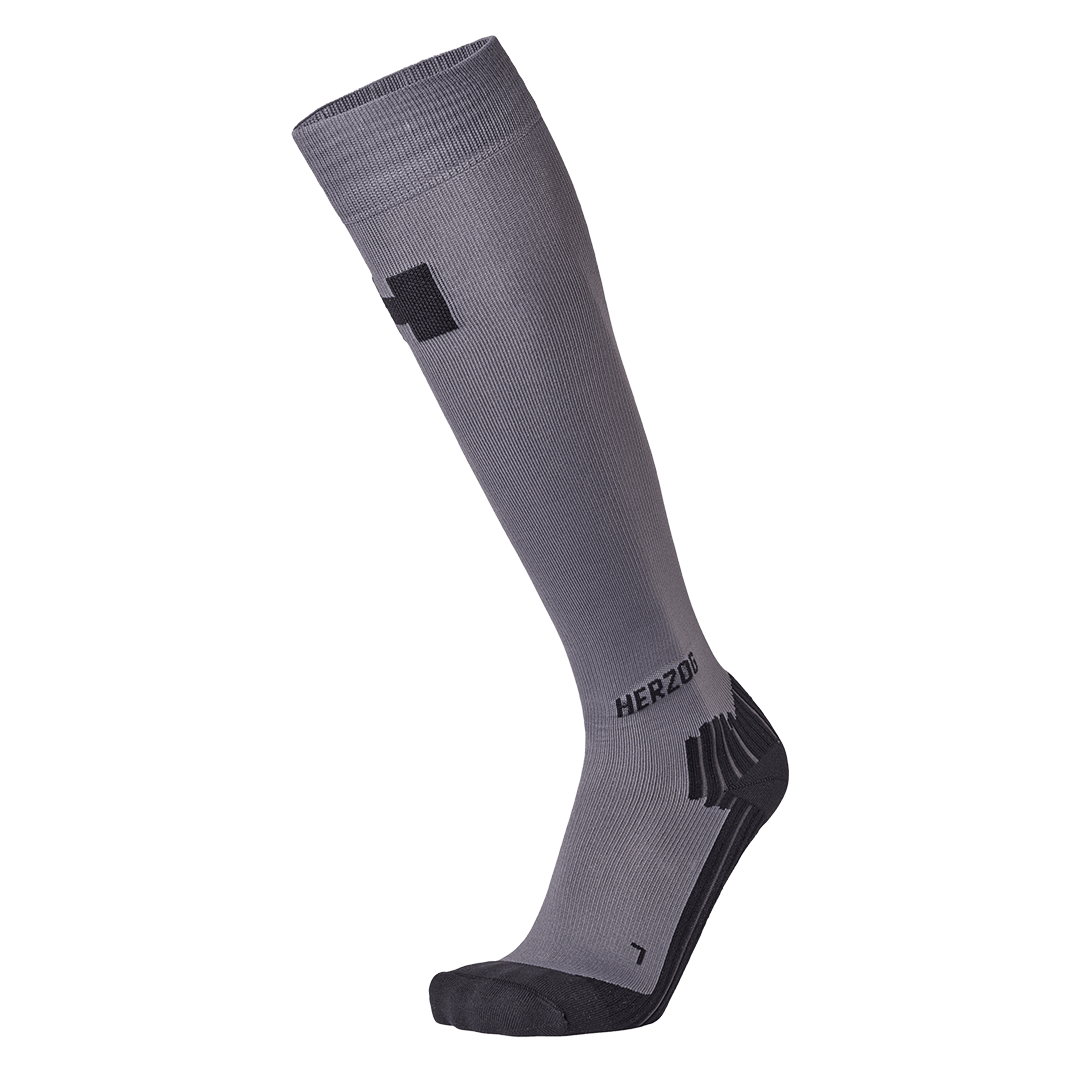
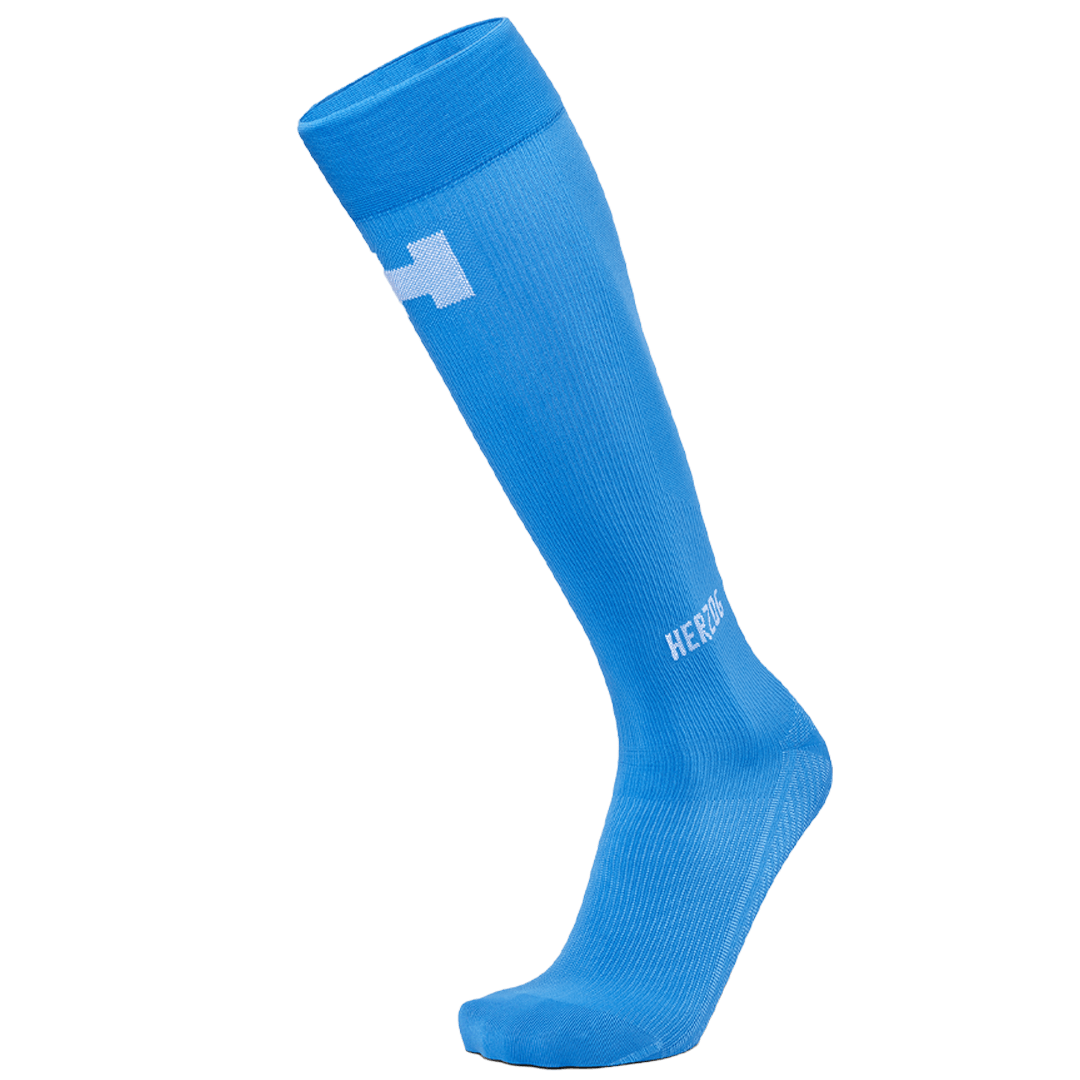
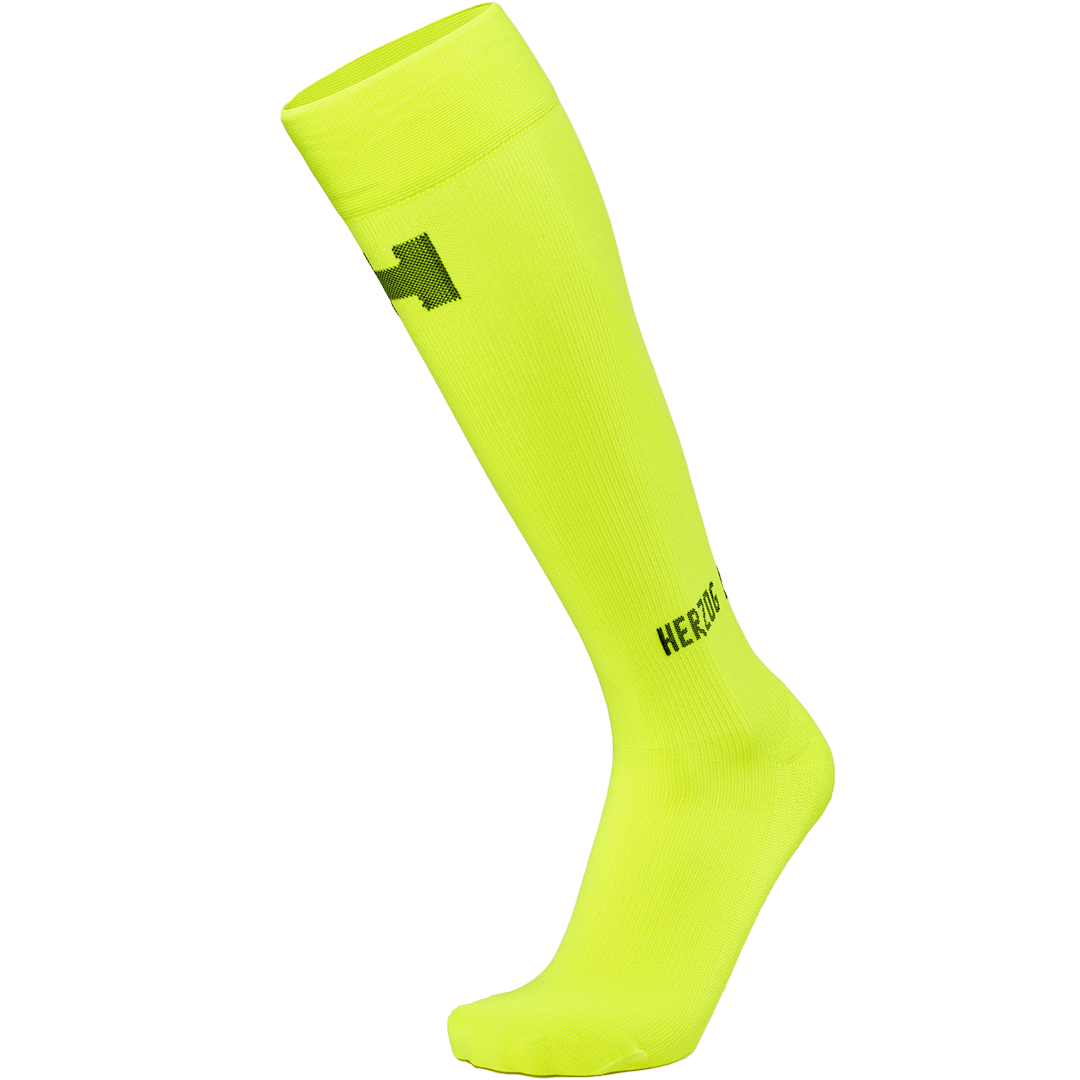
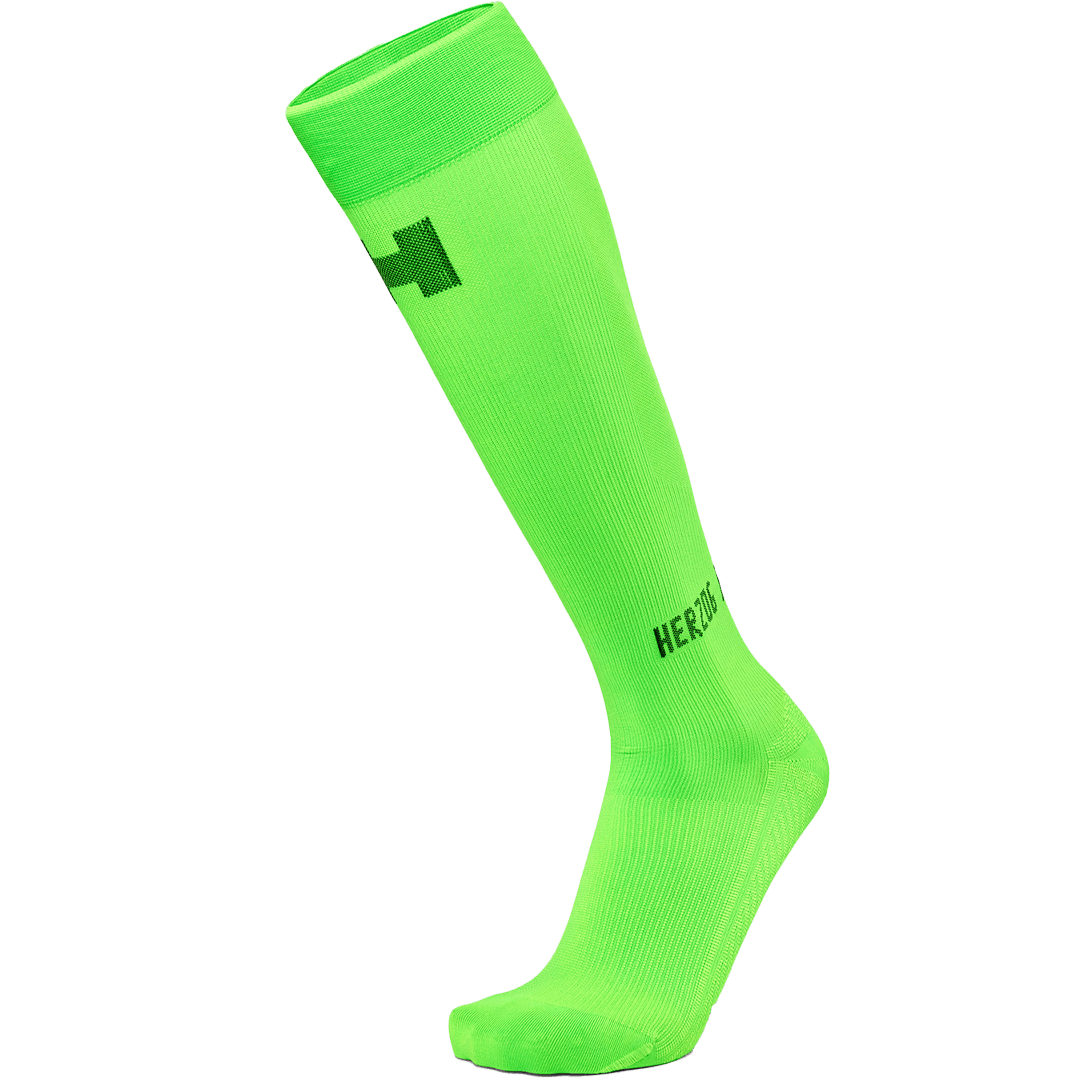
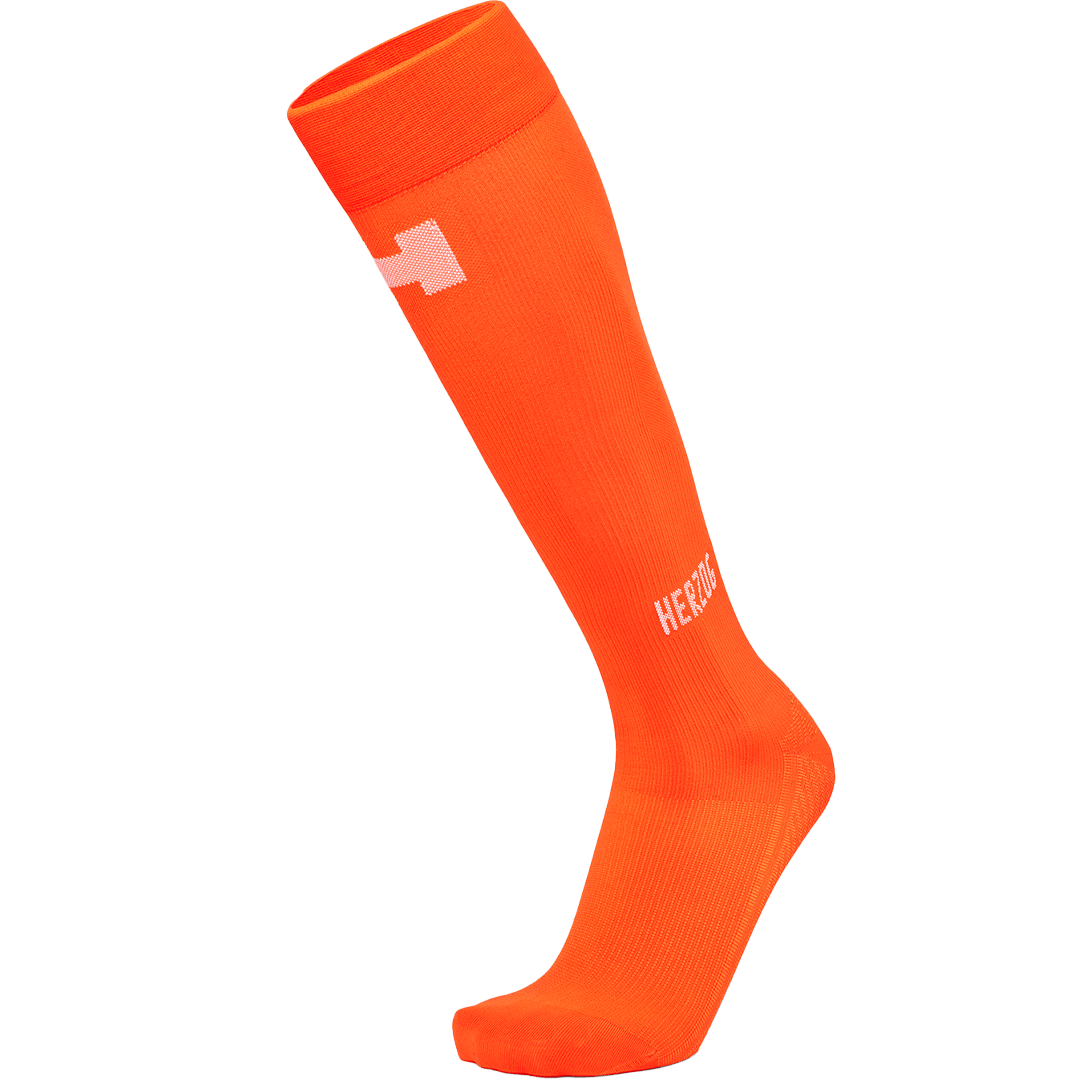
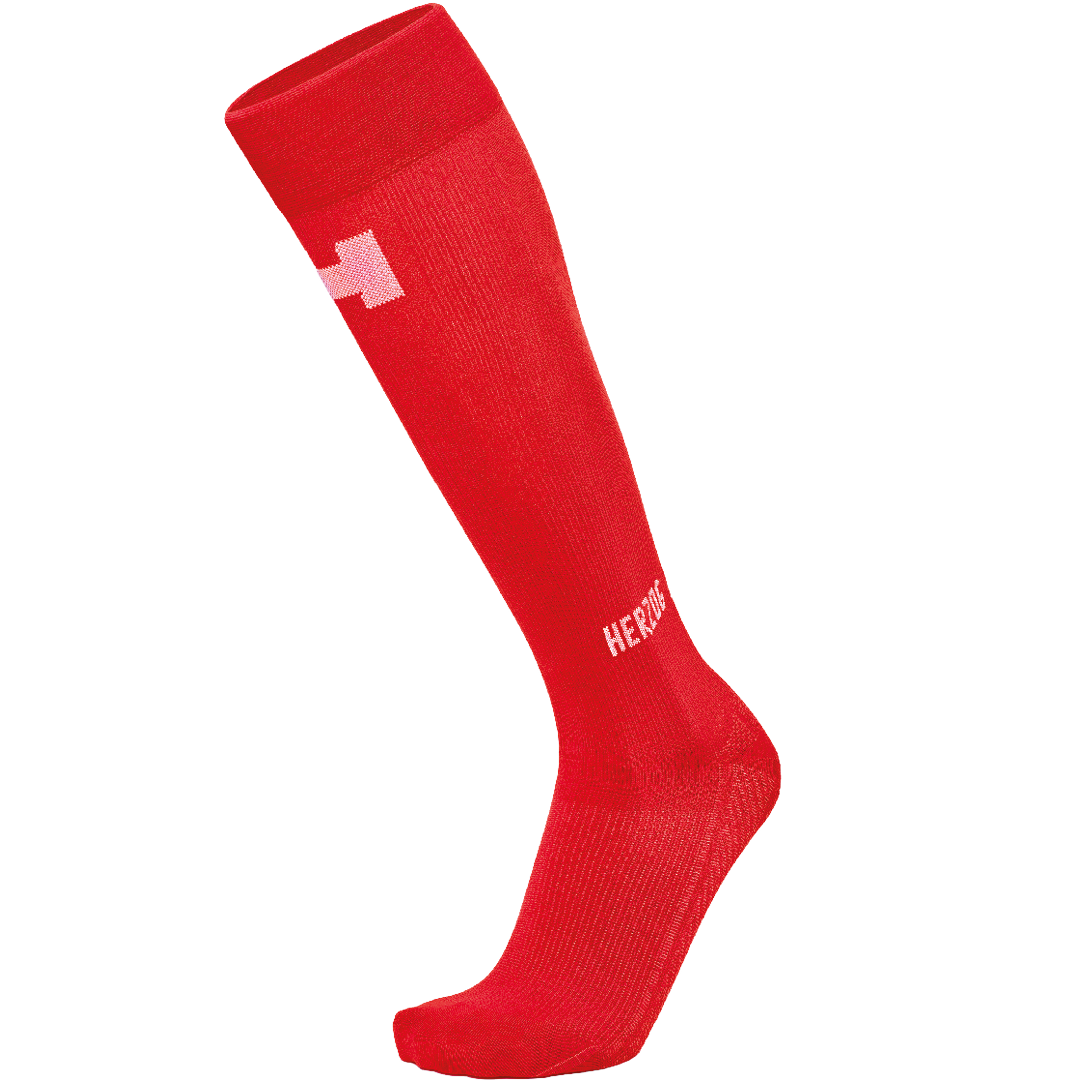
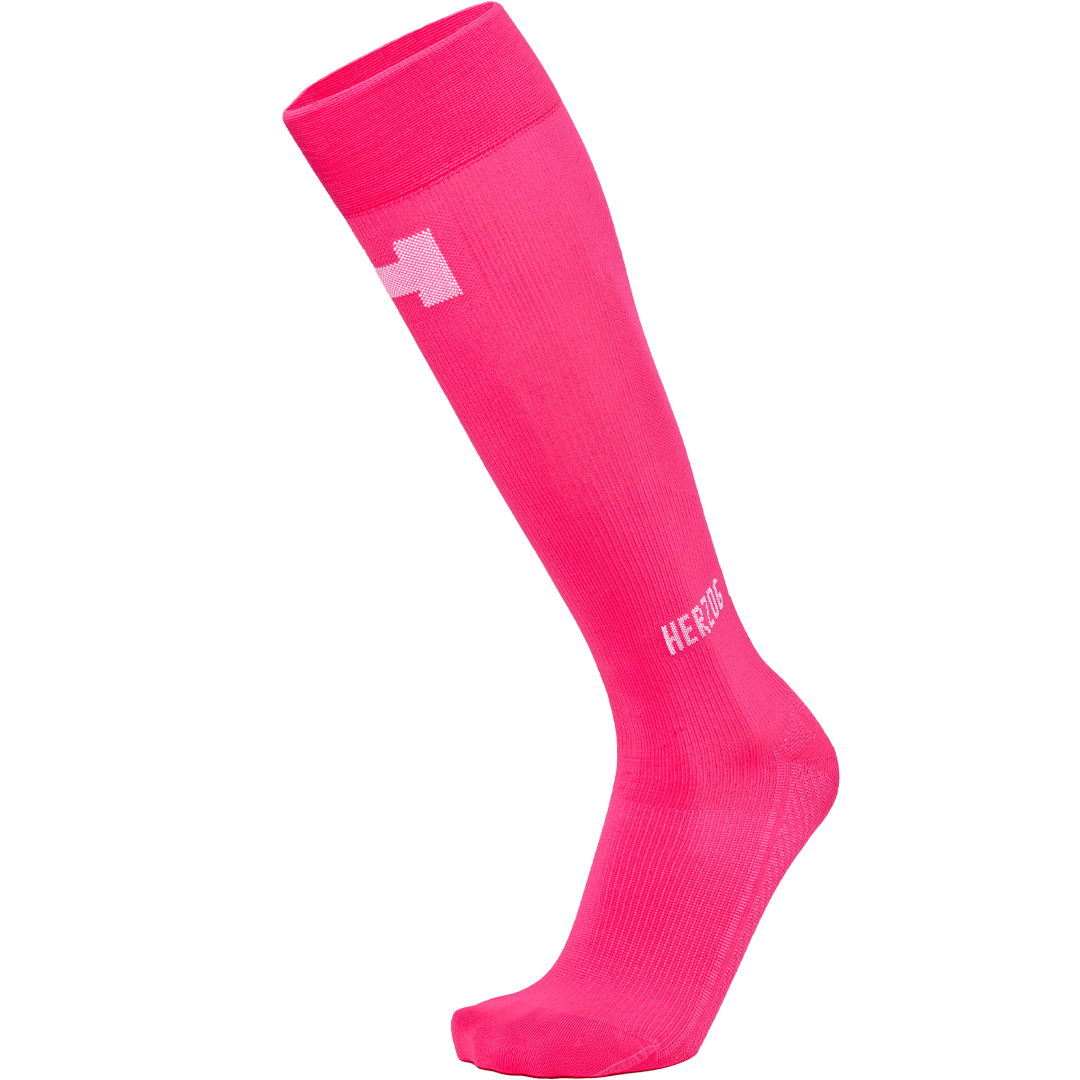
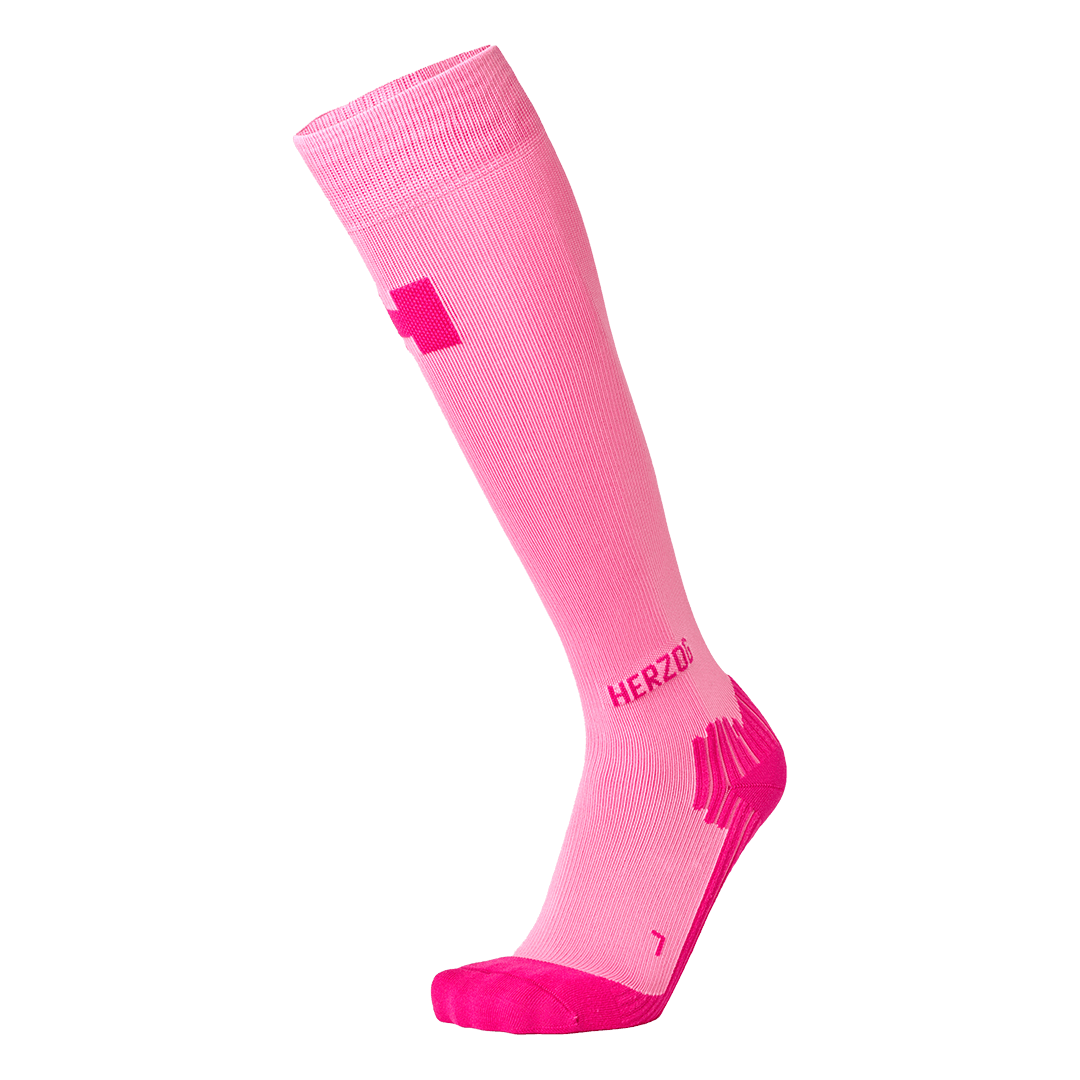
The treatment of thrombosis often involves prescribing blood thinners and wearing compression socks daily for at least a year. Herzog Pro Compression Socks meet all official requirements for support stockings, providing over 30 mmHg of pressure at the ankle and 23 mmHg below the knee.
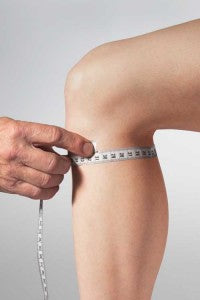
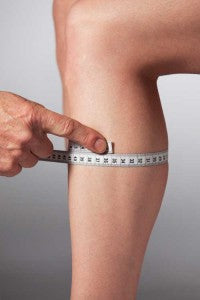
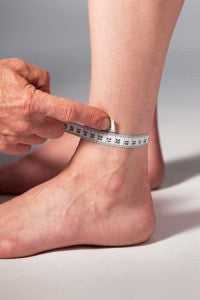
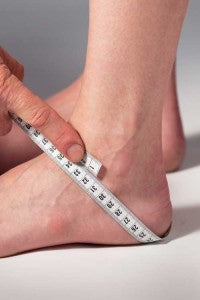
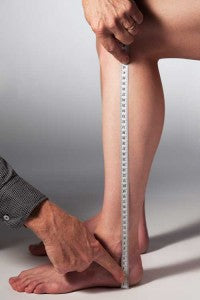
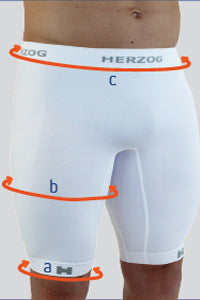
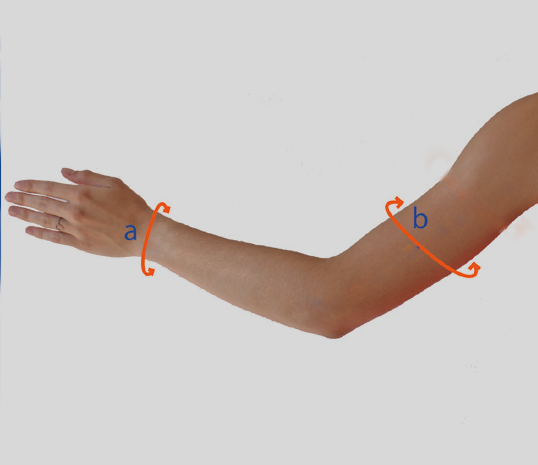
These socks are measured at six points on the leg, ensuring a perfect fit for every leg, regardless of shape and size—an essential factor for optimal effectiveness. Herzog Pro Compression Socks offer a modern look and exceptional comfort, featuring optimal thermal regulation thanks to skin-friendly microfibers. They have been specially developed for sports applications, backed by medical expertise.

How do you prevent recurrence of thrombosis?
After the first two years, the patient can stop wearing compression stockings. However, it may be important to wear compression stockings in specific situations, such as prolonged sitting, due to an increased risk of thrombosis, for example in a sedentary job or during longer travel periods.
However, the general advice is to continue with milder compression than in the first two years. Support compressionstockings are a good choice for this, as they offer lighter compression and help to prevent recurring symptoms.

Medical conditions and related injuries
Compression plays a key role in thrombosis treatment and helps relieve other conditions like varicose veins or swelling. See all related complaints.


Harald Herzog
Director and developer of Herzog Medical
"The treatment of venous thrombosis should be discussed with the treating physician, specialized bandagist or skin therapist. Therapeutic elastic socks, also known as compression stockings, can make an important contribution to this. They ensure that the accumulated fluid (edema) is drained more quickly."
"The treatment of venous thrombosis should be discussed with the treating physician, specialized bandagist or skin therapist. Therapeutic elastic socks, also known as compression stockings, can make an important contribution to this. They ensure that the accumulated fluid (edema) is drained more quickly."

Compression Stockings on the Plane: Facts and Myths
Facts and myths about compression stockings during air travel: what happens in your legs, when they help, and what to look out for.

How you can prevent traveler's thrombosis while flying
Long flights increase the risk of traveler's thrombosis. Learn how to cleverly combine movement, hydration, and compression to support your legs.

Traveler's Thrombosis: How Compression Stockings Support Your Circulation
Long journeys can slow down the circulation in your legs. Read how compression stockings can contribute to better circulation during travel.

Travel with Herzog aviation socks: comfortable and fit upon arrival
Discover what long flights do to your legs and how Herzog compression socks can contribute to a lighter feeling upon arrival.

Leg thrombosis: symptoms, causes, and risks
Discover symptoms, causes, and risks of thrombosis in the leg, with attention to travel and the role of compression in blood circulation.

Compression stockings for swollen ankles: when do they make sense?
Discover when compression stockings are useful for swollen ankles, what causes them, and when you should consult your GP.

Thrombosis and the Use of Herzog PRO Compression Socks
What is thrombosis and what role can compression play? Read about the symptoms and risks and why professional medical advice is important.