Treating Whiplash: 3-Phase Recovery with Compression and Cold Therapy

A calf strain often occurs unexpectedly and is accompanied by a sharp, intense pain as if a whip has struck the muscle. This injury typically happens during a sudden contraction of the calf muscle, for example, during a sprint or jump. A calf strain requires the right approach in the first few days and careful rehabilitation. 
Side Image

Recognizing the injury: what happens with a calf strain?

A calf strain (or "zweepslag" in Dutch, literally "whiplash") is essentially a tear in the calf muscle, ranging from minor (a pulled muscle) to more significant damage (a substantial muscle tear). Many athletes describe it as feeling a 'pop' or 'snap' in the muscle. Symptoms include:

  • Sudden, sharp pain in the calf
  • Difficulty walking or pushing off
  • Sometimes an audible “snapping” sound
  • Swelling or discoloration in the days following the injury

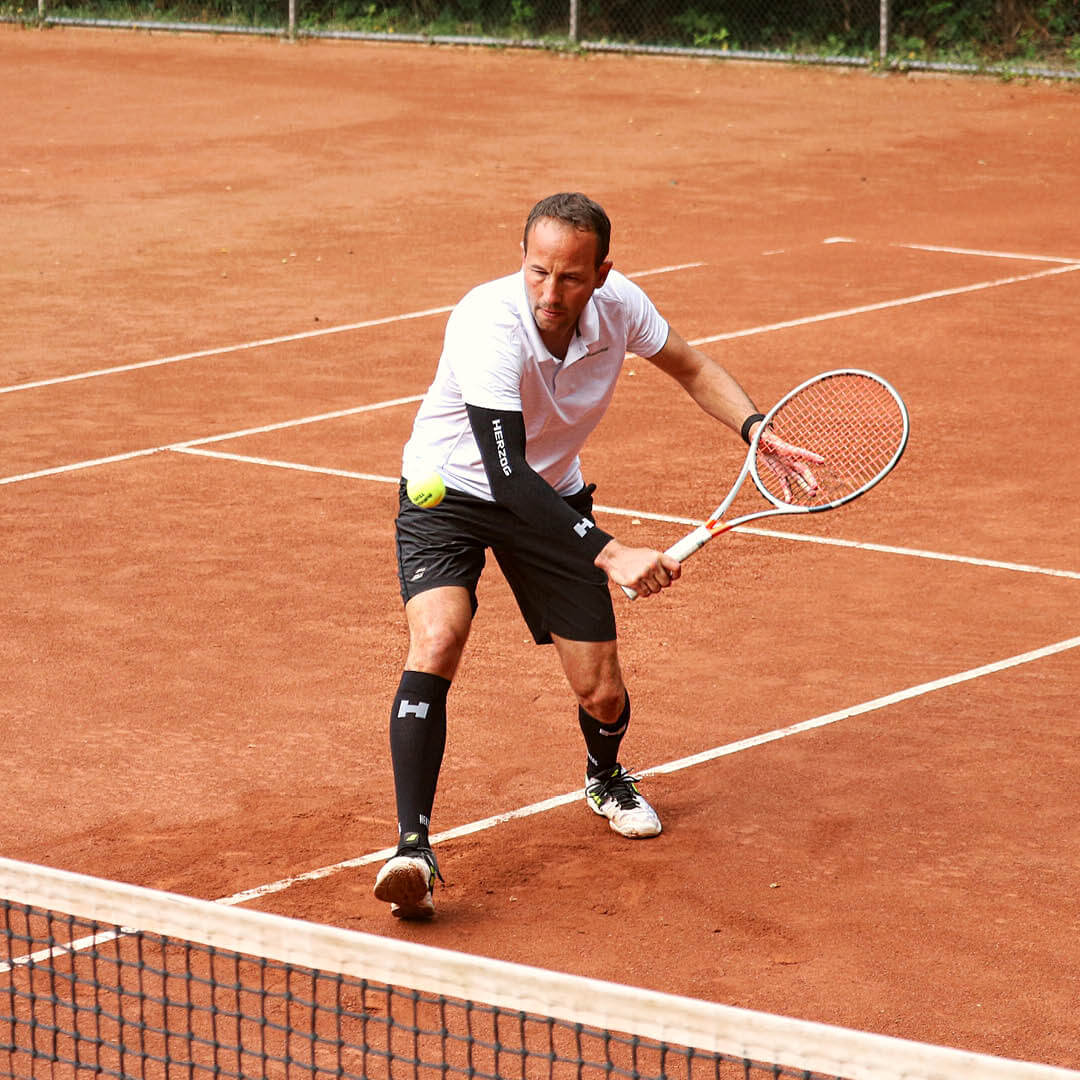
This injury primarily affects athletes over 35 and occurs in sports involving short, explosive movements such as tennis, volleyball, or running.

Side Image

Recovery phase 1: First 48 hours for rest, cooling, and support

The first 48 hours after a calf strain are crucial for further recovery. During this period, the focus is onreducing pain, limiting swelling, and relieving the muscle.

➤ Cooling to reduce swelling

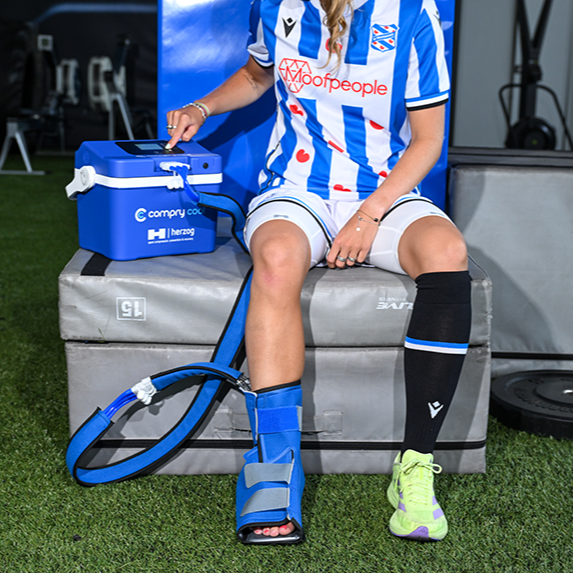
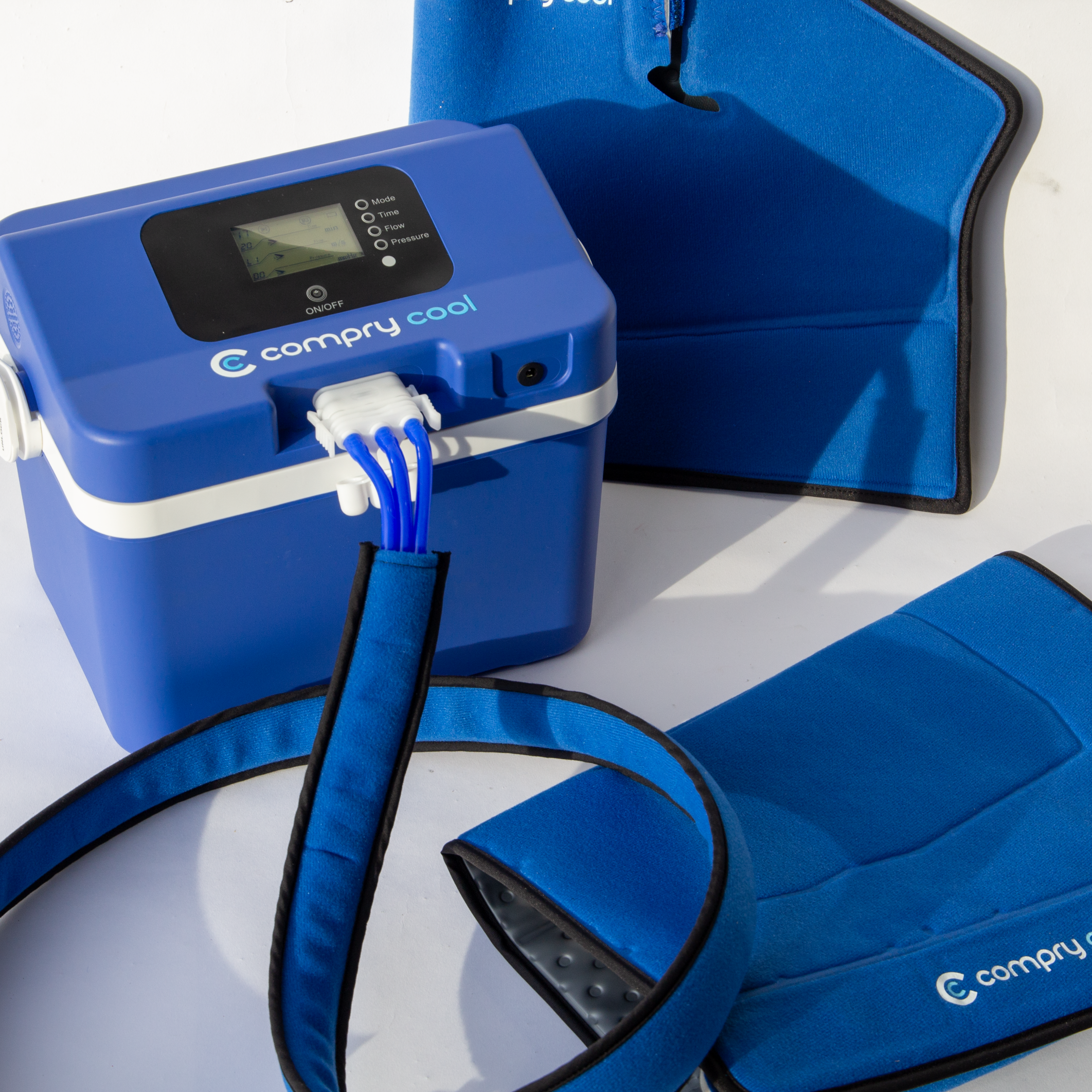
Cooling helps regulate blood flow and counteract swelling. Many athletes use an ice pack wrapped in a cloth for this. This works, but often only provides temporary relief. For a more targeted and sustainable approach, the Compry Cool with ankle bandage is a perfect solution.

Compry Cool: cold therapy and compression in one provides:

  • Promotion of reduction of swelling and inflammatory reactions
  • Targeted and constant cooling without the risk of frostbite
  • Active compression that limits fluid accumulation and supports the muscle
  • Suitable for both muscle injuries and post-operative recovery

Thanks to this combined effect, the Compry Cool is the most complete acute treatment for a calf strain.

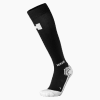
➤ Support your muscles with Pro Compression Socks

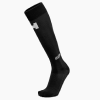
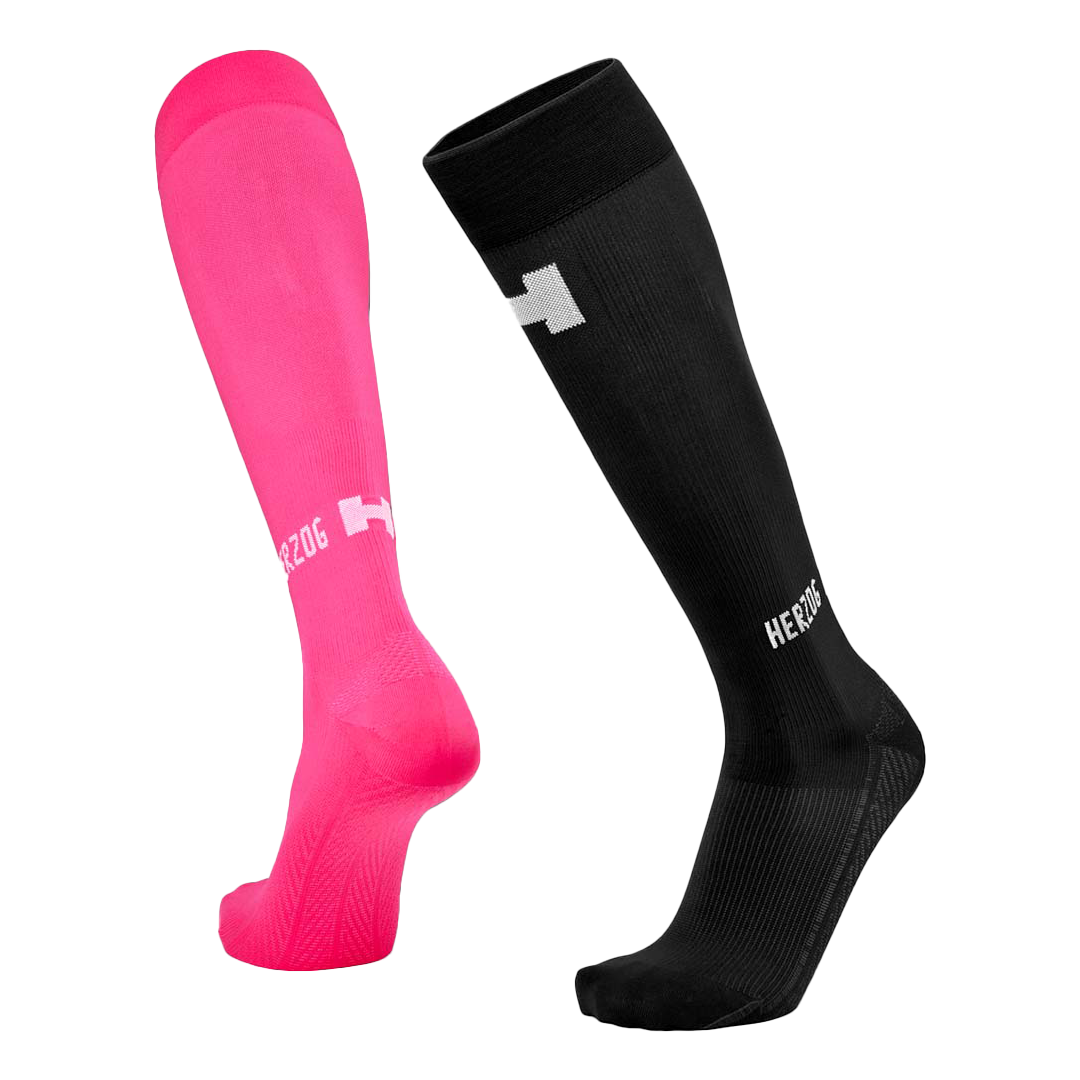
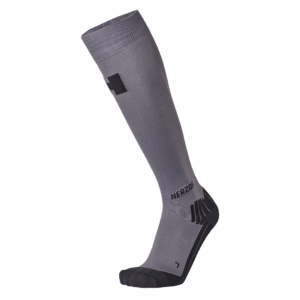
After the acute phase, it is advisable to further support the calf. PRO Compression Socks provide:

  • Targeted compression that stabilizes the muscle
  • Better blood circulation and faster removal of waste products
  • A safer transition from rest to light activity
  • Compry Cool and PRO Compression Socks perfectly complement each other: first acute relief and recovery stimulation, then continuous support during further rehabilitation.

Products in this blog

Compry Cool
€750,00
Compry Cool
€750,00
Side Image

Phase 2: Recovery without overexertion

After a few days, the pain usually subsides, and the load can be gradually increased.

➤ Build up movement

Rest is good, but sitting still for too long slows down recovery. Therefore, start with light forms of exercise such as:

  • Cycling
  • Swimming
  • Walking

The movements during these activities stimulate blood flow again and accelerate the healing process without putting too much pressure on the calf.

➤ Continue applying compression

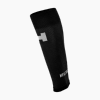
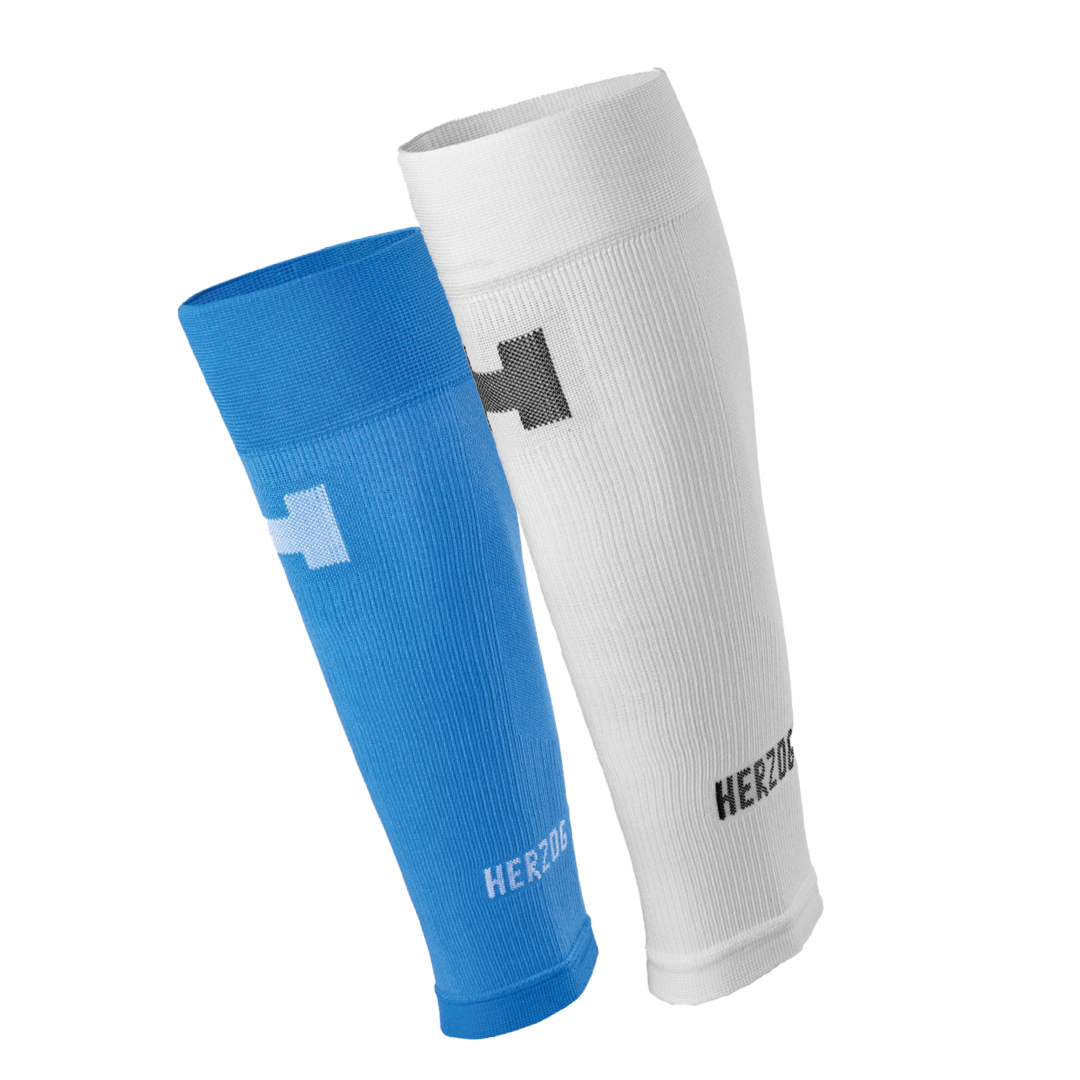
Also continue to wearcompression stockingsin this phase. Compact compression ensures better blood circulation and supports the muscle during light exertion. During movement, there is less muscle strain on the weakened muscle. This prevents the injury from returning and helps scar tissue heal stronger.

Phase 3: Rehabilitation and return to sport

When the muscle no longer causes pain during light exertion, it's time for targeted rehabilitation.

➤ Strengthening and mobility

  • Calf muscle strengthening exercises
  • Balance exercises to regain stability
  • Stretching to keep the muscle supple

➤ Cold therapy during rehabilitation

Even during this phase, theCompry Coolwith ankle bandage can be valuable. After an intensive exercise or training stimulus, controlled cooling helps reduce muscle tension and accelerate recovery. This makes the device interesting for anyone who wants to recover quickly, from top athletes to amateur athletes.
Tip: you can also rent aCompryCool

Common mistakes when treating a calf strain

You don't recover from a calf strain by simply resting, but also not by resuming all activities too quickly. It's about finding the right balance in three steps: first, controlling acute pain and swelling with rest, cooling, and compression; then, gradually reintroducing light movement to the calf with continued support; and finally, rebuilding strength and mobility step by step. By cleverly combining cold therapy and compression, you give your muscles precisely the guidance they need to return to your sport faster and stronger.

Recovering from a calf strain? Discover how Compry Cool and PRO Compression Socks help you recover faster and prevent recurrence:

Relevant blogs

6 Effective tips to prevent and relieve shin splints

Prevent and alleviate shin splints with 6 practical tips for runners. Less pain, faster recovery, and better training.

Treating Whiplash: 3-Phase Recovery with Compression and Cold Therapy

Recovering from a calf strain? Discover the 3 recovery phases and how compression and cold therapy can contribute to optimal and responsible recovery.

All about calf problems: causes, symptoms, and what you can do about them

Suffering from calf complaints? Read all about possible causes, common symptoms, recovery, and what you can do to prevent calf complaints.