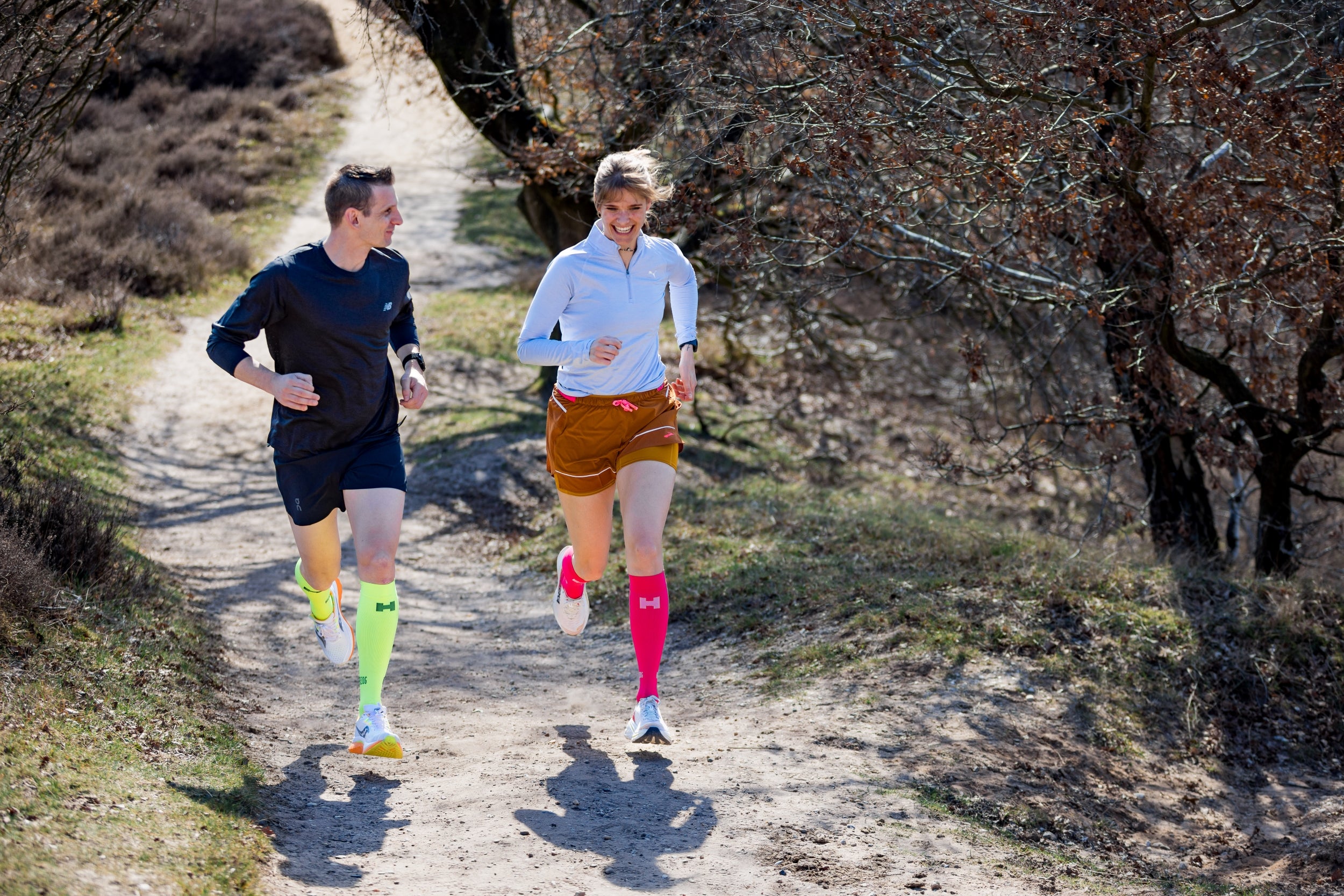
Calf complaints are common among athletes or walkers. But even if you are less active, you can experience pain, tension or cramps in your calf muscles. In this blog, we answer the most frequently asked questions about calf pain, overuse, muscle soreness and what you can do to prevent or remedy complaints.
Side Image

What can calf pain be?

Calf pain can have multiple causes. The most common are:
• Muscle strain or tear: a sharp pain after a sudden movement.
• Overuse: a dull or stabbing pain that comes on slowly.
• Muscle cramp: a sudden, intense contraction of the muscle.
• Thrombosis: often a deep, aching pain with swelling and redness.
• Trigger points or muscle knots: palpable hardened areas in the muscle that can radiate pain.


When should you be concerned about calf pain?

If the pain comes on suddenly, persists, or is accompanied by swelling, redness, or tingling, it is advisable to consult a doctor.


How does an overworked calf feel?

An overworked calf is characterized by:
• A constant tired feeling in the calf.
• Pain with exertion or touch.
• Stiffness, especially after rest.
• Sometimes radiating pain to the knee or ankle.
This is often seen in people who increase their training load too quickly or stand or walk for prolonged periods. Incorrect running technique can also contribute.

Side Image

What are the symptoms of an overworked calf?

• Dull or sharp pain during exertion.
• Tenderness.
• Muscle soreness after light activity.
• Restricted range of motion.

How do you relieve tension in your calves?

Many people experience calf tension, even without a direct injury. This can be caused by:
• Overuse
• Insufficient stretching
• Poor footwear
• Muscle shortening
• Stress or poor posture


What can you do to reduce tension?

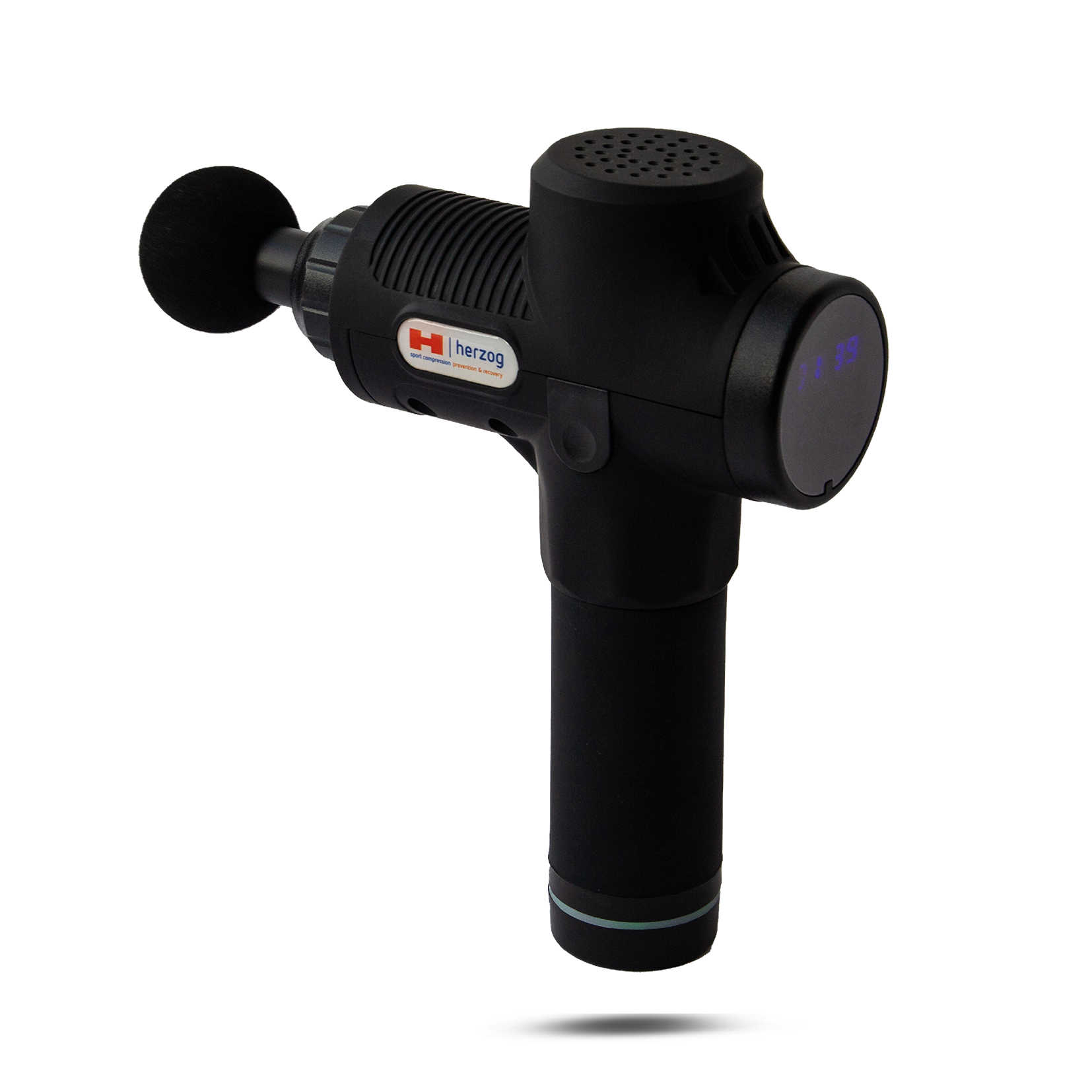
• Massage: have your calves professionally massaged or use a massage gun.
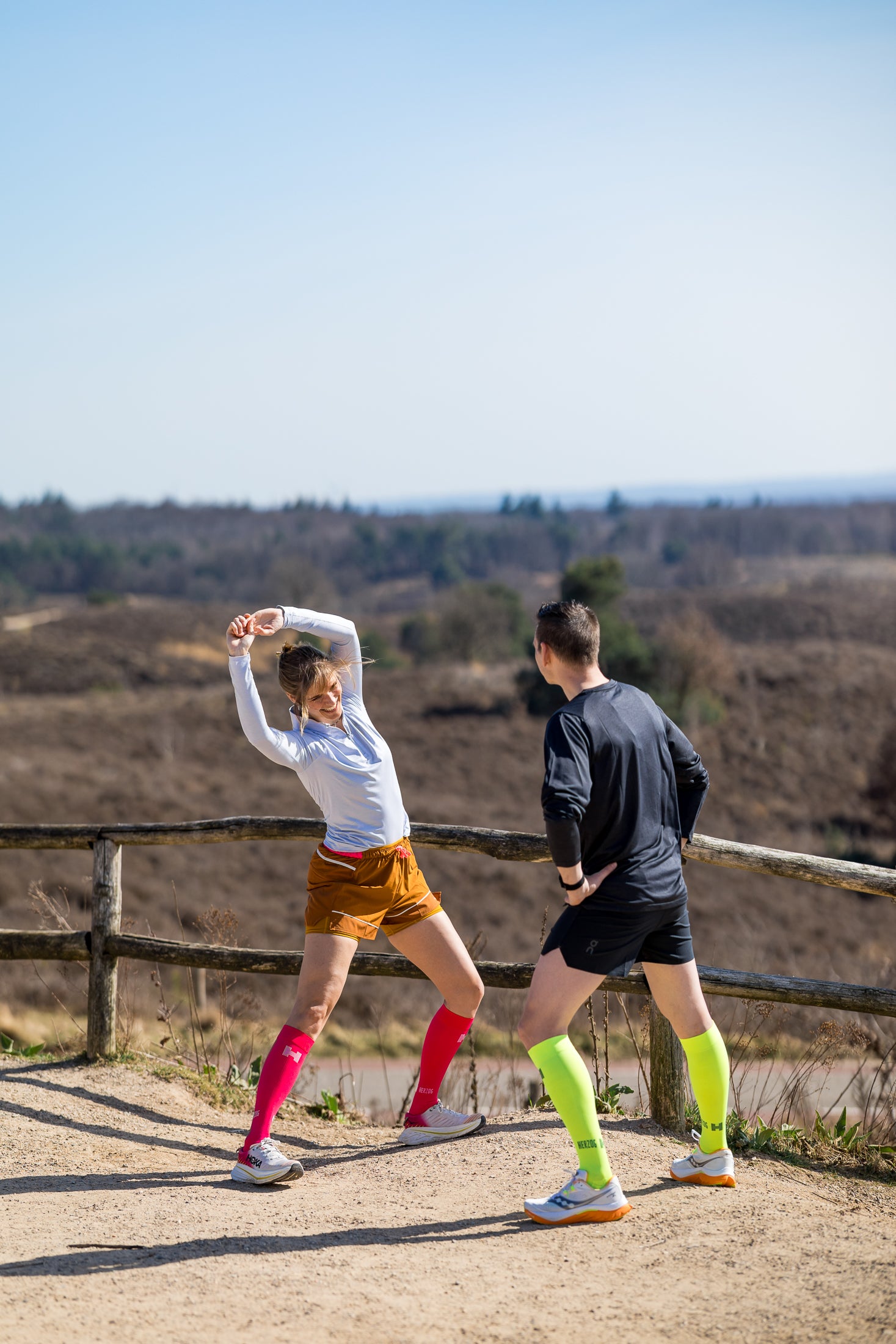
• Stretching exercises: especially after exercise. Think of stretching with a straight knee or on a stair step.
• Heat: a warm bath or hot pack relaxes the muscles.
• Good shoes: with sufficient cushioning and support. Get advice at a running specialty store.
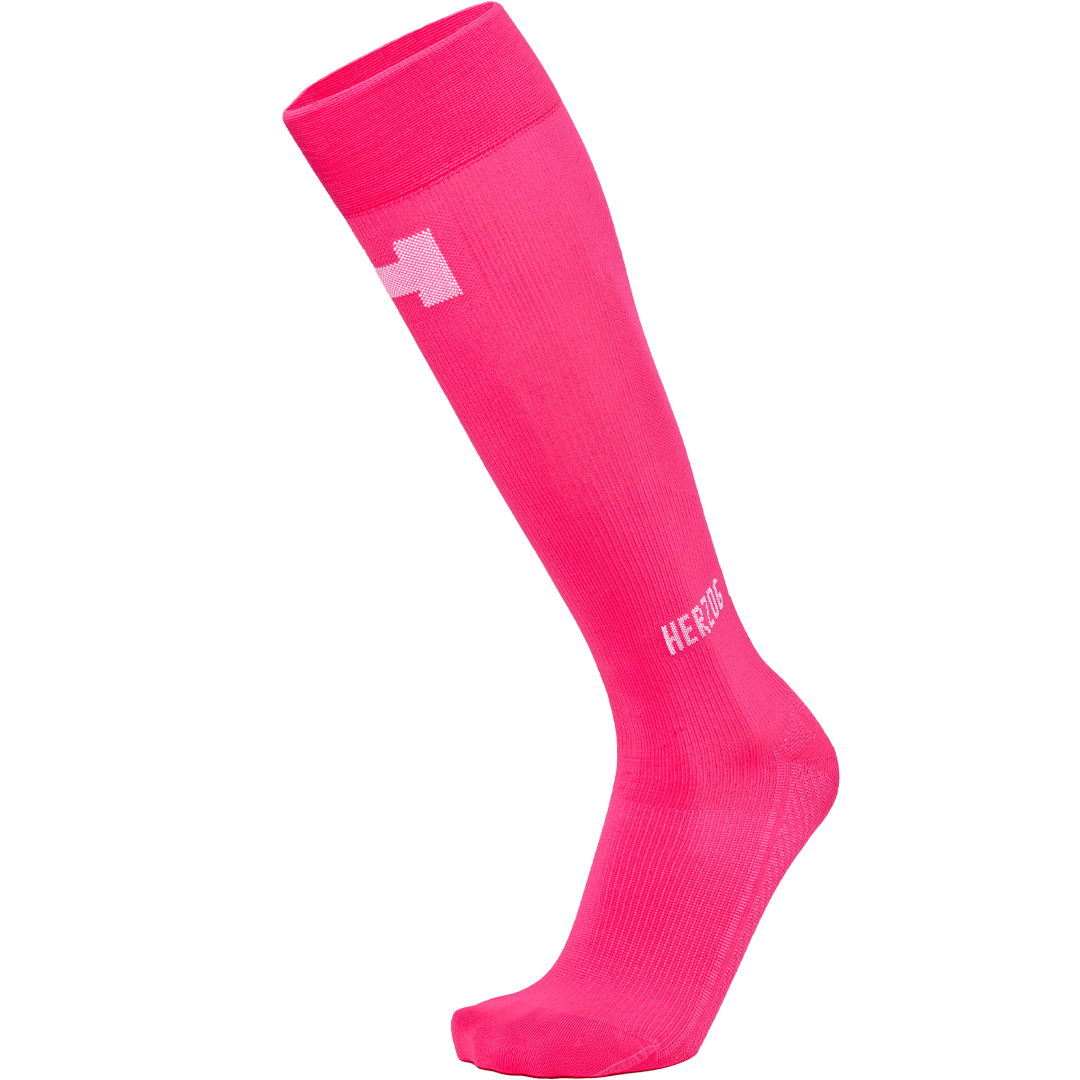
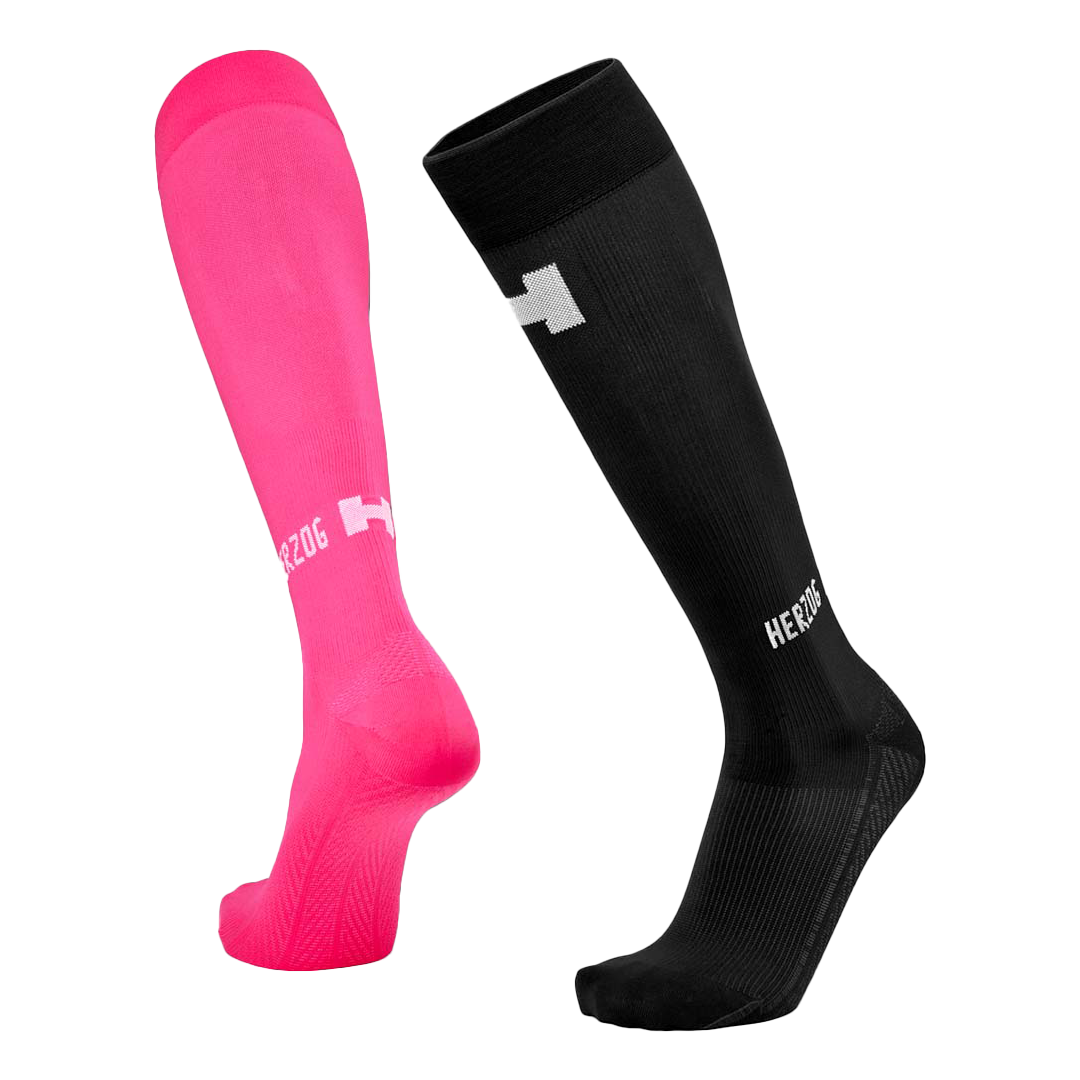
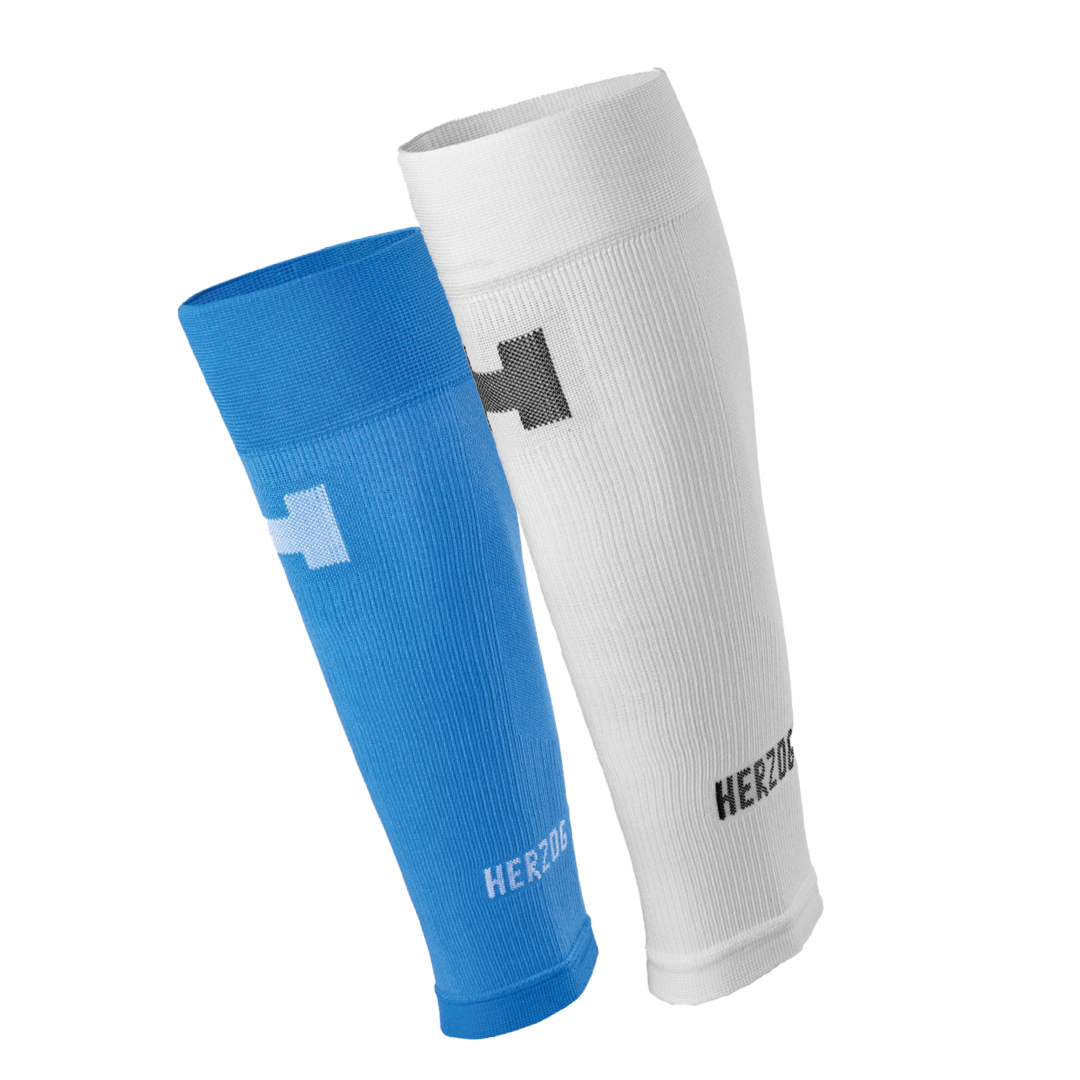
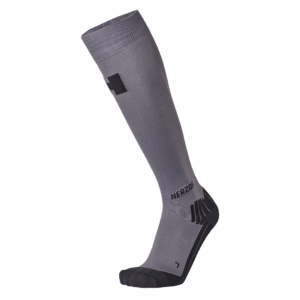
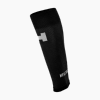
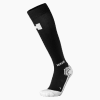
• Compression: Herzog Compression Sockscan help with relaxation and circulation.

Products in this blog

Recovery Gun
€175,00
Recovery Gun
€175,00
Side Image

How to get rid of calf muscle pain?

Calf muscle pain after exercise is normal but can be annoying, especially for new athletes or after an intense workout. Want to get rid of it? Try the following:
• Active recovery: keep moving lightly (walking or cycling at low intensity).
Herzog Compression Stockings: promote the removal of waste products.
• Hydration: drink enough water, possibly with magnesium.
• Nutrition: eat protein-rich foods to promote muscle recovery.
• Rest: give your muscles enough time to recover.


What if the pain persists?

Persistent or recurring pain can indicate incorrect technique, overuse, or even a tendon injury. In such cases, a visit to your GP or physiotherapist is advisable.


Frequently asked questions about calf complaints

What are the symptoms of a calf muscle tear?

A sharp, sudden pain, often accompanied by a "popping" sensation, swelling, and bruising.
What is the difference between a strain and a tear?
A strain is milder, with light stretching pain. A tear often involves loss of function.


Can I continue walking with calf pain?

With mild muscle soreness or tension, often yes, but with stabbing pain, cramps, or swelling, preferably not.


Is magnesium good for the calf muscles?

Yes, especially for cramps or muscle fatigue. Magnesium helps with muscle relaxation.


What to do for calf cramps?

Gently stretch the muscle, drink water, and massage the calf. If it occurs frequently, check your salt balance and hydration.


How do I recognize a muscle injury or tendon complaint in the calf?

Tendon complaints are often felt at the beginning of the exercise and afterwards, while muscle pain increases during exercise.


When should you see a doctor?

• If the calf is swollen and red (possibly thrombosis).
• If you felt a popping sensation and can no longer walk properly.
• If the pain persists despite rest and recovery measures.
• If there is a muscle or tendon tear.

Why Herzog compression socks for calf complaints?

Do you regularly suffer from tired, tense or painful calves? Then Herzog compression socks can make a world of difference. Our socks are medically approved and anatomically shaped, with a graduated compression from ankle to knee that is precisely tailored to your legs. Thanks to six precise measuring points, the socks offer an unparalleled fit and pressure distribution. This ensures optimal waste removal, less muscle damage and faster recovery. In addition, they help prevent overuse and support your muscles exactly where needed, without compromising comfort or freedom of movement. Herzog has been trusted for years by top athletes, doctors and physiotherapists because it simply works. Choose the sock that really makes a difference.

Relevant blogs

6 Effective tips to prevent and relieve shin splints

Prevent and alleviate shin splints with 6 practical tips for runners. Less pain, faster recovery, and better training.

Treating Whiplash: 3-Phase Recovery with Compression and Cold Therapy

Recovering from a calf strain? Discover the 3 recovery phases and how compression and cold therapy can contribute to optimal and responsible recovery.

All about calf problems: causes, symptoms, and what you can do about them

Suffering from calf complaints? Read all about possible causes, common symptoms, recovery, and what you can do to prevent calf complaints.