The days are getting shorter, temperatures are falling and a warm gym sounds increasingly tempting. But should you move your running indoors in winter or keep running outside? Both have advantages. Here are the main differences!
There is something special about running outdoors. You enjoy fresh air, changing surroundings and the freedom to choose your route. Different surfaces, bends and elevation also make for a varied workout.
However, outdoor running in winter requires extra preparation. Cold, wind, rain and slippery surfaces can make training more challenging. A good warm-up and suitable running clothes are therefore important.
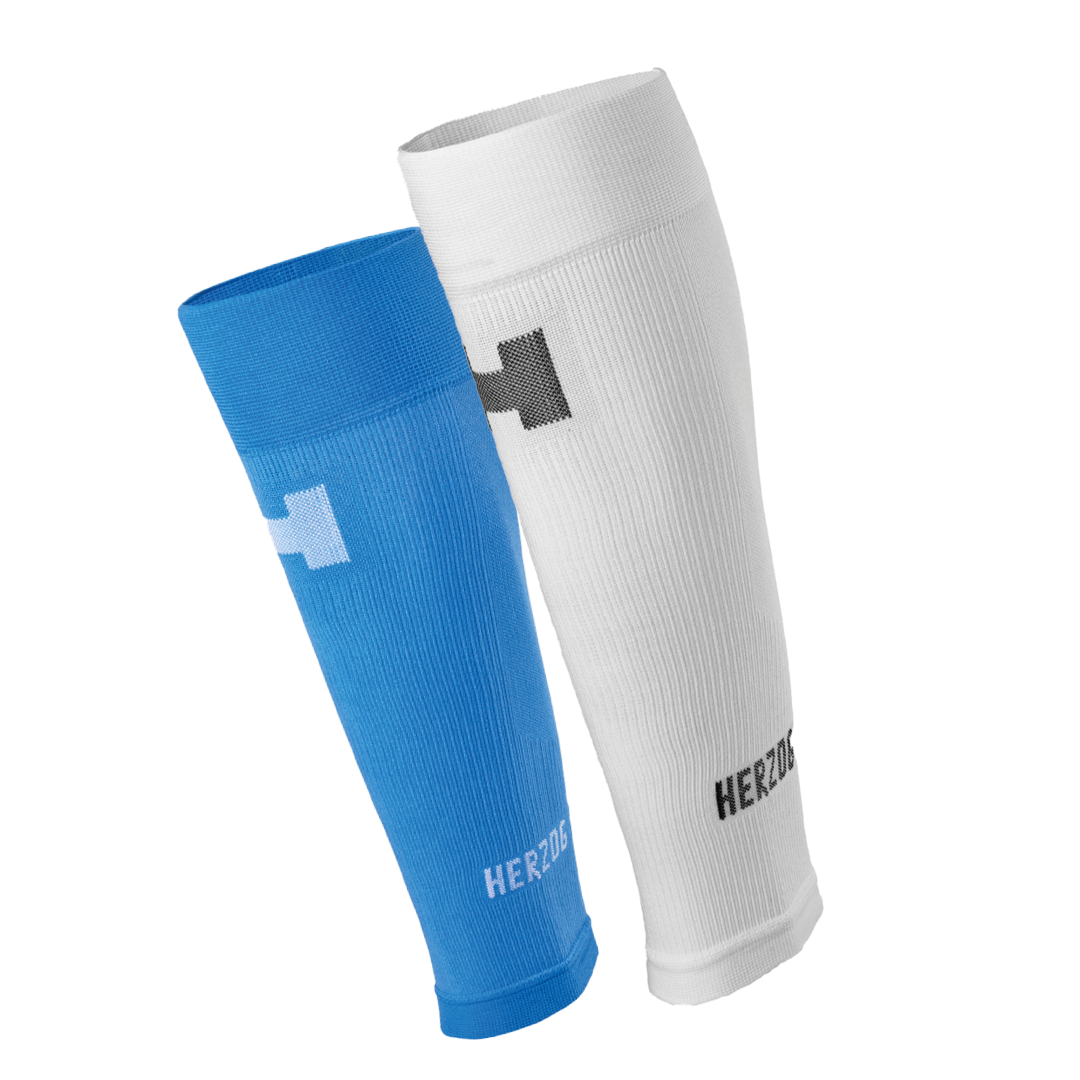
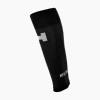
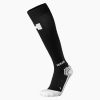
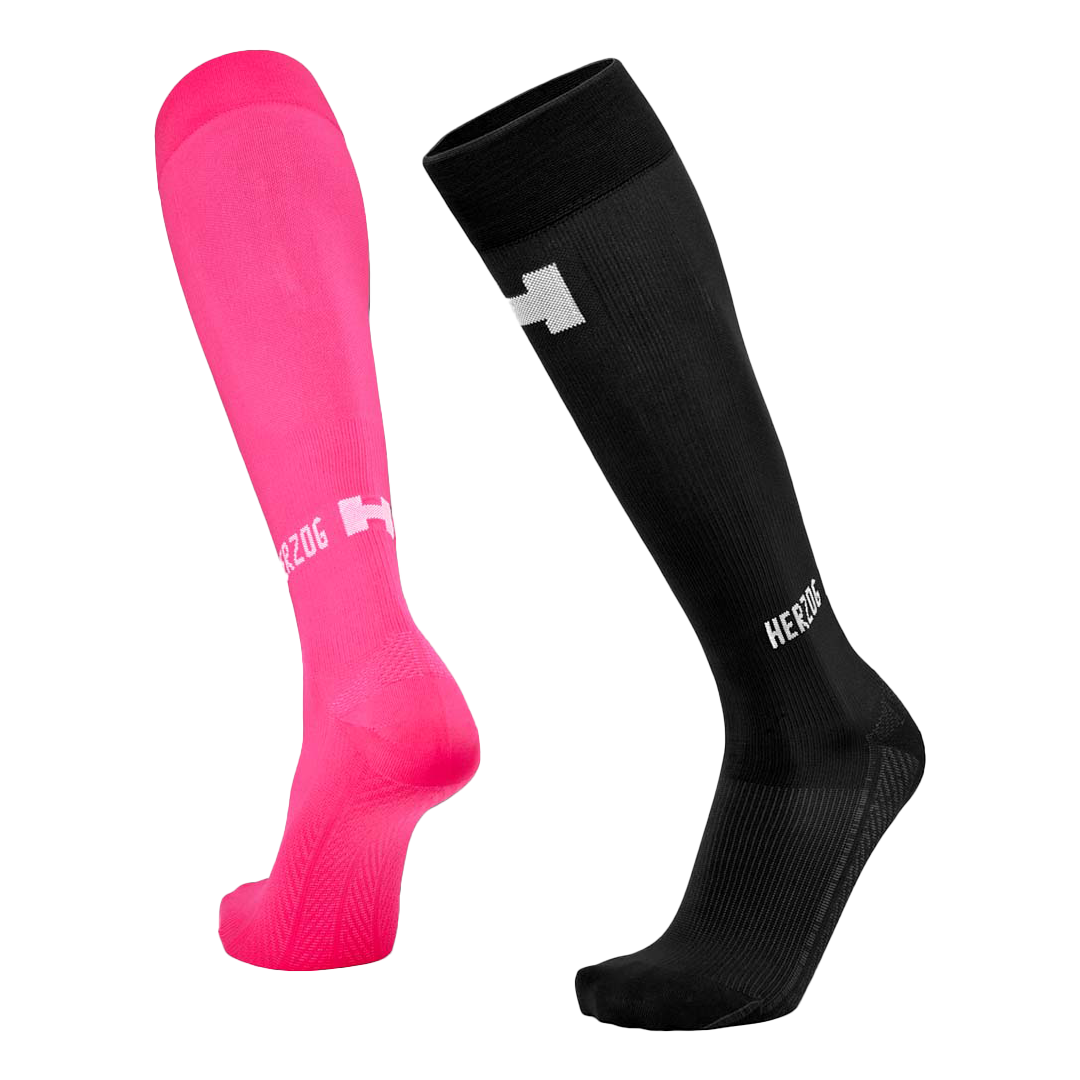
Tip: Start gently and give your muscles time to warm up. The Herzog PRO Compression Socks provide targeted support for your calves and help reduce muscle vibrations while running.
No rain, no headwind and no slippery roads. On a treadmill you set your own speed and incline, allowing very controlled training.
This makes the treadmill ideal for interval sessions or when it is too cold or slippery outside. You can also maintain your pace easily without traffic lights or other obstacles.
A drawback? The movement is less varied than outdoors. Some runners also miss the fresh air and feeling of freedom.
It is often assumed that treadmill running automatically places less strain on your legs. That is not always the case.
The load depends on factors including speed, running technique, workout duration and surface. Some treadmills have a cushioned deck, but that does not mean your muscles and joints experience no strain.
Outdoor running can require more adjustments from your body because of bends, elevation and changing surfaces.
Whichever option you choose, a gradual increase in training and sufficient recovery remain important.
The good news? You do not have to choose!
Running outdoors is ideal if you enjoy fresh air and variety. A treadmill is useful when the weather is poor or you want a controlled workout.
Alternating between both keeps your training varied and lets you keep working towards your running goals throughout winter.
Give your legs the support they deserve. Discover the Herzog PRO Compression Socks for targeted compression during your workouts.
Complete rest is generally not recommended for most Achilles tendon problems. Tendons need carefully managed movement and loading to recover and remain strong. It is often better to reduce activity temporarily, for example by exercising less intensely or replacing running with cycling or swimming for a while. Then build up gradually and avoid continuing to train through sharp pain.
Some athletes wear compression during exercise, while others put it on afterwards to support recovery. Both uses are common and depend on personal preference and the type of activity. If you are unsure, try it during shorter workouts first to see what feels comfortable.
Yes, especially in cases of cramps or muscle fatigue. Magnesium helps with muscle relaxation.
A strain is milder, involving slight pain when stretched. A tear, by contrast, often results in a loss of function.
Outdoor running or the treadmill? Both have advantages. Discover the differences and how to keep training comfortably in winter.
Trail running or running on tarmac: what are the differences and what do they mean for your body? Discover how terrain, muscle load and equipment affect your performance and how to head out well prepared.
Running in the cold? With the right preparation, you can exercise comfortably even on chilly days! Discover 3 practical tips on warming up, choosing running clothes and recovering well.
Read more about how to get the best out of yourself during a triathlon with the right balance of training, nutrition, and recovery.
Discover how the hysteresis effect in the yarn of Herzog compression stockings works and why it is important during movement.
The Amsterdam City Walk is coming up! Discover how to prepare for a long walk and why paying attention to your feet, legs, and recovery is important.
Discover what compression stockings can do for a muscle tear and during your recovery.
First HYROX on the schedule? Discover what to expect and how to prepare your body properly.
Pain, stiffness, swelling, or tired legs? Discover what rheumatism does to your body and what compression stockings can do for you.
Discover why more and more footballers are wearing compression shorts and how targeted compression can provide support during training and matches.
PRO Socks
Shorts
Thigh Support
PRO Tube
Support Socks
Arm sleeves
PRO Socks
Shorts
Thigh Support
PRO Tube
Support Socks
Arm sleeves
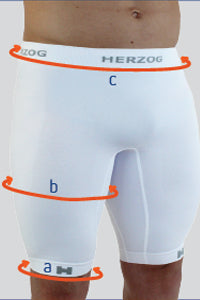
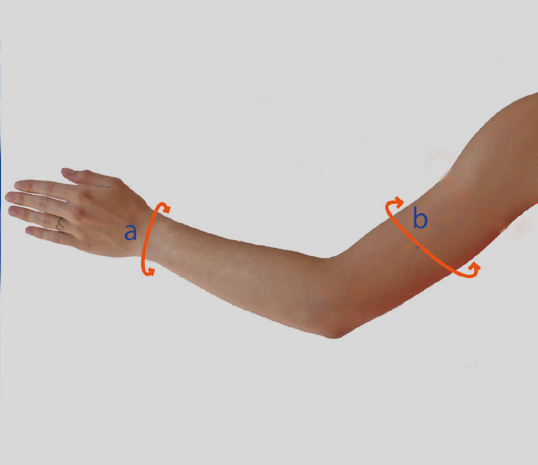
Round measurements to whole numbers
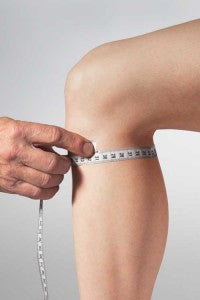
Measure the circumference of your leg 1 cm below the crease behind your knee.
Tip: place two fingers in the crease behind your knee and measure just below them.
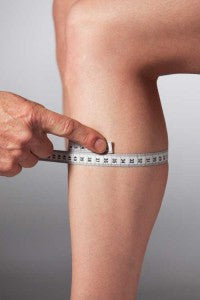
Measure the largest circumference of the calf
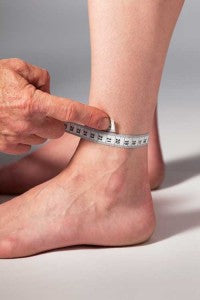
Measure the smallest leg circumference above the ankle joints.
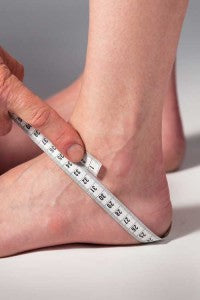
Measure the heel-instep line.
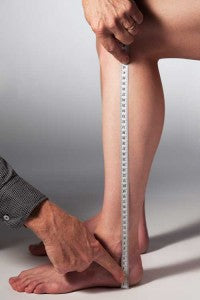
Measure the length from the ground to 1 cm below the knee crease.
Measure the circumference of your leg 1 cm below the crease behind your knee.
Tip: place two fingers in the crease behind your knee and measure just below them.
Measure around the widest part of your calf.
Measure the narrowest circumference of the ankle.
Measure the length from the ground to 1 cm below the knee crease.
Measure around the widest part of your calf.
Measure the narrowest circumference of the ankle.