Trail running versus road running: what are the differences?
- Herzog Medical
Trail running is becoming increasingly popular among runners who want to vary their training and get out into nature. Instead of asphalt, you run on forest paths, dirt roads, hills, and sometimes even rocky terrain. But what does that mean for your body, your running technique, and even your preparation? We set out the most important differences for you.
Terrain, running technique and pace
Trail running and road running are similar, but require a different approach. When road running, you usually run on asphalt or paved paths. The terrain is relatively predictable, making it easier to maintain a constant pace and train specifically for speed or a certain finish time. In trail running, however, you run on unpaved paths, such as gravel, mud, sand, tree roots or rocks. You will also more frequently encounter elevation changes and sharp turns. This means you need to stay constantly alert and anticipate what lies ahead. Taking shorter steps and paying close attention to where you place your feet can help you stay stable.
Your pace will also change. For example, a kilometer on a flat forest path is not comparable to a kilometer up a steep, muddy hill. During climbs, power hiking can be more efficient than running. When descending, it is important to maintain controlled movement and not run down too fast.
Therefore, when trail running, look not only at your pace per kilometer, but also at the elevation gain, the terrain and the overall effort. This will give you a more realistic idea of how hard your training actually was
Muscle strain and the right equipment
Although trail running and road running are both good for your fitness, they place different demands on your body. On asphalt, you often repeat similar movements, while trail running involves varying surfaces, turns, and elevation changes that provide more variety. Your ankles, feet, and hips must adapt to these conditions to maintain balance. Your thighs get a particularly tough workout during descents because of the braking motion.
That is why it is wise to gradually introduce your body to trail running. Start with easy forest paths and try a more challenging route later on. Exercises for your calves, thighs, and hips can be a good way to prepare, making your body a little stronger so that it can better handle the strain.
Your equipment is also important. Regular running shoes are usually suitable for road running, while trail running requires a lugged sole that provides more grip on unpaved and slippery surfaces. Which shoe is best for you depends on the terrain and your personal preference. Don't forget your socks either. During long runs, moisture and friction can cause discomfort and blisters. Choose socks that fit well and feel comfortable while running. Staying hydrated, proper nutrition, and clothing suitable for the weather are also important. This will make your runs more comfortable.
Herstel en voorbereiding: zo haal je meer uit je trainingen
Een goede voorbereiding betekent niet alleen maar zoveel mogelijk trainen. Ook herstel speelt een belangrijke rol. Door de wisselende ondergrond en hoogteverschillen kun je na een trailrun andere spiergroepen voelen dan na een training op asfalt. Vooral na lange afdalingen kunnen je bovenbenen behoorlijk vermoeid zijn. Hoe zwaar de training is geweest, hangt onder andere af van de afstand, het terrein en je ervaring.
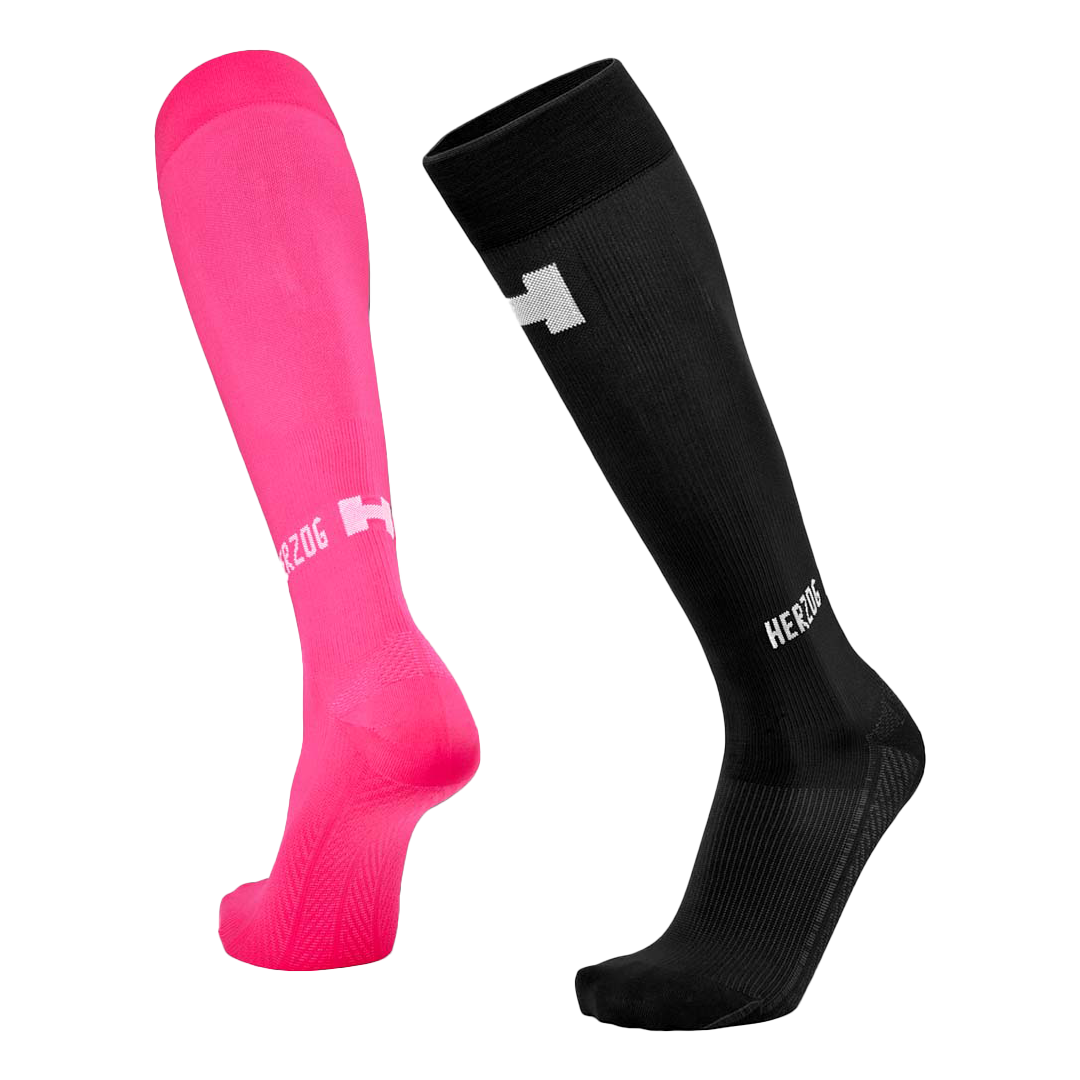
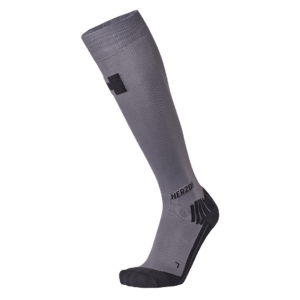
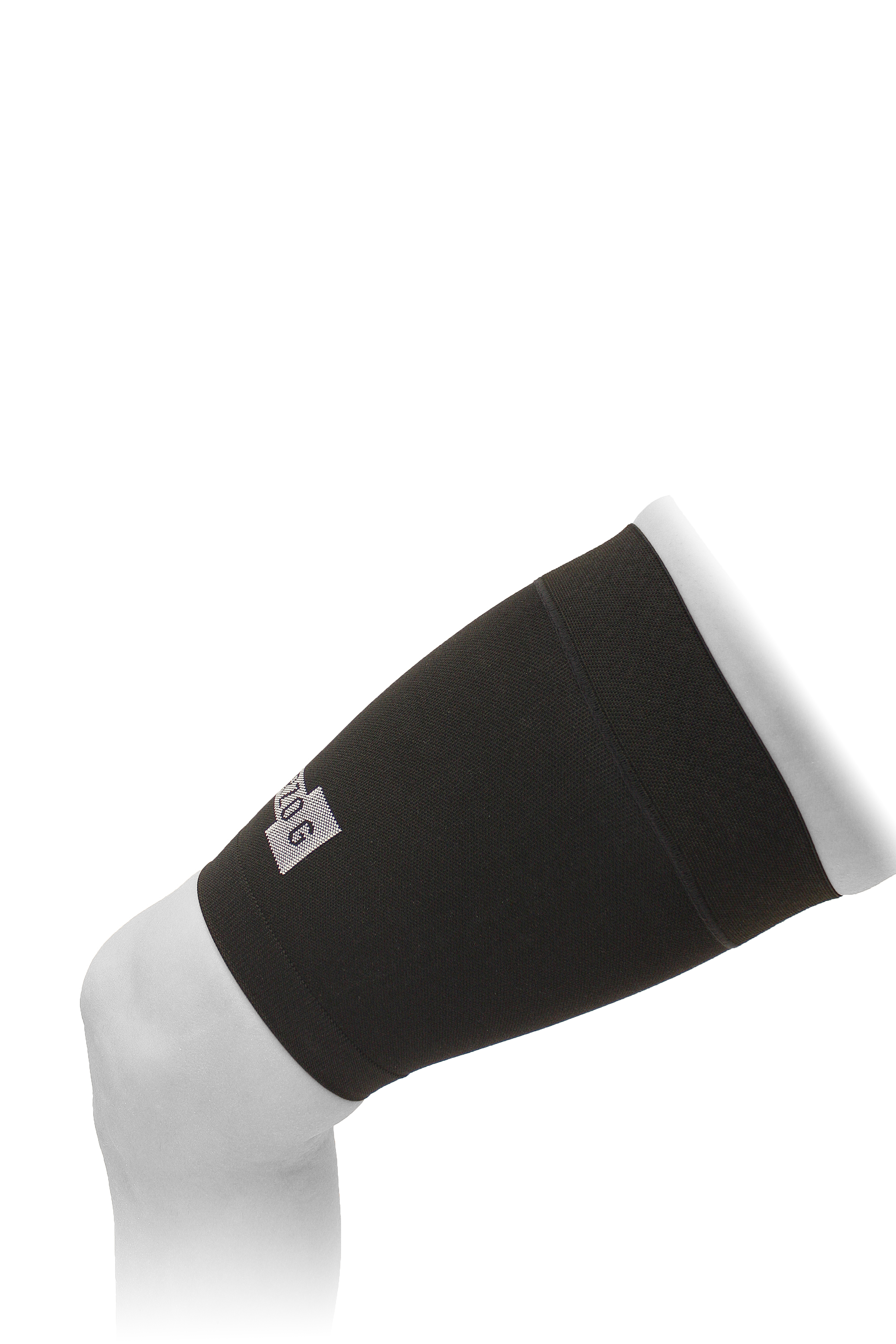
Geef je lichaam daarom genoeg tijd om te herstellen. Sommige hardlopers gebruiken compressie tijdens, maar ook na het lopen. Herzog PRO Compressiekousen kunnen het ervaren gevoel van spierpijn of vermoeidheid verminderen en versnellen het herstel: een mooie aanvulling op jouw herstelroutine. Voldoende slaap, gevarieerde voeding en rustige trainingsdagen helpen je om je trainingsbelasting verantwoord op te bouwen. Voel je je na een zware trail nog erg vermoeid, dan is het verstandig om je volgende training aan te passen. Meer kilometers maken is namelijk niet altijd beter.
Of je nu op asfalt loopt of de natuur opzoekt, stem je trainingen af op je niveau en doelen. Hardlopen op de weg is handig als je aan je snelheid wilt werken, terwijl trailrunning juist voor veel afwisseling en andere uitdaging zorgt. Door beide vormen te combineren kun je variatie aanbrengen in je trainingsweek. Begin rustig, kies een passende route en geef je lichaam de tijd om aan de nieuwe belasting te wennen.
Veelgestelde vragen over trailrunning
Hoe begin je met trailrunning?
Begin met korte afstanden op relatief vlakke en goed begaanbare bospaden. Wissel eventueel hardlopen af met wandelen en bouw de afstand en moeilijkheid langzaam op. Zo kan je lichaam wennen aan de belasting en leer je omgaan met verschillende ondergronden.
Hoe vaak kun je trailrunning combineren met hardlopen op de weg?
Dat hangt af van je trainingsniveau en herstel. Als je gewend bent om meerdere keren per week te hardlopen, kun je beginnen met 1 trailrun per week. De overige trainingen kun je op de weg blijven doen. Zo voeg je variatie toe zonder je trainingsbelasting ineens sterk te verhogen.
Is trailrunning geschikt voor iedere hardloper?
In principe kan iedere hardloper trailrunning proberen. Het is wel belangrijk in rekening te houden met je conditie, ervaring en eventuele lichamelijke klachten. Begin met makkelijke routes en kes een afstand die bij je niveau past, Naarmate je meer ervaring opdoet, kun je uitdagendere trails gaan proberen.
Latest blogs
Trail running versus road running: what are the differences?
Trailrunning of hardlopen op asfalt: wat zijn de verschillen en wat betekent dit voor je lichaam? Ontdek hoe ondergrond, spierbelasting en uitrusting je prestaties beïnvloeden en hoe je goed voorbereid op pad gaat.
Hardlopen in de kou: 3 tips om fit te blijven tijdens koude dagen
Hardlopen in de kou? Met de juiste voorbereiding blijf je ook tijdens koude dagen comfortabel sporten! Ontdek 3 praktische tips over een goede warming-up, de juiste hardloopkleding en optimaal herstel.
The art of triathlon: training, nutrition and recovery
Read more about how to get the best out of yourself during a triathlon with the right balance of training, nutrition, and recovery.
The hysteresis effect of Herzog compression stockings: what does it mean?
Discover how the hysteresis effect in the yarn of Herzog compression stockings works and why it is important during movement.
On our way to the Amsterdam City Walk with Herzog Medical
The Amsterdam City Walk is coming up! Discover how to prepare for a long walk and why paying attention to your feet, legs, and recovery is important.
Compression stockings for a muscle tear: do they help with recovery?
Discover what compression stockings can do for a muscle tear and during your recovery.
First HYROX? Here's what you need to know before you start
First HYROX on the schedule? Discover what to expect and how to prepare your body properly.
Compression stockings for rheumatism: can they offer support?
Pain, stiffness, swelling, or tired legs? Discover what rheumatism does to your body and what compression stockings can do for you.
Why are more and more footballers wearing compression shorts?
Discover why more and more footballers are wearing compression shorts and how targeted compression can provide support during training and matches.
From half to full marathon: what does your body need to get used to?
Discover what your body needs to get used to, what symptoms may arise, and how to properly prepare yourself for 42.2 kilometers.