Compression Socks on an Airplane: Facts and Myths

Compression stockings are increasingly worn during air travel. Yet, many misconceptions still exist about their use. Are compression stockings only for the elderly? Are they only necessary for medical conditions? Or can they be beneficial for anyone traveling for extended periods?

At Herzog Medical, we receive many questions about compression stockings during air travel. That's why we've listed the most common facts and myths.

Side Image

Why do many people experience leg discomfort during a flight?

During a flight, you often sit still for a long time. As a result, the muscles in your calves are less actively involved in circulation. Blood and fluid more easily sink downwards, which can make legs feel heavy.

Common complaints during flights include:

  • heavy legs
  • tired calves
  • swollen ankles
  • fluid retention
  • a tense feeling in the legs

Many people notice this immediately, especially during longer flights.

Myth 1: Compression socks are only for the elderly

That perception is long outdated.

Nowadays, many people wear compression socks while travelling. Not only people with medical conditions, but also travellers who want to fly more comfortably or experience less discomfort from tired legs on the go.

For example, compression socks are often worn during:

  • holiday flights
  • city trips
  • long car journeys
  • business trips
  • long-haul holidays

Fact 1: Compression supports circulation during flying

Good compression socks apply controlled pressure to the lower leg. The pressure is highest around the ankle and gradually decreases towards the calf.

This way, compression socks support circulation during prolonged sitting.

Especially during flights, this can help keep legs more comfortable and reduce fluid retention.

Side Image

Myth 2: All compression socks work the same

There's a significant difference here.

Many compression socks primarily provide a tight feeling, but that doesn't automatically mean the pressure is precisely distributed.

At Herzog Medical, we work with medical compression technology. Herzog compression socks are produced on the same machines as therapeutic elastic stockings and offer a controlled pressure gradient.

Additionally, Herzog compression socks are medically certified according to MDR guidelines.

Fact 2: The correct size is important

A compression sock only works effectively when it fits snugly on the leg.

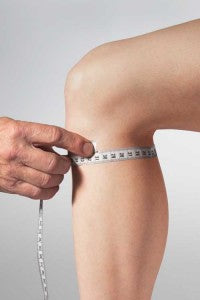
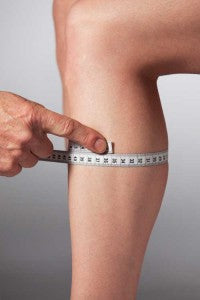
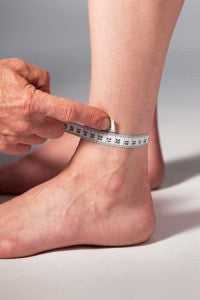
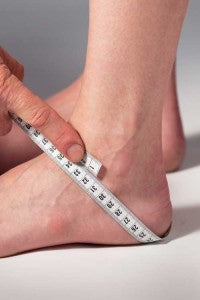
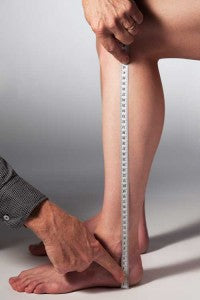
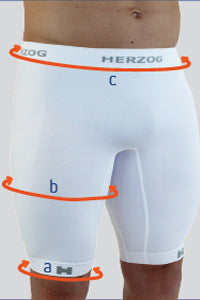
That's why Herzog doesn't just work with standard sizes like S, M, and L, but with an extensive sizing system based on multiple measurement points.

This ensures the compression fits the lower leg better and wearing comfort remains pleasant even during long journeys.

Myth 3: Compression socks are always warm and uncomfortable

Many people think compression socks feel tight and constricting. In reality, this strongly depends on the quality, material, and fit.

A well-fitting compression sock should feel firm, but not constricting.

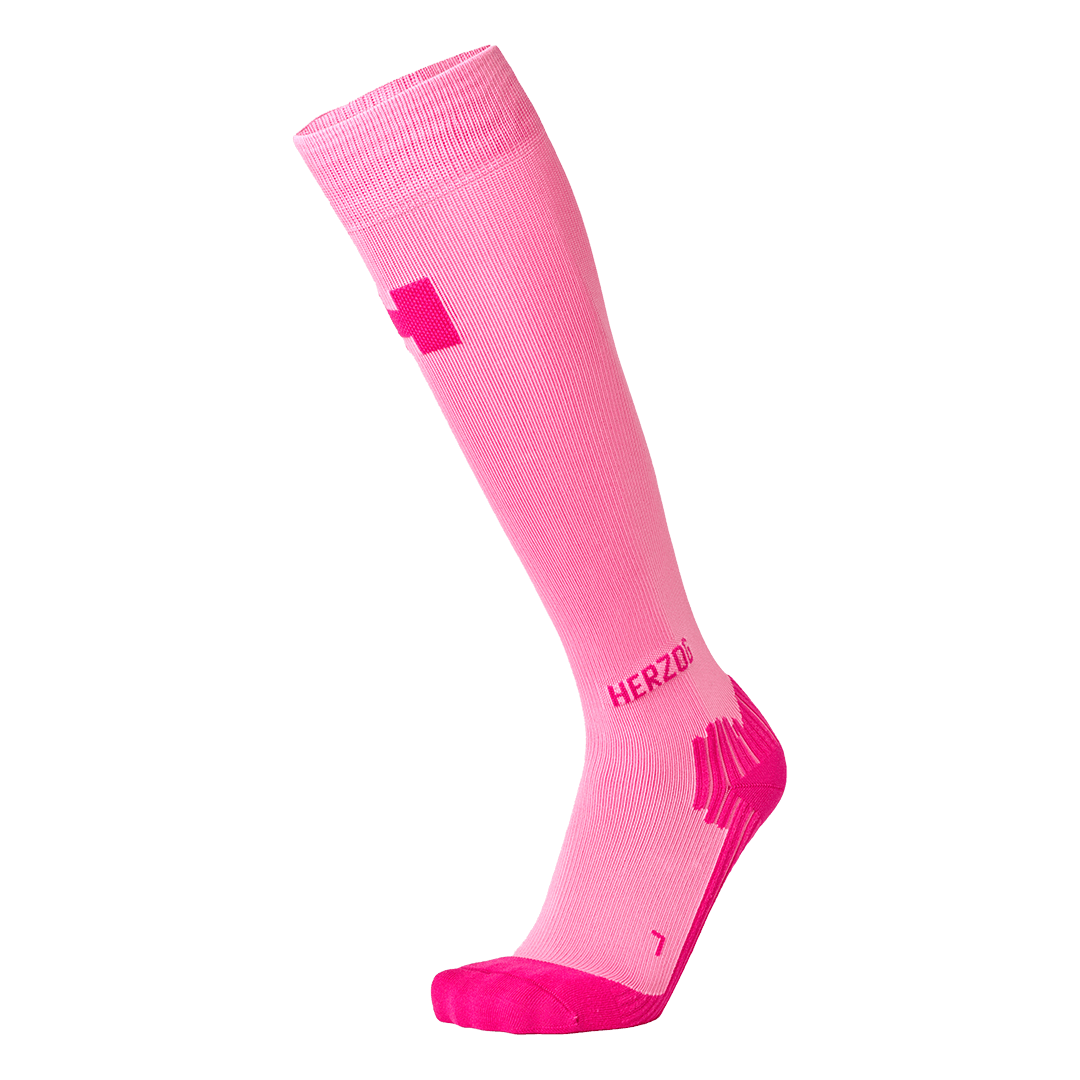
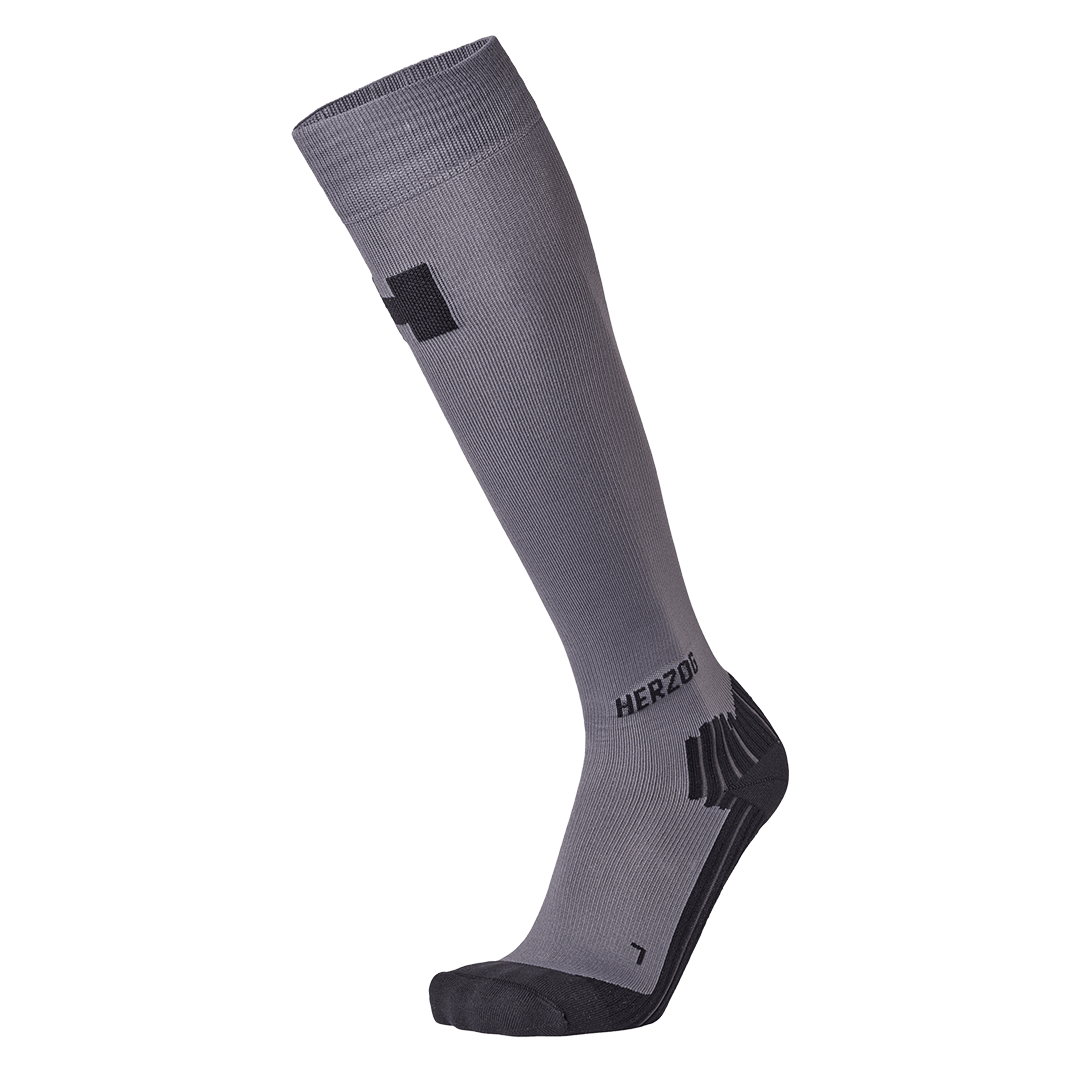
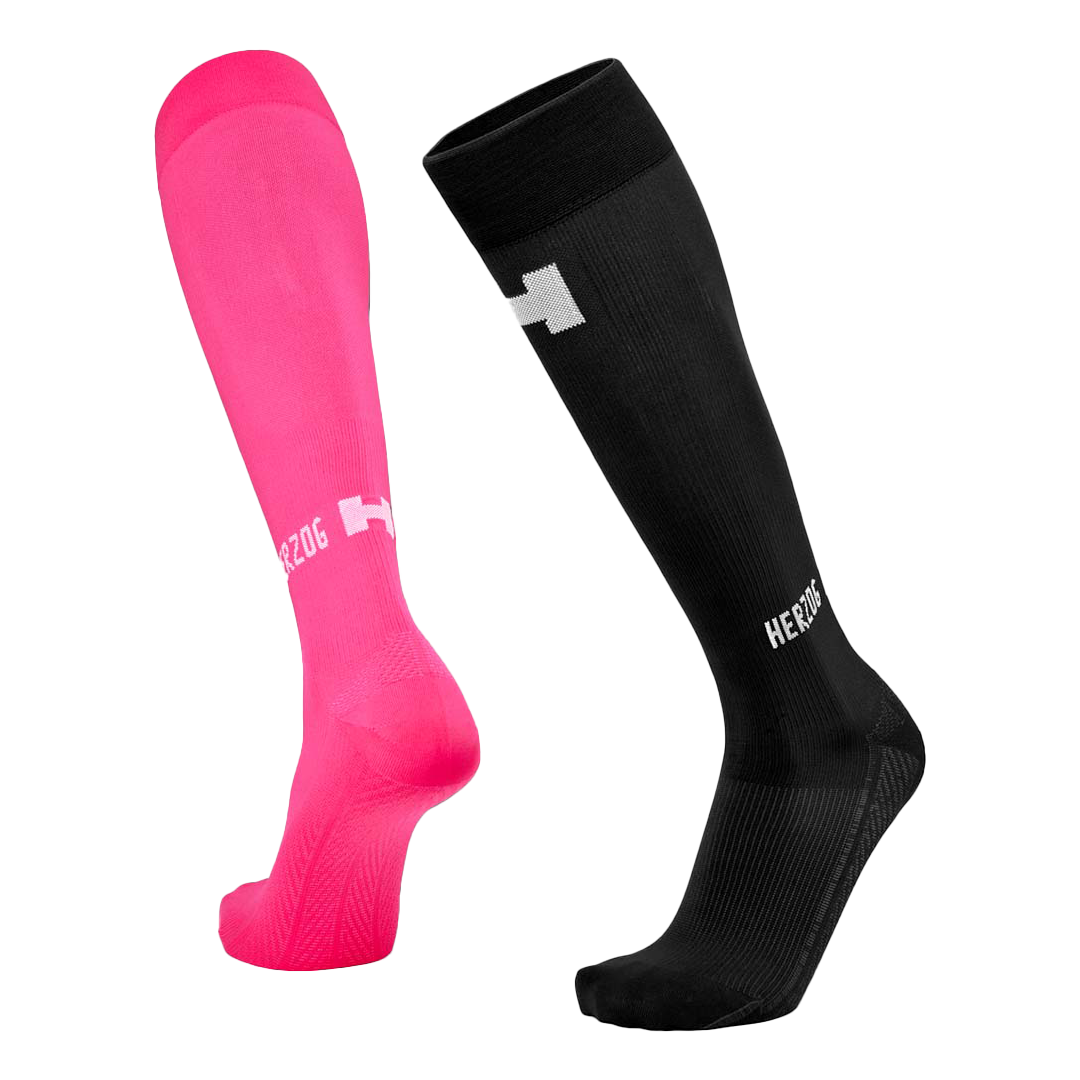
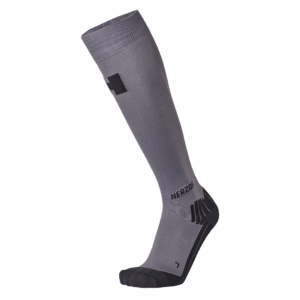
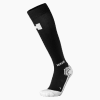
Herzog Support Compression Socks, for example, are designed for long-term comfortable use during travel and daily activities.

Fact 3: Many travelers wear compression socks preventatively

You don't need to have symptoms to wear compression socks during a flight.

Many people use compression socks preventatively to help prevent heavy legs or swollen ankles during travel.

Especially frequent flyers often notice that their legs feel more comfortable during and after the journey.

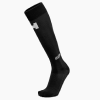
Products in this blog

Side Image

When should you put on compression stockings for a flight?

The best time is right before departure. This way, you support your legs immediately from the moment you start sitting for an extended period.

Additionally, it helps to:

  • move around regularly
  • drink enough water
  • avoid sitting completely still for hours

Herzog Medical: Compression with a medical foundation

At Herzog Medical, compression is not just about sports, but primarily about well-structured compression that supports the legs during daily use and travel.

Our compression stockings combine medical compression technology with wearing comfort for long-term use on the go.

This way, you board the plane more comfortably and often disembark more pleasantly.