Shin splints, or shin splints , are one of the most common injuries in runners, sprinters, and other athletes who frequently slow down or change direction. This condition often develops slowly and seems harmless until symptoms become more pronounced. Therefore, it's especially important to recognize the symptoms of shin splints early.

Read this blog and easily recognize the important signals to avoid persistent problems.

Side Image

The most common symptoms of shin splints

Signs of early shin splints vary, but you can recognize them primarily by discomfort on the inside of the shin. The pain usually developswhile running, walking or jumpingand may increase in intensity. Typical symptoms of shin splints include:

  • Nagging, vague pain along the inside of the shin bone
  • Stabbing or cutting pain with increased loading
  • Sensitivity to touch over the painful area
  • Sometimes mild swelling, warmth or redness
  • Burning sensation in the lower leg
  • Stiffness when standing up or after resting
  • Occasional muscle weakness or pain when moving the foot up

How do the complaints develop?

Shin splints often develop gradually. The pain starts subtly, but becomes more pronounced as the strain increases and the body doesn't have enough time to recover. By paying close attention to the different phases, you can intervene more quickly and prevent worsening.

In the beginning:starting pain that decreases after warming up.
This often feels like a mild, nagging irritation that seems to go away after warming up, which is why many athletes think it's 'not that bad'.

Later:pain persists during and after exertion.
The irritation lasts longer and becomes more intense, especially with repetitive stress such as running or jumping.

Severe stage:Daily exercise (climbing stairs, walking) can already be sensitive.At this stage the overload is clearly visible and even simple movements can feel painful.

Side Image

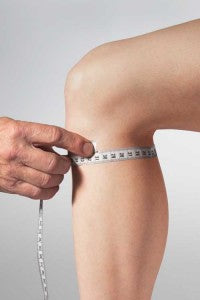
Where exactly is the pain with shin splints?

Shin splints are caused by excessive strain on muscle and tendon structures that pull on the shinbone. Common causes include:

  • building up running kilometers too quickly
  • training on hard surfaces
  • bad or worn running shoes
  • instability or weakness in the foot and calf muscles
  • high jump load

Although the cause of shin complaints varies from athlete to athlete, the symptoms are often very recognisable.

What should you do if you recognize these symptoms?

Recognizing the early signs is the first step, but after that, it's crucial to take immediate action. If you don't change your routine, a mild irritation can quickly escalate into a persistent injury that will sideline you for months. By managing your load and support wisely, you'll give yourself enough rest to recover.

Want to prevent further overload? Here are three measures you can take:

1. Reduce the tax:Give your shins a rest by temporarily reducing your mileage or switching to low-impact sports such as cycling or swimming.

2. Work on strength and stability:Strengthen your calf and foot muscles with specific exercises so that your lower legs can better absorb the shock while running.

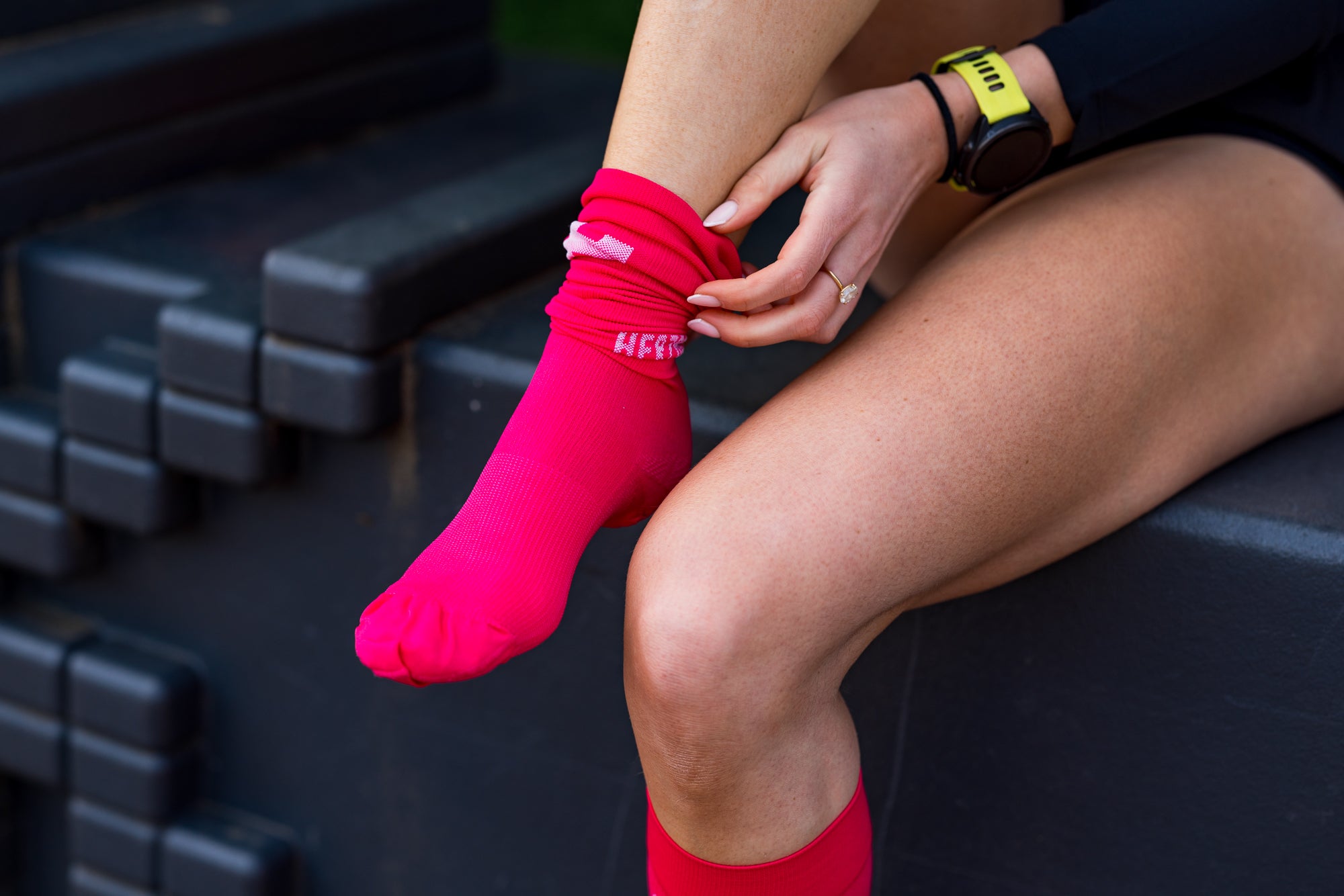
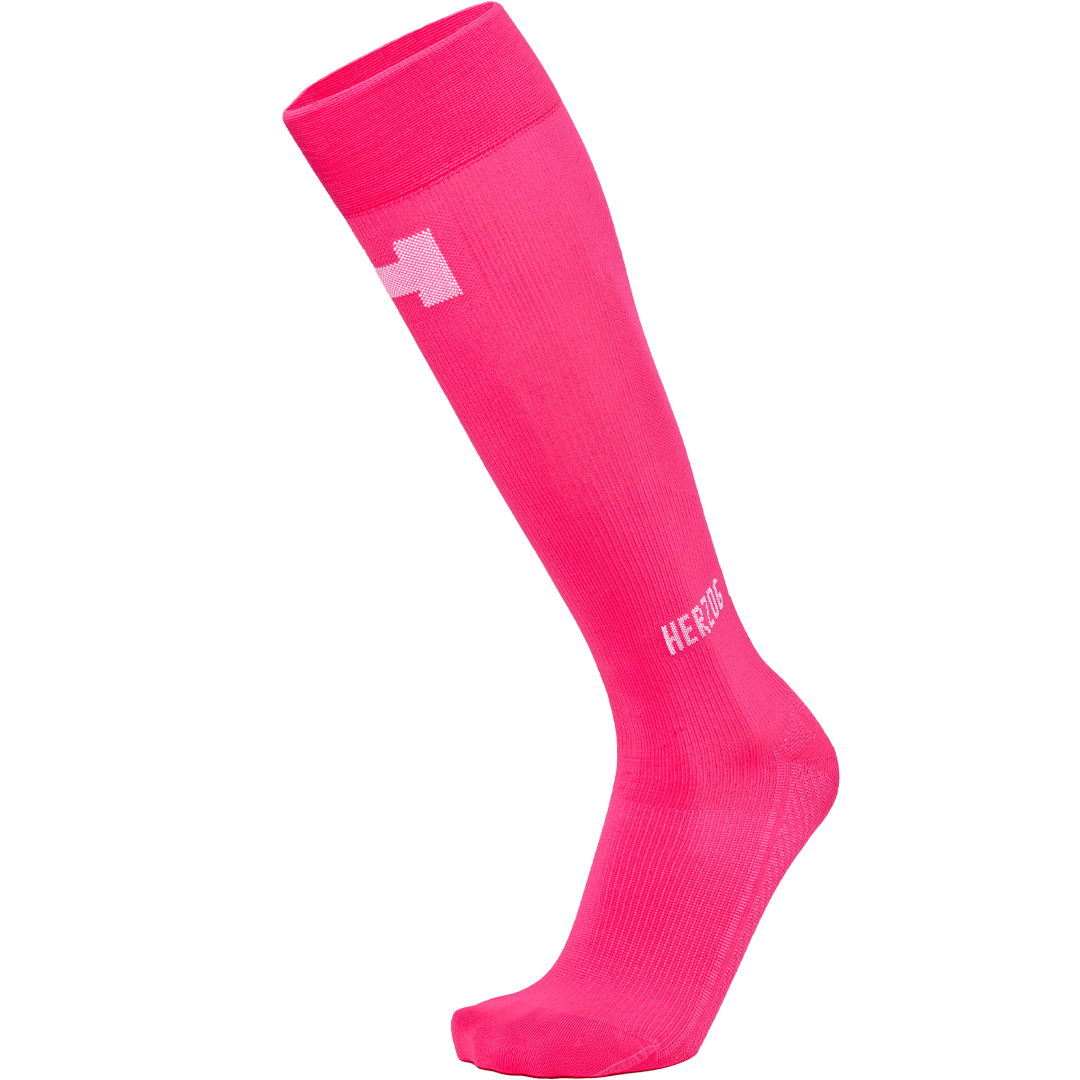
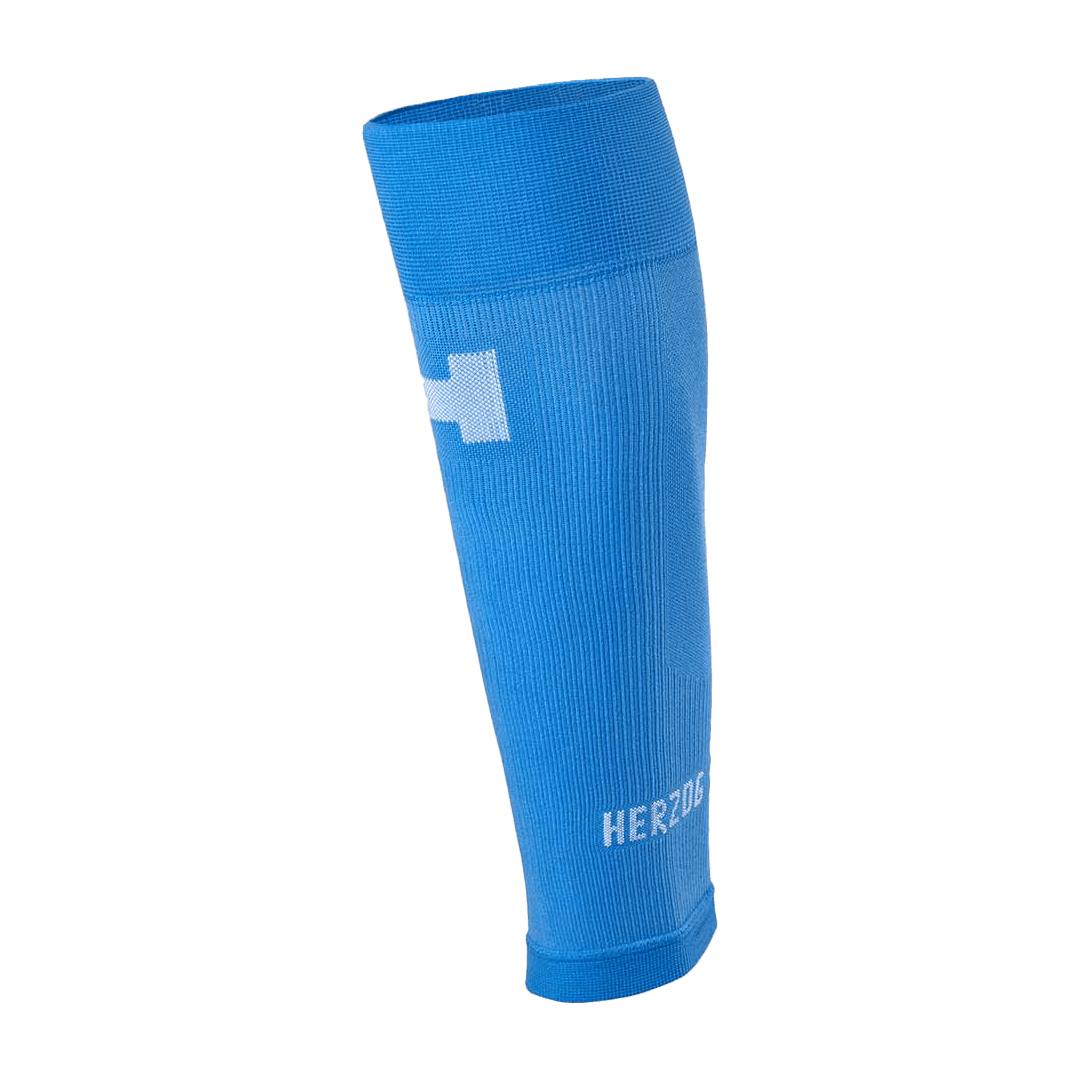
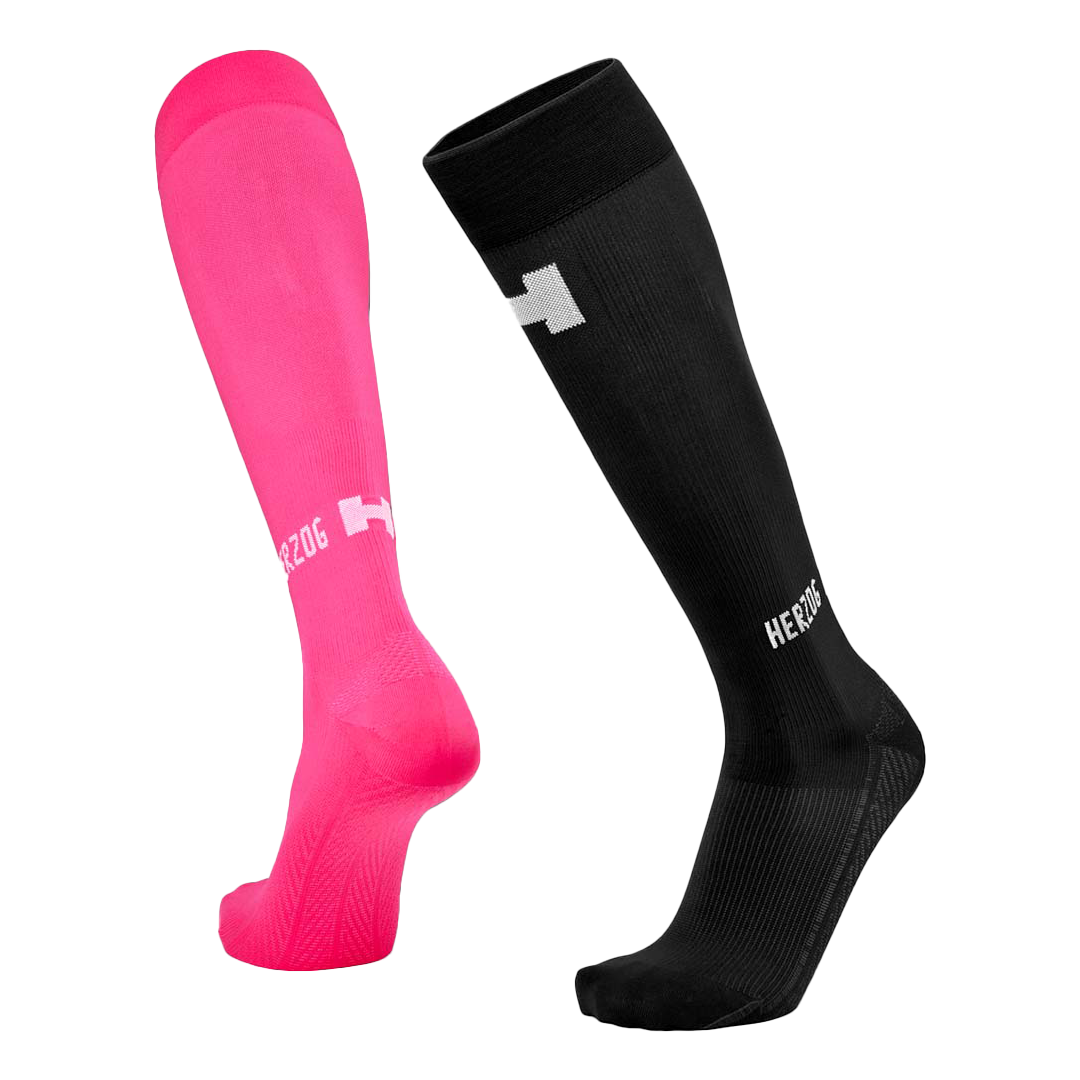
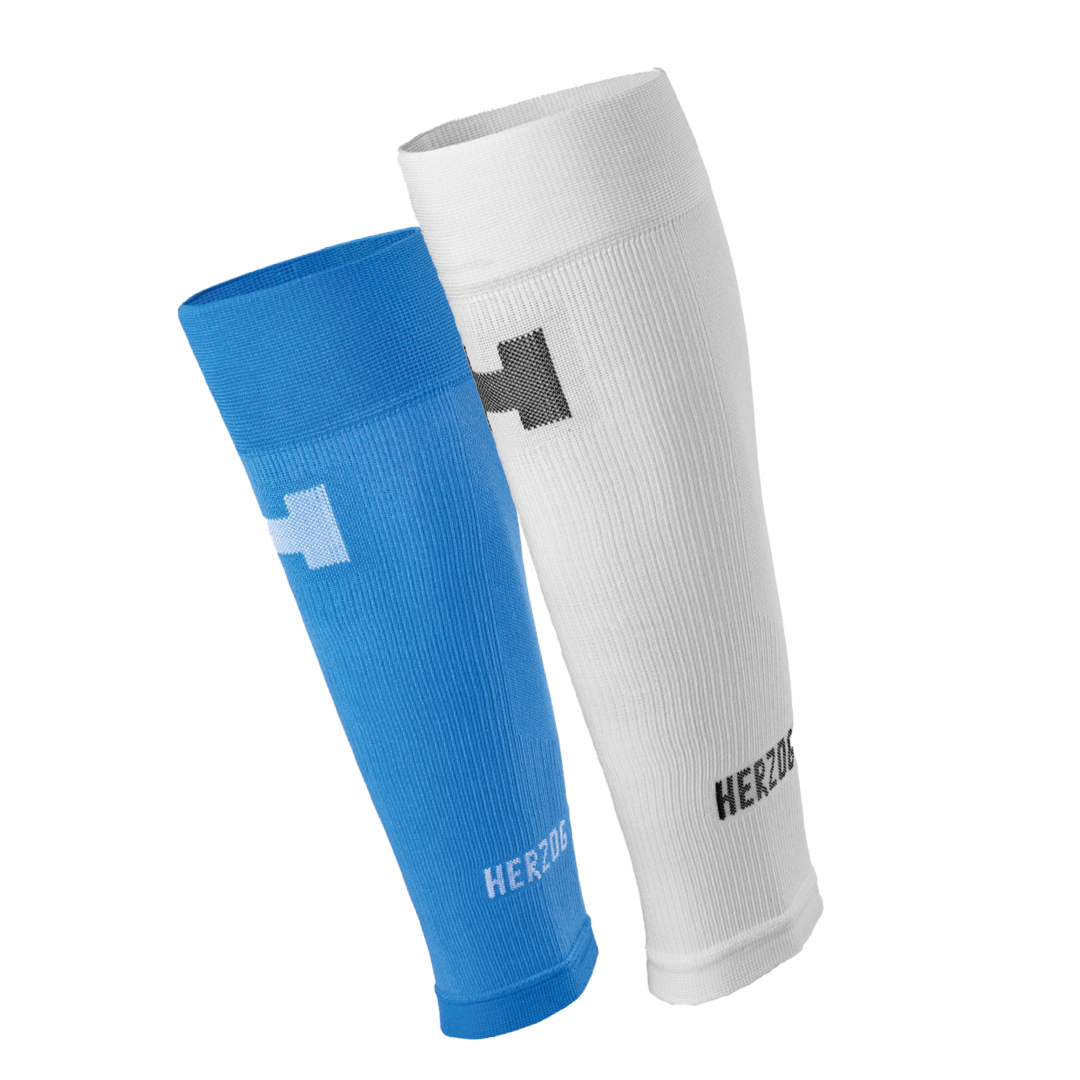
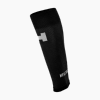
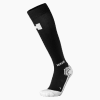
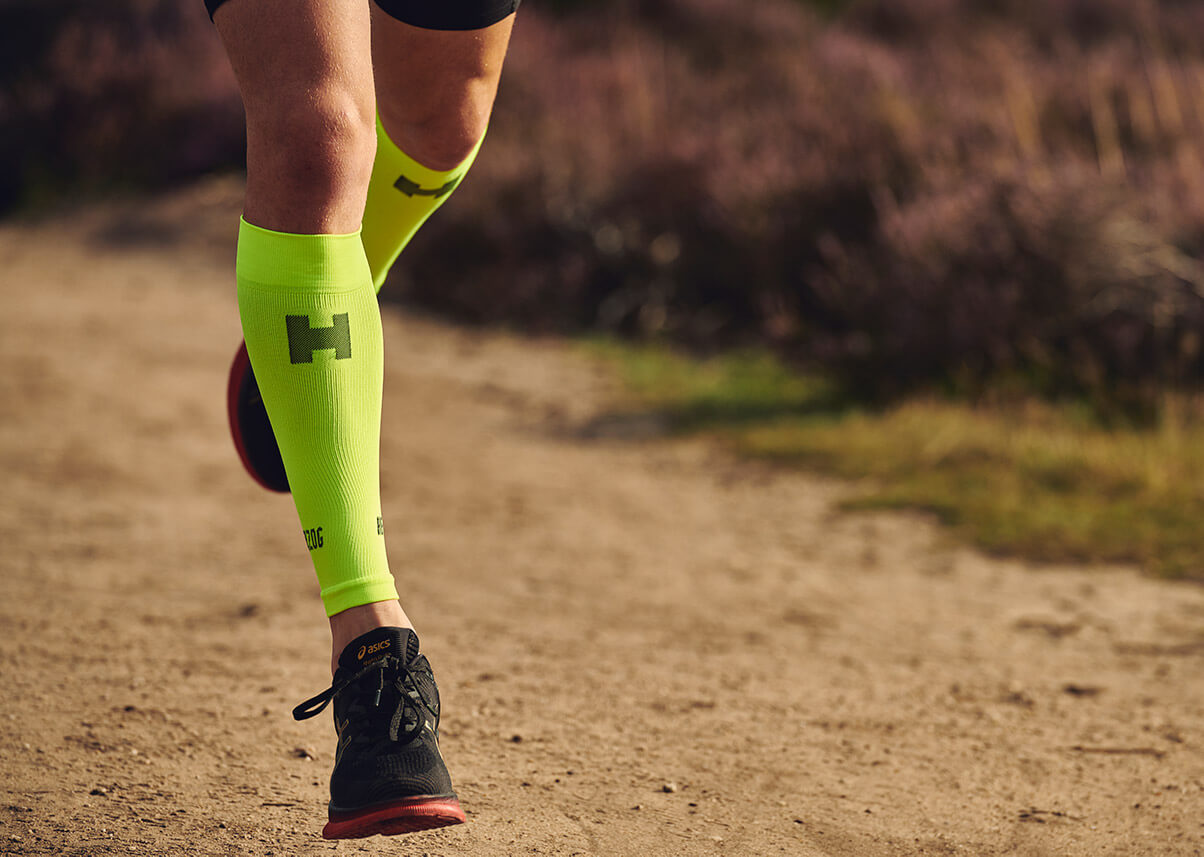
3. Usecompression stockingsfor stability and recovery:The compression keeps the muscle mass compact and reduces the damaging tensile stress on the shinbone, which provides immediate pain relief.

Products in this blog

Recovery from shin splints

Want to recover from emerging or more advanced shin splints? It's important to not overload your muscle group, but to gradually increase its load. If you choose the extra support of Pro Compression Socks, your lower leg will remain much more compact, putting less strain on your shins.

Learn more about Shin Splints recovery

It's therefore important to recognize shin splint symptoms early, as this can prevent a nascent irritation from developing into a persistent injury. Still experiencing some initial discomfort or pain in your shin? Choose to: manage your exercise wisely, strengthen your lower legs, and use additional support where needed to ensure your recovery is under control.

Do you want to optimally protect your shins while exercising? Then take a lookour compression stockings for shin splints