6 Effective tips to prevent and relieve shin splints

Periostitis of shin splints is a common complaint among athletes. This painful condition often occurs when you increase your training intensity and can even radiate into your calf. Fortunately, there are several ways to stay pain-free during training. Read on for 6 effective tips to prevent and relieve shin splints.

Side Image

1. Build up gradually

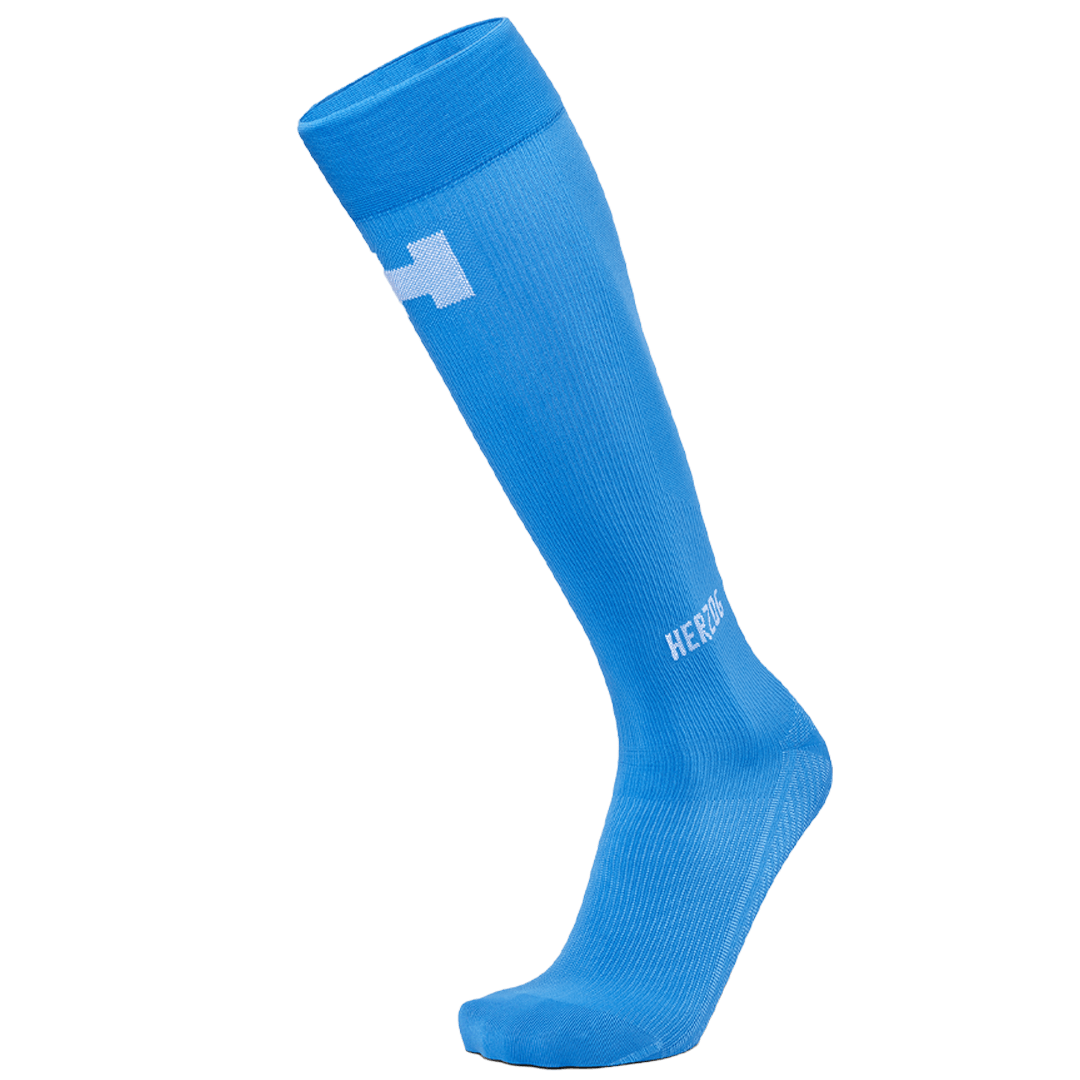
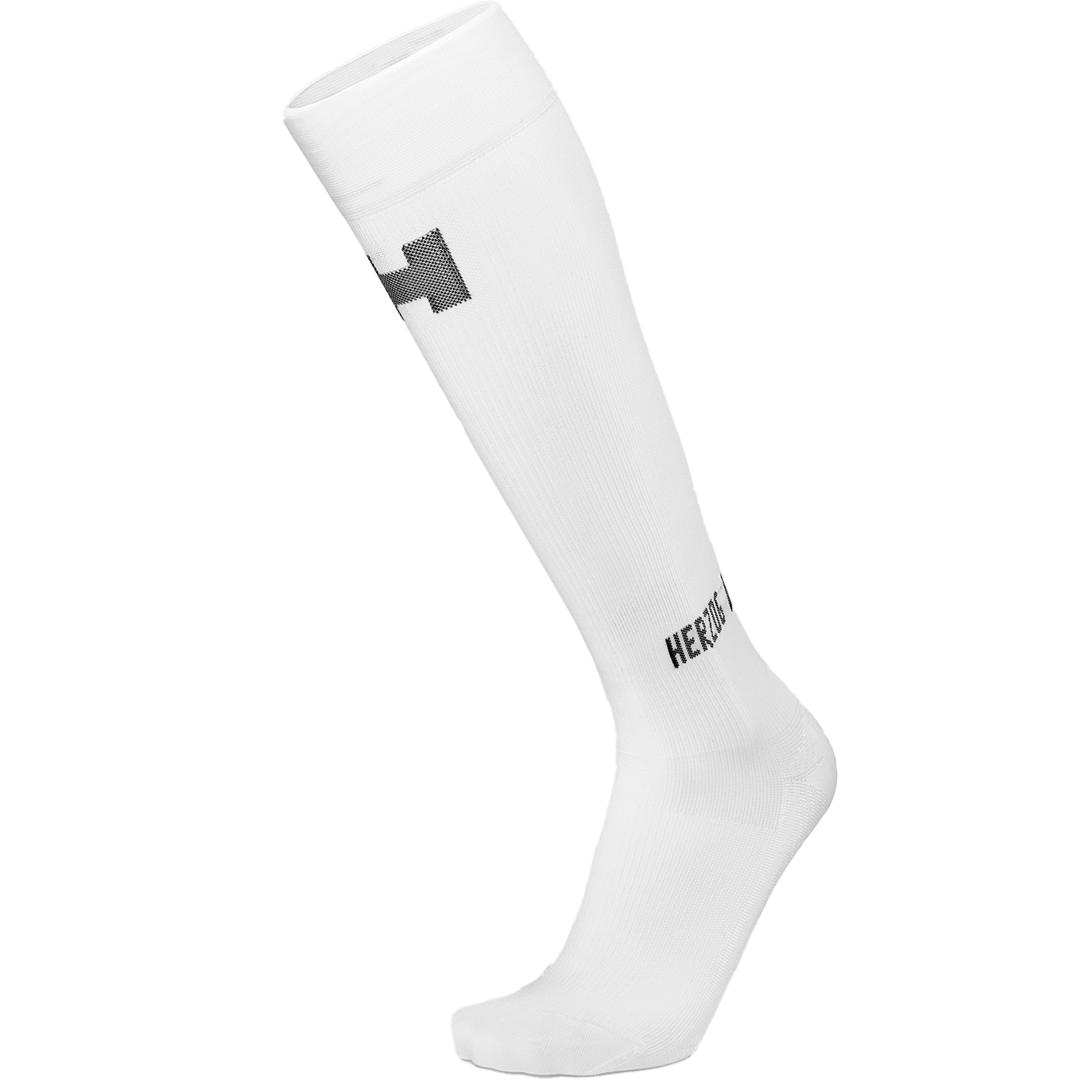
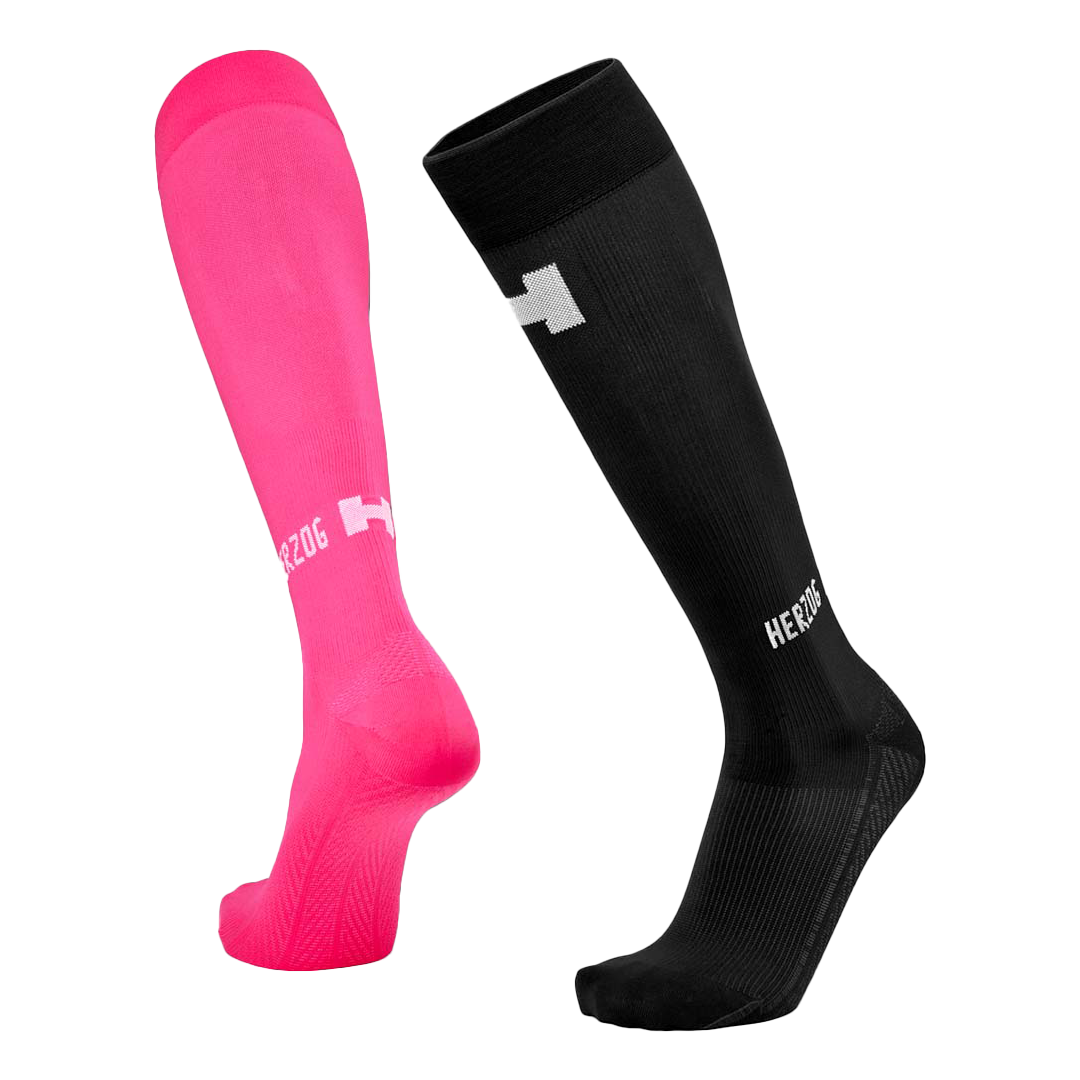
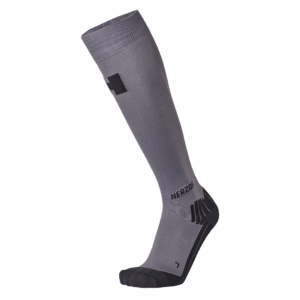
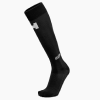
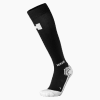
A common cause of shin splints is starting exercise too quickly or too intensely. Give your body enough time to adjust to a new training schedule or higher load. Start with light sessions and gradually build up to more intensive workouts. This helps prevent overuse and gradually strengthens the shin bone. Alternate exertion with sufficient rest and preferably choose a soft surface to minimize impact. Herzog PRO Compression Socksprovide extra support for this: they absorb shocks, improve circulation, and accelerate muscle recovery. This allows you to build up more responsibly without the risk of overuse. Discover how our compression technology works

Side Image

3. Do proper stretching and warming up

Stretching your muscles right before a workout can significantly help to avoid shin pain. Pay extra attention to stretching your calves and shins. Before your workout, for example, walk a few meters on your toes to warm up your calves and on your heels to activate your shins. After your workout, stretching can also relieve pain in your calves and Achilles tendons, as stretching loosens them up.

4. Do strength training to strengthen the muscles

The stronger your lower legs become, the greater the chance that your lower legs can absorb the shocks during running. There are many strength exercises that help strengthen the calves and shins. Consider eccentric calf exercises, where you stand on a bench with your toes and slowly lower your heels. In addition, strength training for the entire legs is also highly recommended in combination with core training. This prevents your lower legs from compensating for a lack of strength in another body part and thus becoming overloaded.

Products in this blog

Side Image

5. Apply ice to the painful area

Experiencing extra pain in your shins after a workout? Applying ice to the painful area for about 10-15 minutes can help relieve the pain. Cool the shins about 3 times a day. Cooling helps the inflammation subside more quickly due to improved blood circulation. After cooling, put on the Herzog PRO Compression Stockings for a while to help the inflammation subside as quickly as possible. This ensures better blood circulation and thus helps the heart remove waste products from the lower legs.

6. Ensure sufficient stability of the lower leg

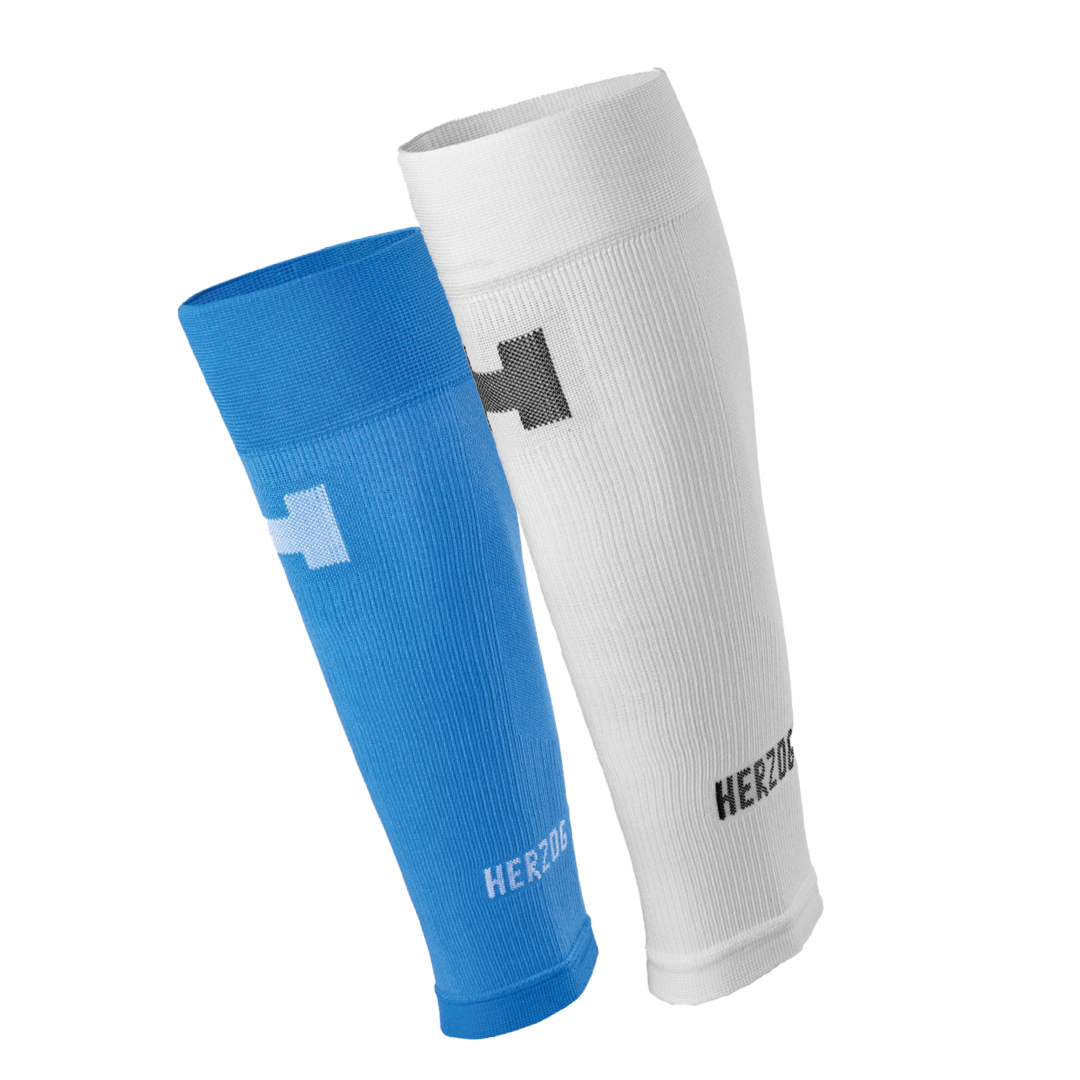
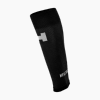
It is important that your lower leg is well supported. When running, your lower leg is subjected to significant shocks. The muscles attached to the shin bone are heavily strained and can eventually become inflamed, causing shin splints. View the collection of compression stockings suitable forShin Splints, they help keep your lower leg together and offer extra support.

Extra tip:

Despite all the advice above, are you still suffering from shin splints? Then you can try amassage gunto relax the muscles around your shin. The vibrations from the massage gun help to release muscle knots and improve blood circulation. This can provide relief from persistent tension in the lower legs and somewhat speed up your recovery process.Please noteand use the massage gun with care, preferably at a low intensity, and avoid direct pressure on the bone itself.

By applying these tips and paying attention to your body and training techniques, you can prevent shin splints and reduce pain. If the pain worsens or persists, consult a physiotherapist or doctor. Good luck and keep exercising pain-free!

Relevant blogs

Het hysterese-effect van Herzog compressiekousen: wat betekent het?
The hysteresis effect of Herzog compression stockings: what does it mean?

Discover how the hysteresis effect in the yarn of Herzog compression stockings works and why it is important during movement.

Op weg naar de Amsterdam City Walk met Herzog Medical

De Amsterdam City Walk komt eraan! Ontdek hoe je je voorbereidt op een lange wandeltocht en waarom aandacht voor je voeten, benen en herstel belangrijk is.

Compressiekousen bij een spierscheur: helpen ze bij het herstel?
Compression stockings for a muscle tear: do they help with recovery?

Discover what compression stockings can do for a muscle tear and during your recovery.

Eerste HYROX? Dit moet je weten voordat je begint
First HYROX? Here's what you need to know before you start

First HYROX on the schedule? Discover what to expect and how to prepare your body properly.

Compressiekousen bij reuma: kunnen ze ondersteuning bieden?
Compression stockings for rheumatism: can they offer support?

Pain, stiffness, swelling, or tired legs? Discover what rheumatism does to your body and what compression stockings can do for you.

Waarom dragen steeds meer voetballers compressieshorts?
Why are more and more footballers wearing compression shorts?

Discover why more and more footballers are wearing compression shorts and how targeted compression can provide support during training and matches.

Van halve naar hele marathon: waar moet je lichaam aan wennen?
From half to full marathon: what does your body need to get used to?

Discover what your body needs to get used to, what symptoms may arise, and how to properly prepare yourself for 42.2 kilometers.

Waarom sporters tijdens lange afstanden vaker compressie dragen
Why athletes more often wear compression during long distances

Discover why athletes in marathons, trail runs, and long walks increasingly wear compression and what it does for the calf and ankle.

Liesklachten bij hardlopen: waar komt het vandaan?
Groin pain during running: where does it come from?

Discover the causes of groin pain when running, which muscles are involved, and how to specifically recover and rebuild.

Peesplaatklachten: symptomen, oorzaken en wat je eraan kunt doen
Plantar Fasciitis: symptoms, causes, and what you can do about it

Read about plantar fasciitis, its symptoms, causes, and how to alleviate the discomfort.