Background Image

Heel spur

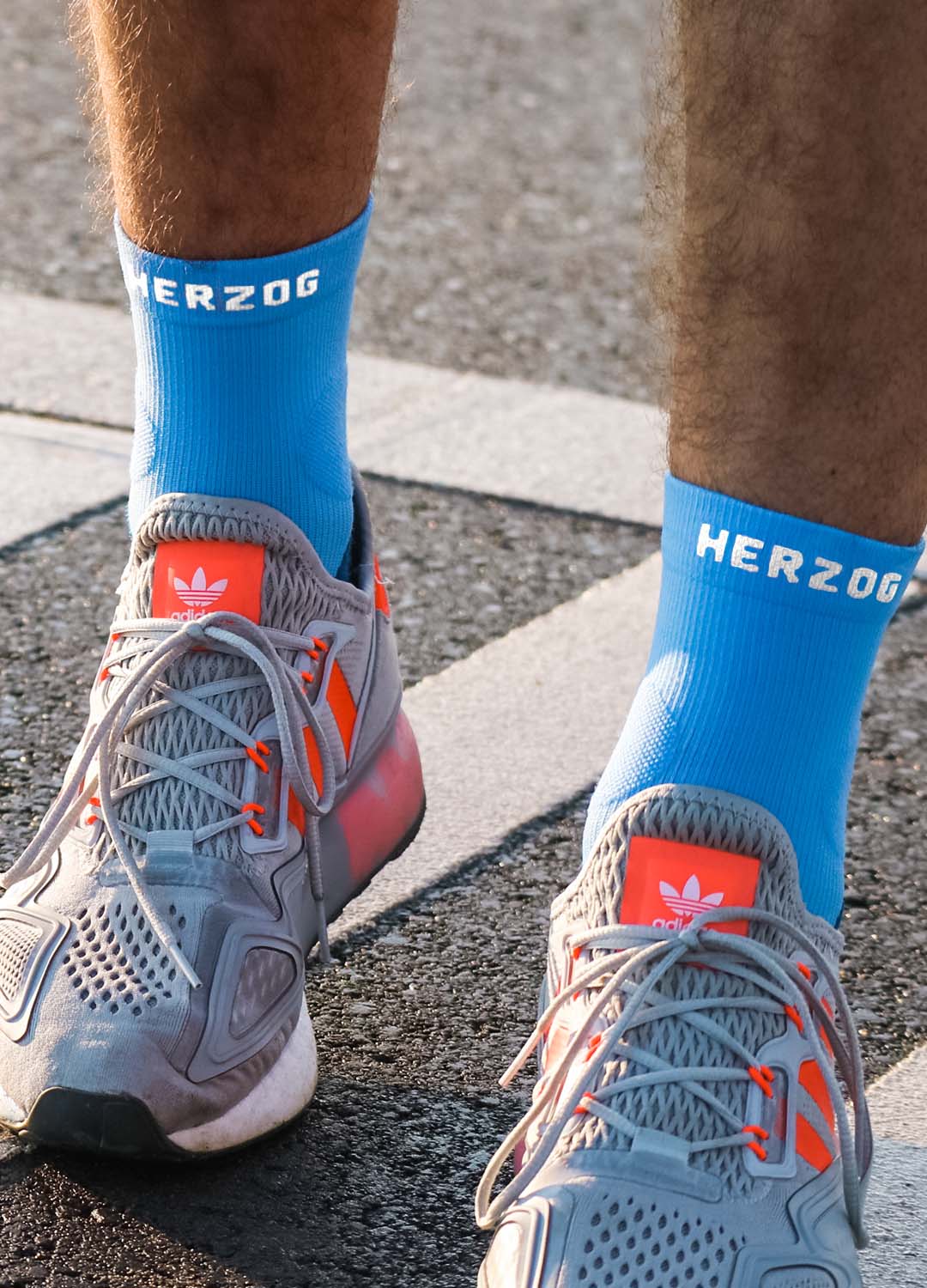
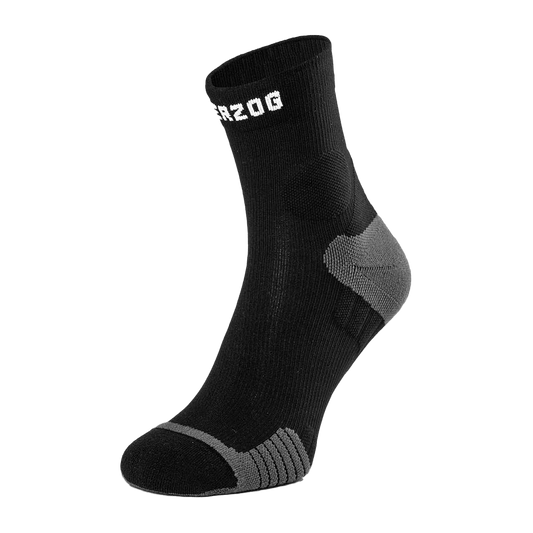
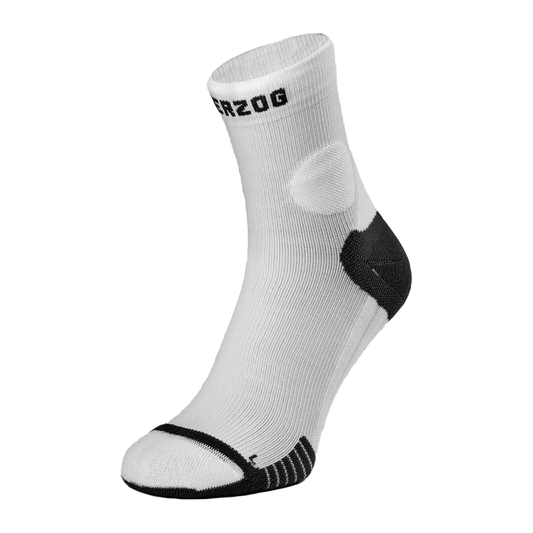
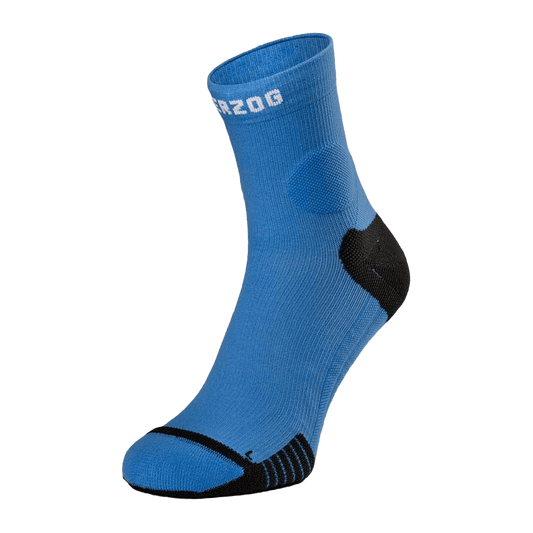
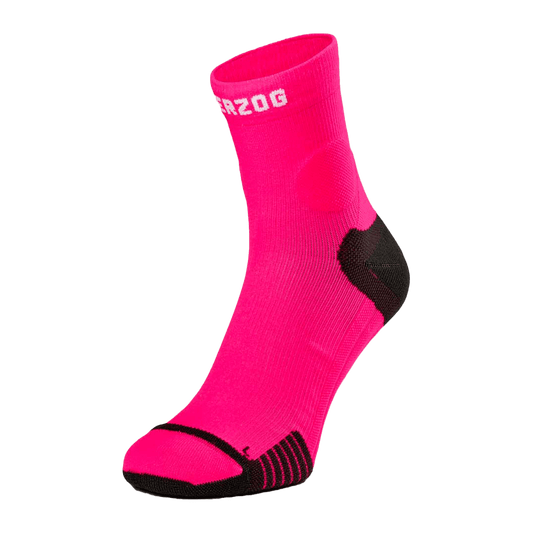
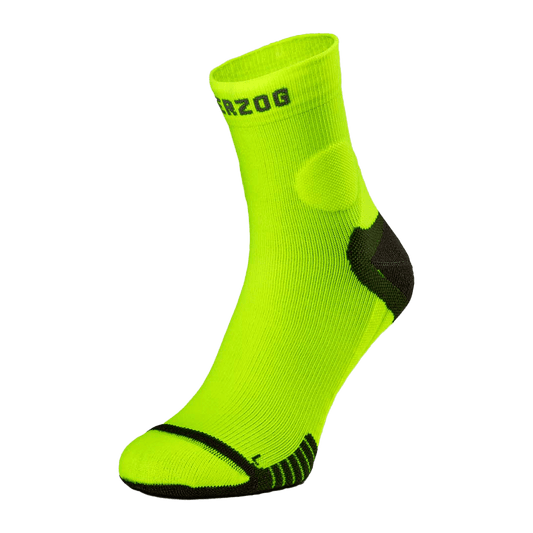
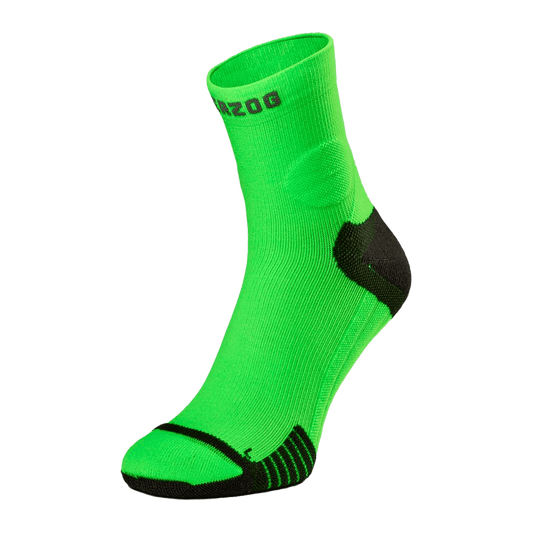
Do you have severe pain in your heel when walking? A stabbing feeling under your foot? Are your first steps stiff and painful when you get up? There may be irritation or early inflammation of the tendon leaf of the sole of the foot, usually under the heel. This is called heel spurs. The Herzog PRO Compression Ankle Socks help prevent and repair heel spurs.

What causes heel spurs?

Overload is the main cause of heel spurs. Under the foot runs the tendon that connects the heel bone to the ball of the forefoot and keeps the arch of the foot in tension. Standing for hours on the wrong footwear increases this tension. When the pressure becomes too great, for example due to excess weight or sagging feet, cracks occur at the attachment to the bone. In response, the body deposits a 'spur': a piece of bone on the heel bone to strengthen the attachment of the tendon. This is the beginning of heel spurs.

Plantar fasciitis is often mentioned in the same breath as heel spurs, which is wrong. Heel spur is the protruding piece of bone on the heel bone, but the pain does not come from there. The real culprit is an irritated or inflamed tendon leaf. Heel spurs are therefore the consequence and not the cause. Heel spurs are harmless in themselves. Only when the tissue of the tendon leaf becomes inflamed will you experience severe pain under the heel.

Side Image

Treating heel spurs

Inflammation of the tendon plate can be caused by old age, diabetes, flat feet or arch feet. It can also occur when running, especially if you wear shoes that do not absorb enough shock or provide little support, putting a lot of strain on the heel bone. A suitable tool to treat heel spurs are the Herzog Compression Ankle Socks. These provide firm compression to the arch of the foot and around the heel-instep line. The tendon sheet that connects the heel bone to the ball of the forefoot runs under the foot. The extra compression is important to maintain the natural curvature of the sole of the foot and to relieve the load on the tendon plate, causing the arch of the foot to sag less.

Side Image

Heel pain and related foot injuries

Heel spurs are caused by stress and repetitive use. Explore how this connects to other injuries and how compression offers relief and recovery.

→ See all injury types
Side Image
Expert Image

Cor Lambregts

Former marathon champion

"I don't often advertise, but these are really great socks. Not that they make you run faster... no, not that, but since I started wearing them, I no longer have problems with my heel spurs. Something that has bothered me for more than three years. My enjoyment of running is back and... on balance you are running faster again!!"

"I don't often advertise, but these are really great socks. Not that they make you run faster... no, not that, but since I started wearing them, I no longer have problems with my heel spurs. Something that has bothered me for more than three years. My enjoyment of running is back and... on balance you are running faster again!!"

Marathon
Do the Herzog PRO Compression Ankle Socks also help with heel spurs?

Yes, heel spur complaints often arise from temporary or long-term overload of the plantar tendon. With these problems it is important that the tendon plate is relieved. The ankle sock prevents irritation of the tendon plate under the foot and keeps the arch of the foot in tension. The ankle sock also provides firm compression on the arch of the foot and around the heel-instep line, which maintains the natural curve of the sole of the foot.

01
Pain under the heel while walking: is it plantar fasciitis?

Pain under the heel while walking is one of the most common symptoms of heel spur, also known as plantar fasciitis. Pain especially during the first steps in the morning or after prolonged sitting is characteristic. Many people feel a stabbing or dull ache under the heel that can worsen during walking, running, or long periods of standing.

The complaints usually arise from overuse of the plantar fascia under the foot. This is common among runners, walkers, and people who stand a lot or exercise. Stiff calf muscles, incorrect footwear, or a rapid increase in training intensity can also contribute to heel spur.

Not every heel pain immediately means heel spur. Sometimes irritations of the Achilles tendon, the fat pad under the heel, or other foot complaints also play a role. If the complaints persist or the pain worsens, it is advisable to consult a specialist.

Many athletes also opt for extra support for the arch and plantar fascia, for example with compression around the foot and ankle during exercise.

02
What is a heel spur and how do you recognize it?

Heel spur is a common foot complaint causing pain under the heel. In most cases, it is actually an irritation or overuse of the plantar fascia, the band of tissue under the foot. This fascia runs from the heel to the toes and absorbs a lot of stress during walking and running.

Many people recognize heel spur by a sharp or stabbing pain under the heel. The first steps in the morning or after prolonged sitting often feel particularly painful. The pain may sometimes lessen during movement, but after prolonged walking, running, or standing, the symptoms often return.

Common symptoms of heel spur include:

  • Pain under the heel when getting up
  • Stabbing pain while walking
  • Tender or burning sole of the foot
  • Heel pain while running or hiking
  • Pain after prolonged standing
  • Tight feeling under the foot

Heel spur often develops due to prolonged overuse. This is common among runners, walkers, and people with jobs that require standing for long periods. Stiff calves, incorrect shoes, or a rapid increase in training intensity can also contribute to the symptoms.

Many athletes with heel spur opt for extra support for the foot and ankle during movement, for example, with compression around the arch and plantar fascia.

03
Runner's heel spur: how does it develop?

Heel spurs are common among runners. The complaint usually arises from prolonged overuse of the plantar fascia, the band of tissue under the foot. This strong band runs from the heel to the toes and helps absorb shock during running.

With every step, the foot experiences significant impact. When the load exceeds what the foot and calf muscles can handle, small irritations can occur in the plantar fascia. This eventually leads to pain under the heel, especially with the first steps in the morning or during walking.

In runners, heel spurs often develop due to a combination of factors, such as:

  • Too rapid an increase in training load
  • Running many miles without sufficient recovery
  • Running on hard surfaces
  • Worn-out or incorrect running shoes
  • Stiff calf muscles or Achilles tendons
  • Reduced ankle mobility
  • Overpronation or an abnormal foot position

Many runners first notice the complaints during or after longer runs. Initially, it often feels like a dull ache or stiffness under the heel. As the irritation increases, the pain can become sharper and persist even during daily activities.

Because the calves, Achilles tendon, and plantar fascia are closely connected, tension and fatigue in the lower legs often play a significant role in heel spurs. Therefore, many runners opt for extra arch and ankle support during running, for example, with compression around the foot and ankle.

04
Heel spur or plantar fasciitis: what's the difference?

The terms heel spur and plantar fasciitis are often used interchangeably, but they don't mean exactly the same thing. However, both conditions are closely related.

In plantar fasciitis (also called fasciitis plantaris), the plantar fascia under the foot is irritated or overstressed. This plantar fascia runs from the heel to the toes and helps the foot absorb shock during walking and running. Prolonged stress can cause small injuries, leading to pain under the heel or sole of the foot.

A heel spur actually refers to a small calcification or bone outgrowth on the heel bone. This calcification can develop due to prolonged pulling of the plantar fascia on the heel. It is sometimes visible on an X-ray.

Important to know: many people have a heel spur without symptoms, while others experience significant heel pain without visible calcification. Therefore, in practice, the pain usually originates from the irritated plantar fascia and not from the bone outgrowth itself.

The symptoms are very similar:

  • pain under the heel
  • pain with the first steps in the morning
  • stabbing pain while walking
  • discomfort when running or standing for long periods

That's why today, the terms plantar fasciitis or plantar fascia complaints are more often used instead of just heel spur.

For both heel spurs and plantar fasciitis, recovery usually involves reducing overuse, improving mobility, and supporting the foot during movement. Many athletes opt for extra support around the arch and ankle, for example, with compression during running or walking.

05
How do you recognize the first symptoms of heel spur?

The initial symptoms of heel spur often develop gradually. In the beginning, many people only feel some mild irritation or stiffness under the heel, especially after exertion. As the symptoms increase, the pain may become more frequently present during walking, exercising, or prolonged standing.

One of the first signs of a heel spur is pain with the first steps in the morning. Many people then feel a sharp or stabbing pain under the heel, which later subsides somewhat as the foot warms up. After sitting for a long time or driving, the first steps can also feel sensitive.

Common symptoms of early heel spur include:

  • Pain under the heel when standing up
  • A dull or stabbing heel pain during walking
  • Sensitive sole of the foot after running or walking
  • Stiff feeling under the foot
  • Pain after prolonged standing
  • Increasing complaints during sports

For runners, the complaints often arise after a period of more intense training or a rapid increase in mileage. Stiff calves, incorrect shoes, or walking a lot on hard surfaces can also play a role.

Many people wait too long to ease up or adjust their activity. As a result, a slight irritation of the plantar fascia under the foot can eventually develop into prolonged heel spur complaints.

Precisely in an early stage, many athletes opt for extra support for the foot and ankle during movement, for example with compression around the arch and plantar fascia.

06
Can you keep exercising with a heel spur?

Yes, in many cases, you can continue to exercise with a heel spur, but it's important to manage the load carefully. Complete cessation of movement is usually not necessary unless the pain is very severe. However, it is advisable to temporarily train less intensively and listen carefully to your body's signals.

Heel spurs often arise from overuse of the plantar fascia under the foot. If you continue with the same training intensity while the symptoms worsen, the irritation can increase, and recovery may take longer.

Many athletes notice that certain types of load cause more complaints. Especially long distances, sprint training, hill training, and running on hard surfaces can put extra strain on the heel and plantar fascia. As a result, symptoms often increase during or after exercise.

Moving within the pain threshold is usually possible. Many runners temporarily choose to reduce their mileage, schedule extra rest days, or add alternative training like cycling or swimming. A more gradual training build-up also often helps to reduce the load on the foot.

Additionally, recovery, mobility, and foot support play an important role. Many athletes with heel spurs therefore opt for extra support around the arch and ankle during exercise, for example, with compression around the foot and plantar fascia.

If the symptoms increase or if you also experience pain during daily activities, it is advisable to take more rest temporarily and consult a specialist.

07
Right Image