Swollen ankles? Here’s how fluid gets stuck in your legs

Many people recognise the feeling of having been on their feet all day, only to find in the evening that their socks have left an imprint on their skin. Your ankles feel thicker, your legs heavier, and that bloated feeling doesn't simply disappear as soon as you sit down. Fluid retention in the lower legs is a common phenomenon and usually harmless, but it can be bothersome in daily life.

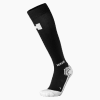
This fluid retention in the ankles and lower legs is often caused by prolonged standing, sitting, or heat, which slows down circulation in your legs. At Herzog, we see daily how people with sedentary jobs or demanding careers suffer from this, and how targeted compression, such as in Herzog compression socks, can contribute to a lighter feeling in the legs at the end of the day.

Side Image

What happens in your body that causes fluid retention?

Your veins transport blood from your legs back to your heart, and this goes against gravity. Small valves in the veins and the pumping action of your calf muscles assist with this. If you stand or sit for a long time without moving much, this pump works less effectively, and fluid is more likely to accumulate in the tissue around your ankles. You particularly notice this at the end of the day, when the swelling is most noticeable and your shoes feel tighter than in the morning.

In addition to the veins, the lymphatic system also plays a role. This system drains excess fluid and waste products from the tissue. In warm weather, after a long flight, or during hormonal fluctuations, this system can temporarily work more slowly, causing fluid to accumulate in the lower legs and ankles. Eating salty foods or exercising too little can also contribute to this accumulation. The result is often a tight, tense feeling and a clear indentation when you press on the skin, which is known as pitting edema.

Some people notice this more quickly than others, for example due to a sedentary job, frequent travel, or a predisposition to swollen ankles. Age also plays a role, as the walls of veins and valves become less flexible with age. This doesn't mean that swelling always indicates a problem, but it is good to know what the cause might be in your situation. Herzog has been developing products for years that take these various causes into account, from sports to an office job.

• Sitting or standing for a long time without much movement

• Warm weather or a long flight

• Hormonal fluctuations, for example during your cycle or pregnancy

• Too much salt in your diet

• Reduced valve function in the veins due to age

Side Image

When is fluid retention harmless and when should you pay more attention?

In most cases, a swollen ankle at the end of the day is no cause for concern. It often disappears on its own after a night's sleep, especially if you move enough during the day and elevate your legs occasionally. This type of temporary swelling is related to posture and activity, and is something almost everyone experiences sometimes, regardless of age or health. It is a normal reaction of your body to prolonged strain on the legs.

However, be alert if the swelling persists, is on one side, or is accompanied by redness, warmth, or pain. This may indicate something other than ordinary fluid retention, such asthrombosisor inflamed veins. Also, ifvaricose veinsbecome heavier or more painful, or if swelling does not subside after rest, it is advisable to consult a doctor. Self-diagnosis based on symptoms alone is not recommended.

Persistent swelling that does not respond to rest or elevating the leg may also indicate a form of edema that warrants further investigation. This is especially true if the swelling is accompanied by shortness of breath, a heavy feeling in the chest, or a sudden increase in a short time. In that case, an appointment with your general practitioner or a specialist is the right step, instead of waiting to see if it goes away on its own. Early investigation provides clarity about what exactly is going on.

• Swelling that does not subside after a night's sleep

• Redness, warmth, or pain in one leg

• Sudden increase in swelling in a short time

• Shortness of breath in combination with swollen legs

• Varicose veins that clearly worsen

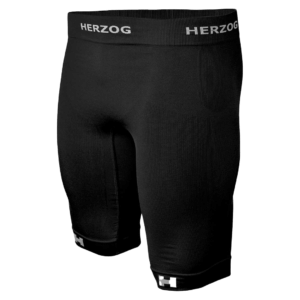
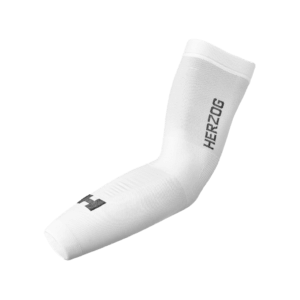
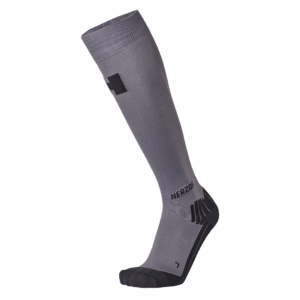
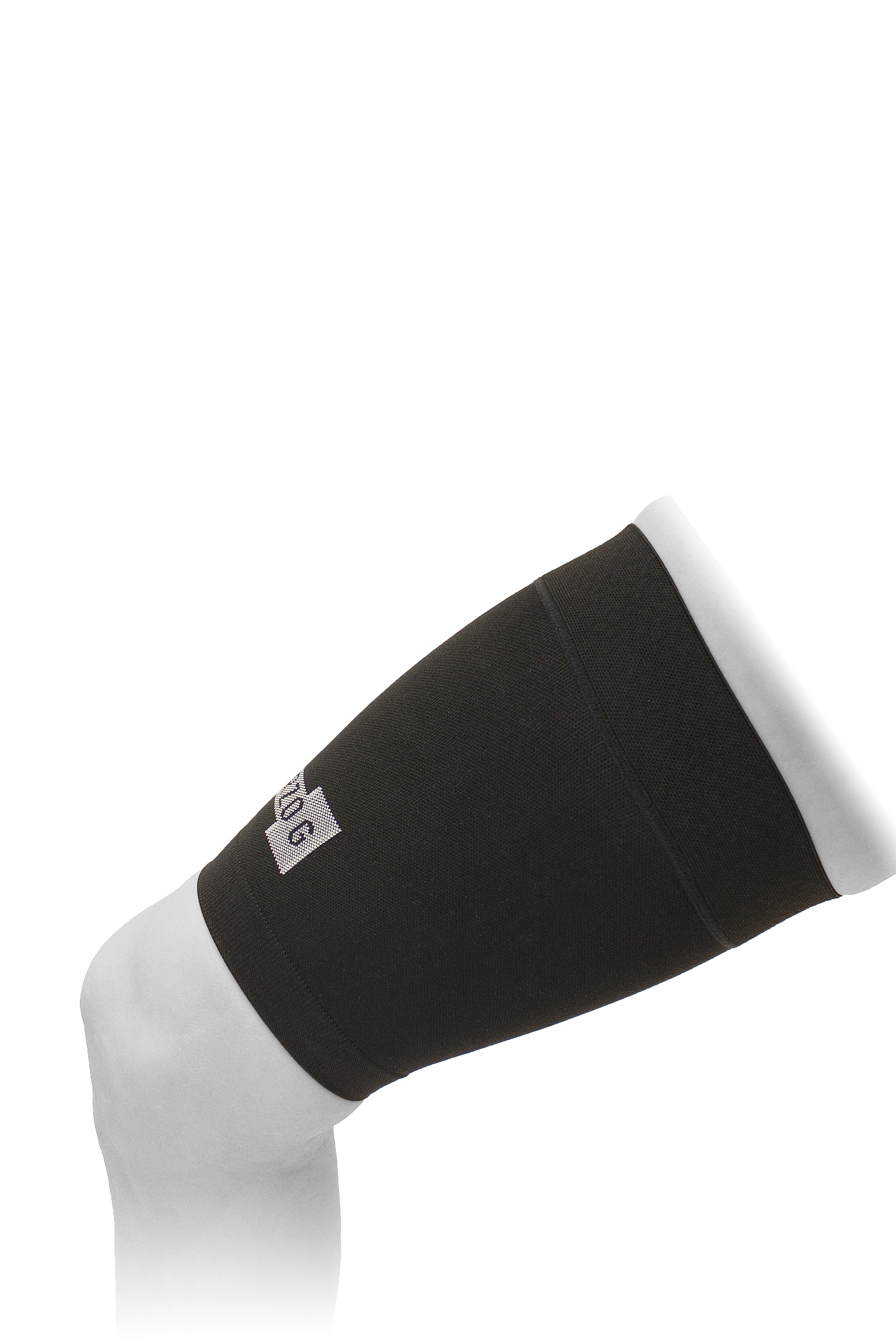
Products in this blog

Side Image

What can you do yourself to combat fluid retention in your ankles?

Movement is one of the most effective ways to keep the circulation in your legs going. Every step activates the calf muscle, which acts like a pump, pushing blood towards your heart. If you sit a lot for work, it helps to stand up every hour, walk a short distance, or rotate your feet. Evening walks, drinking enough water, and comfortable footwear also make a difference, as does avoiding constricting clothing around your legs.

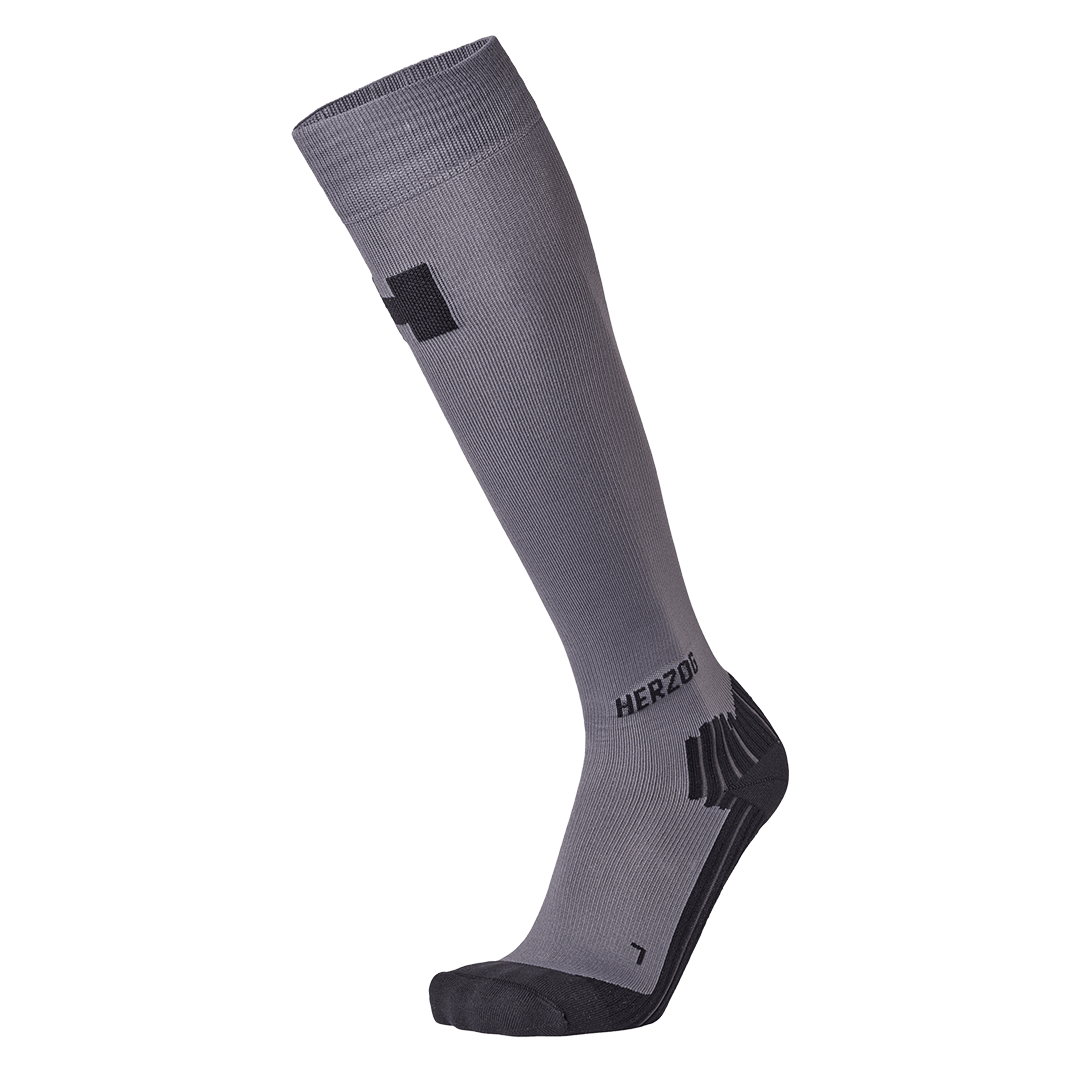
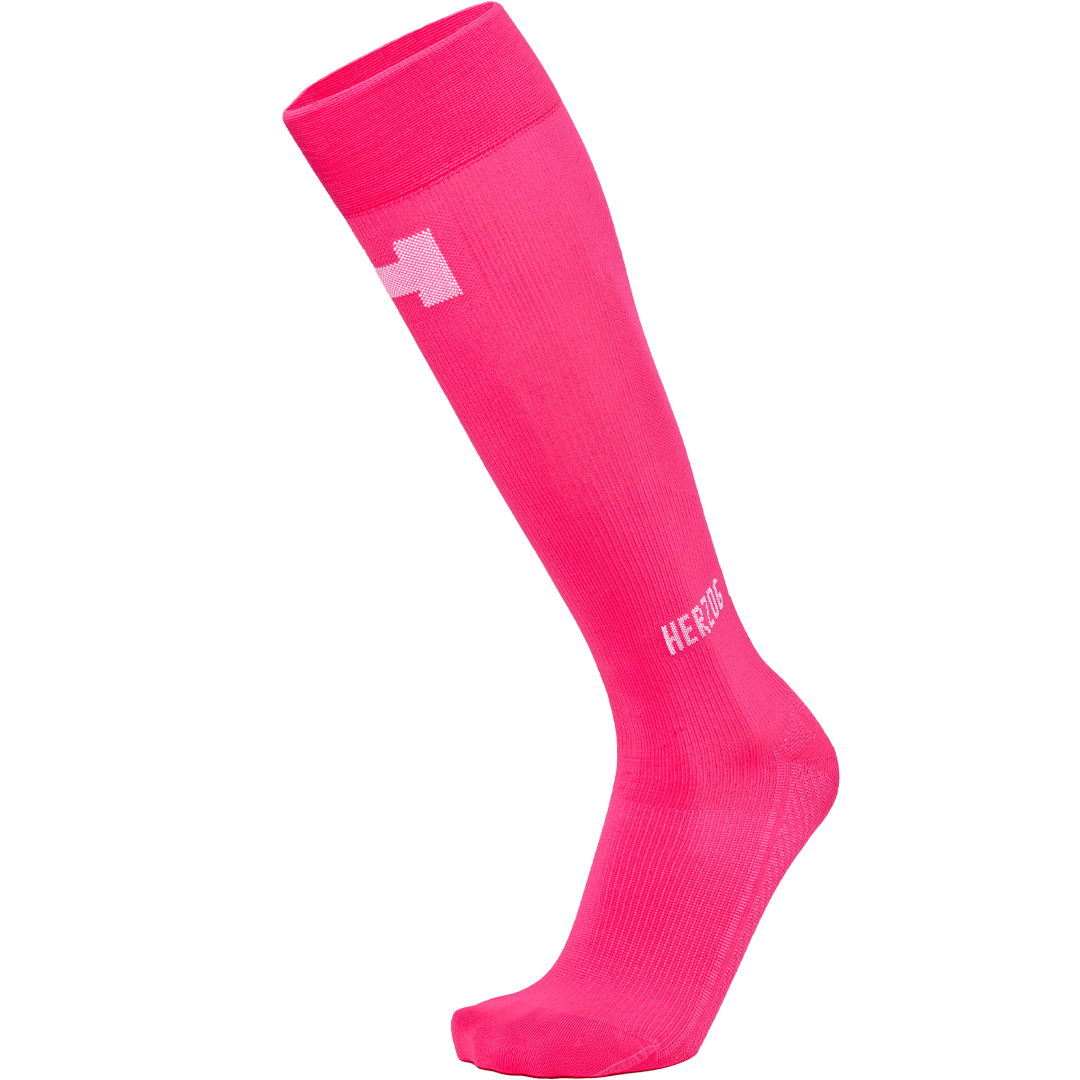
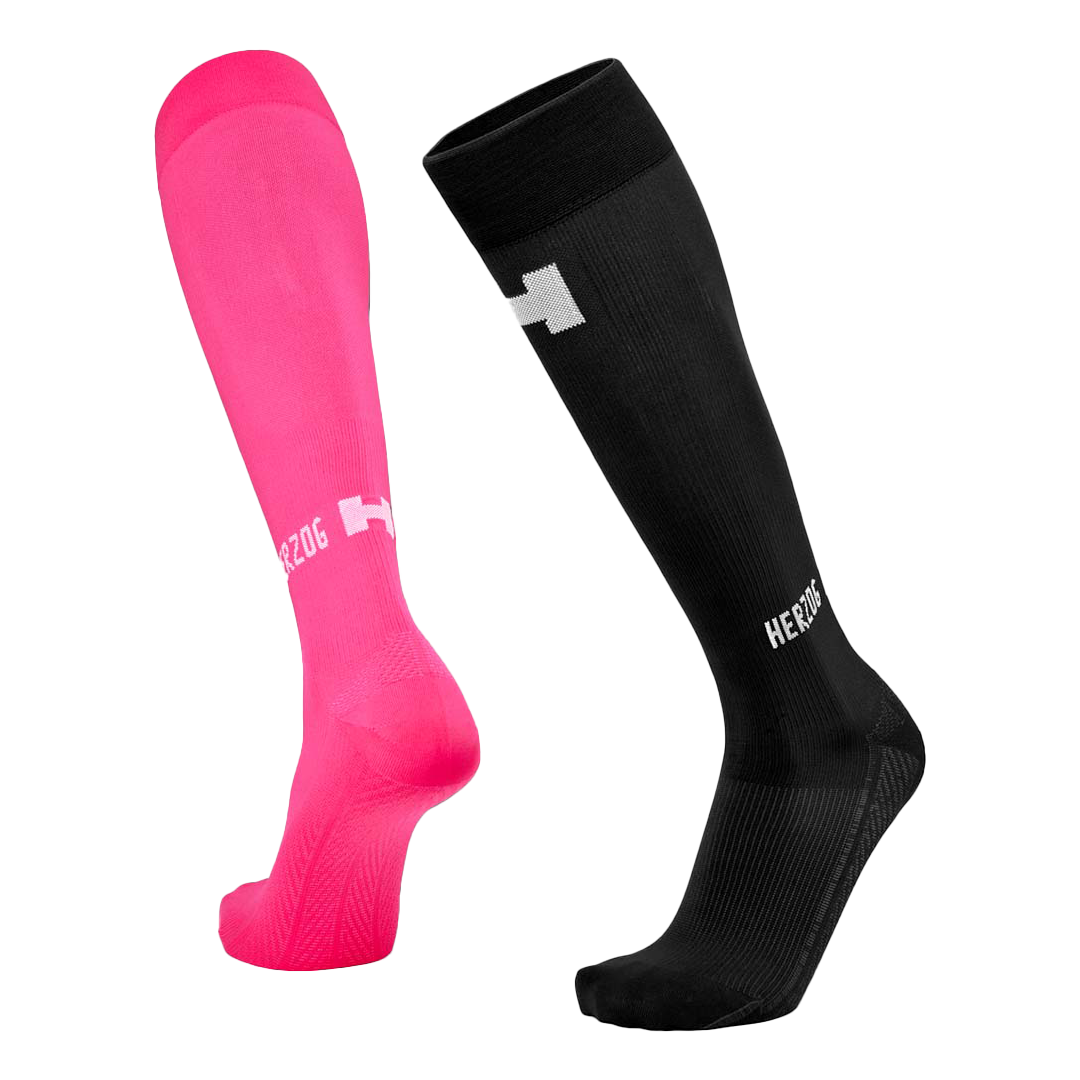
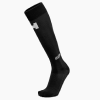
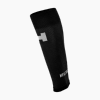
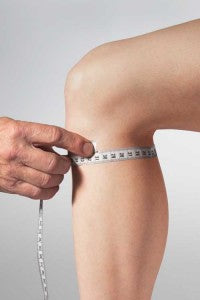
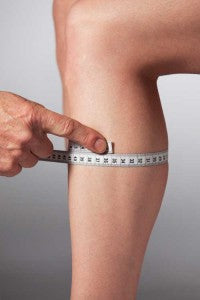
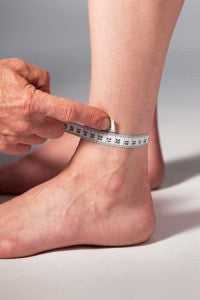
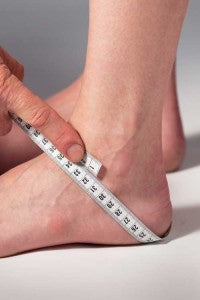
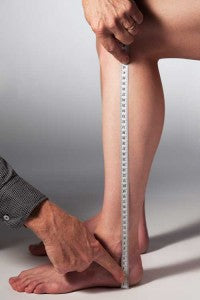
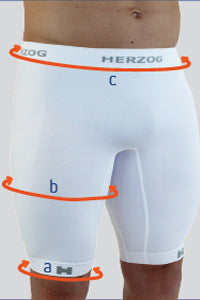
Targeted pressure on your lower legs can support circulation by mechanically assisting the veins in returning blood and fluid. This is precisely whatthe effect of compressionis all about. At Herzog, PRO Compression Socks are individually fitted at six measurement points, with an MDR certification confirming their medical quality, so that the pressure gradually decreases from ankle to knee. This controlled gradual pressure distribution works differently from a standard elastic stocking, which often provides the same pressure everywhere.

At Herzog, we have been working on compression technology developed from medical insights for over twenty years, and that experience is reflected in products used by both athletes and healthcare professionals. Fluid retention in the legs is related to posture, movement, and the way your lower legs are supported, and that is precisely the area in which Herzog's medical compression socks originated. Those looking for more background onswollen ankleswill find an overview of suitable options per situation there.

• Stand up and move every hour when doing sedentary work

• Occasionally elevate your legs above your heart

• Drink enough water

• Wear compression socks during long days of standing or sitting

• Avoid constricting clothing around your legs

Frequently Asked Questions

Is a swollen ankle at the end of the day always a problem?

No, in most cases, this is a temporary reaction to prolonged standing, sitting, or warm weather. It often resolves on its own after rest and movement. If the swelling persists or worsens, it is advisable to have it checked by a general practitioner.

Can compression help with fluid in the legs?

Targeted compression can support blood flow in your legs, reducing fluid retention. It is not a treatment for an underlying condition, but many people experience a lighter feeling when wearing it. If you are unsure about the cause of the swelling, a conversation with a doctor is a good first step.

When should I see a GP about swollen ankles?

See a GP if the swelling lasts for more than a few days, is on one side, or is accompanied by pain, redness, or shortness of breath. This could indicate something other than common fluid retention, such as thrombosis. If you are in doubt, it is always better to get it checked.

Relevant blogs

6 Effective tips to prevent and relieve shin splints

Prevent and alleviate shin splints with 6 practical tips for runners. Less pain, faster recovery, and better training.

Treating Whiplash: 3-Phase Recovery with Compression and Cold Therapy

Recovering from a calf strain? Discover the 3 recovery phases and how compression and cold therapy can contribute to optimal and responsible recovery.

All about calf problems: causes, symptoms, and what you can do about them

Suffering from calf complaints? Read all about possible causes, common symptoms, recovery, and what you can do to prevent calf complaints.