

How does a groin injury occur?
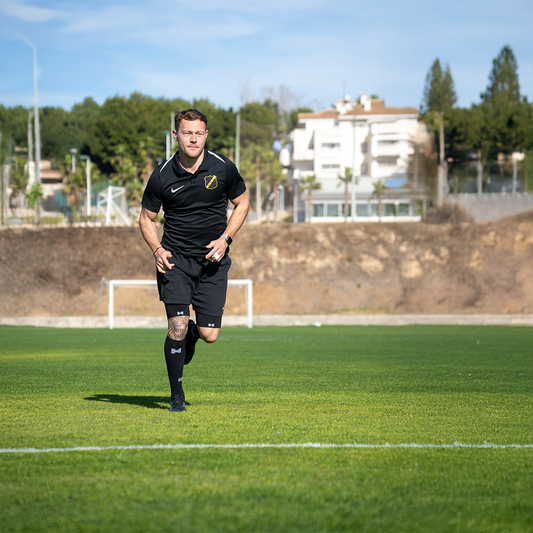
Groin injuries are common in sports that involve explosive movements. They often occur during sprinting, accelerating, decelerating, or quickly changing direction. Kicking, twisting, and lateral movements can also put significant strain on the muscles and tendons in the groin region. A groin injury can occur acutely due to a sudden, powerful movement, but it frequently develops gradually as a result of overuse.
Initially, you often only notice a slight pain or stiffness in the groin during exercise. As the symptoms increase, movement becomes more painful, and it can become difficult to continue exercising at the same level. Athletes who have previously experienced a groin injury are also at a greater risk of developing symptoms again. Therefore, proper training progression, sufficient recovery, and targeted support are important to reduce the chance of recurrent groin problems.

How do you recover from a groin injury?
If you experience persistent groin complaints, always consult a general practitioner or sports physiotherapist to determine what exactly is going on. Allow sufficient time for recovery and ensure that the muscles around the groin, hips, and thighs are sufficiently strong and resilient again before fully returning to sports. Then gradually build up your training to prevent the complaints from recurring.
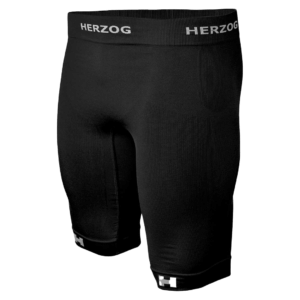
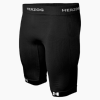
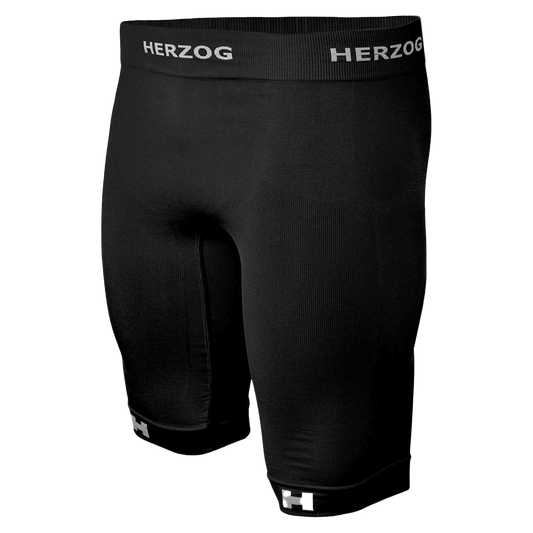
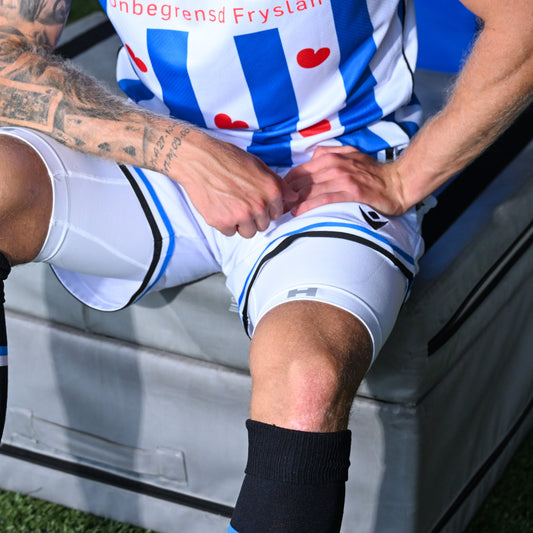
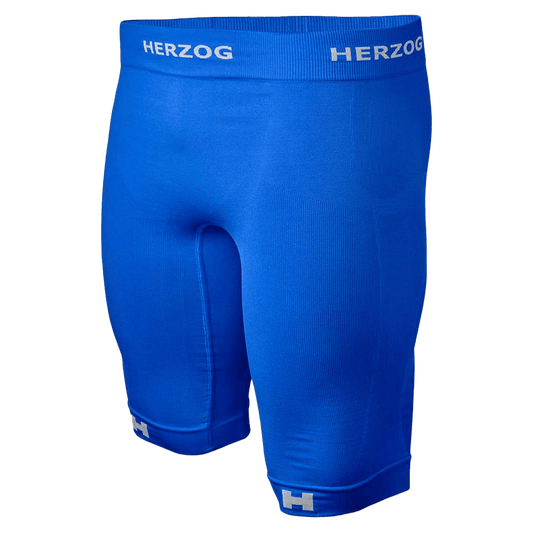
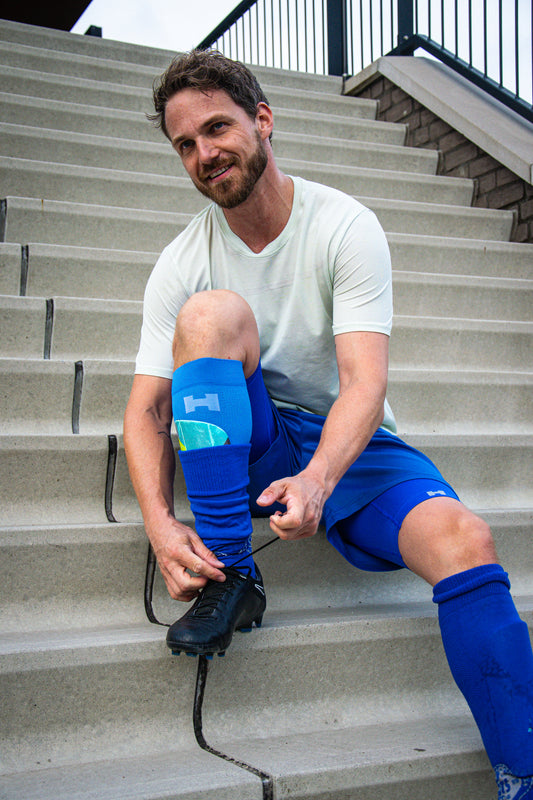
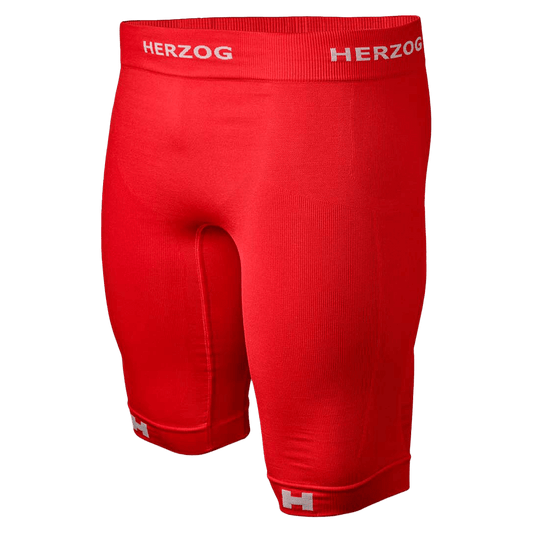
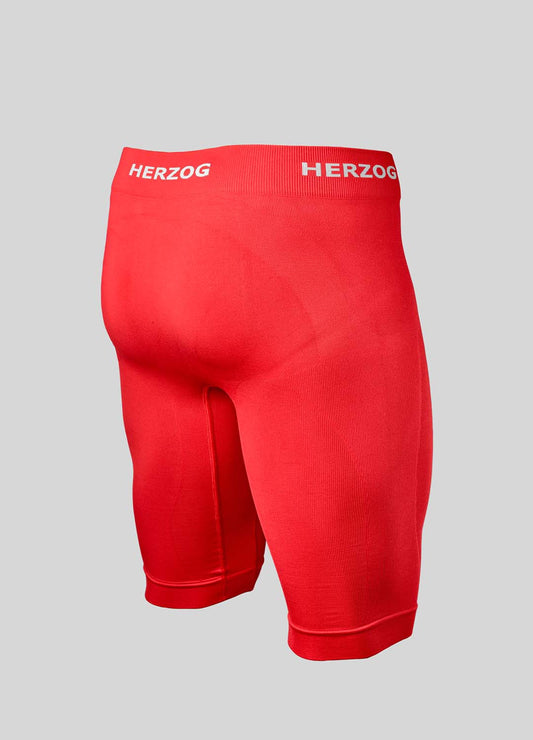
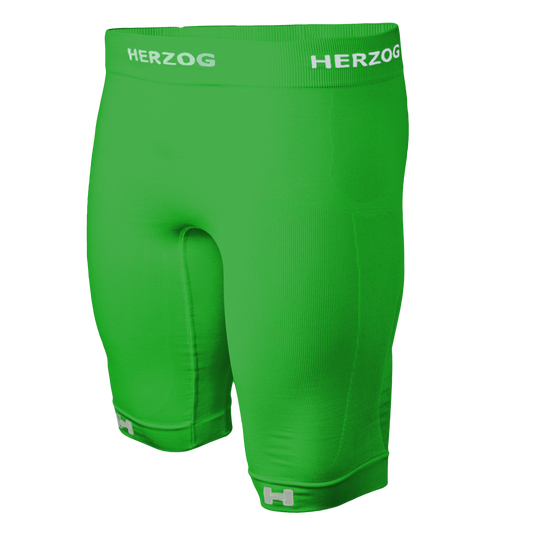
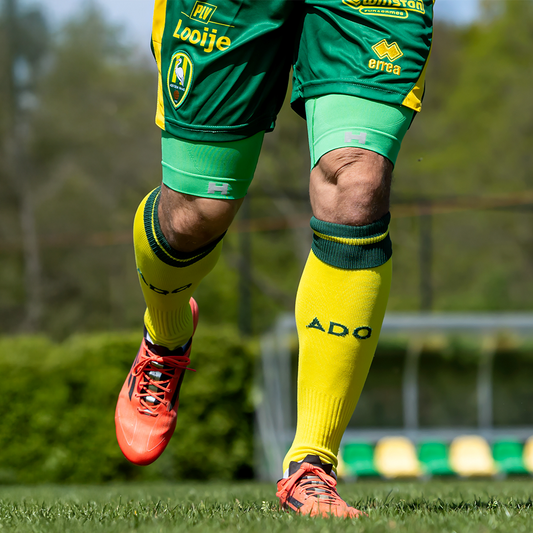
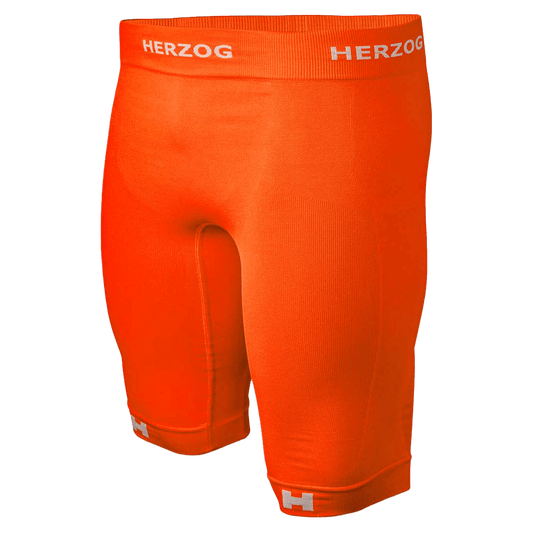
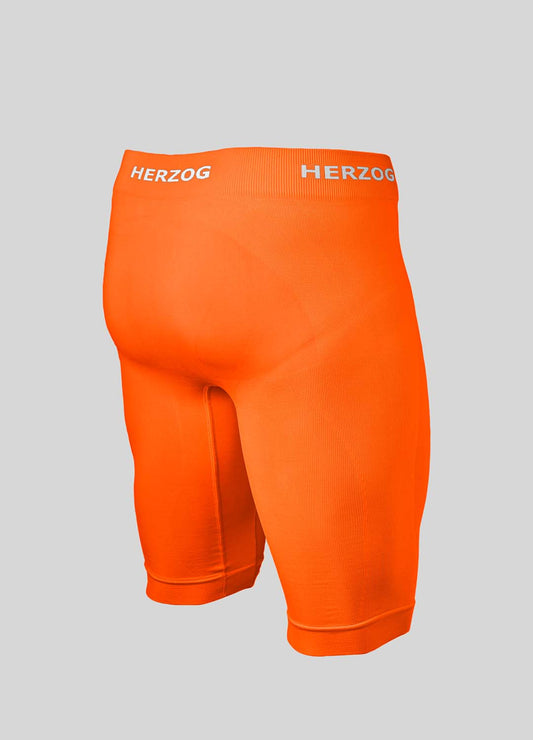
Because groin injuries have a high chance of recurrence, it may be wise to use the Herzog PRO Compression Shorts preventively. These compression shorts support the muscles around the groin, hips, and upper legs during exercise. By reducing muscle vibrations and unwanted muscle movements, the muscles are more efficiently supported during explosive actions such as sprinting, turning, and pivoting. In addition, the decreasing pressure profile promotes blood circulation and the removal of waste products, which can contribute to faster recovery after exertion.

What makes the PRO Compression Short unique?
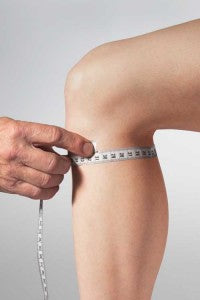
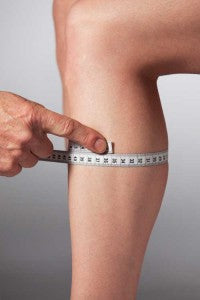
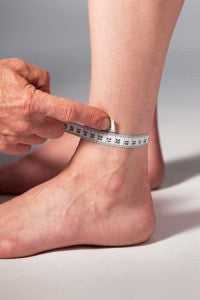
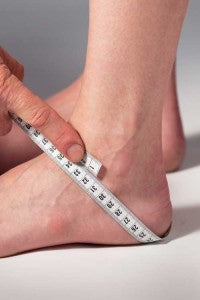
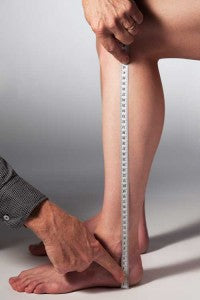
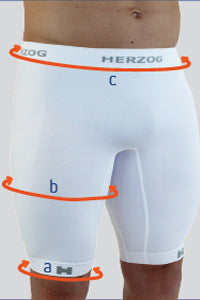
- The fit is precisely tailored to the athlete's leg and gluteal contour thanks to three measurement points. This precise fit is necessary to ensure the exact amount of compression and the compression gradient.
- A decreasing pressure gradient from 20 mmHg above the knee to 13 mmHg below the gluteal area ensures faster venous return.
- Due to the high, dosed compression on the thigh, the muscle mass remains compact, which reduces tensile forces on muscles, tendons, and attachments.
- The risk of groin injuries is greatly reduced by the counterpressure in the groin region.
- Moreover, there is significantly less chance of muscle damage because lateral shaking forces and shock loads have much less effect on the relatively heavy thigh muscles.

More Injuries and Recovery Options
Groin complaints often arise during explosive movements such as sprinting, turning, or braking, but can also develop gradually due to overuse. Discover in the overview which groin-related injuries are common and how Herzog compression can provide support during sports and recovery.
→ Discover all injuries
All blogs about hamstring injuries

Why are more and more footballers wearing compression shorts?
Discover why more and more footballers are wearing compression shorts and how targeted compression can provide support during training and matches.

Preventing Groin Injuries: Practical Tips for Athletes
How does a groin injury occur while running, and what can you do to reduce the risk? Practical explanations and recovery insights for athletes.

Groin Injury in Athletes: Causes, Symptoms, and Recovery
Read about how a groin injury occurs, what symptoms are associated with it, and how to recover. Also discover how compression can provide extra support.

Why are there so many hamstring injuries at the start of the season?
Many hamstring injuries at the start of the season? Discover why this often happens and how you can prepare your muscles for the increased training load.

How do you prevent hamstring and groin injuries?
How to prevent hamstring and groin injuries? Discover the risk factors, practical prevention tips, and the possible role of compression wear.

The solution for athletes with hamstring and groin injuries
Suffering from a hamstring or groin injury? Discover how Herzog compression shorts can provide support during exercise and recovery.