Calf Strain: Symptoms, Causes, and Recovery

A sudden, sharp pain in the calf, as if someone is lashing your leg with a whip. Many athletes instantly recognize this feeling. A calf tear is a common calf injury that often occurs during running, football, tennis, padel, or other sports involving explosive movements.

Side Image

What is a calf strain?

A calf strain is a tear in the calf muscle. The injury usually occurs when the muscle suddenly has to exert a lot of force, for example during a sprint, jump, or acceleration. The pain is often immediate and makes further exercise virtually impossible.

Symptoms of a calf strain

A calf strain can often be recognized by the following symptoms:

  • A sudden, sharp pain in the calf
  • A feeling as if someone has kicked the calf
  • Difficulty walking or pushing off
  • Tenderness at a specific spot in the calf
  • Swelling or a bruise
  • Reduced strength in the calf muscle

The severity of the symptoms depends on the size of the muscle tear.

Side Image

How does a calf strain occur?

A calf strain usually occurs due to overuse of the calf muscle. Factors that increase the risk of injury are:

  • Explosive movements such as sprinting and jumping
  • Fatigued muscles
  • An insufficient warm-up
  • Too rapid an increase in training intensity
  • Previous calf injuries

Athletes who train intensively regularly are therefore at greater risk of this injury.

How long does recovery take?

Recovery time varies per person and depends on the severity of the injury. For a minor muscle tear, recovery can take a few weeks, while a larger tear sometimes requires several months.

During recovery, it is important to gradually increase the load. Returning to sport too quickly increases the risk of a new injury.

Products in this blog

Side Image

Compression during recovery

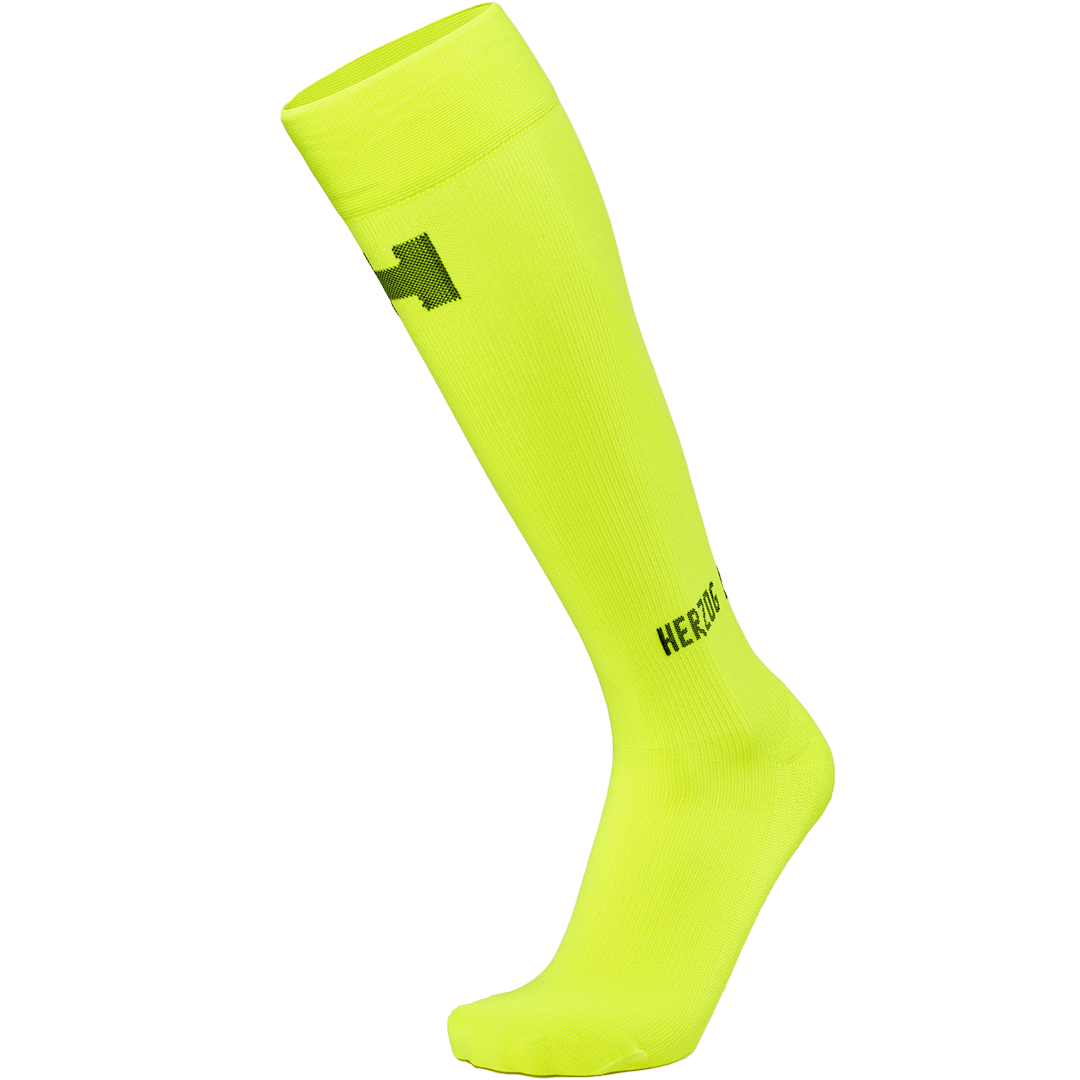
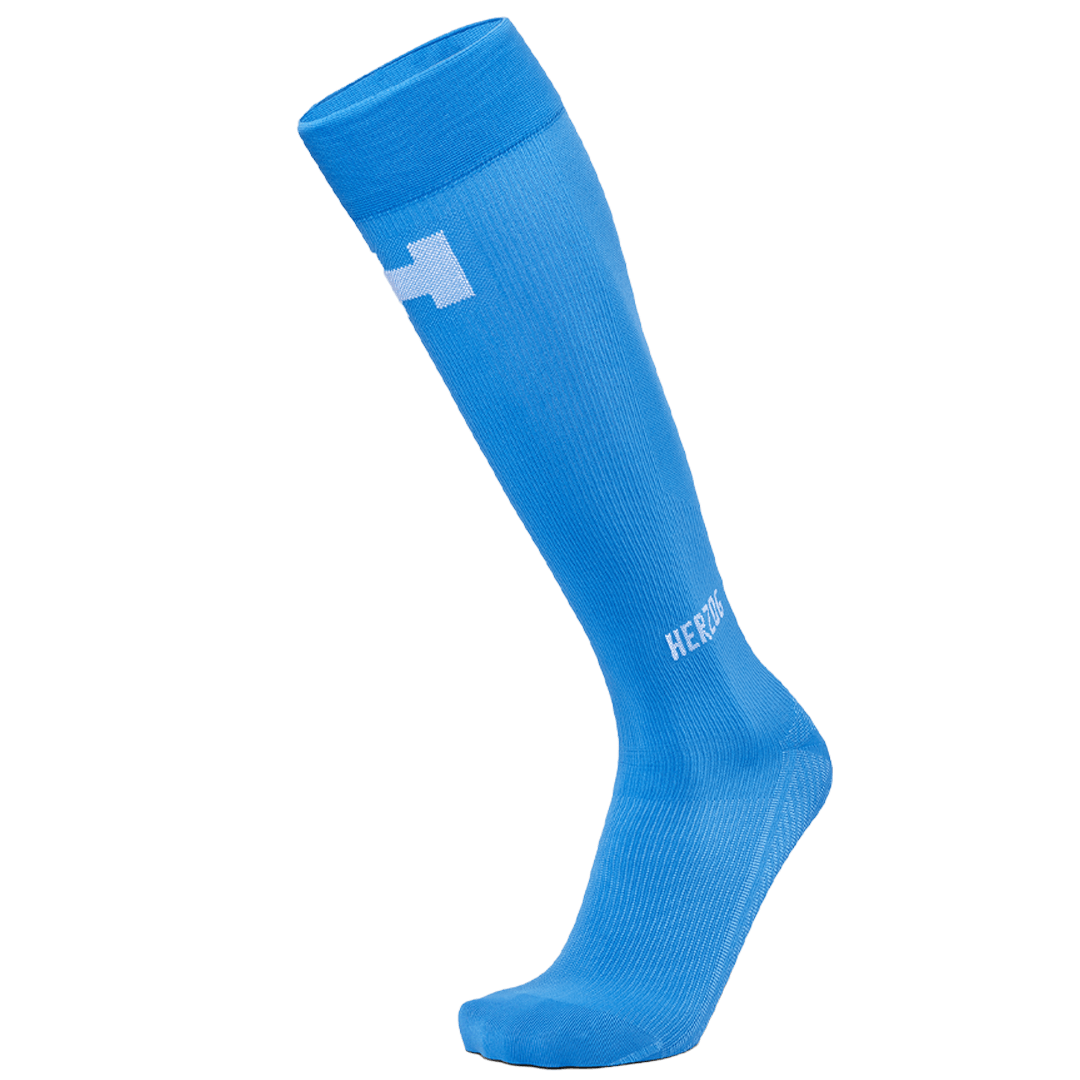
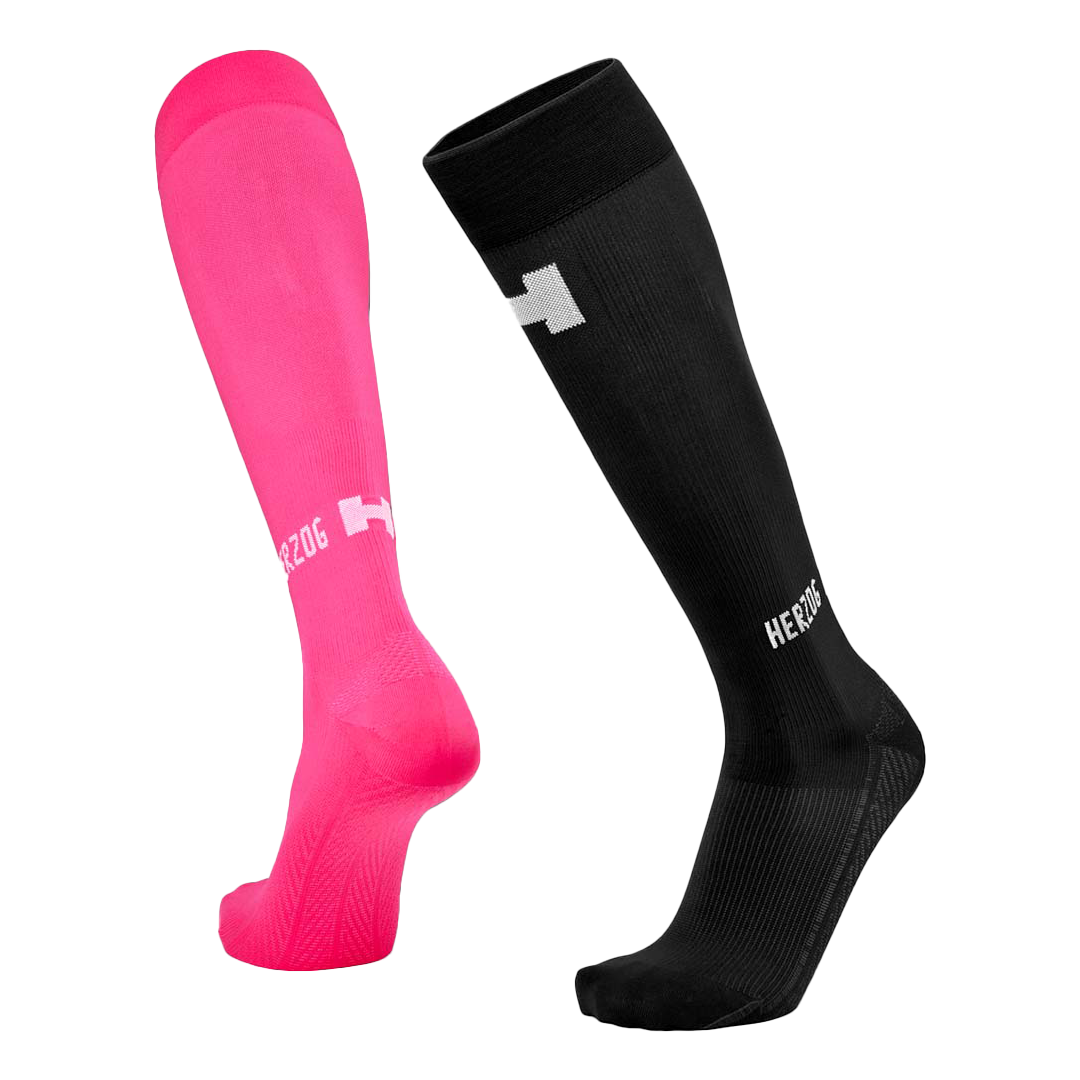
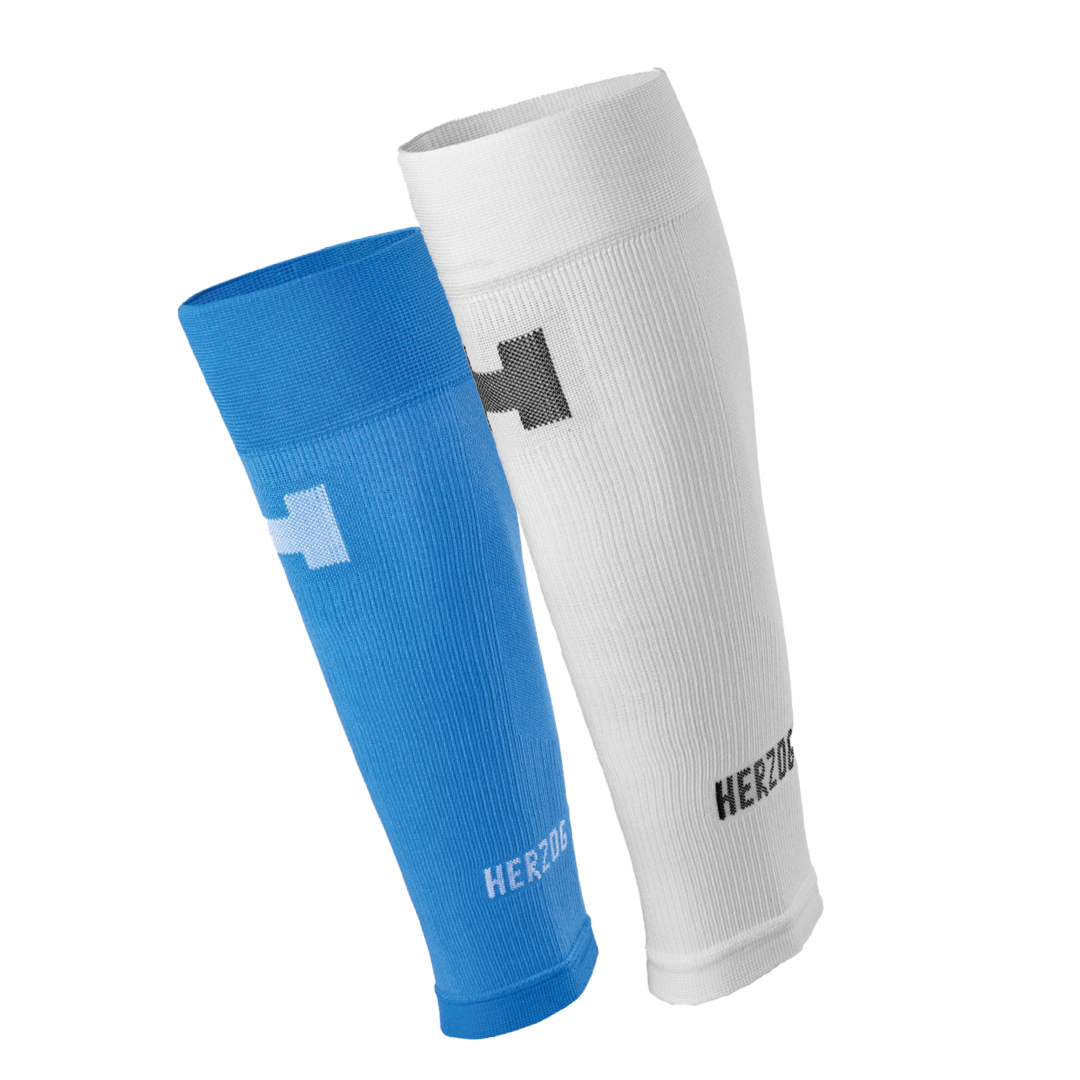
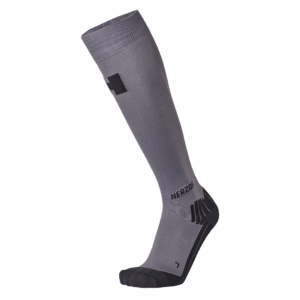
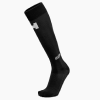
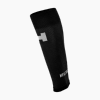
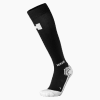
Many athletes choose to wear compression socks during recovery. Compression supports the calf muscles, helps reduce muscle vibrations, and stimulates blood circulation. This can contribute to a comfortable feeling during daily activities and during the gradual return to sports.

Herzog Medical's medical compression socks offer graduated compression, with the highest pressure around the ankle and gradually decreasing towards the knee. This optimally supports the lower legs during both exercise and recovery.

Can you prevent a calf strain?

Although a calf strain can never be completely prevented, you can reduce the chance of this injury. A gradual build-up of training load plays an important role here. By giving muscles enough time to adapt to a higher load, you reduce the risk of overuse.

In addition, regular strength training of the calf muscles can contribute to stronger and more resilient muscles. Sufficient rest between training sessions is also essential, as fatigued muscles are more susceptible to injuries. A good warm-up before a training session or competition helps prepare the muscles for exertion. Finally, it is important to listen carefully to your body and take signs of fatigue seriously. This way you can adjust in time and limit the chance of a calf strain.

Shop now

Conclusion

A calf strain is a common calf injury that occurs due to sudden overuse of the muscle. The injury is often accompanied by sharp pain, swelling, and loss of strength. With sufficient rest, a gradual build-up, and good calf support, you can responsibly work towards recovery. Compression socks can provide valuable support for athletes who want to optimally support their legs during recovery and training.