Thrombosis in the leg: symptoms, causes, and risks
- Herzog Medical
Leg thrombosis is a condition that affects thousands of people annually. It often starts with symptoms that seem harmless, such as a heavy feeling in the leg or slight swelling. However, deep vein thrombosis (DVT) can have serious consequences if it is not recognized and treated promptly.
In this article, we explain what leg thrombosis is, what symptoms can occur, what the main causes are, and what risks are associated with it.
What is deep vein thrombosis (DVT)?
Thrombosis occurs when a blood clot forms in a blood vessel. When this happens in a deep vein of the leg, it is called deep vein thrombosis (DVT).
A blood clot can partially or completely block blood flow. This can hinder blood from flowing back to the heart, causing various symptoms.
Thrombosis usually develops in the calf or thigh, but can also occur in other parts of the body.
What are the symptoms of deep vein thrombosis?
Not everyone experiences the same symptoms. In some cases, thrombosis causes hardly any symptoms at all. However, there are signs you should be aware of.
Common symptoms include:
- Swelling of one leg
- Pain or a heavy feeling in the leg
- A tense or tight feeling in the calf
- Redness or discoloration of the skin
- A leg that feels warm to the touch
- Pain that worsens when walking or standing
Notably, symptoms usually occur in one leg.
When should you seek immediate medical help?
Contact a general practitioner immediately if you suddenly experience a combination of the above symptoms.
Seek urgent medical help if, in addition to a possible DVT, you also experience:
- Shortness of breath
- Chest pain
- Sudden difficulty breathing
- Coughing up blood
These can be signs of a pulmonary embolism, a serious complication of thrombosis.
How does thrombosis develop?
A blood clot often results from a combination of factors. Doctors frequently refer to the so-called "Virchow's triad":
1. Slowed blood flow
When blood flows more slowly, the chance of clot formation increases.
This can occur with:
- Prolonged sitting
- Bed rest
- Long flights
- Recovery after surgery
2. Damage to the blood vessel wall
When a blood vessel is damaged, the body can activate clotting processes more quickly.
This can happen, for example, after:
- Surgery
- An accident
- An injury
3. Increased clotting tendency
Some people have an increased chance of forming blood clots.
Risk factors include:
- Hereditary predisposition
- Pregnancy
- Use of hormonal contraception
- Obesity
- Cancer
- Smoking
- Older age
Who is at extra risk of thrombosis?
Although thrombosis can affect anyone, the risk is greater in people who:
- Are physically inactive
- Regularly travel long distances
- Have recently undergone surgery
- Are pregnant or have recently given birth
- Have had a previous thrombosis
- Smoke
- Are overweight
Even athletes can have a temporarily increased risk if they are less active for a long time due to an injury or, for example, wear a cast for a period.
What are the possible consequences of thrombosis?
Untreated thrombosis can cause serious complications.
Pulmonary embolism
The greatest immediate threat arises when a part of the blood clot breaks off and travels through the bloodstream to the lungs. This is called a pulmonary embolism.
A pulmonary embolism can be life-threatening and requires immediate medical treatment.
Post-thrombotic syndrome
Even after successful treatment, symptoms may persist.
This is called post-thrombotic syndrome and can lead to:
- Chronically heavy legs
- Pain
- Swelling
- Reduced endurance
- Skin changes
Can you prevent thrombosis?
Thrombosis is not always preventable, but you can reduce the risk.
Important measures include:
- Regular exercise
- Avoiding prolonged sitting
- Drinking enough water
- Regularly activating calf muscles during travel
- Maintaining a healthy weight
- Quitting smoking
In case of an increased risk, a doctor may advise additional measures, such as blood thinners or medical compression stockings.
What role do compression stockings play?
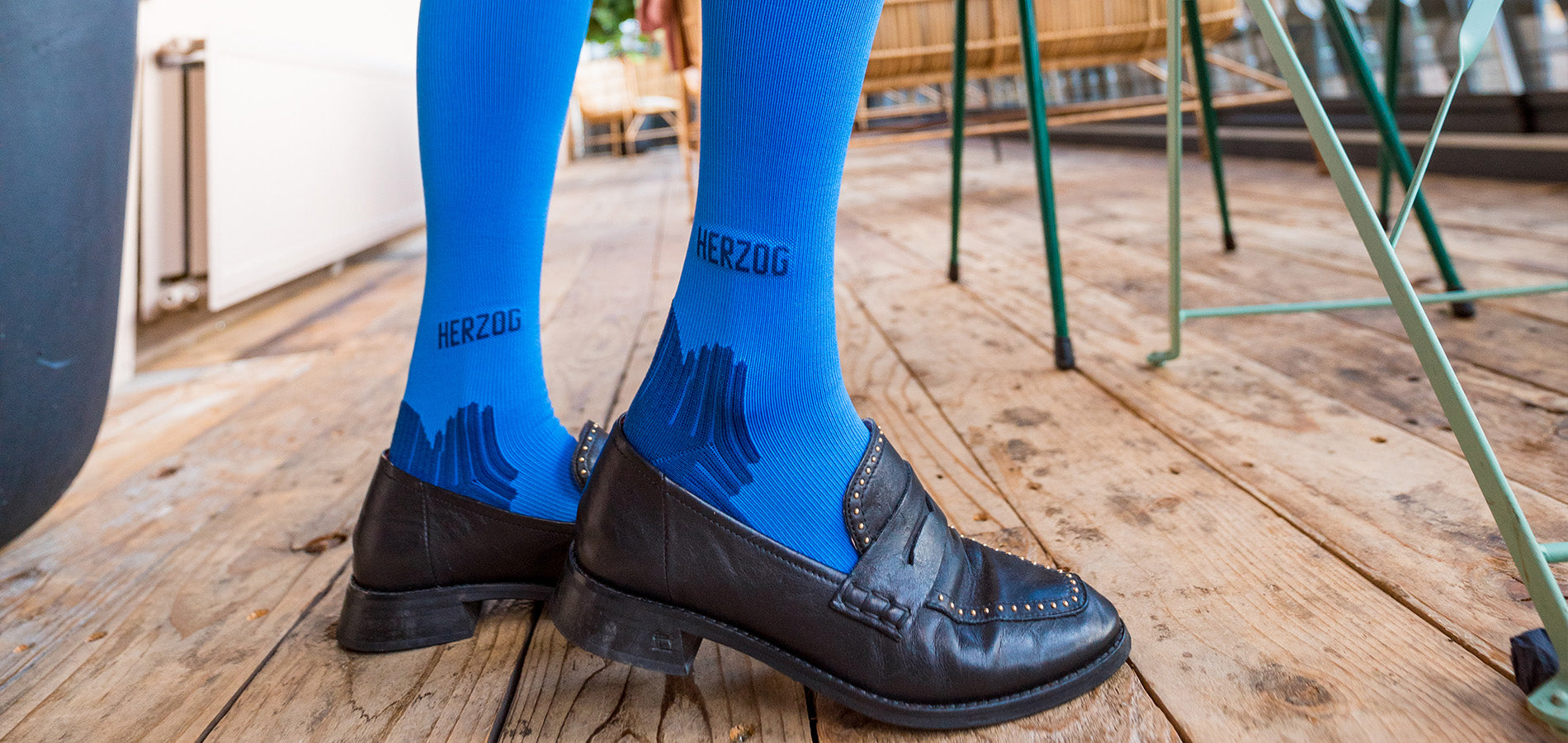
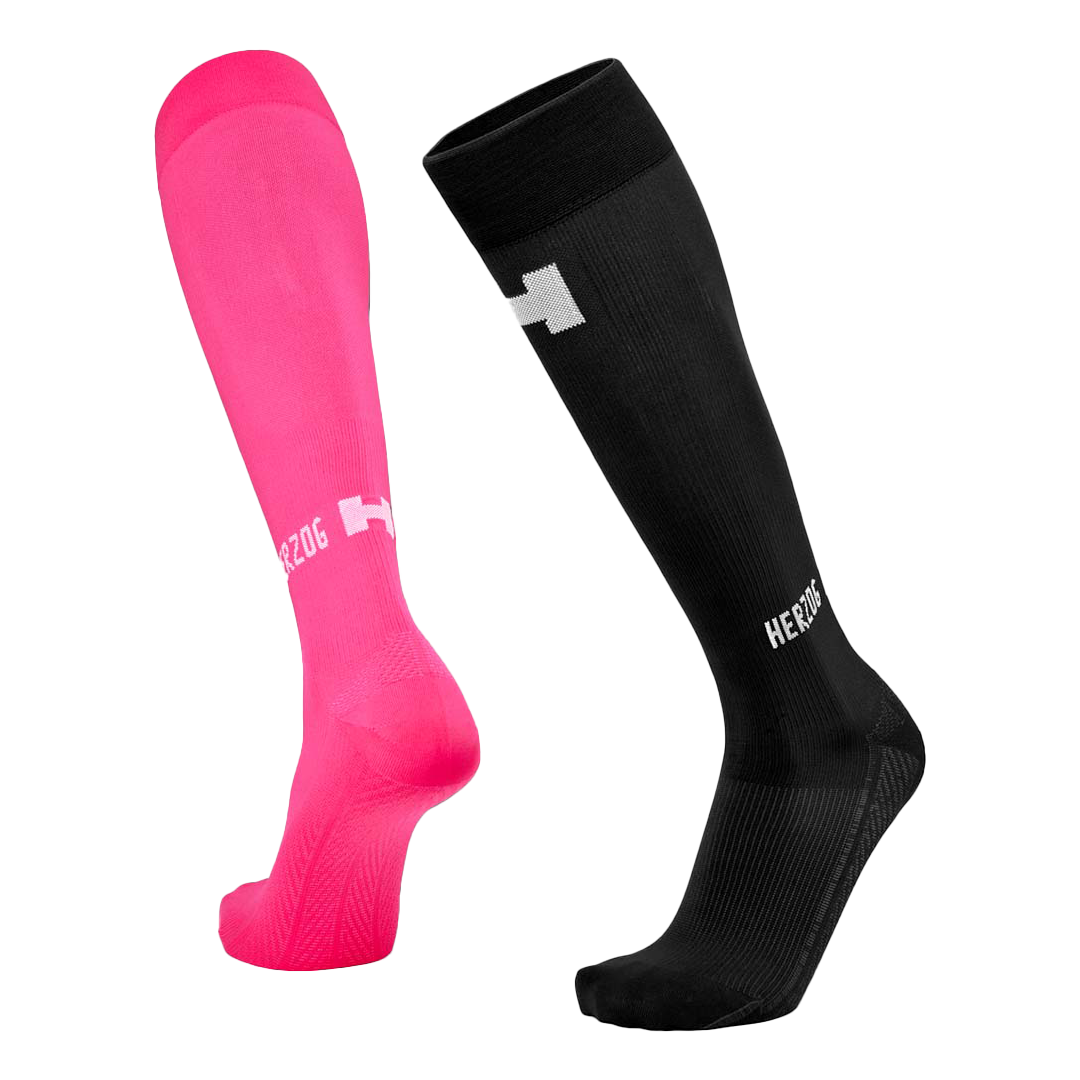
Compression stockings are regularly used to support venous blood circulation. The controlled pressure on the lower leg promotes the return flow of blood towards the heart.
For people with an increased risk of venous complaints, medical compression stockings can help to:
- Limit fluid retention
- Support blood circulation
- Reduce the feeling of heavy legs
However, compression stockings do not prevent all cases of thrombosis and are not a substitute for medical treatment.

Conclusion
Deep vein thrombosis (DVT) occurs when a blood clot blocks a deep vein in the leg. Symptoms such as swelling, pain, redness, and a warm sensation in the leg may indicate DVT. Because thrombosis can lead to serious complications like pulmonary embolism, prompt medical assessment is crucial.
By exercising regularly, avoiding prolonged sitting, and taking appropriate preventive measures if you are at increased risk, you can reduce your chances of developing thrombosis. If you are unsure about your symptoms, it is always wise to contact a doctor.
Important:Do you suspect deep vein thrombosis? Contact your general practitioner or out-of-hours doctor immediately. Prompt diagnosis and treatment are essential.