Can you walk with a calf strain?

A calf strain often occurs suddenly during exercise. Many athletes immediately experience a sharp pain and wonder if it is still safe to walk. The short answer is: it depends on the severity of the injury.

Side Image

What happens with a calf strain?

A calf strain involves a tear in the calf muscle. This often occurs during a sprint, jump, or other explosive movement. The damaged muscle fibers cause pain, stiffness, and sometimes swelling or bruising.

Can you still walk?

In many cases, walking immediately after a calf strain is still possible, but often with pain or a limp. With a minor muscle tear, you might be able to walk short distances, while with a more severe injury, walking can be very difficult or even impossible.

It's important not to ignore the pain. If normal walking causes discomfort, it's wise to rest the calf and temporarily avoid heavy exertion.

Side Image

Is walking good for recovery?

Complete rest is usually not necessary. As soon as the worst pain subsides, gentle walking can often help maintain blood flow and gradually load the muscle again. However, activities must remain within the pain threshold.

Resuming long-distance walking, running, or sports too quickly can delay recovery and increase the risk of a new injury.

When can you return to sports?

The recovery time for a calf strain varies per person and depends on the severity of the muscle tear. Some athletes can resume light training after a few weeks, while others need longer to fully recover.

Before you start exercising again, it is important that:

  • Normal walking is pain-free
  • Calf strength has largely recovered
  • The calf is no longer sensitive during daily movements
  • Increasing load does not cause symptoms

Products in this blog

Side Image

Compression during calf strain recovery

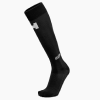
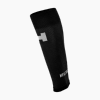
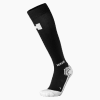
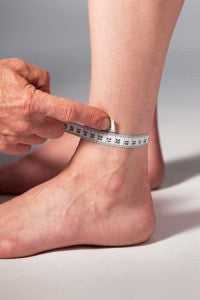
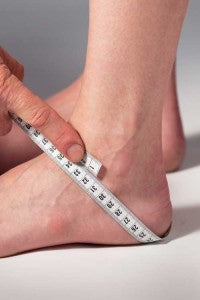
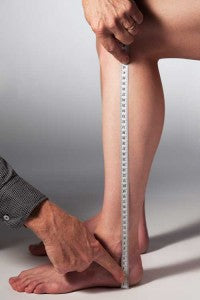
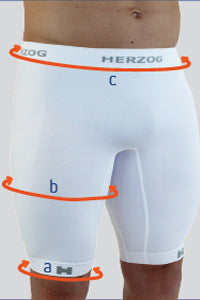
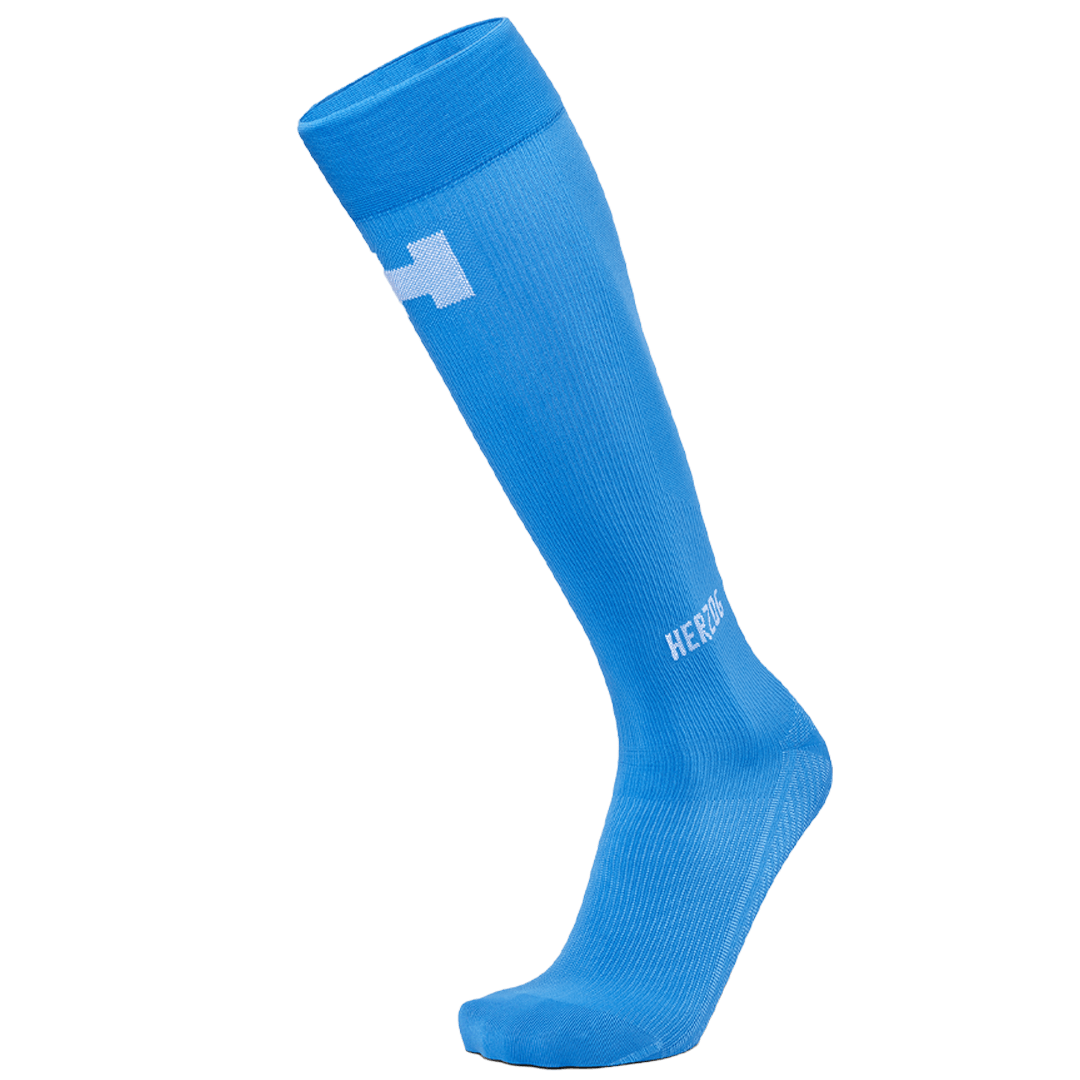
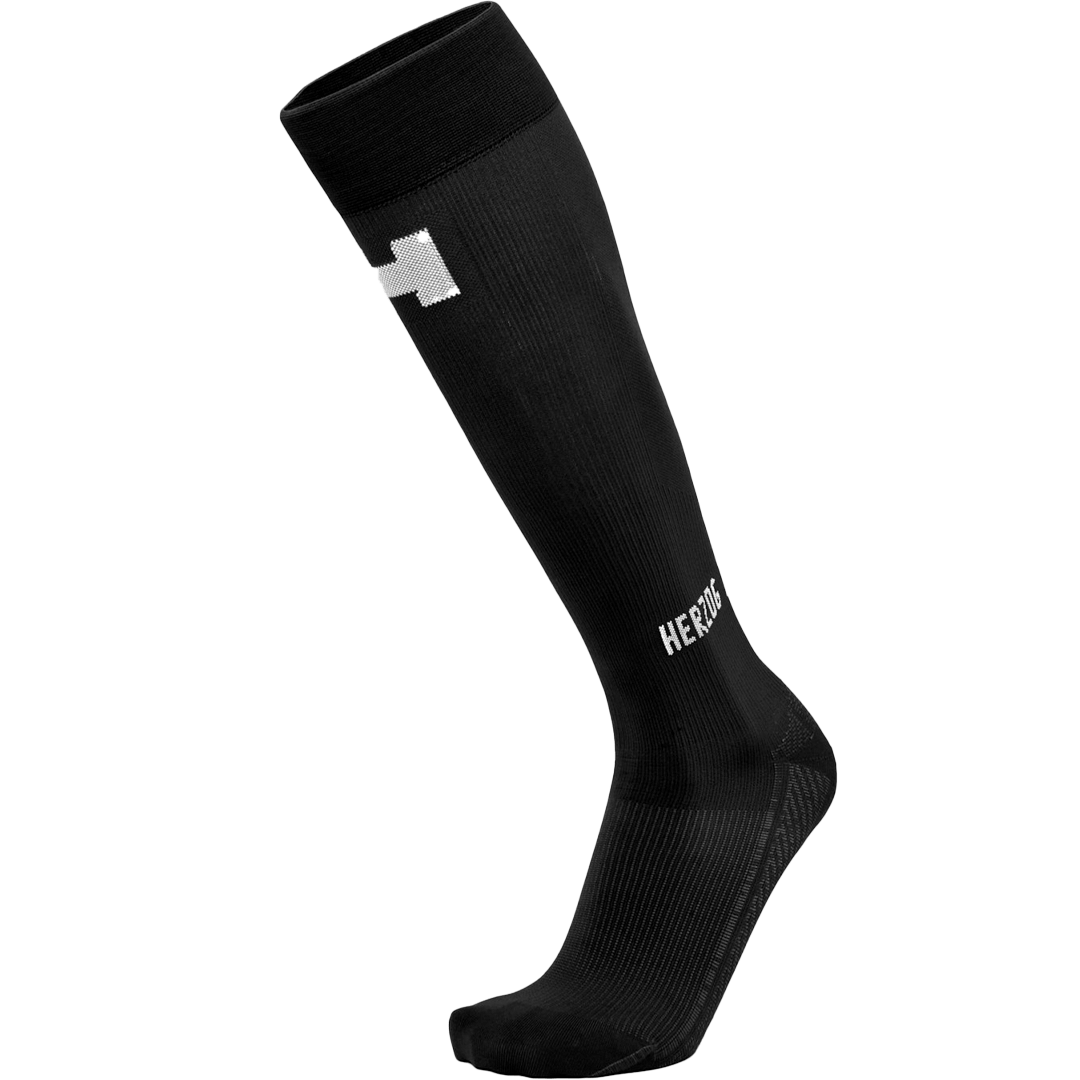
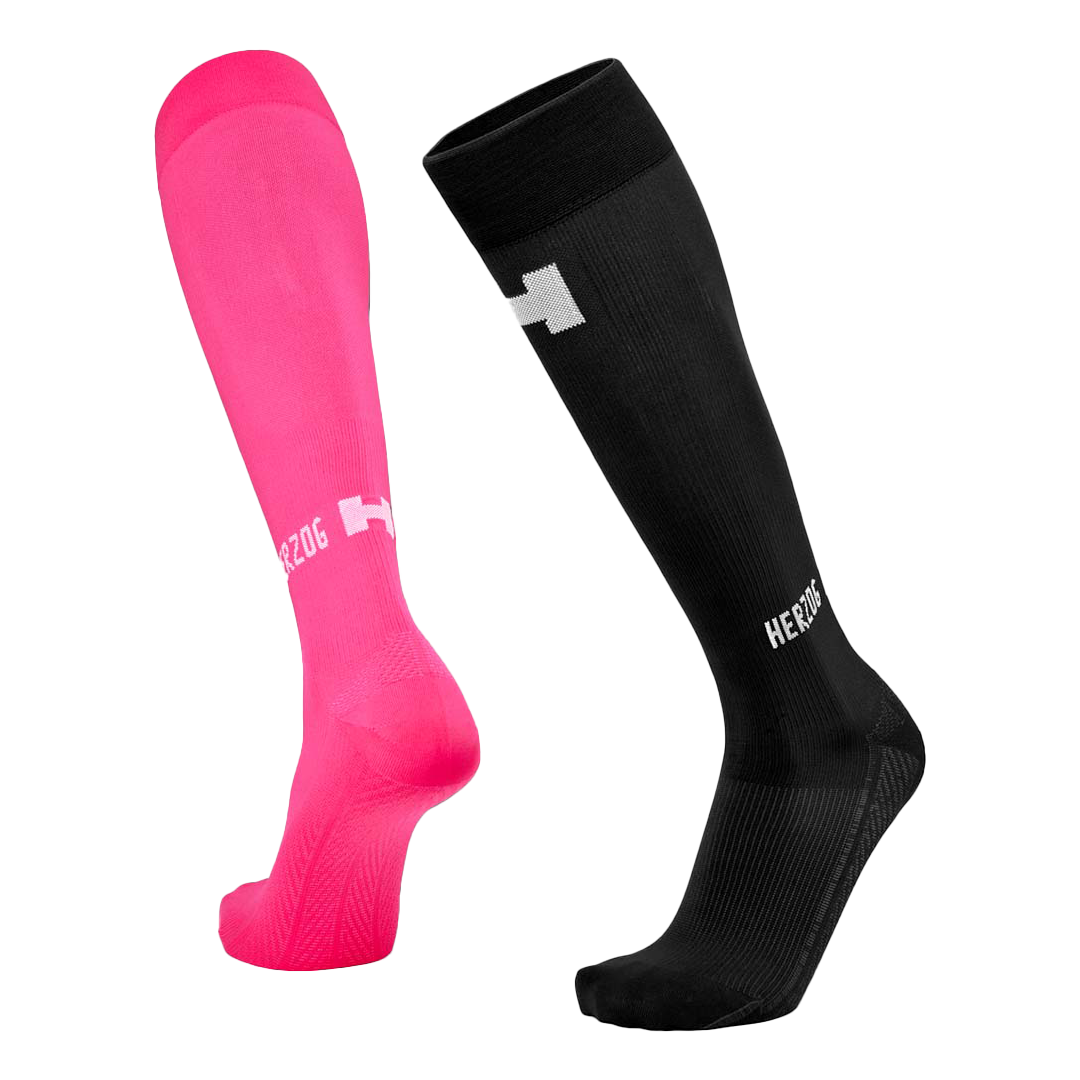
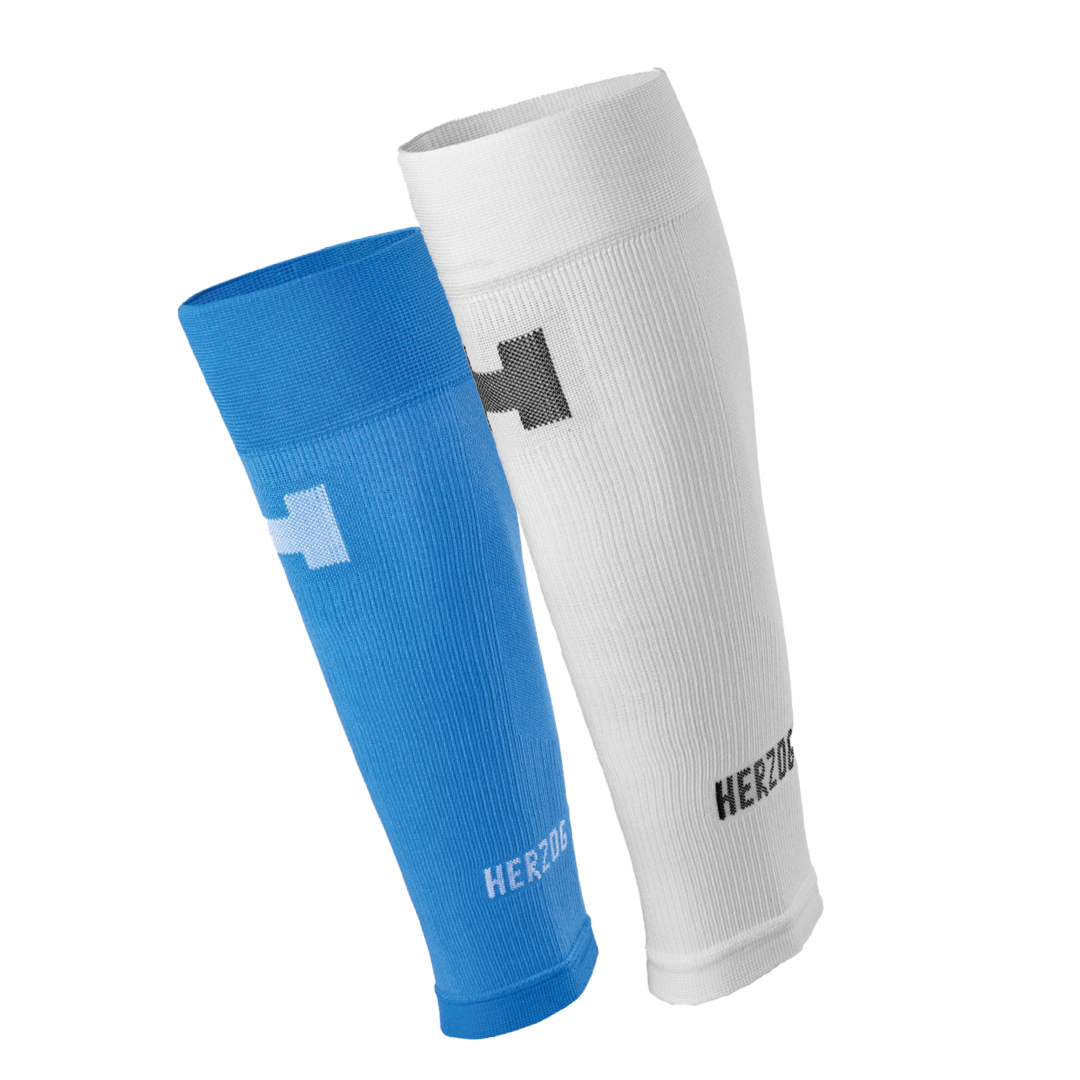
After a calf strain, the calf muscle needs time to recover. During this recovery period, many athletes choose to wear compression socks to provide extra support to the calf. Compression can help reduce muscle vibration during movement and supports blood circulation in the lower legs. As a result, many athletes experience more comfort during daily activities, walks, and the gradual build-up to sports.

The medical compression socks from Herzog Medical offer graduated compression, with the pressure being highest around the ankle and gradually decreasing towards the knee. Since a calf strain almost always occurs in the calf muscle, this targeted compression closely matches the area where support is desired. Many athletes therefore wear compression socks during their recovery and when they cautiously resume their sports activities.

Shop now

Conclusion

Whether you can walk with a calf strain depends on the severity of the injury. In many cases, gentle walking is possible after the initial recovery phase, as long as it doesn't cause additional pain. Listen carefully to your body and gradually increase the load. With sufficient rest, a responsible build-up, and good calf support, you can work towards a safe recovery and a successful return to sports.