Groin pain during running: where does it come from?

Groin pain is a common complaint among runners. The pain can develop gradually as training load increases, but sometimes it can also occur suddenly during a training session or competition. Because the groin region is involved in almost every step you take, discomfort in this area can significantly limit running. To recover effectively, it is important to understand where the complaints originate.


Side Image

What are groin complaints?

The groin connects the pelvis and the thigh. In this area, various muscles, tendons, and joints work together to keep the body stable during running. The adductors, the muscles on the inside of the thigh, play a particularly important role in this.

When these muscles or tendons become overloaded, pain and stiffness can occur. The complaints are often felt on the inside of the thigh or deep in the groin area and can range from a dull ache to sharp pain during movement.

What causes groin complaints in runners?

In many cases, groin complaints arise from overuse. When training volume or intensity is increased too quickly, muscles and tendons do not have enough time to adapt to the load. This can lead to small irritations that eventually result in pain.

Fatigue also often plays a role. As muscles become more tired, their ability to stabilize the body properly decreases. This can place extra strain on other structures around the hips and groin. Additionally, we regularly see that reduced stability of the hips, core, or pelvis contributes to the development of groin complaints. This creates more tension on the muscles around the groin during running.

Side Image

How to recognise groin complaints?

Groin complaints often start with a slight pulling or stiff feeling during or after running. Initially, the complaints usually disappear after rest, but if the cause is not addressed, they can become more and more frequent.

Some runners primarily experience pain during accelerations, hill training, or longer distances. Others notice that daily activities such as walking, climbing stairs, or lifting a leg also cause discomfort. If the pain persists for an extended period, it is advisable to take action and temporarily adjust the load.

What can you do about groin complaints?

With initial complaints, it is important to temporarily reduce the training load. This does not mean you should stop exercising completely, but rather that you limit activities that cause pain as much as possible. By giving the body sufficient recovery time, irritated muscles and tendons can often heal.

In addition, strengthening the muscles around the hips, core, and upper legs can help increase load-bearing capacity. A good balance between training and recovery plays an important role in this. If complaints persist for a long time or recur repeatedly, guidance from a physiotherapist is recommended.

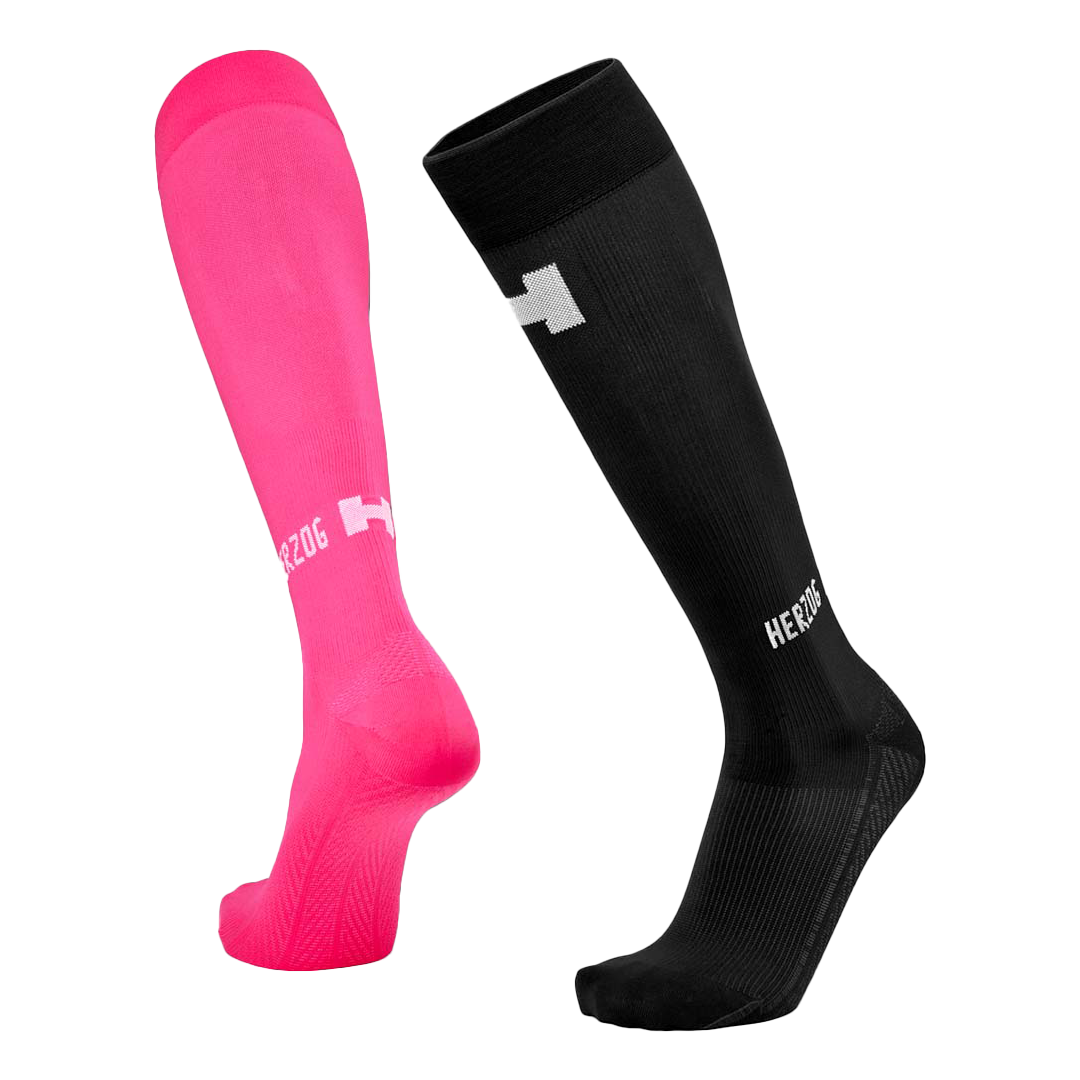
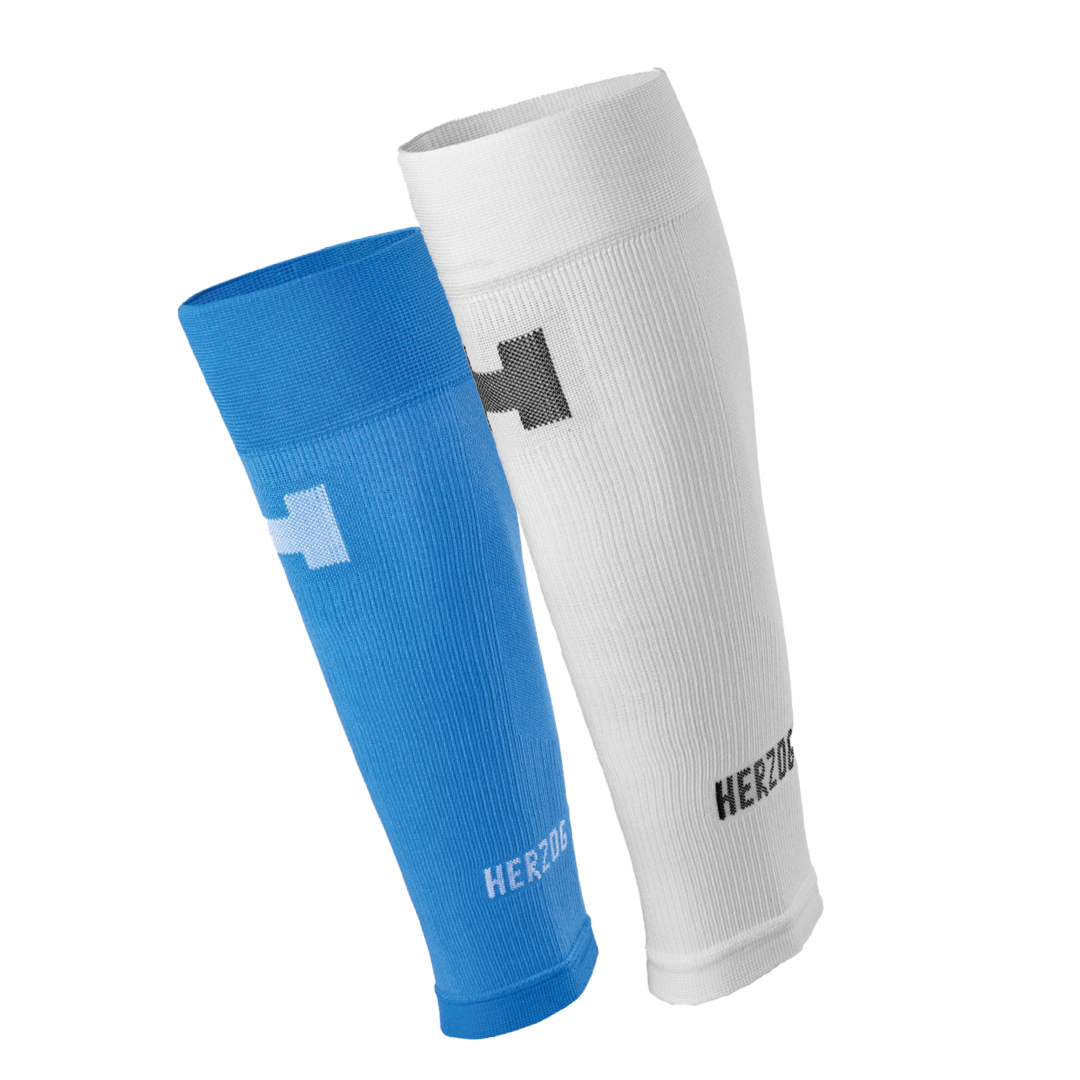
Products in this blog

Side Image

Compression during running

Many runners choose to wear compression clothing during training and competitions. Compression supports the muscles during exertion and helps reduce muscle vibrations. This can contribute to a comfortable feeling while running.

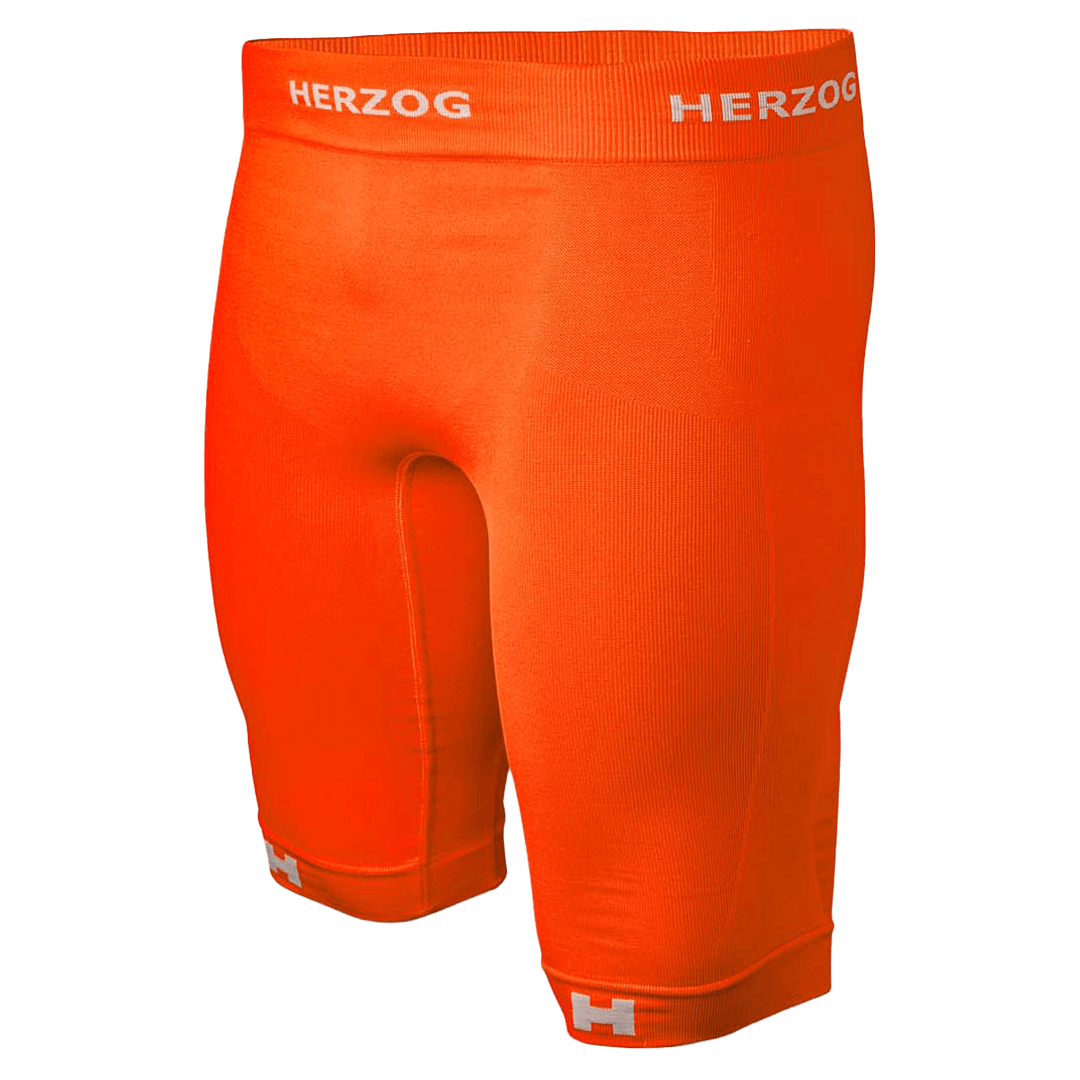
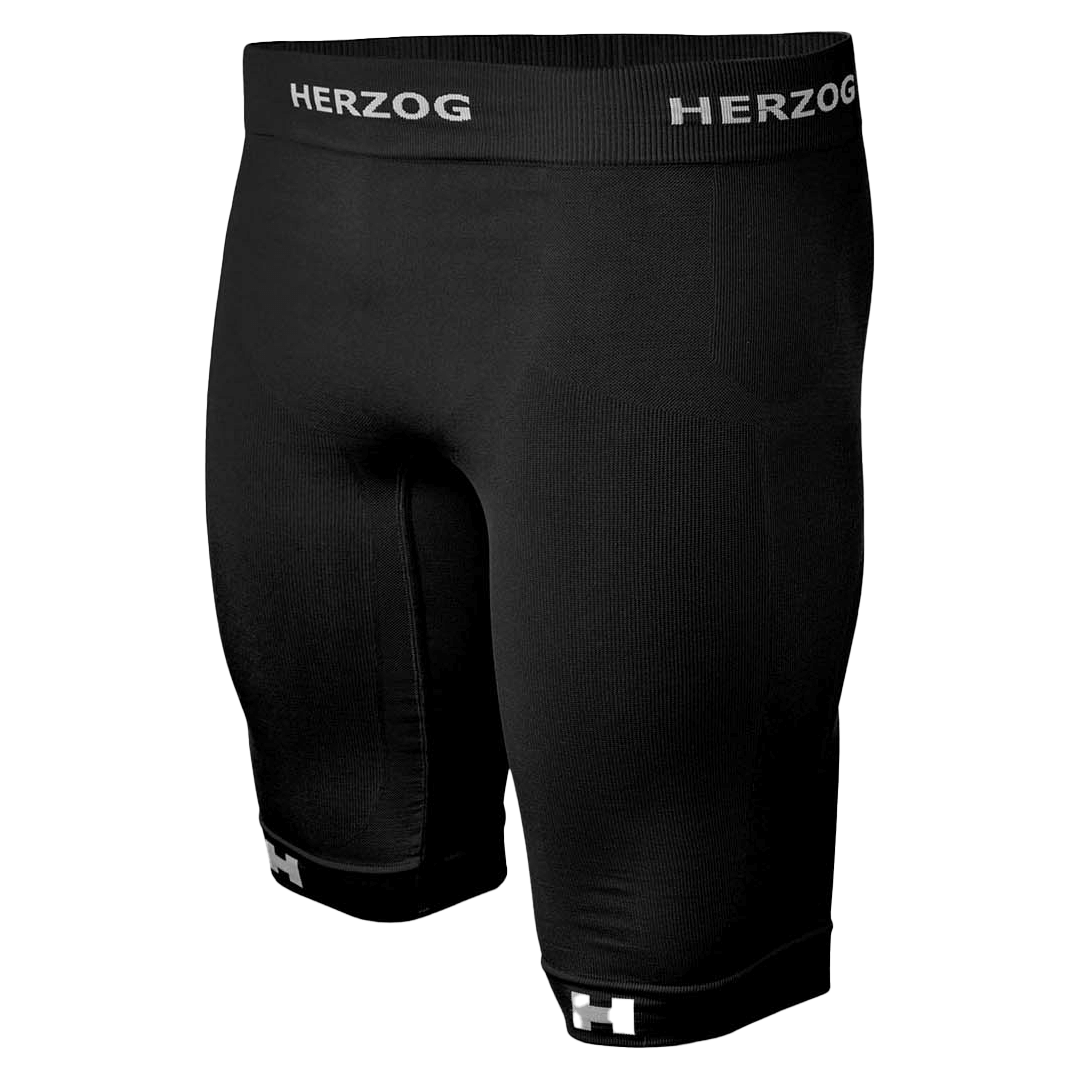
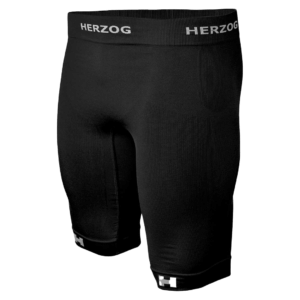
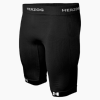
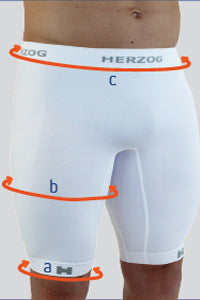
The Herzog PRO Compression Shorts offer support around the hamstrings, upper legs, glutes and groin area. This supports the muscles during both exertion and recovery, which can be particularly beneficial for athletes who are prone to discomfort in these areas.

Conclusion

Groin pain in runners often arises from a combination of overuse, fatigue, and insufficient stability around the hips and core. By addressing the cause of the pain in a timely manner and building up training intensity wisely, many problems can be prevented. Sufficient rest, targeted strength training, and good support help you to run comfortably and injury-free again.