Hamstring Injury in Runners: Causes, Symptoms, and Recovery

A hamstring injury is one of the most common muscle injuries in runners. The injury can range from mild muscle irritation to a muscle tear that requires weeks or even months of recovery. Hamstrings are particularly vulnerable during sprinting, accelerating, or running uphill.

In this blog, you'll learn how a hamstring injury occurs, what symptoms are associated with it, and what you can do to support recovery.

Side Image

What is a hamstring injury?

The hamstrings are a group of muscles at the back of the thigh. These muscles play an important role during running. They help with knee flexion and moving the leg backward during the running motion.

When the hamstrings become overloaded or suddenly have to exert too much force, muscle fibers can be damaged. This is called a hamstring injury.

Symptoms of a hamstring injury

The symptoms vary per injury, but common symptoms include:

  • A sudden sharp pain at the back of the thigh
  • Muscle stiffness or a pulling sensation
  • Pain during running or acceleration
  • Tenderness to the touch
  • Loss of strength in the leg
  • Swelling or bruising in case of a muscle tear

In case of a minor injury, the symptoms may mainly be present after exercise. In case of a more severe injury, the pain often occurs directly during running.

Side Image

How does a hamstring injury occur?

A hamstring injury usually results from a combination of load and fatigue. Factors that increase the risk include:

  • Too rapid increase in training load
  • Insufficient recovery between training sessions
  • Fatigued muscles
  • Sprint training or interval training
  • Reduced muscle strength or stability
  • Previous hamstring injuries

Runners who suddenly increase their training volume or intensity often have a higher risk of hamstring problems.

How long does recovery take?

Recovery time depends on the severity of the injury. A minor overuse injury can recover within a few weeks, while a muscle tear requires significantly more time.

It is important not to resume full running too soon. A premature return increases the chance of recurring problems.

Products in this blog

Side Image

What can you do during recovery?

In the initial phase, it's advisable to temporarily reduce activities that cause pain. As the symptoms subside, the load can be gradually increased.

Targeted exercises for strength, stability, and mobility can help make the hamstrings resilient again. For persistent complaints, guidance from a physiotherapist is recommended.

Compression during recovery and sports

Many runners choose to wear compression garments during training and recovery. Compression helps reduce muscle vibrations and supports the muscles during exercise.

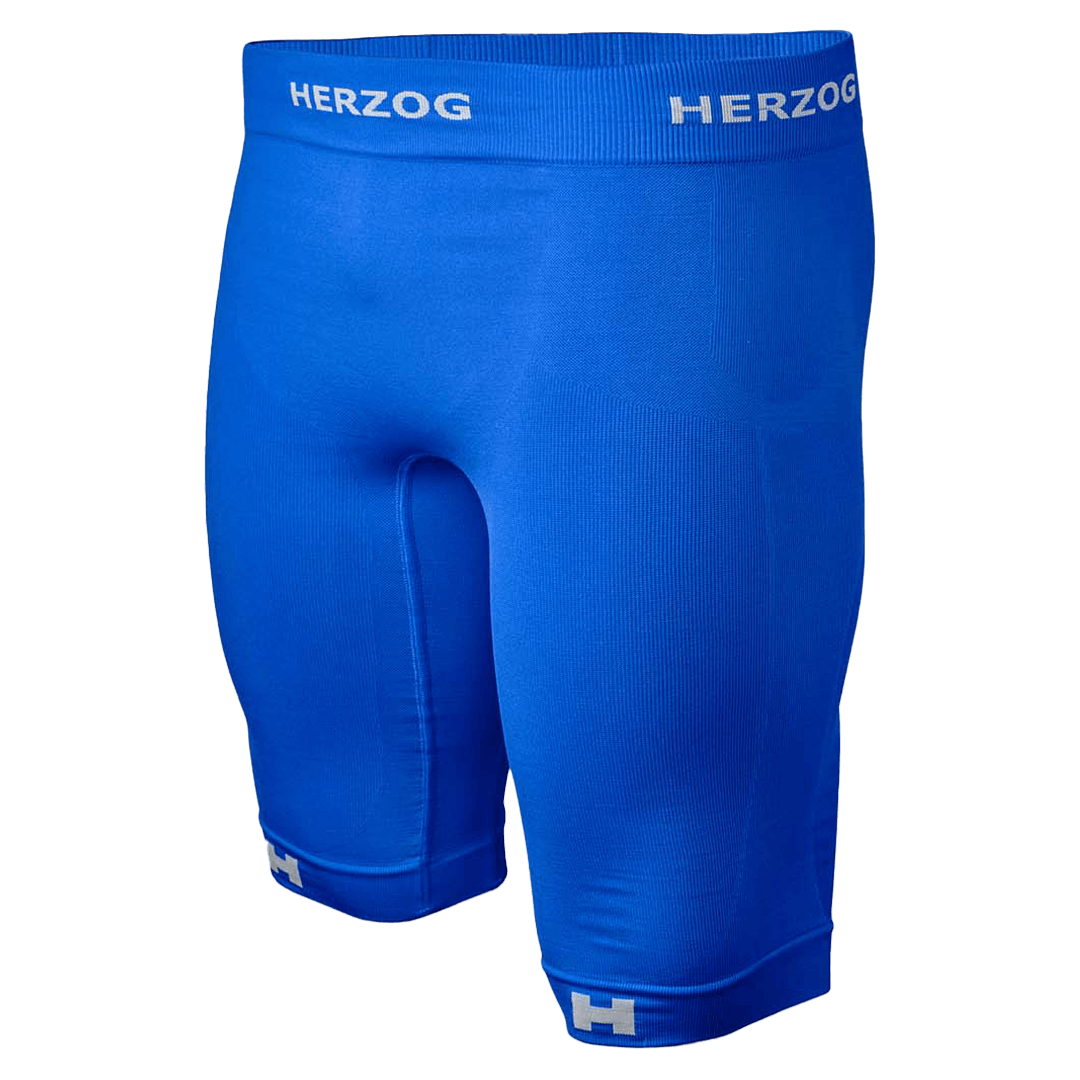
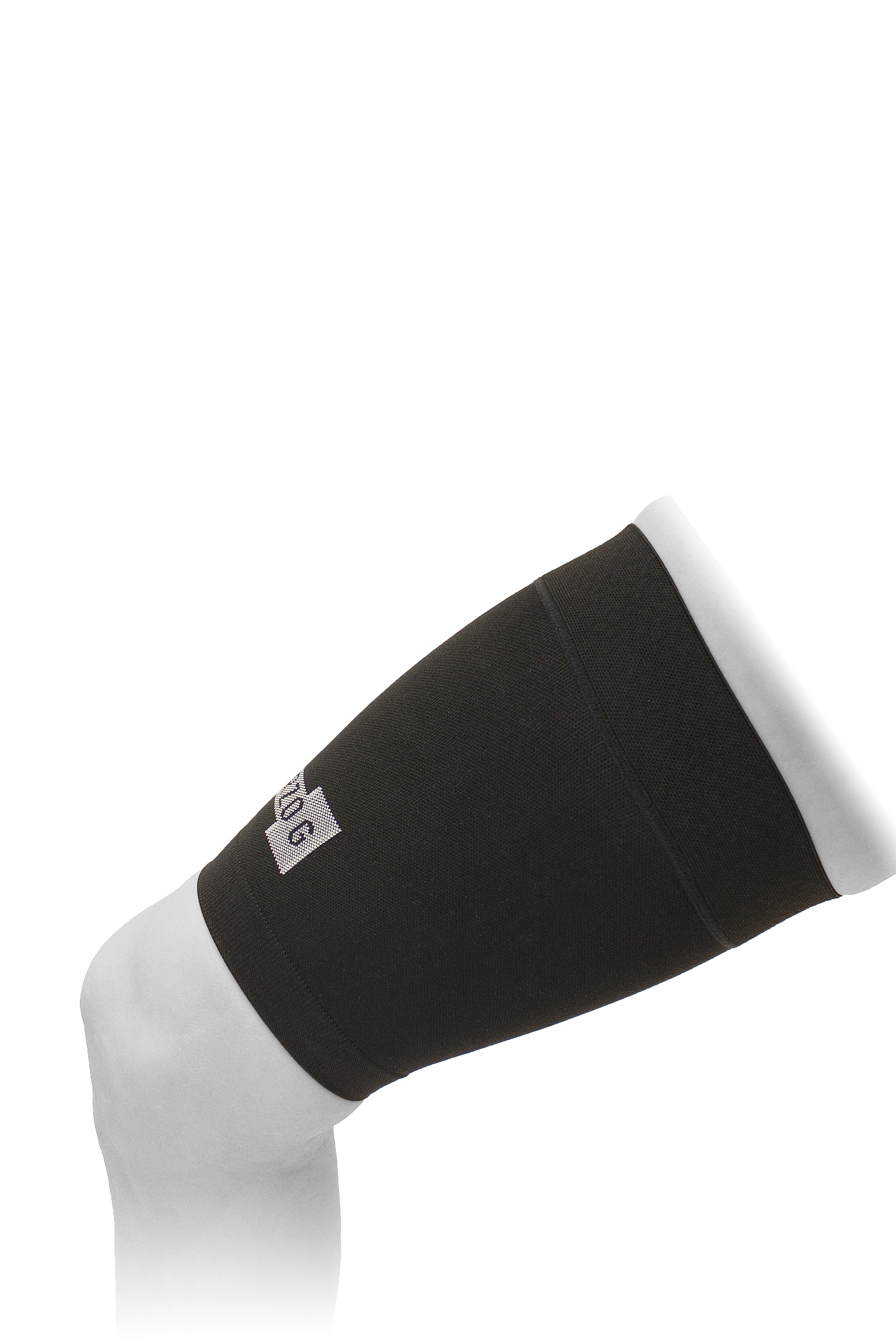
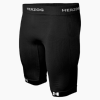
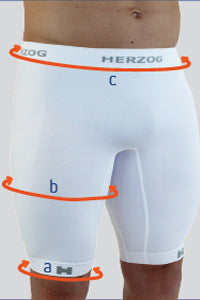
For runners with hamstring complaints, the Herzog PRO Compression Shorts can provide extra support around the hamstrings, thighs, glutes, and groin area. This supports the muscles during training, competitions, and recovery.

Can you prevent a hamstring injury?

While injuries can never be completely prevented, you can reduce the risk. Gradual training progression, sufficient recovery periods, and regular strength training play an important role in this.

Additionally, a good warm-up helps prepare the muscles for exertion. It's also wise to take fatigue seriously and adjust training intensity in a timely manner when your body demands it.

Shop now

Conclusion

A hamstring injury is a common complaint among runners and is often caused by overuse or explosive exertion. The injury can range from mild muscle stiffness to a muscle tear. With sufficient rest, a gradual build-up, and targeted exercises, you can responsibly work towards recovery. Good support and attention to prevention help to reduce the chance of new hamstring complaints.