How medical compression found its way into elite sports

For many years, compression stockings were primarily associated with the medical world. They were used for conditions such as varicose veins, fluid retention, or tired legs. Nowadays, however, you see compression increasingly often in top-level sports.

From running and cycling to football and triathlon: medical compression has now become a standard part of many top athletes' equipment.

But how did this development actually come about?

Side Image

From medical application to the world of sports

The basis of compression originated in the medical sector. Compression stockings were developed to support blood circulation through controlled pressure on the lower leg.

Later, interest in this technique also arose within the sports world. Especially endurance athletes noticed that compression could provide extra support during long efforts and recovery periods.

As a result, more and more athletes started using compression around training, competitions, and recovery.

Elite sports are all about details

In elite sports, there is an increasing focus on exertion, recovery, and efficient movement. Small differences at a high level can have a major impact on performance and resilience.

That's why many elite athletes pay attention to matters such as:

  • recovery between training sessions
  • support during prolonged exertion
  • stability around muscles and joints
  • fatigue in the legs

Compression fits well within this development because it offers support during both exertion and recovery.

Side Image

Especially popular in endurance sports

Compression is particularly common in sports where the legs are subjected to prolonged stress.

Such as:

  • running
  • cycling
  • triathlon
  • hiking
  • skating

In these sports, calves and lower legs are subjected to prolonged impact and stress. That's why many athletes opt for compression socks as extra support during long training hours and competitions.

Medical compression differs from standard sports compression

As compression became more popular in the sports world, more and more variations came onto the market. However, there is a big difference between ordinary sports socks with light compression and medical compression socks.

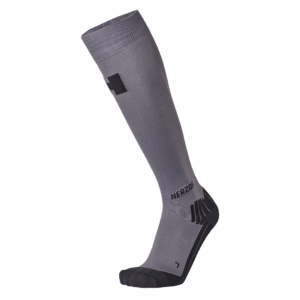
Medical compression works with controlled pressure that decreases from ankle to knee. The highest compression is therefore at the bottom of the lower leg.

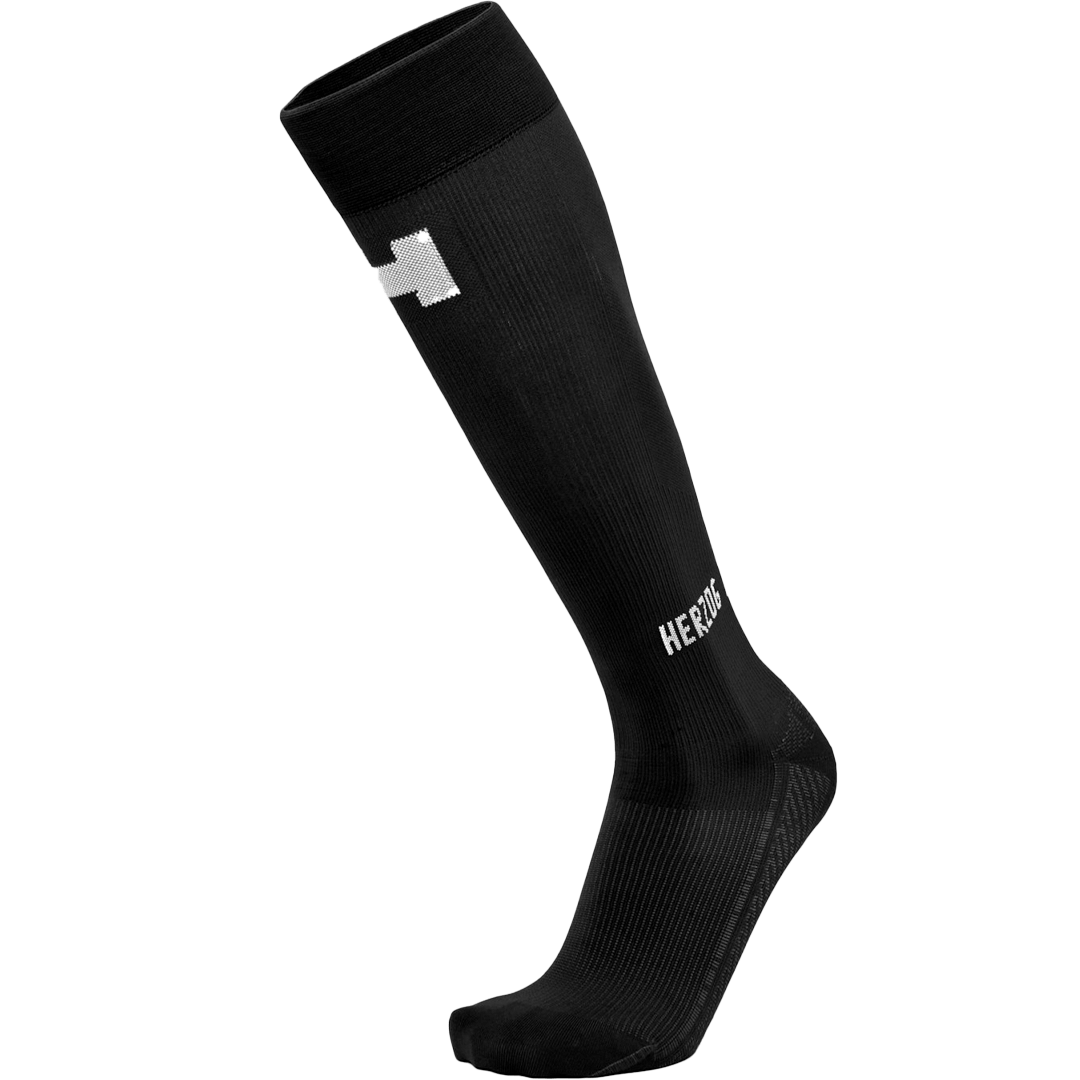
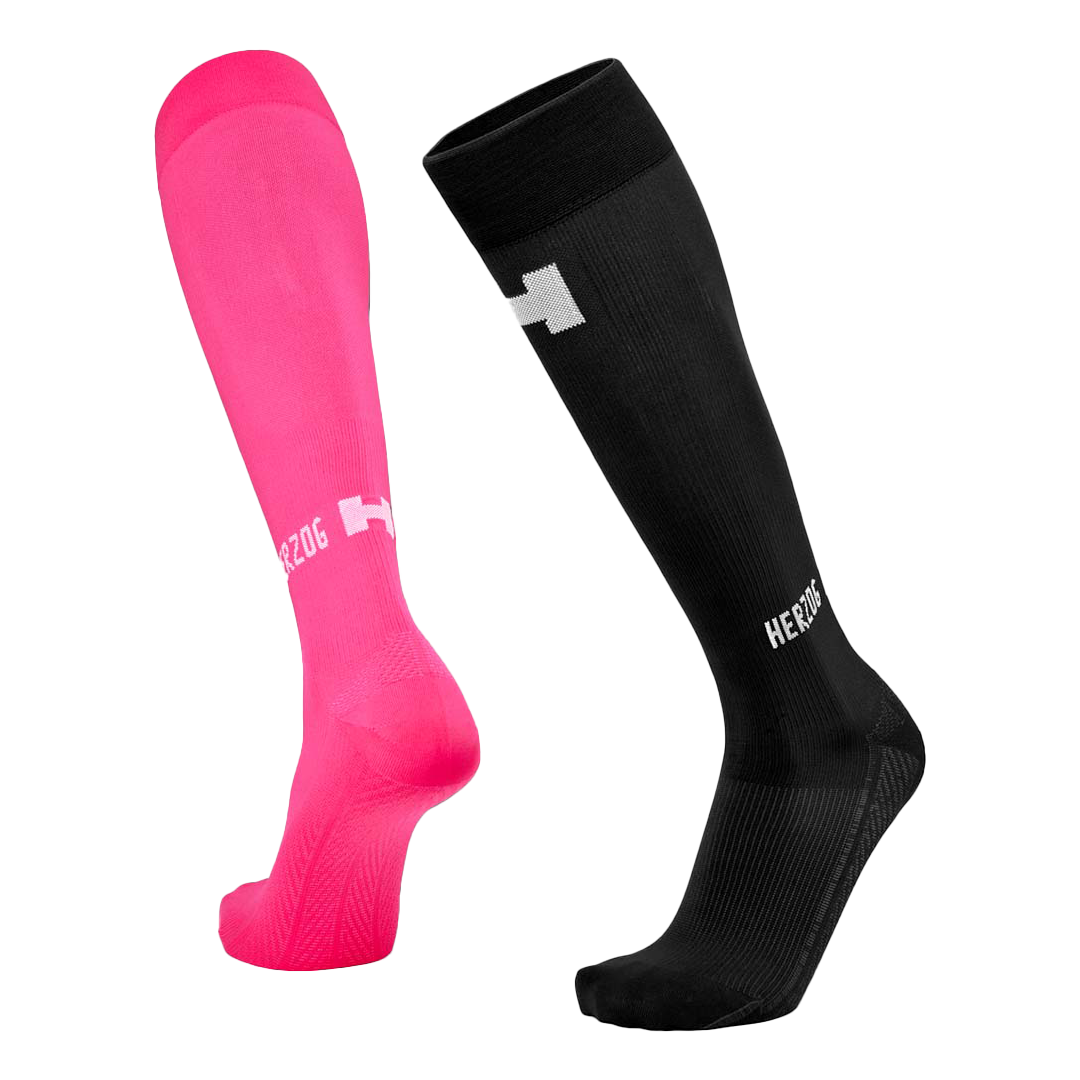
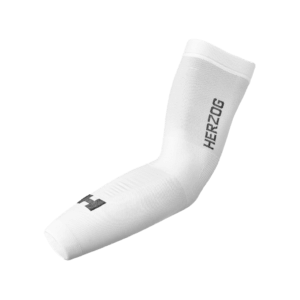
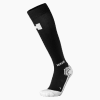
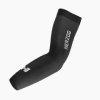
For example, Herzog PRO Compression Socks fall into pressure class 2 with a compression pressure of 23–32 mmHg and are MDR approved as a medical device.

It is precisely this controlled compression that makes many top athletes consciously choose medical compression socks.

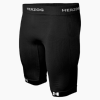
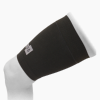
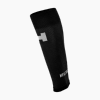
Products in this blog

Side Image

Recovery also became increasingly important

While compression was initially worn mainly during exercise, its use during recovery periods also grew later.

Top athletes often train multiple times a day or multiple days in a row. As a result, recovery became an increasingly important part of training schedules.

Compression is therefore now often worn:

  • after training sessions
  • during travel
  • en route to competitions
  • during rest periods
  • in recovery periods between intense efforts

For many top athletes, compression is now as much a part of their routine as nutrition and recovery training.

Compression is now standard in the sports world

What once started as a medical application is now fully integrated into the sports world.

From recreational runners to professional cycling teams: medical compression is now widely used because of the combination of support, controlled pressure, and comfort during exertion and recovery.