Plantar Fasciitis: symptoms, causes, and what you can do about it

Pain under your foot when walking or running? Especially during the first steps in the morning or after a workout? This could be a plantar fasciitis complaint. This condition is common among runners, hikers, and athletes who put intensive strain on their feet. In the following blog, you can read everything about plantar fasciitis complaints, their symptoms, what causes them, and what you can do about them.

Side Image

What is plantar fasciitis?

The plantar fascia under the foot is a strong band of connective tissue that runs from the heel bone to the forefoot. This structure supports the arch of the foot and absorbs shocks during movement.

With overuse, the plantar fascia can become irritated. This often causes pain in the bottom of the heel or arch of the foot. Athletes who do a lot of walking, jumping, or running are particularly prone to this.

Symptoms of plantar fasciitis

Common symptoms include:

  • Pain under the heel or arch of the foot
  • Stabbing pain with the first steps in the morning
  • A pulling or burning sensation under the foot
  • Increased symptoms after prolonged standing, walking, or running
  • Stiffness under the foot after rest
  • Tender or tired feet during activity

The symptoms often develop gradually. Initially, the foot mainly feels stiff or tender, but without sufficient recovery, the irritation can increase.

How does plantar fasciitis develop?

Plantar fasciitis usually develops due to overuse. The plantar fascia repeatedly experiences tension and becomes irritated when the load exceeds the body's recovery capacity.

Factors that can play a role include:

  • A lot of running or walking
  • Sudden increase in training intensity
  • Running on hard surfaces
  • Reduced ankle mobility or stiff calves
  • Prolonged standing
  • Tired feet or instability
  • Shoes with little support

Especially in runners, symptoms are more common during intensive training periods or leading up to competitions.

Side Image

What can you do for plantar fasciitis?

Recovery from plantar fasciitis often requires time and a combination of measures. The most important thing is to temporarily better manage the load.

1. Temporarily reduce the load

Keep moving, but try to limit peak loads. Shorter workouts or temporarily less intense exercise can help reduce irritation.

2. Work on mobility and strength

Stiff calves and limited ankle mobility often increase tension on the plantar fascia. Stretching and mobility exercises for the calves and feet can help.

Strengthening the foot muscles also contributes to greater stability.

3. Choose good shoes

Shoes with sufficient support and cushioning can reduce the load on the bottom of the foot. Worn-out shoes, on the other hand, often worsen symptoms.

4. Pay attention to recovery times

Many athletes continue to train even when the foot has not recovered sufficiently. Adequate rest is crucial for reducing irritation.

What role can compression play?

Some athletes opt for compression around the foot and ankle for plantar fasciitis. Compression provides targeted support to the arch of the foot and helps the foot feel more stable during movement.

Additionally, many athletes find that compression helps to make their feet feel less fatigued during long walks or running sessions.

Products in this blog

Side Image

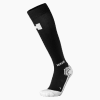
Herzog PRO Compression Ankle Socks for plantar fasciitis

The Herzog PRO Compression Ankle Socks are designed to provide targeted compression around the foot and ankle. The ankle socks: provide compression around the midfoot and arch; support the ankle during movement; help the feet feel more stable; are widely used during running and walking; and are thin enough to wear comfortably in athletic shoes. Especially athletes with tired feet, tension under the foot, or plantar fasciitis often opt for extra support during exertion.

When should you consult a specialist?

Do the symptoms persist for a long time or do they worsen? Then it is advisable to consult a specialist or physiotherapist. Especially when: the pain gets progressively worse; walking becomes more difficult; the symptoms persist for months; or rest is insufficient. A specialist can assess the source of the strain and determine the best approach.