Prevent fluid retention around the ankles during hot days

Warm summer days are wonderful for outdoor activities, but many people also notice their ankles feel swollen at the end of the day. Shoes feel tighter, socks leave marks, and ankles appear visibly puffy. This fluid retention, also known as edema, occurs especially during warm weather and is usually harmless.

Nevertheless, swollen ankles can feel uncomfortable and cause your legs to feel heavy and tired. Fortunately, there are several ways to limit fluid retention.

Side Image

Waarom houden we meer vocht vast bij warm weer?

Wanneer de temperatuur stijgt, verwijden de bloedvaten zich. Dit helpt het lichaam om warmte af te voeren via de huid. Een nadeel hiervan is dat vocht gemakkelijker vanuit de bloedvaten naar het omliggende weefsel kan lekken.

Vooral in de benen en rond de enkels kan dit leiden tot:

  • Opgezette enkels
  • Zware benen
  • Een gespannen gevoel in de onderbenen
  • Vermoeide voeten
  • Afdrukken van sokken rond de enkel

Omdat de zwaartekracht het vocht naar beneden trekt, zijn de enkels vaak de eerste plek waar dit zichtbaar wordt.

Wie heeft vaker last van vochtophoping?

Iedereen kan tijdens warme dagen vocht vasthouden, maar sommige groepen hebben er vaker last van.

Denk aan:

Ook sporters kunnen na langdurige inspanning merken dat hun enkels tijdelijk wat dikker worden.

Waarom langdurig zitten of staan klachten verergert

Onze kuitspieren functioneren als een natuurlijke pomp die het bloed vanuit de benen terug richting het hart helpt.

Wanneer je loopt, fietst of beweegt, wordt deze spierpomp voortdurend geactiveerd.

Bij langdurig zitten, staan en reizen werkt deze pomp minder efficiënt. Hierdoor kan vocht zich gemakkelijker ophopen in de onderbenen en rond de enkels.

Juist op warme dagen wordt dit effect vaak sterker merkbaar.

Side Image

How to recognize fluid retention?

Fluid retention around the ankles is often recognized by:

  • Thicker ankles at the end of the day
  • Tight skin
  • Marks from socks or shoes
  • Heavy or tired legs
  • A tight feeling around the feet

Usually, symptoms are less pronounced in the morning and increase throughout the day.

What can you do to prevent fluid retention?

Keep moving regularly

Movement stimulates the calf muscle pump and supports natural blood circulation.

Therefore, try to regularly:

  • Take a short walk
  • Stand up from your desk
  • Move your ankles and feet while traveling

Even small moments of movement can make a difference.

Drink enough water

It sounds contradictory, but drinking enough actually helps to regulate fluid balance better.

In warm weather, you lose more fluid through sweating. Drinking enough supports normal bodily functions and helps prevent dehydration.

Elevate your legs occasionally

By elevating your legs higher than your heart, fluid can be drained more easily.

This can be especially pleasant after a long workday, walk, or trip.

Avoid prolonged sitting

During long car journeys or flights, it is advisable to move regularly or do exercises with your feet and calves.

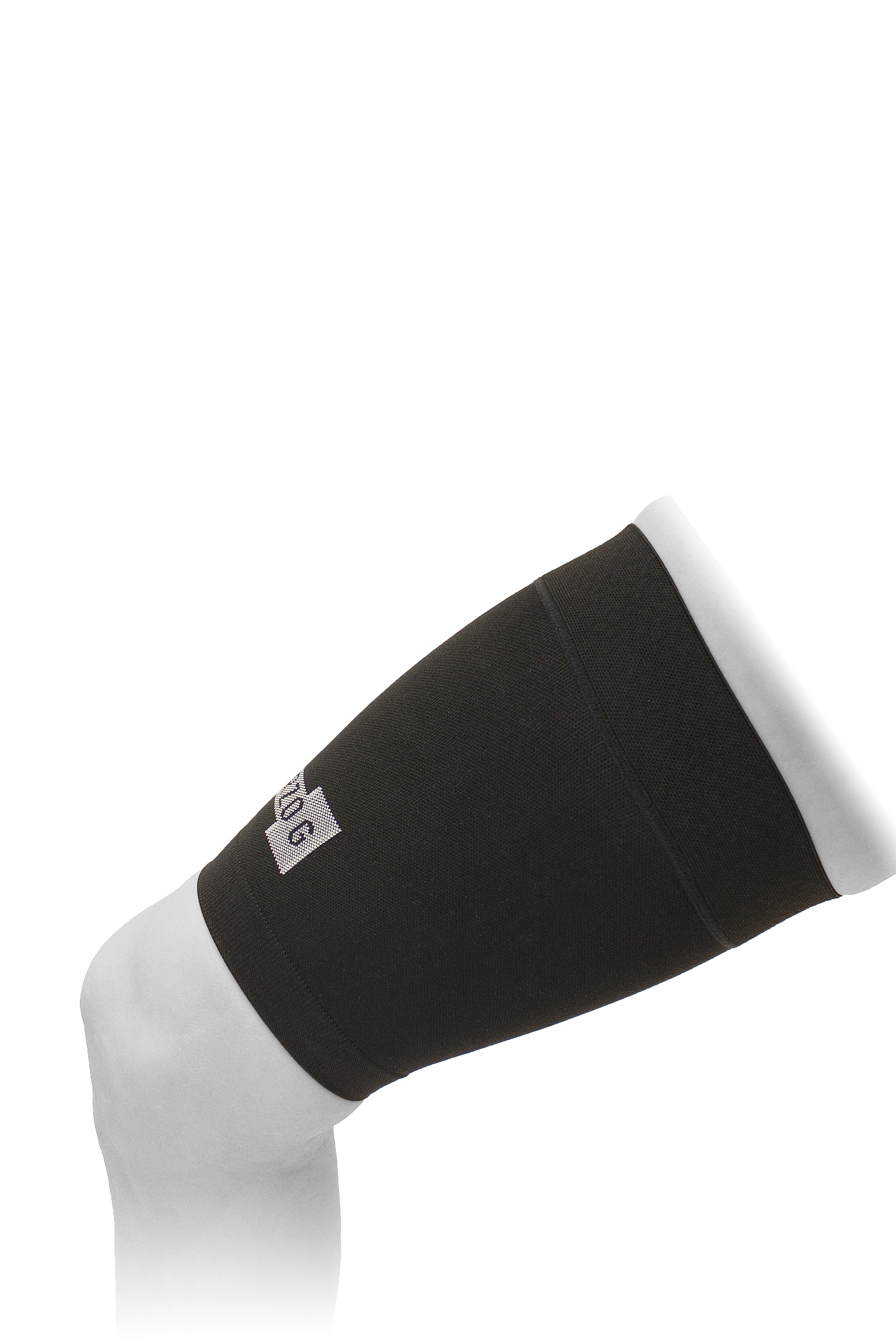
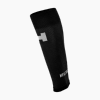
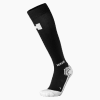
Products in this blog

Side Image

How can compression stockings help?

Compression stockings are widely used by people who regularly suffer from heavy legs or fluid retention.

Due to the gradual pressure profile, compression stockings support the venous return of blood towards the heart. This makes it less likely for fluid to remain in the lower legs.

Many users therefore experience:

  • Less heavy legs
  • More comfort on warm days
  • Less fluid retention around the ankles
  • Fresher legs at the end of the day

Why do many people choose Herzog Support Compression Stockings?

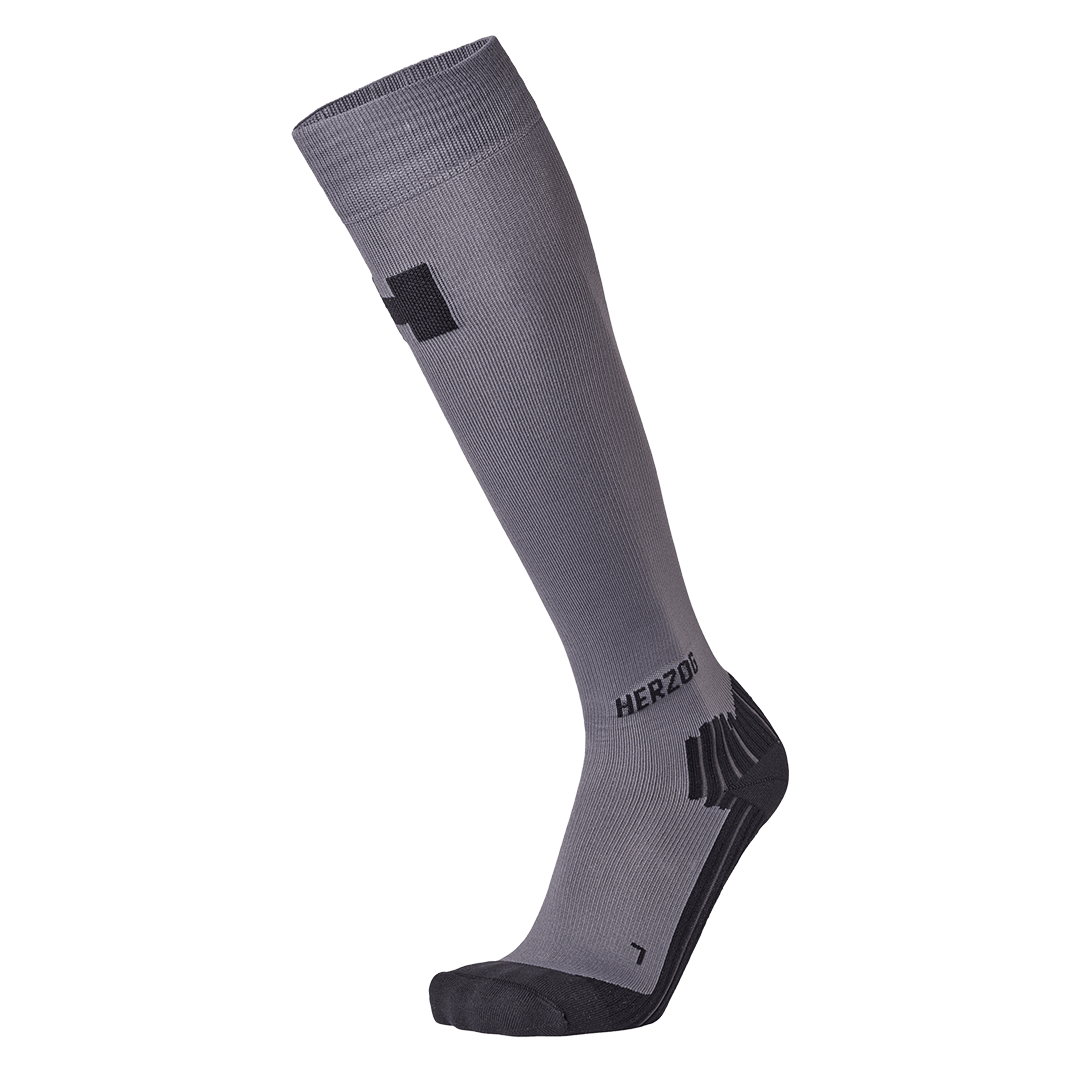
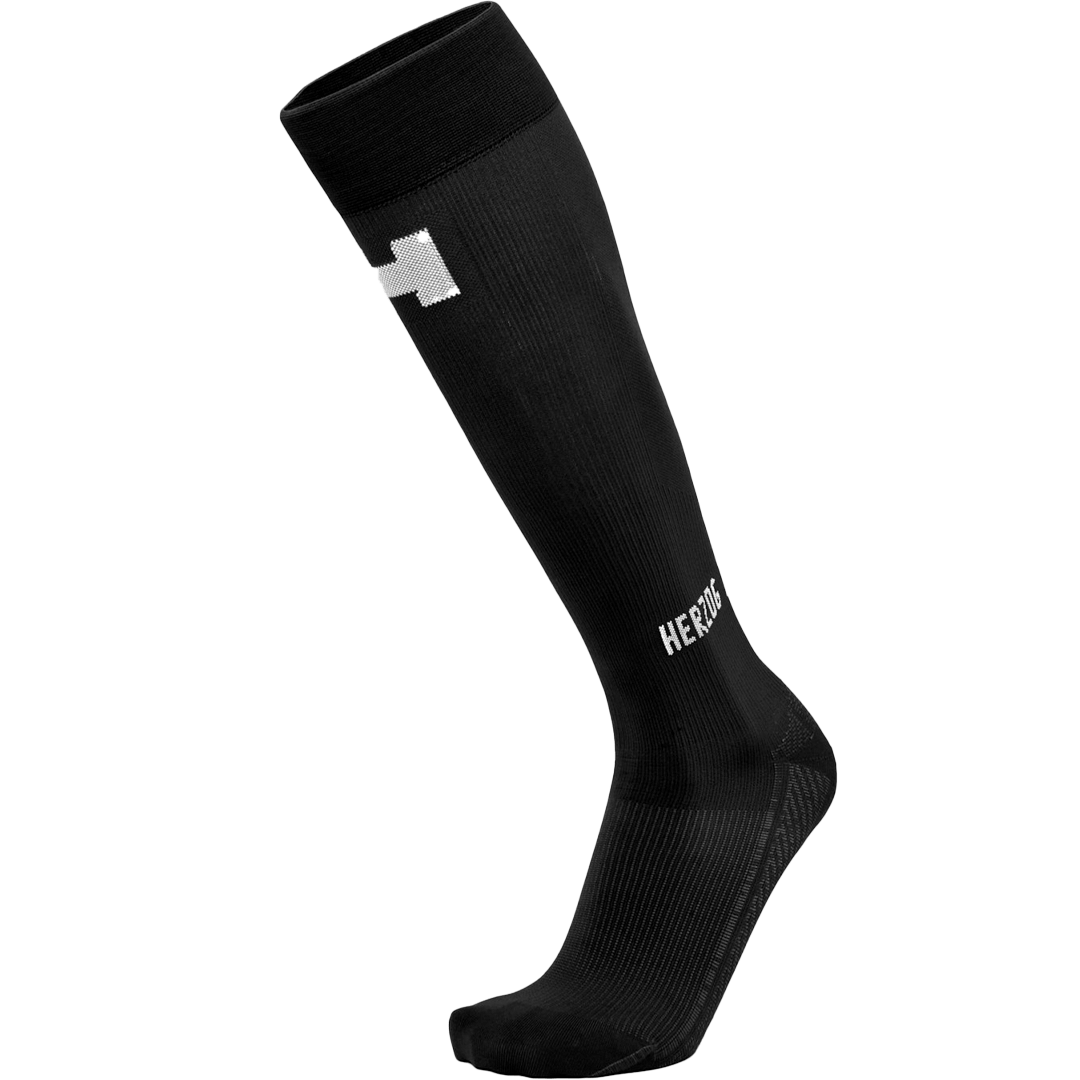
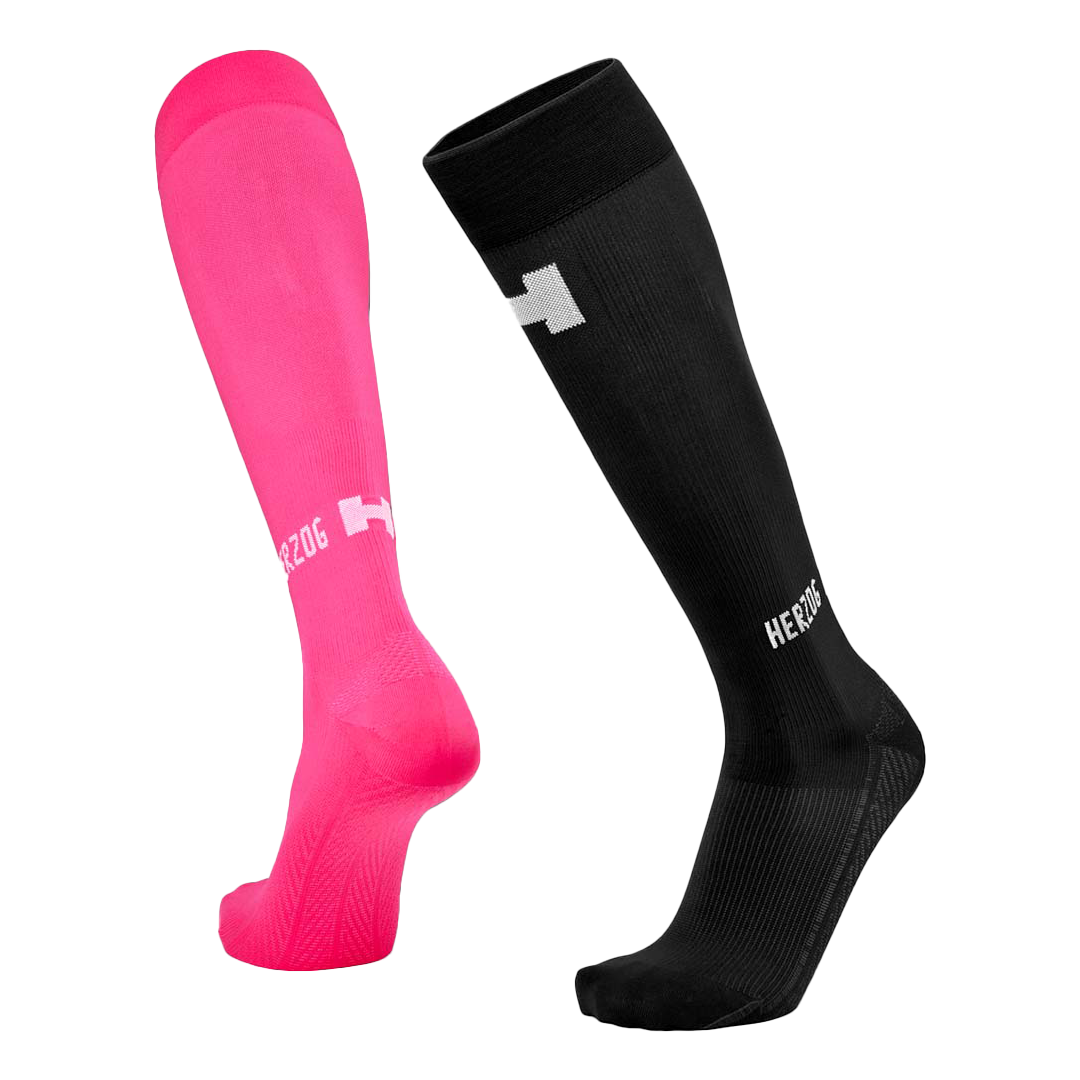
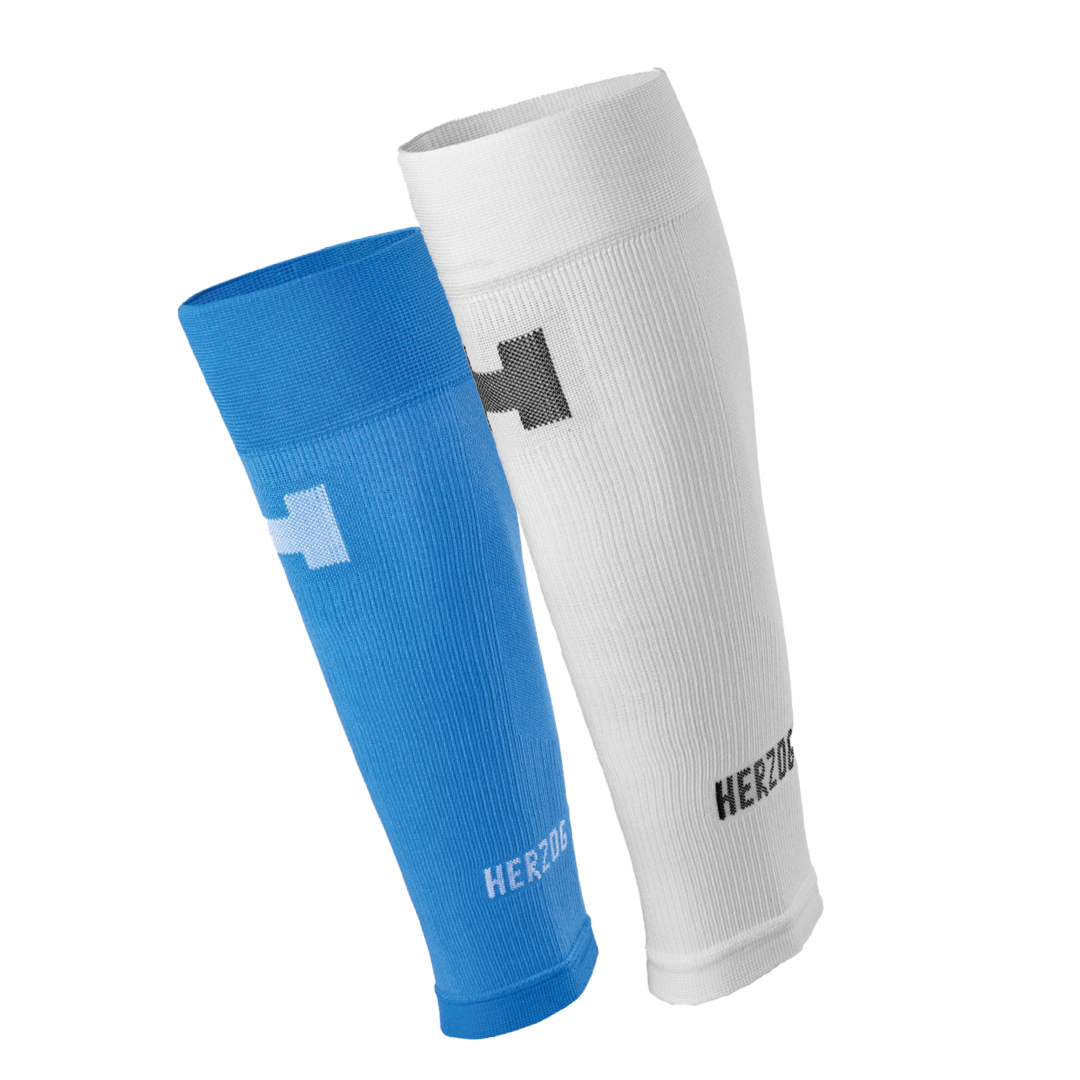
For daily use, Herzog Support Compression Stockingshave been developed to support circulation during work, travel, walking and other daily activities.

The stockings offer a comfortable form of compression and are designed for long-term wear.

Thanks to the breathable materials, the stockings remain comfortable even on warmer days.

When should you contact a doctor?

Fluid retention during warm weather is usually harmless. However, it is advisable to seek medical help when:

  • Only one leg suddenly swells
  • Pain or redness occurs
  • The swelling does not decrease
  • You experience shortness of breath
  • Symptoms suddenly worsen

In some cases, there may be an underlying medical cause.