Preventing groin injuries: practical tips for athletes

A groin injury can be quite persistent. While some sports injuries heal relatively quickly, groin complaints can linger for weeks or even months if not properly addressed. Especially athletes who sprint frequently, turn, maneuver, or make explosive movements, run an increased risk.

Fortunately, you can do a lot to reduce the chance of a groin injury. In this blog, we explain how groin injuries occur and what practical measures you can take to better protect your body.

Side Image

What is a groin injury?

A groin injuryusually refers to overuse or damage to the muscles, tendons, or attachments around the groin. This often involves the adductors: the muscles on the inside of the thigh that move the leg inward and stabilize it.

A groin injury can occur suddenly due to an incorrect movement, but it more often develops gradually due to repetitive strain.

Common symptoms include:

  • Pain on the inside of the thigh
  • Pain in the groin area during movement
  • Stiffness when starting movement
  • Pain when sprinting, turning, or kicking
  • Reduced strength in the leg

Which athletes are at higher risk?

Groin injuries are particularly common in sports that involve many explosive movements.

Consider:

Runners can also develop groin complaints, especially when training load is increased too quickly or when there are muscle imbalances.

Why do groin injuries occur?

Often there isn't one clear cause. A groin injury usually results from a combination of factors.

Too rapid training build-up

Muscles, tendons, and joints need time to adapt to increased load.

When you:

  • Start training more
  • Start training more intensely
  • Play more matches

the load can increase faster than the body can handle.

Reduced muscle strength

The muscles around the hips, abdomen, glutes, and thighs work closely together. If one of these muscle groups is insufficiently strong, extra strain can be placed on the groin.

Fatigue

As muscles become fatigued, control over movements decreases. This makes tendons and muscles more susceptible to overuse.

Insufficient recovery

Many athletes focus primarily on their training schedule and less on their recovery. However, this is often where the key to injury prevention lies.

Side Image

Practical tips to prevent a groin injury

1. Gradually increase training load

One of the most important ways to prevent injuries is a gradual increase in training intensity and training volume.

Do not increase simultaneously:

  • The number of training sessions
  • The duration of training
  • The intensity

Give your body time to adapt.

2. Pay attention to strength training

Strong muscles around the pelvis and hips help to absorb forces better.

Therefore, pay attention to:

  • Gluteal muscles
  • Core stability
  • Hip muscles
  • Thigh muscles

A stable base reduces the load on the groin area.

3. Take recovery seriously

Recovery is not an interruption of your training, but an essential part of it.

Sufficient recovery means:

  • Enough sleep
  • Good nutrition
  • Sufficient rest days
  • Smart management of training load

It is precisely during recovery that muscles become stronger and more resistant to future loads.

4. Ensure a good warm-up

A good warm-up prepares muscles and tendons for the exertion that follows.

Dynamic exercises such as:

  • Knee raises
  • Lunges
  • Sideways movements
  • Mobility exercises

can help to better prepare the body for explosive actions.

5. Listen to early signals

Many groin injuries start with minor complaints that are easily ignored.

Do you regularly have:

  • A nagging feeling in the groin
  • Stiffness after training
  • Pain when sprinting

then it is wise to take action in time before the complaints worsen.

Products in this blog

Side Image

The role of compression in injury prevention

During explosive sports, the thigh muscles are subjected to significant forces. Especially the hamstrings, quadriceps, and adductors are constantly stressed during sprinting, accelerating, decelerating, and turning.

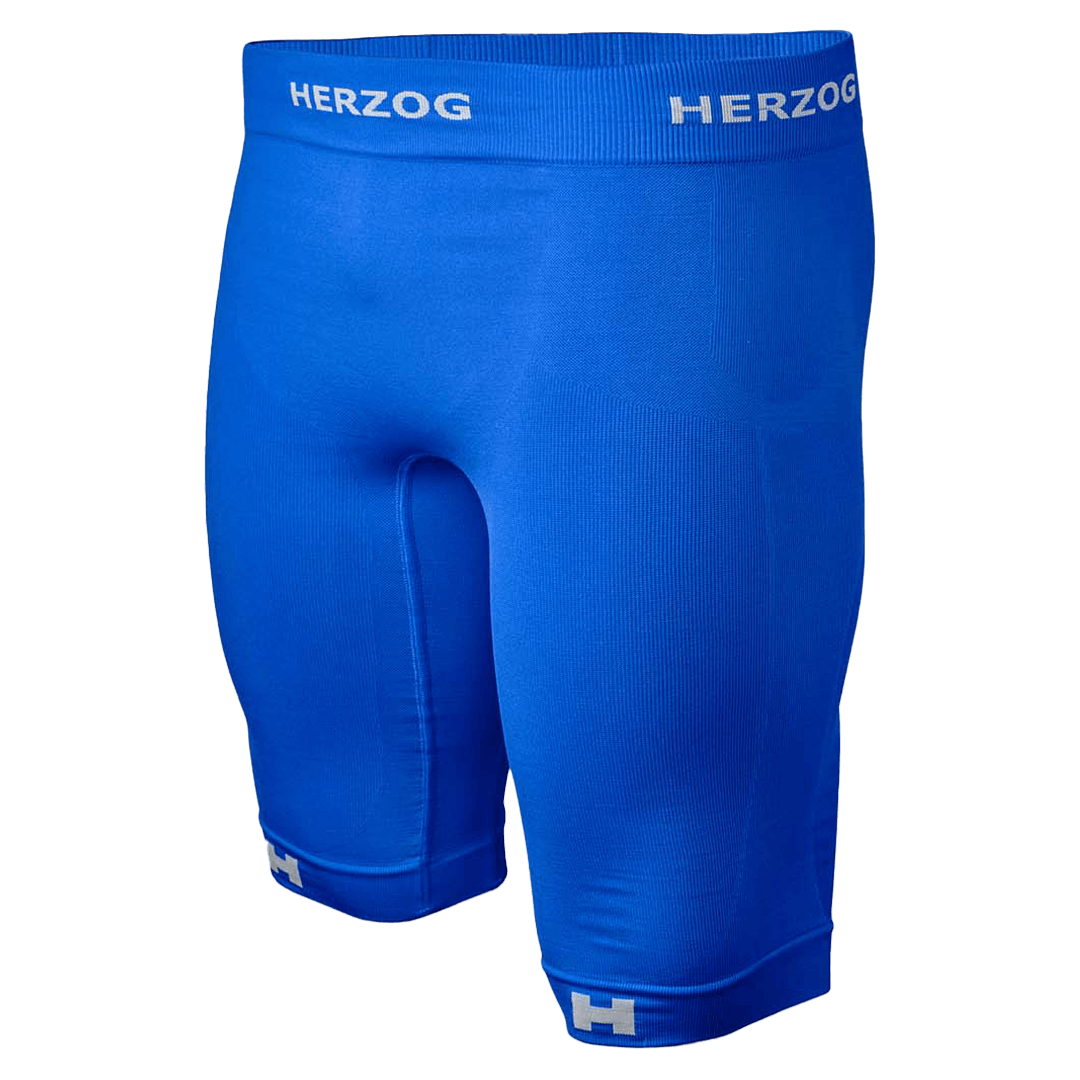
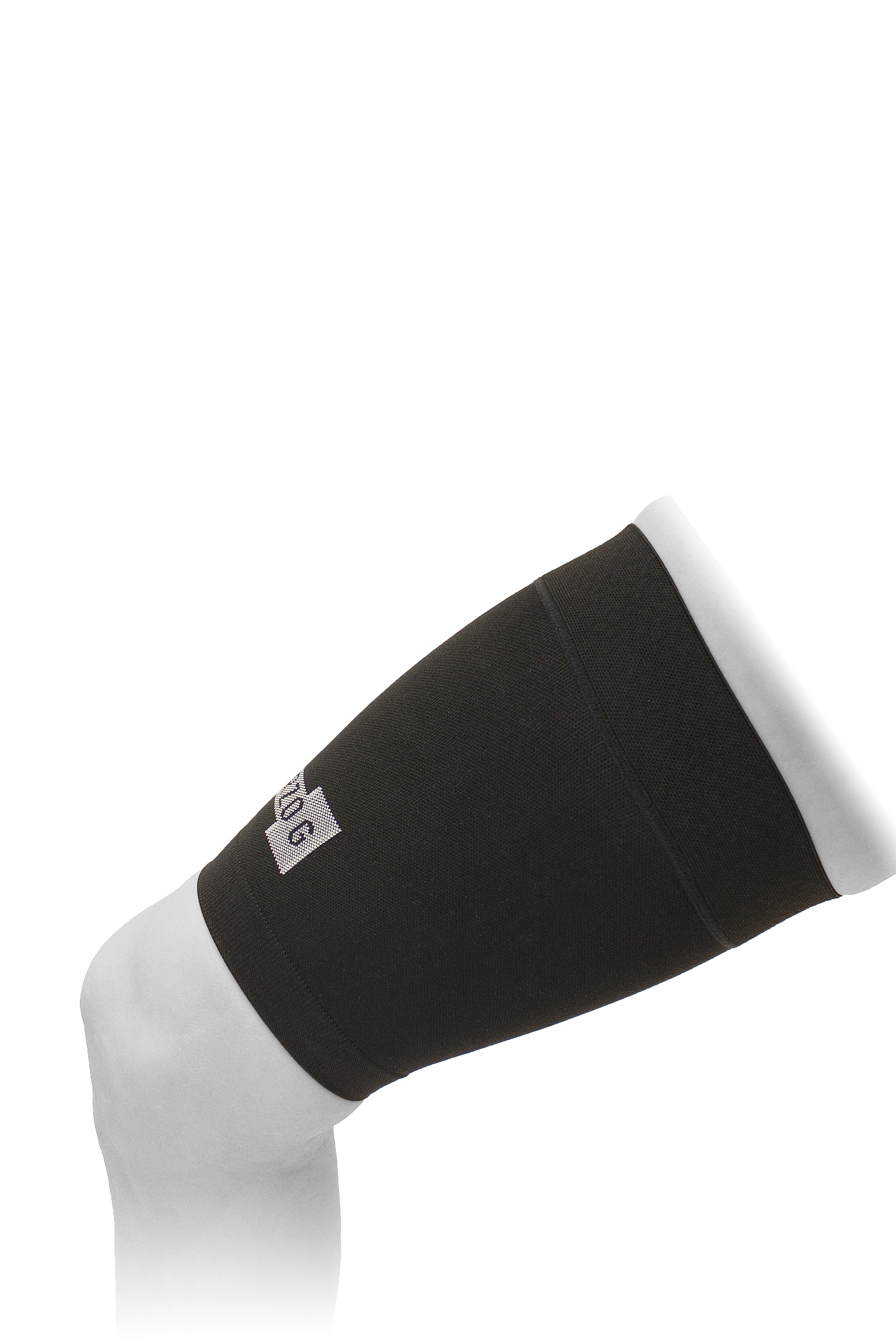
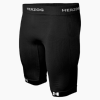
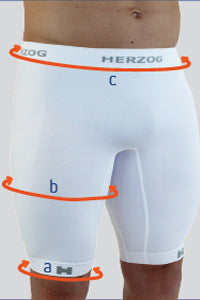
The Herzog PRO Compression Shorthas been specifically developed to support these muscle groups during exertion.

Through targeted compression:

  • Muscle vibrations are reduced
  • The thigh muscles receive extra support
  • Muscles feel more stable during explosive movements
  • The load is better distributed over the muscle tissue

Additionally, the decreasing pressure profile supports blood circulation, contributing to recovery after exertion.

It's no coincidence that the Herzog PRO Compression Short is used by both recreational athletes and professional athletes who want to optimally support their muscles during training and competitions.

What if you already have a groin injury?

Have you developed symptoms anyway? Then it is important to first have a proper diagnosis made by a doctor or physical therapist.

Not every groin pain is the same. Different structures can be involved, such as muscles, tendons, joints, or nerves.

A good diagnosis always forms the basis for an effective recovery process.

Conclusion

A groin injury often arises from a combination of high load, fatigue, and insufficient recovery. By training smartly, paying sufficient attention to strength, recovery, and warm-up, you can significantly reduce the risk of symptoms.

For athletes who want extra support for their thigh muscles during explosive exertions, the Herzog PRO Compression Short offers a valuable addition. Thanks to targeted compression and support of the large muscle groups, these shorts help athletes train with more confidence and comfort.