Restless Legs: Causes, Symptoms, and What Helps

Do you ever feel like you just have to move your legs as soon as you sit or lie down? Especially in the evening or while sleeping, these symptoms can be very bothersome. Restless legs are common and can affect your sleep and daily functioning.

In this blog, you'll learn what restless legs are, what symptoms are common, and what can help alleviate them.

Side Image

What are restless legs?

Restless legs, also known as Restless Legs Syndrome (RLS), are complaints involving an irresistible urge to move the legs. This is often accompanied by an unpleasant sensation in the legs, such as tingling, crawling, itching, or a pulling feeling.

The symptoms usually occur during periods of rest, for example when you are sitting on the couch, lying in bed, or sitting still for a long time during a journey.

Symptoms of restless legs

People with restless legs often experience various complaints. The most common symptoms are a restless feeling in the legs, tingling, crawling sensations, or a pulling feeling deep in the muscles. Additionally, there is often a need to constantly move the legs.

Characteristically, the symptoms mainly occur in the evening or at night. By walking, moving, or stretching the legs, the symptoms often temporarily decrease. As a result, restless legs can have a negative impact on sleep quality and the body's recovery.

Side Image

What causes restless legs?

The exact cause of restless legs is not always clear. However, several factors can play a role.

For example, hereditary predisposition, fatigue, and prolonged sitting can contribute to the development of symptoms. Additionally, restless legs are more often seen in people with reduced blood circulation, iron deficiency, or during periods of increased physical exertion. Pregnancy can also temporarily lead to restless leg symptoms.

In some people, no clear cause can be identified.

What helps with restless legs?

Although the severity of symptoms varies per person, there are several ways to reduce restless legs. Regular exercise can help keep muscles active and stimulate blood circulation. It is important to find a good balance between exertion and recovery.
Sufficient sleep and a regular sleep pattern can also contribute to reducing symptoms. Additionally, some people experience relief by massaging their legs, stretching, or taking a short walk when symptoms occur.

Products in this blog

Side Image

Compression for restless legs

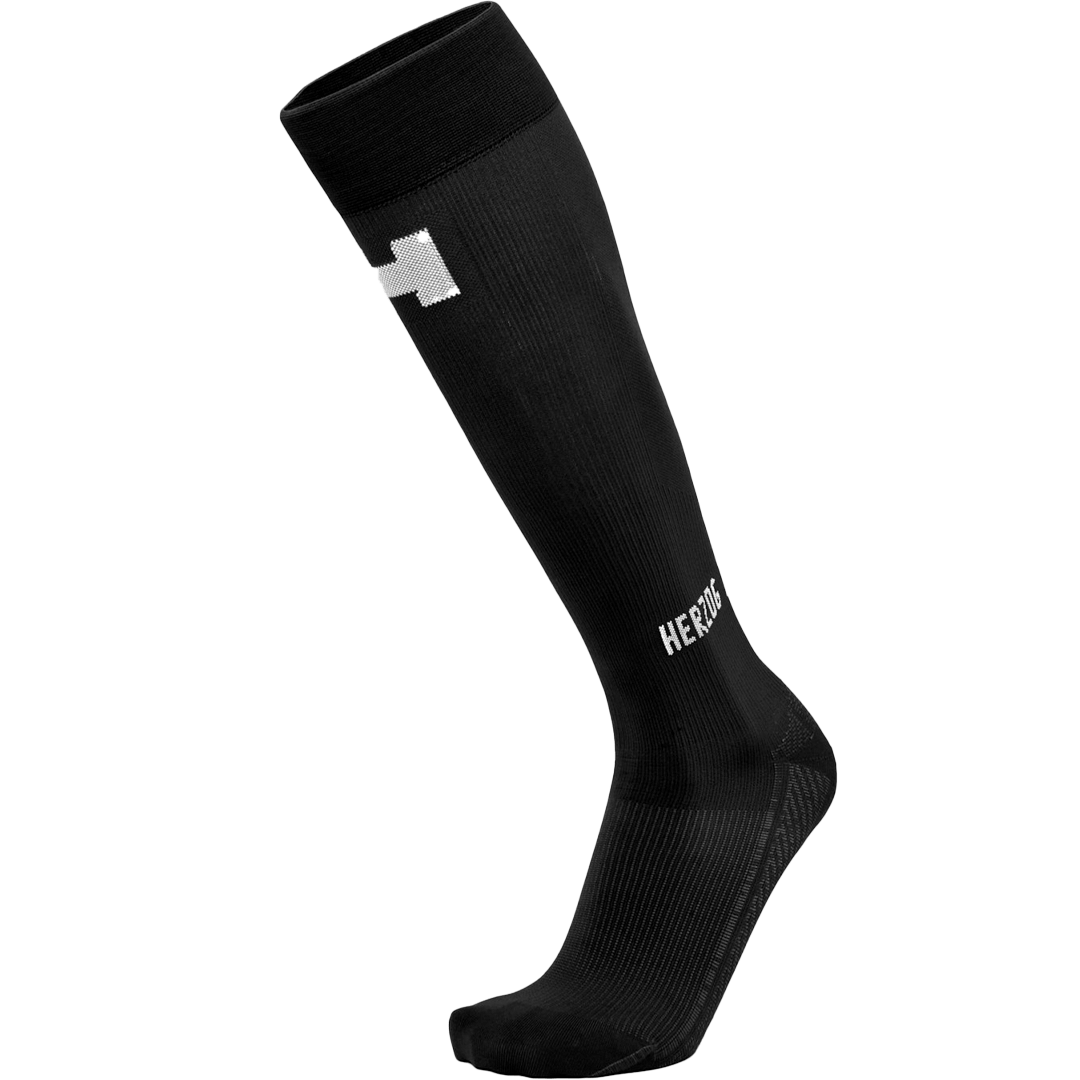
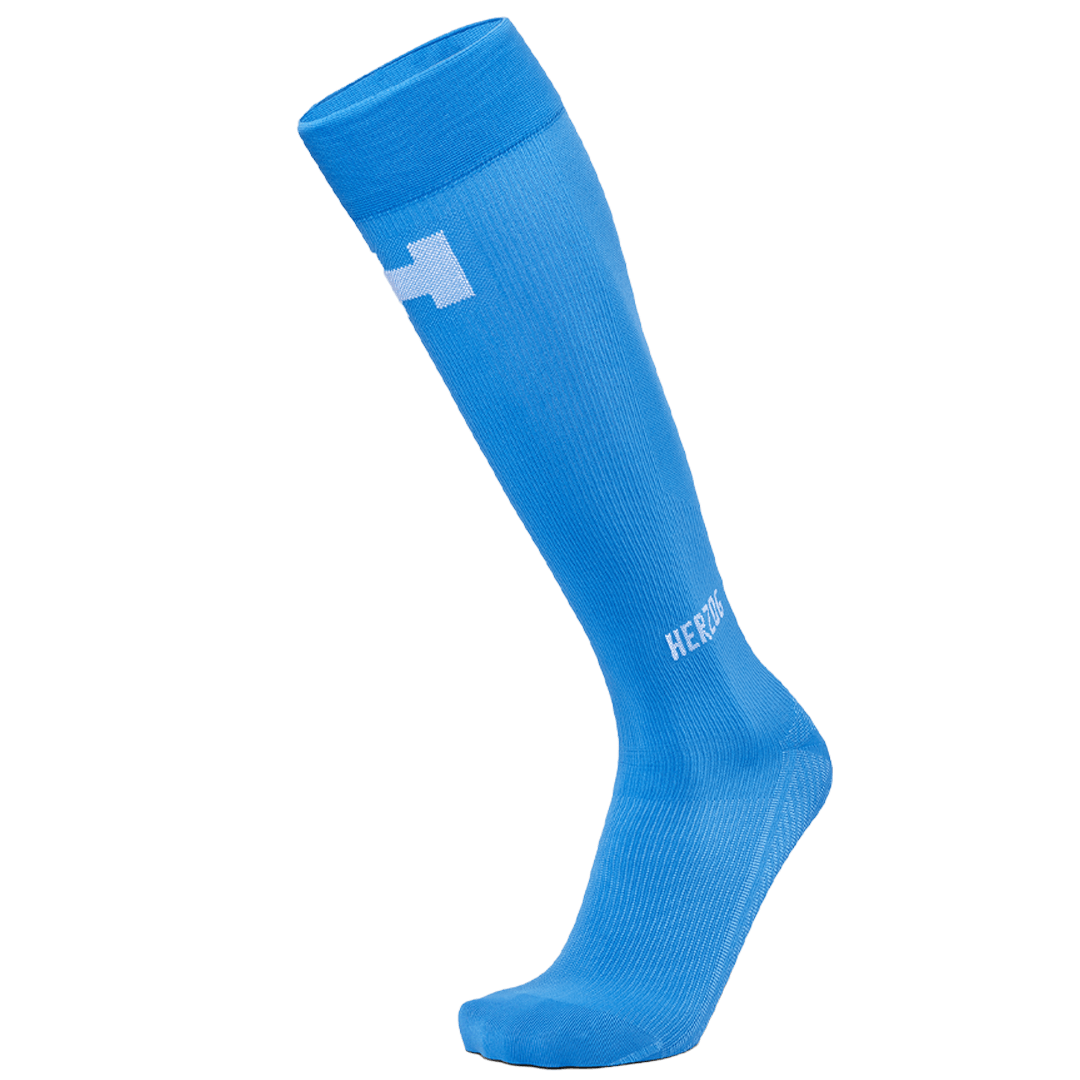
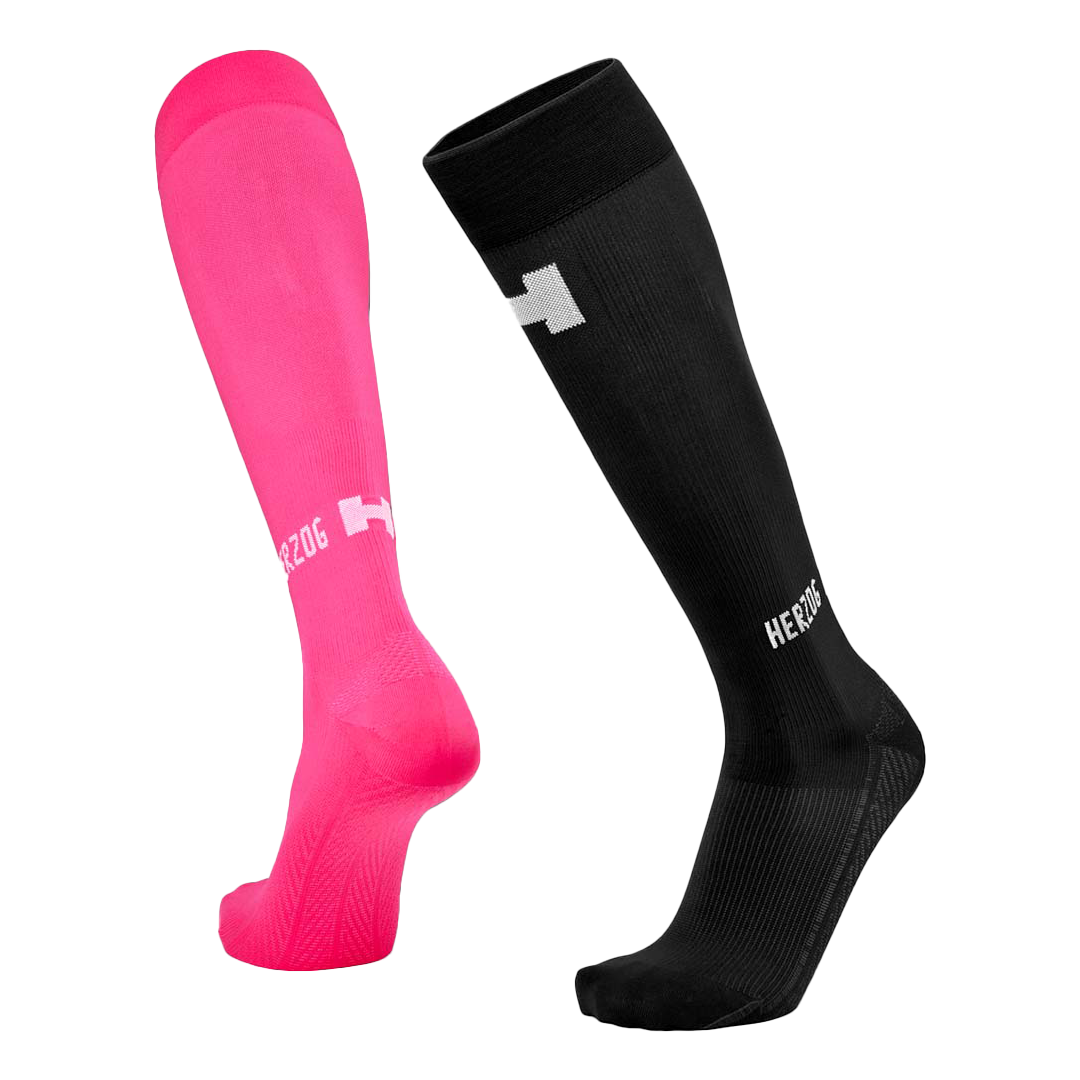
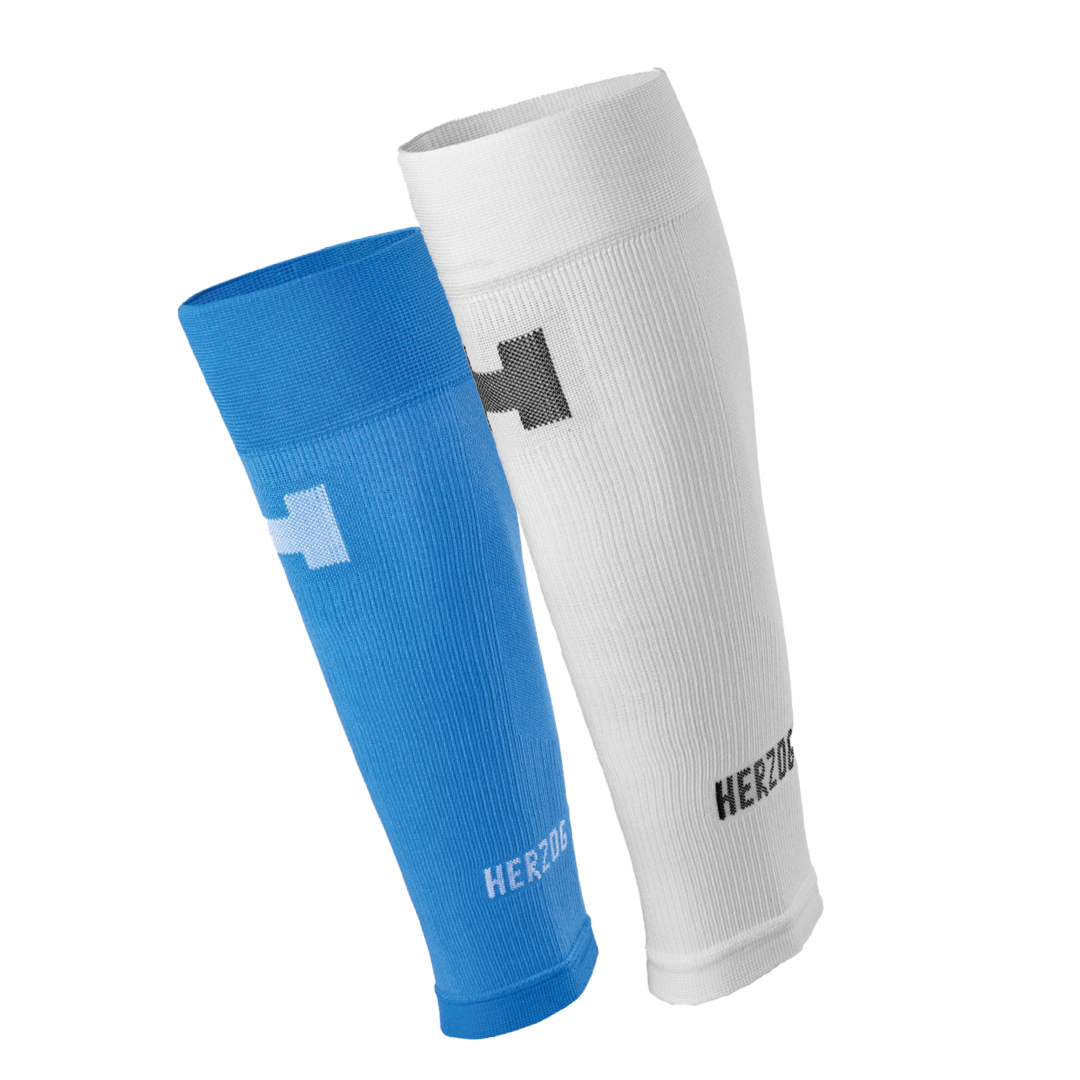
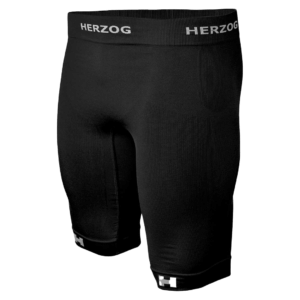
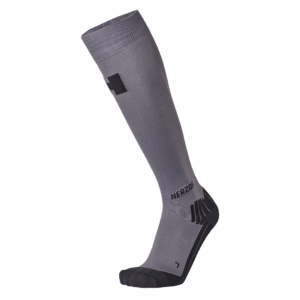
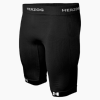
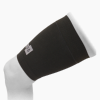
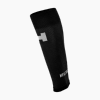
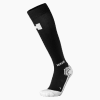
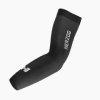
Restless legs can cause an unpleasant, tingling or restless sensation in the legs, especially during periods of rest. Many people therefore opt for compression stockings. The medical compression stockings from Herzog Medical provide gradual compression, with the pressure being highest around the ankle and gradually decreasing towards the knee. This supports blood circulation and provides a comfortable and supported feeling in the legs. Many users consequently experience more pleasant and less tired legs throughout the day.

When is it advisable to seek help?

If the symptoms recur regularly, disrupt your sleep or affect daily activities, it is advisable to contact a doctor. They can investigate whether there is an underlying cause and determine the most suitable treatment.

Conclusion

Restless legs can cause an annoying and uncomfortable sensation, especially during periods of rest and at night. The symptoms are often accompanied by a strong urge to move the legs and can affect sleep quality. Sufficient exercise, a healthy lifestyle, and good leg support can help reduce symptoms and increase comfort.