Shin splints or periostitis: what's the difference?

Pain on the inside of the shin is a common complaint among runners. Often, the terms "shin splints" and "shin inflammation" are used interchangeably, but is there actually a difference?

In practice, both terms usually refer to the same overuse injury of the lower leg. "Shin splints" is the international sports term, while "scheenbeenvliesontsteking" is the Dutch name. Although the name suggests otherwise, there is usually no actual inflammation. The pain often arises because muscles and tendons attached to the shin bone repeatedly pull on the bone, causing irritation to the surrounding tissue.

Side Image

How do shin splints occur?

Shin splints often occur due to a combination of overuse and insufficient recovery. Common causes include:

  • Too rapid an increase in training distance or intensity
  • Running on hard surfaces
  • Fatigued lower leg muscles
  • Worn-out or ill-fitting shoes
  • Changes in running technique or training schedule

The symptoms usually start as a dull ache along the shin bone during or after exercise. If the load continues to increase, the symptoms may persist longer or appear earlier during a workout.

Side Image

Compression stockings for shin splints: do they really help?

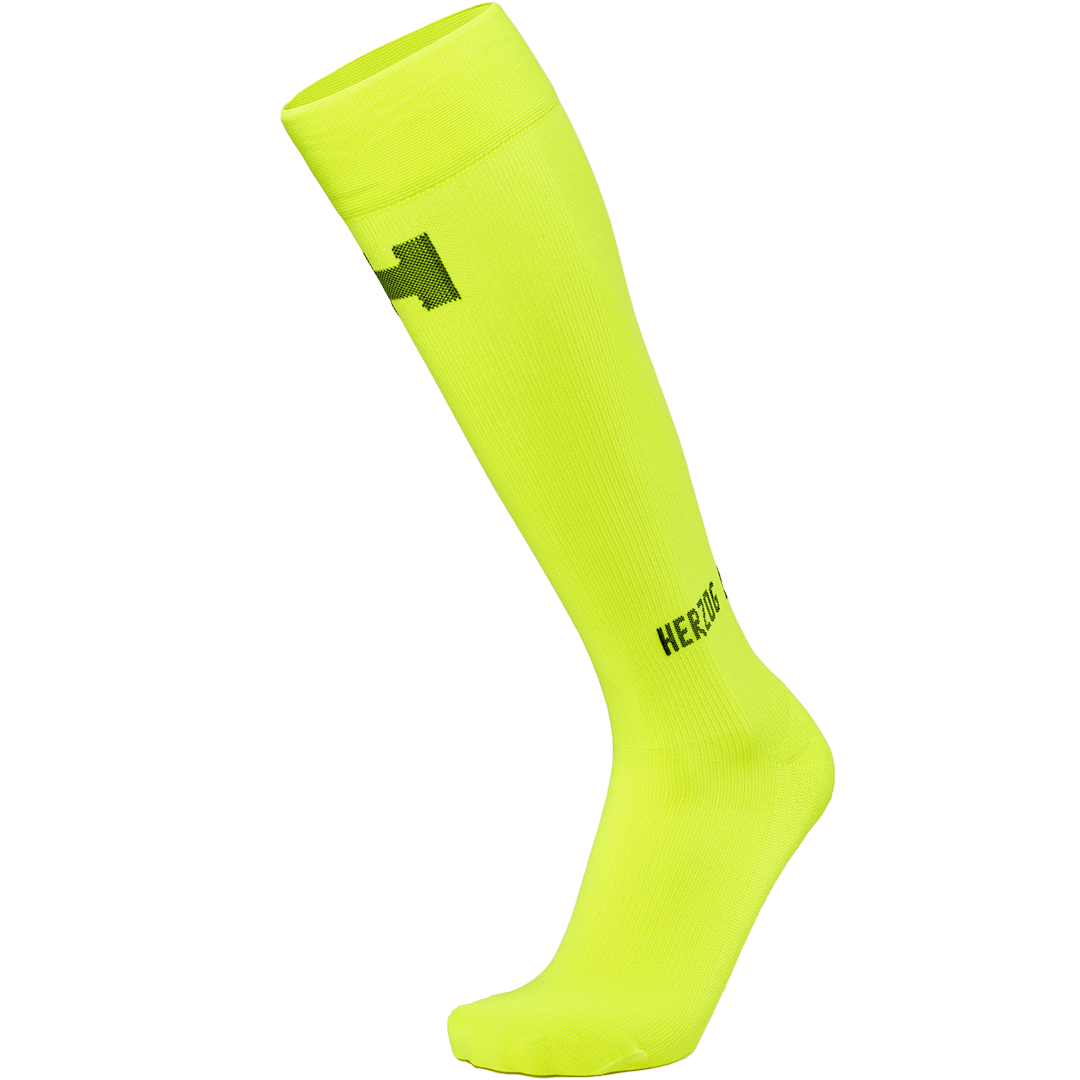
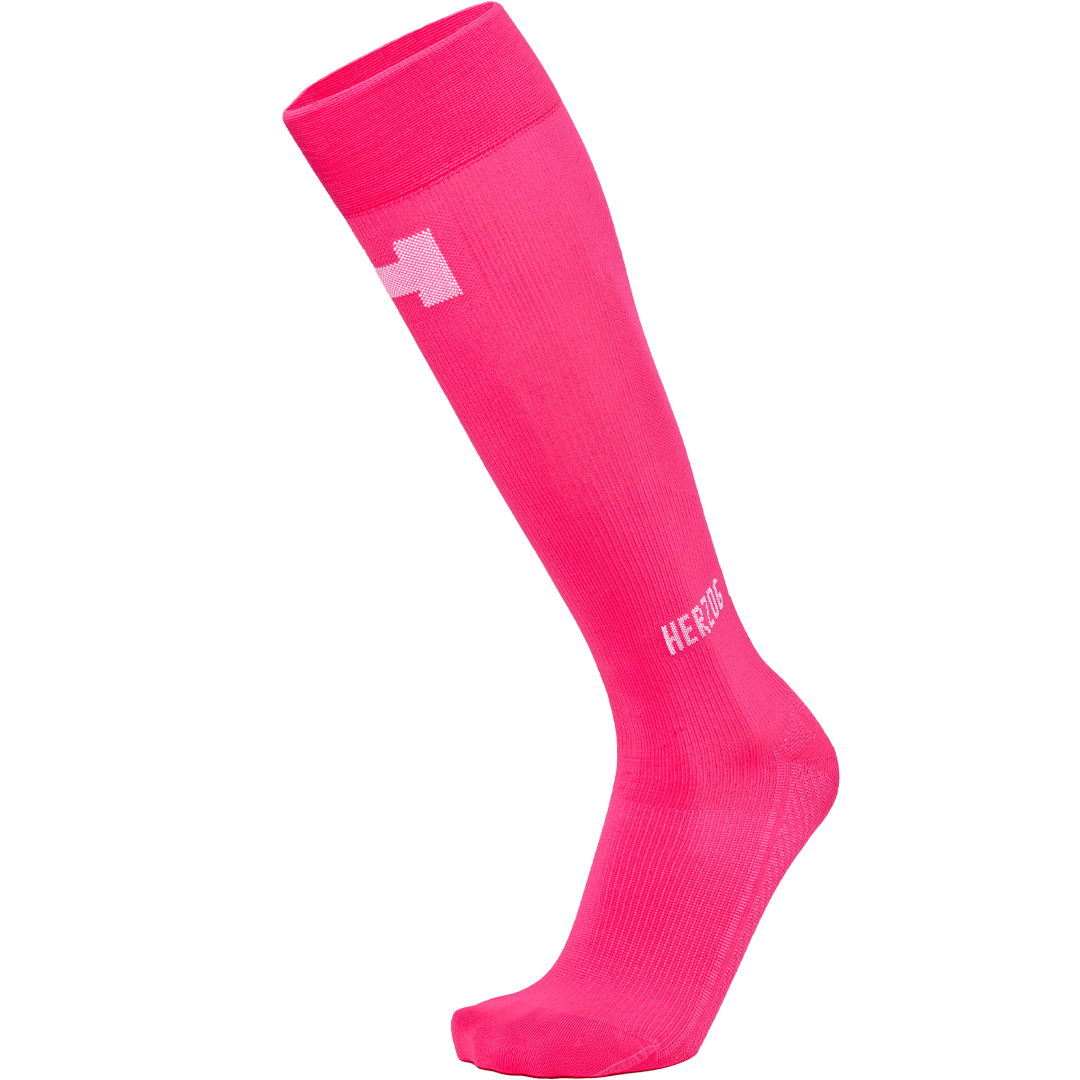
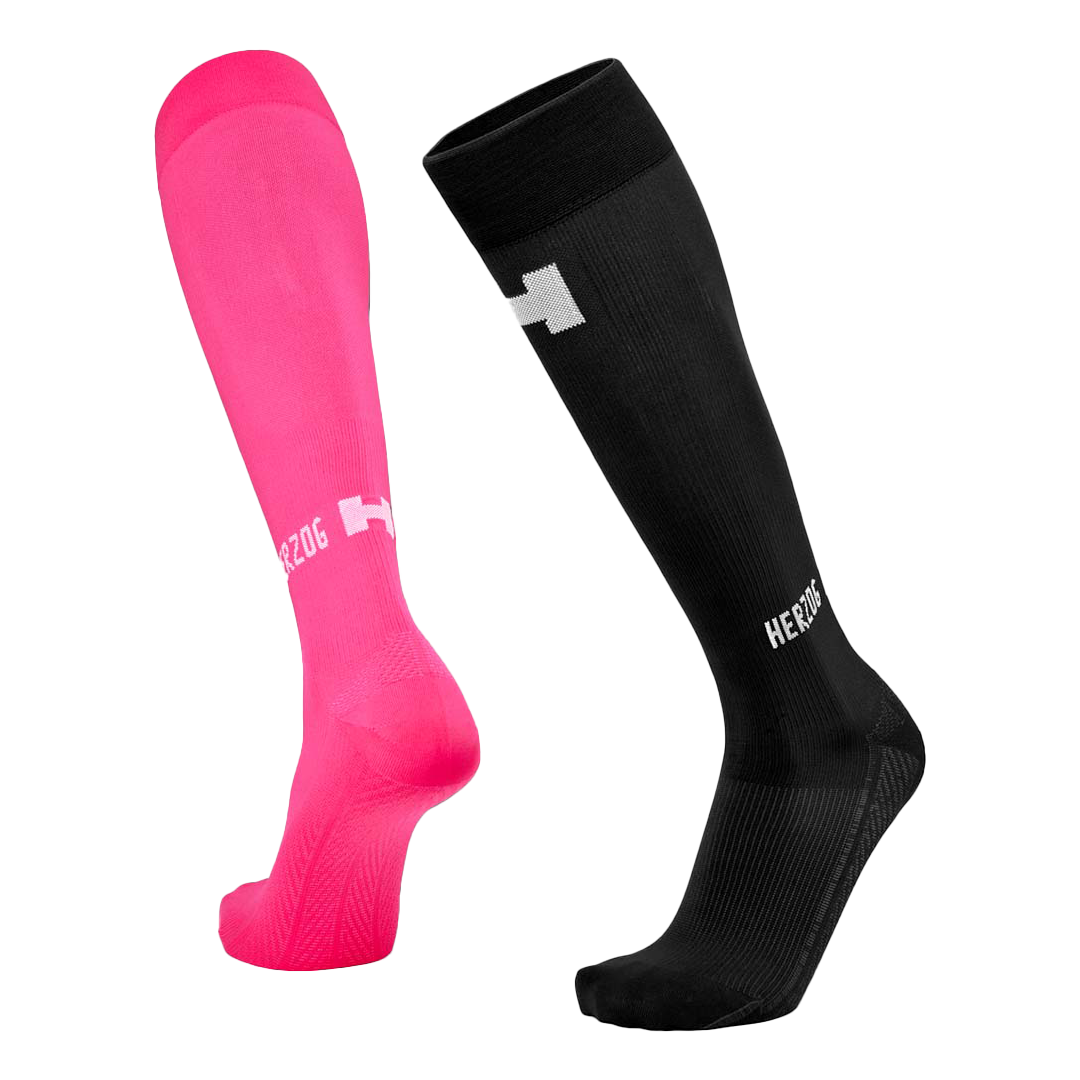
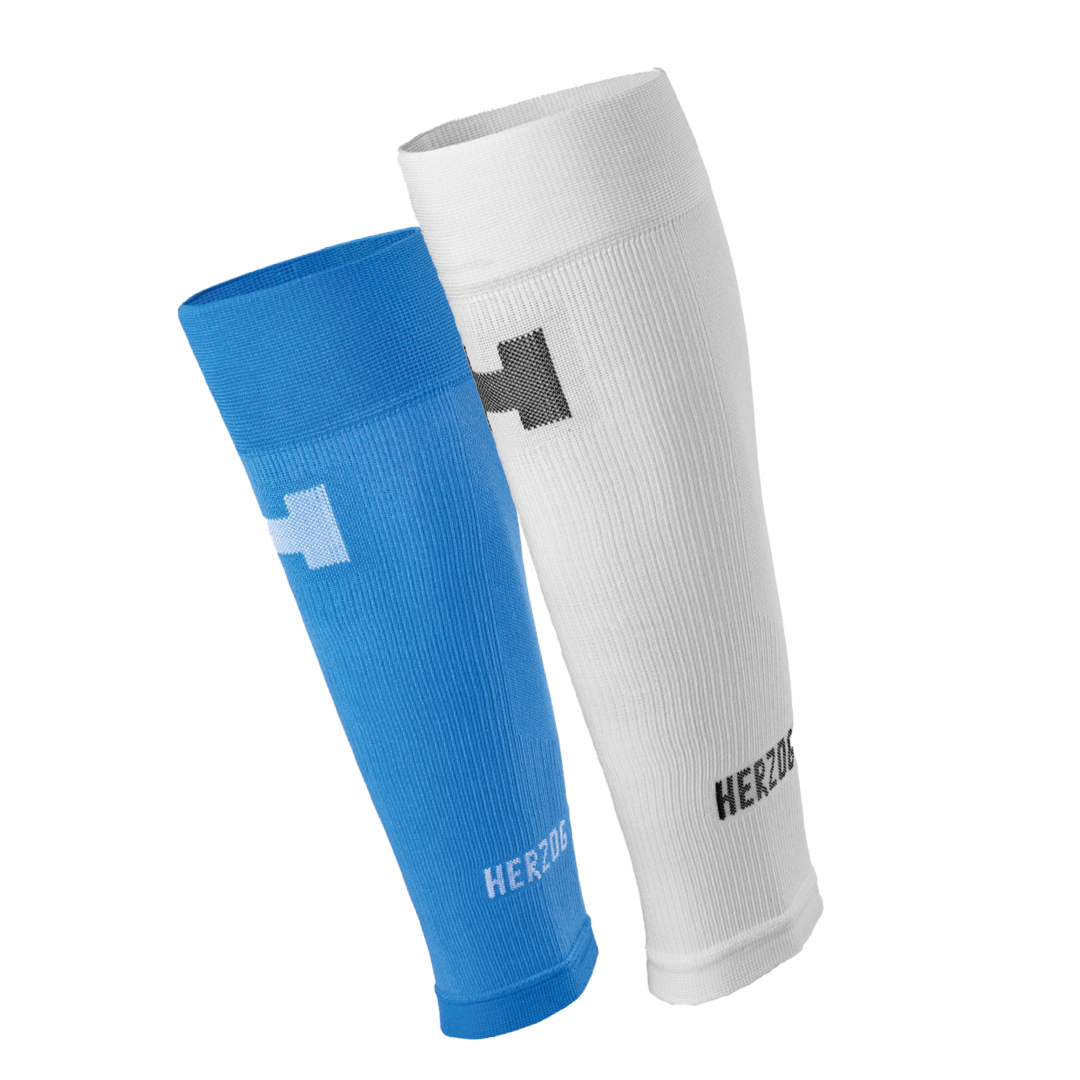
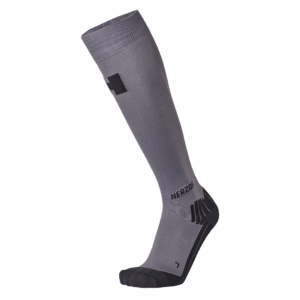
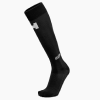
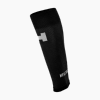
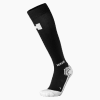
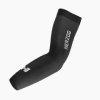
Compression stockings do not solve the cause of shin splints, but they can provide support during exercise. The Herzog PRO Compression Stockings provide medical compression around the lower leg and calf. This reduces muscle vibrations and gives the muscles extra support with every step.

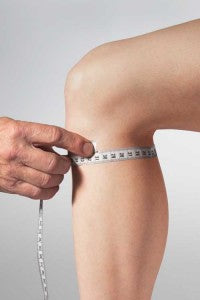
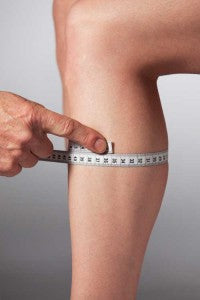
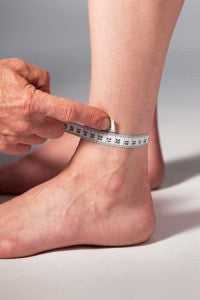
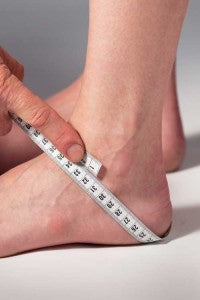
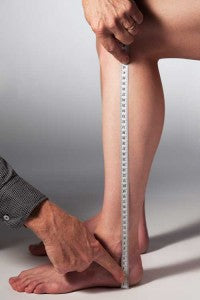
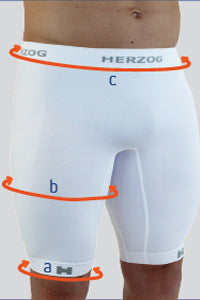
Many runners experience greater stability and comfort during training as a result. In addition, Herzog PRO Compression Stockings are unique because they are measured based on six measuring points, so that the compression fits precisely to the shape of the lower leg.

Calculate your size

Products in this blog

Side Image

Running with shin splints: wise or not?

Whether you can continue running depends on the severity of the symptoms. With mild symptoms, it may sometimes be possible to temporarily reduce the training load and adjust the running distance. If the pain increases during running or persists at rest, it is advisable to take a step back.

By responding promptly to the first signs of overuse, you can often prevent the symptoms from becoming chronic.

Conclusion

Shin splints and periostitis are usually two names for the same overuse injury to the shin. The complaints often arise due to a combination of training load and insufficient recovery. A gradual increase in training remains the most important way to prevent problems. Herzog PRO Compression Socks can provide support by reducing muscle vibrations and giving the lower legs extra stability during running.