Stiff Achilles tendon in the morning: what does it mean?

Do you regularly wake up with a stiff or sensitive Achilles tendon? You're not alone. Many athletes notice that the first steps out of bed feel a bit stiff, while the discomfort subsides during the day. Although morning stiffness doesn't always directly mean an injury, it is often an important signal from your body.

In this blog, we explain what causes a stiff Achilles tendon in the morning, when you should be alert, and what you can do to reduce discomfort.

Side Image

Why is your Achilles tendon stiff specifically in the morning?

During the night, you are not very active. As a result, the Achilles tendon is not stressed for hours, and blood flow decreases compared to when you are active. When you then get up, the tendon has to readjust to being loaded.

With a healthy tendon, you usually notice little of this. However, if the tendon is irritated or overloaded, this can manifest as stiffness or a pulling sensation during the first steps of the day.

Morning stiffness as the first warning sign

Many Achilles tendon problems do not start with severe pain during exercise, but with subtle signals. Morning stiffness is one of them.

Athletes often describe it as:

  • A tight tendon upon waking
  • Difficulty walking during the first few minutes
  • A feeling as if the calf is "stuck"
  • Symptoms that decrease once you start moving

Precisely because the symptoms disappear later in the day, they are often ignored. However, this can be a sign that the tendon is experiencing more load than it can currently handle.

Side Image

When does morning stiffness become a problem?

A single stiff morning after a tough workout is no cause for concern. It's likely that the tendon is simply recovering from the strain.

It becomes more interesting when:

  • The stiffness is present for several consecutive days
  • The symptoms persist for longer and longer periods
  • You experience pain during or after exercise
  • The tendon becomes tender to the touch
  • A visible thickening develops

In these cases, there may be early signs of Achilles tendon overuse.

What does the duration of stiffness tell us?

Sports physiotherapists often use the duration of morning stiffness as an indication of the tendon's load capacity.

As a guideline:

  • Less than 5 minutes: often a normal reaction to load
  • 5 to 30 minutes: possibly a sign that the tendon needs extra attention
  • More than 30 minutes: may indicate a clearly reduced load capacity

This does not automatically mean you have to stop exercising, but it is wise to critically review your training load.

Common causes of a stiff Achilles tendon

A heavy training period

More mileage, more intense training, or a busy competition schedule can mean the tendon doesn't get enough time to recover.

Change of surface

Running on hilly terrain, the beach, or a different surface often stresses the Achilles tendon differently than you're used to.

New shoes

A different heel height or cushioning can affect the tension placed on the tendon.

Reduced calf strength

When the calf muscles are weaker or fatigued, the Achilles tendon has to do relatively more work.

Age

As we age, the elasticity of tendon tissue decreases. This can make the tendon more susceptible to stiffness and overuse.

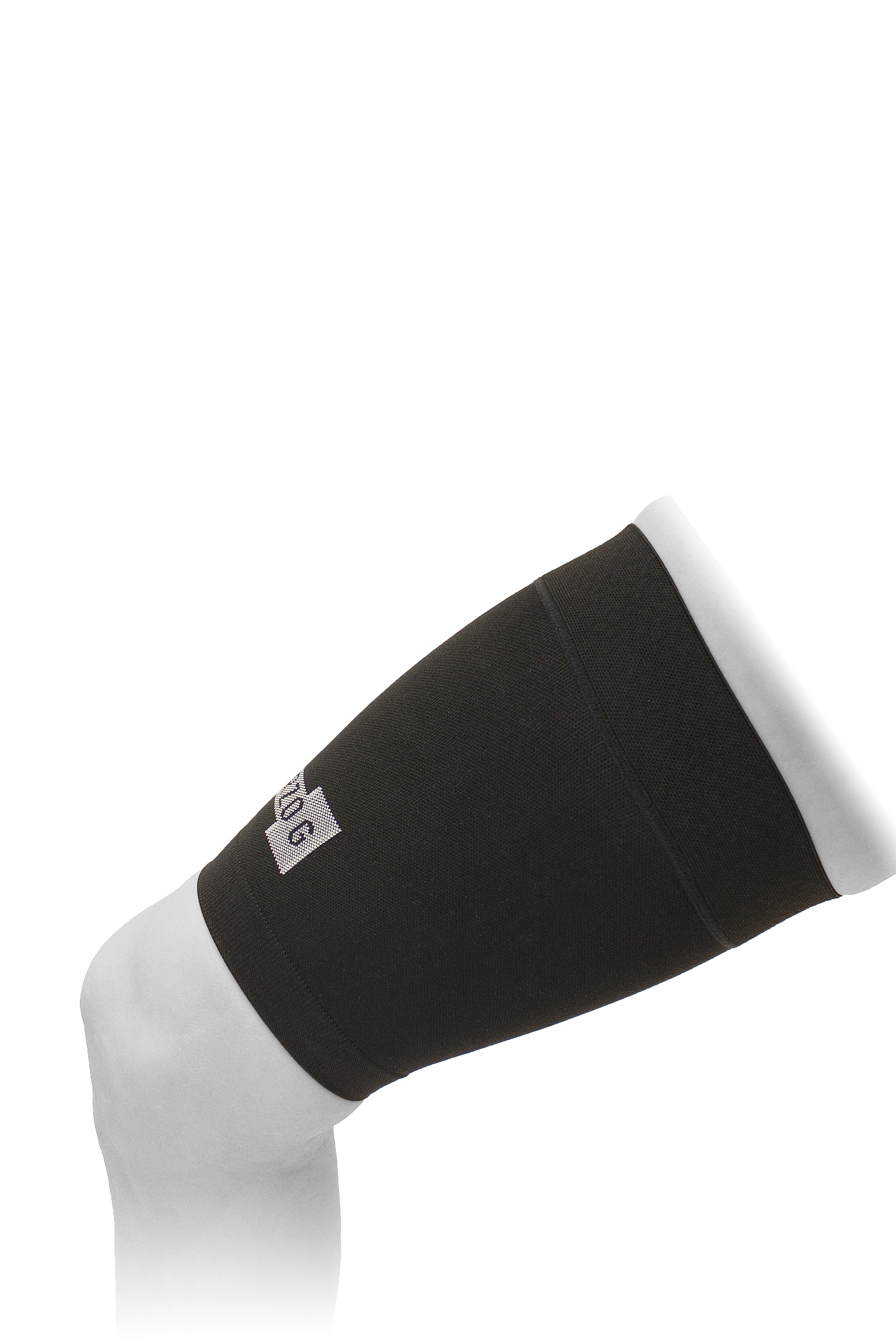
Products in this blog

Side Image

What can you do about morning stiffness?

Start slowly

Don't jump straight out of bed or immediately start with intense movements. A few minutes of gentle walking often helps to gradually warm up the tendon.

Monitor your load

Do you notice that the stiffness is increasing? Then critically review your training volume, intensity, and recovery periods.

Ensure strong calf muscles

Targeted calf exercises can contribute to better load capacity of the entire muscle-tendon chain.

Keep moving

Complete rest is not always the best solution. Tendon tissue often responds positively to controlled loading within pain limits.

Can compression help?

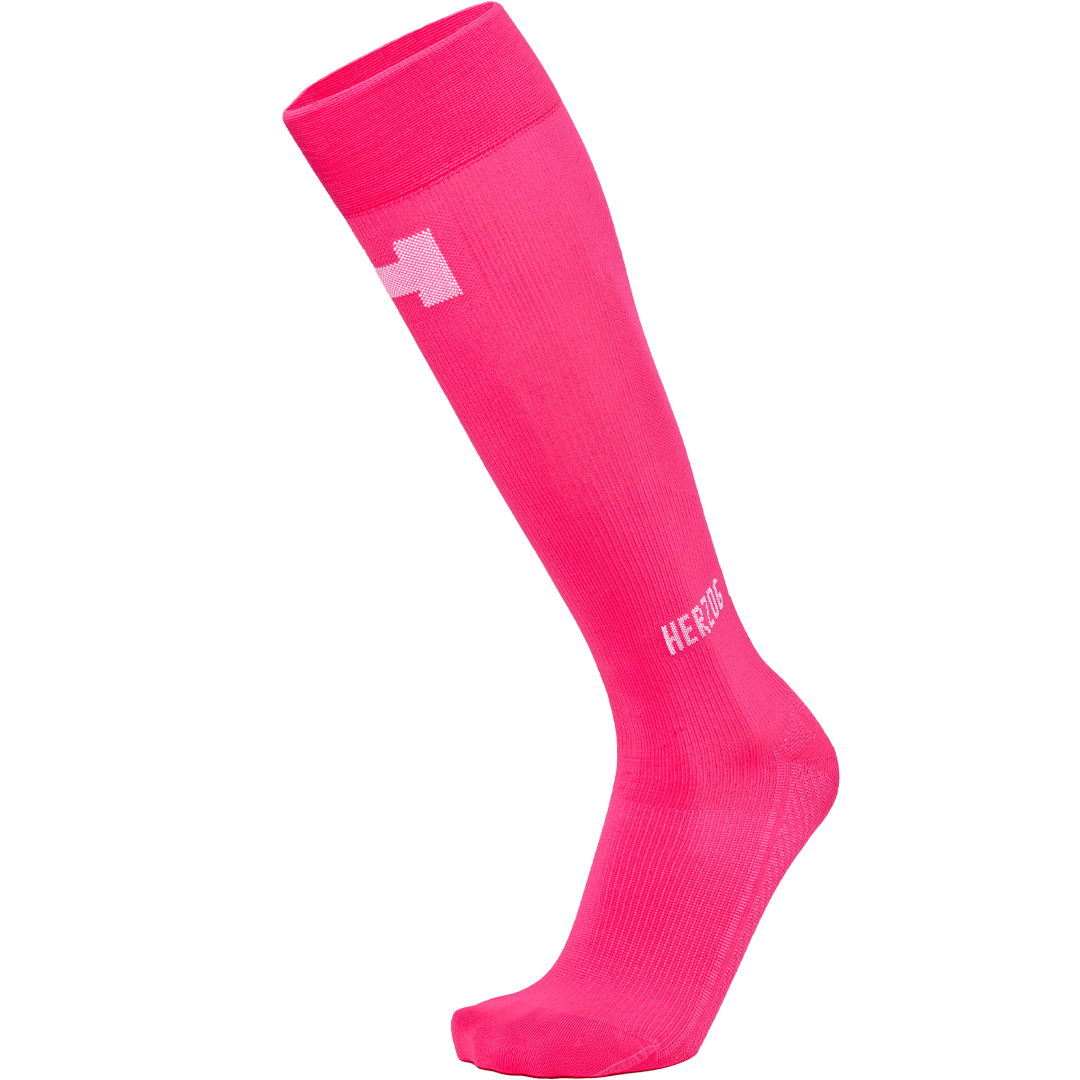
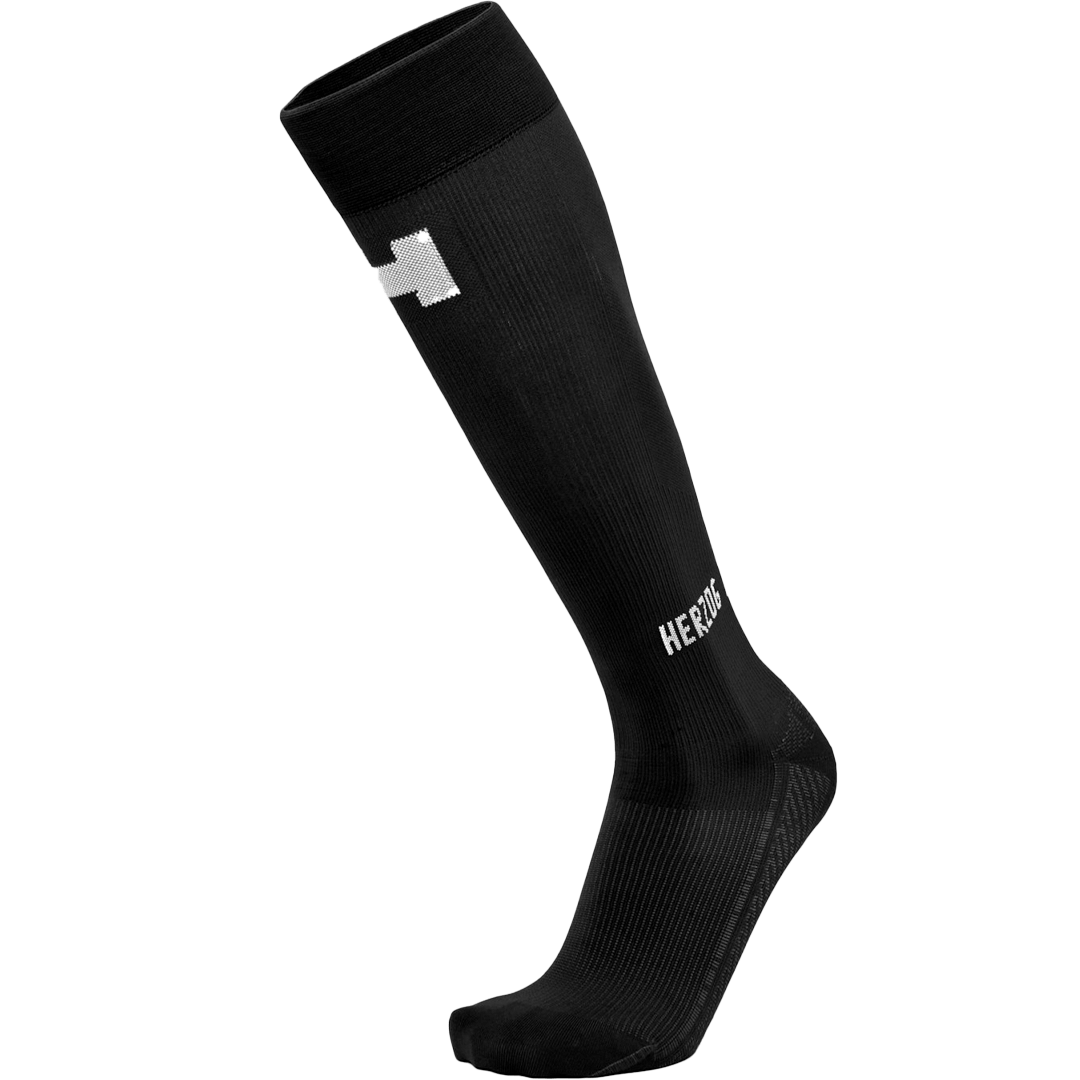
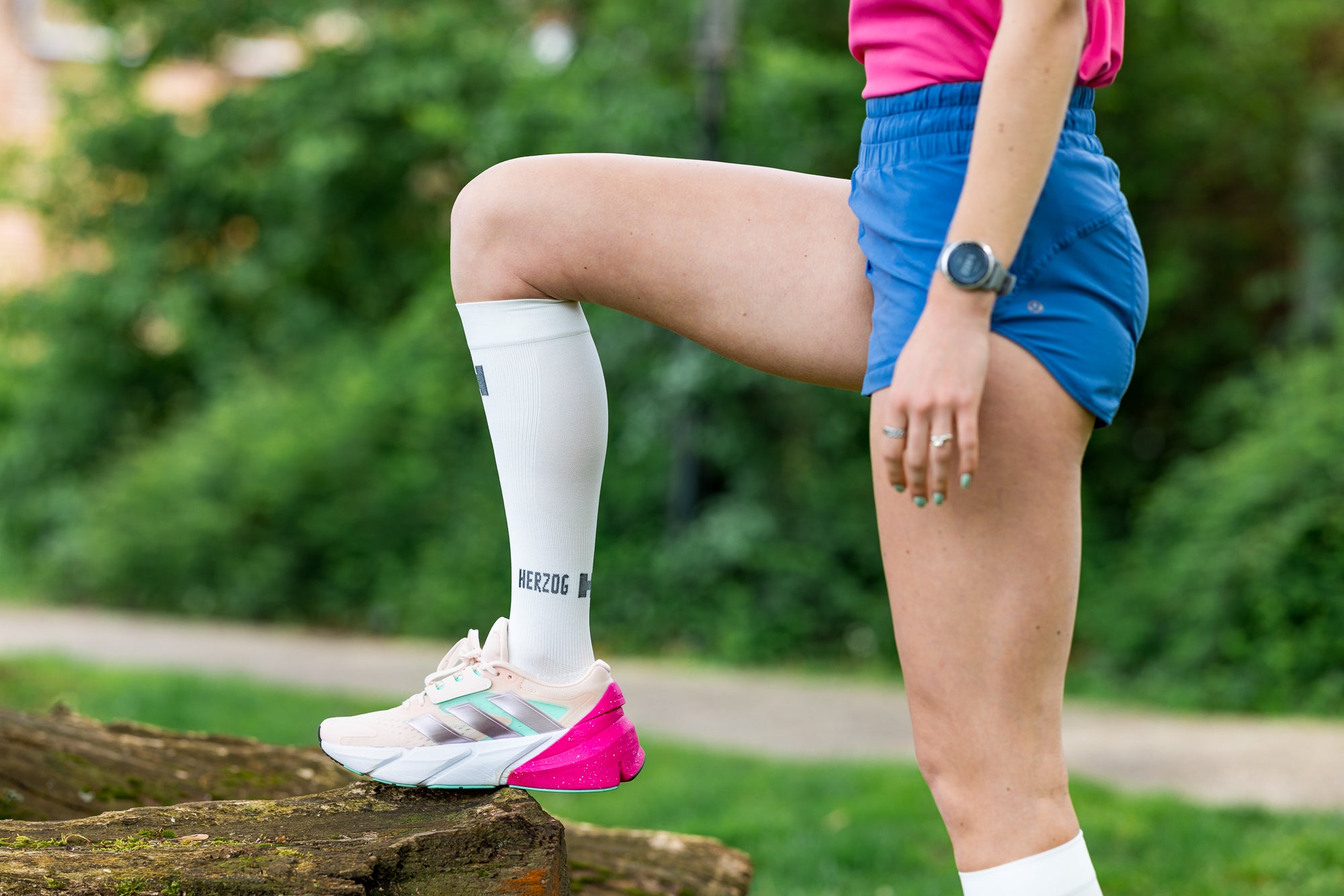
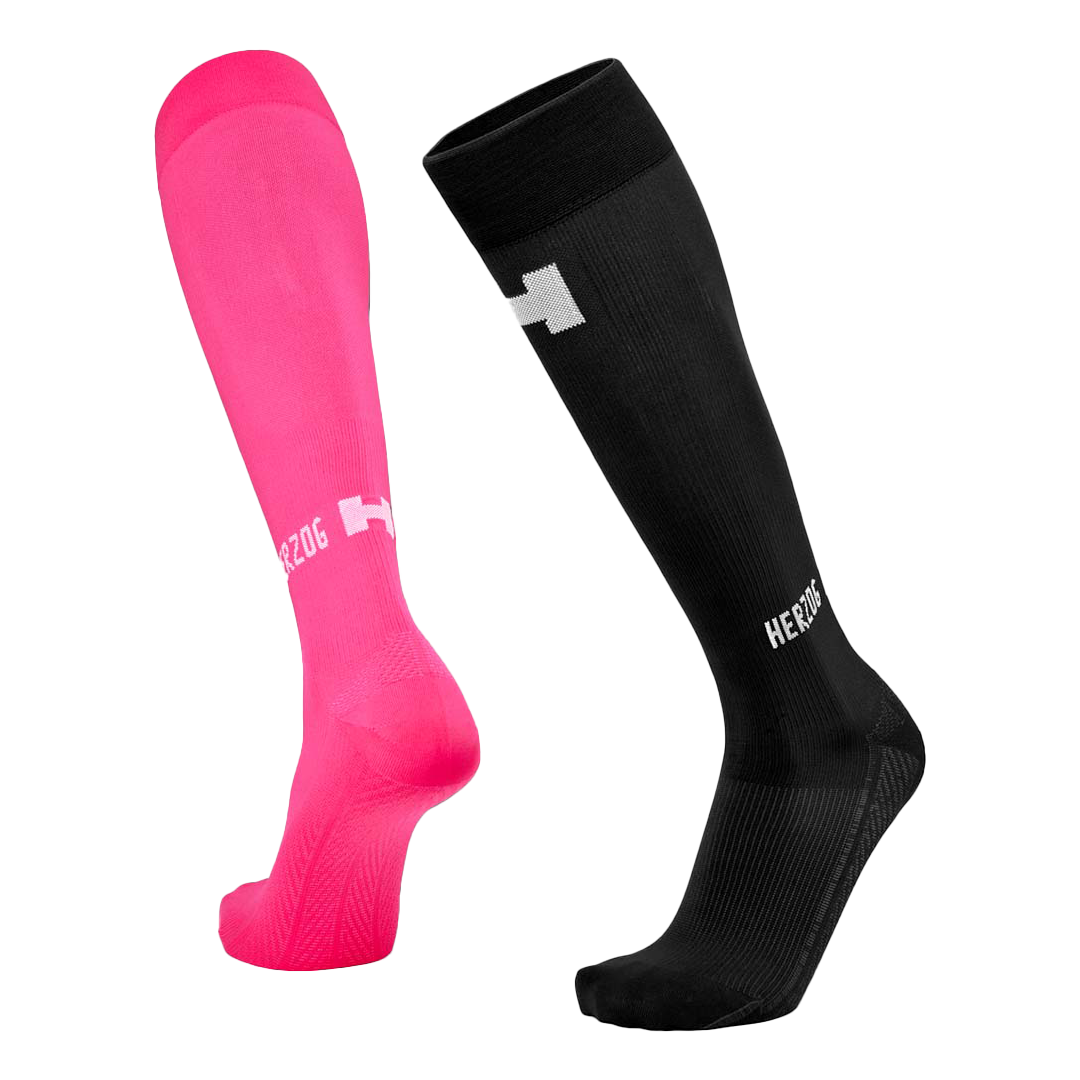
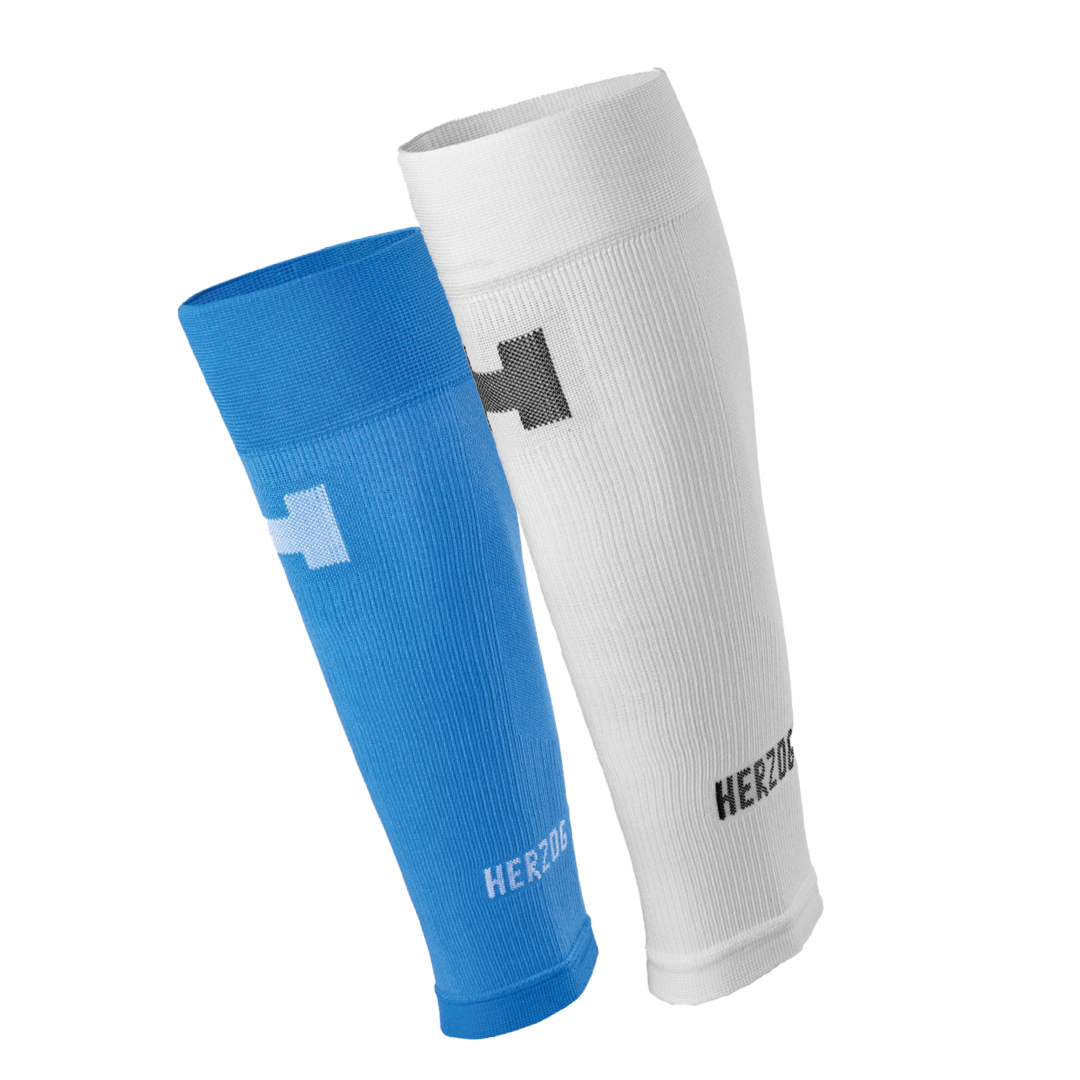
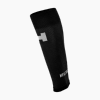
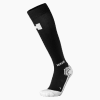
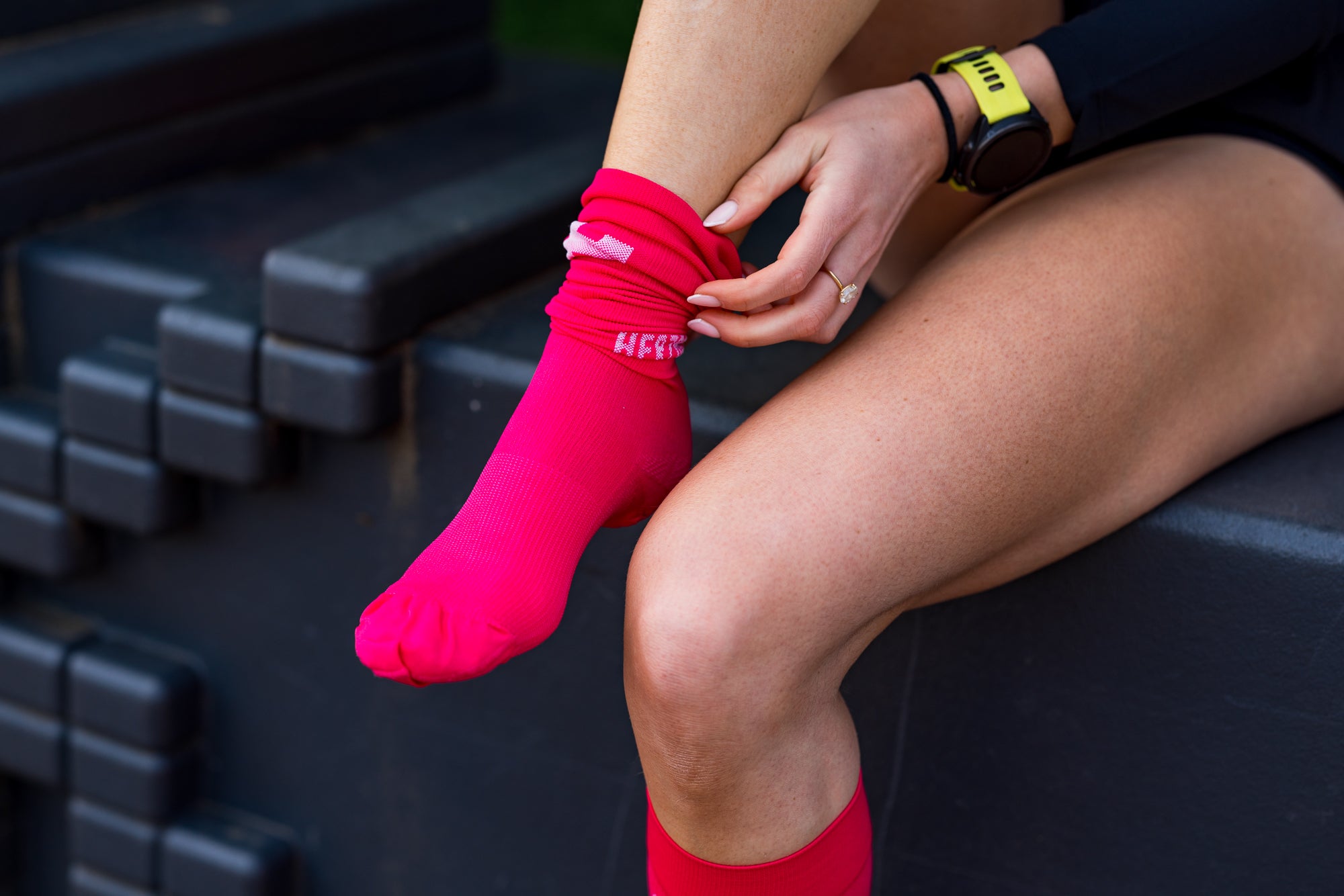
Many athletes wear compression socks during training, competitions, or recovery periods if they are prone to calf or Achilles tendon complaints.

Medical compression socks support the calf muscles and can contribute to:

  • Less muscle vibration during exertion
  • A stable feeling in the lower legs
  • Support of blood circulation
  • Less heavy or tired legs after exertion

Because the calf muscles are directly connected to the Achilles tendon, many athletes choose compression as part of their injury prevention and recovery routine.

When should you seek professional help?

Contact a physiotherapist or sports doctor when:

  • The complaints persist for weeks
  • The pain increases during sports
  • Your daily activities are restricted
  • The tendon visibly thickens
  • Rest provides no improvement

An early diagnosis can prevent a minor irritation from developing into a long-term injury.

Achilles Tendon Compression Socks Collection