The differences between standard sports socks and true compression stockings

Compression socks are popular among runners, hikers and other athletes. However, not every tight-fitting sock is automatically a true compression sock.

Many sports socks offer light support or feel firm around the foot and calf, but medical compression socks work differently. This difference is becoming increasingly important for athletes who are specifically looking for support during exercise and recovery.

Side Image

A tight sock is not automatically compression

Many sports socks are sold as compression socks, while they primarily have a snug fit. They feel tight but often do not provide controlled compression pressure over the entire lower leg.

True compression stockings, however, are all about precisely built pressure.

The highest compression is around the ankle and gradually decreases towards the knee. This is also known as graduated compression. This controlled pressure distribution distinguishes medical compression stockings from standard sports socks.

Medical compression stockings work with a specific compression class

An important difference lies in the amount of pressure applied.

Many standard sports socks provide light compression without a fixed compression class. Medical compression stockings work with measurable compression values.

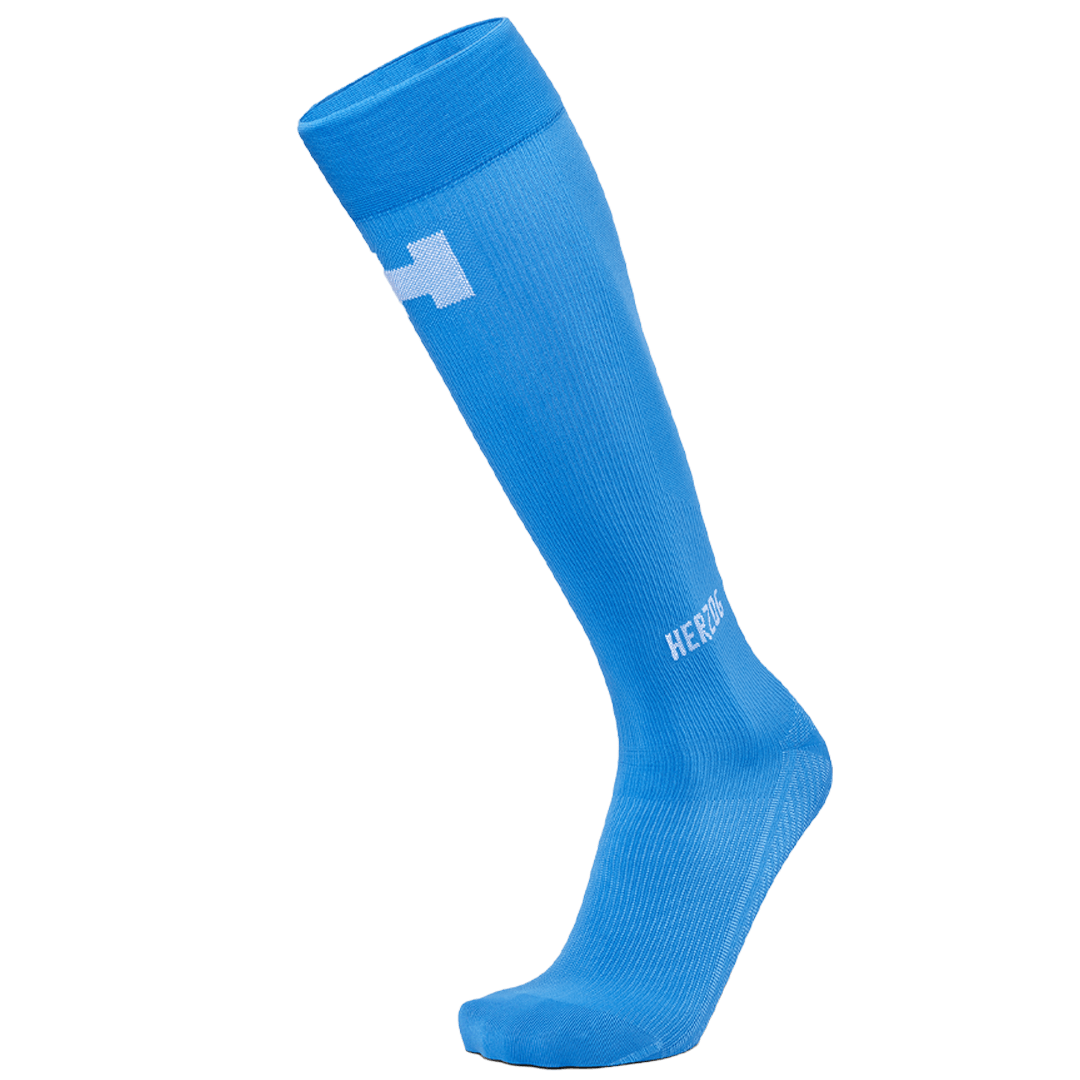
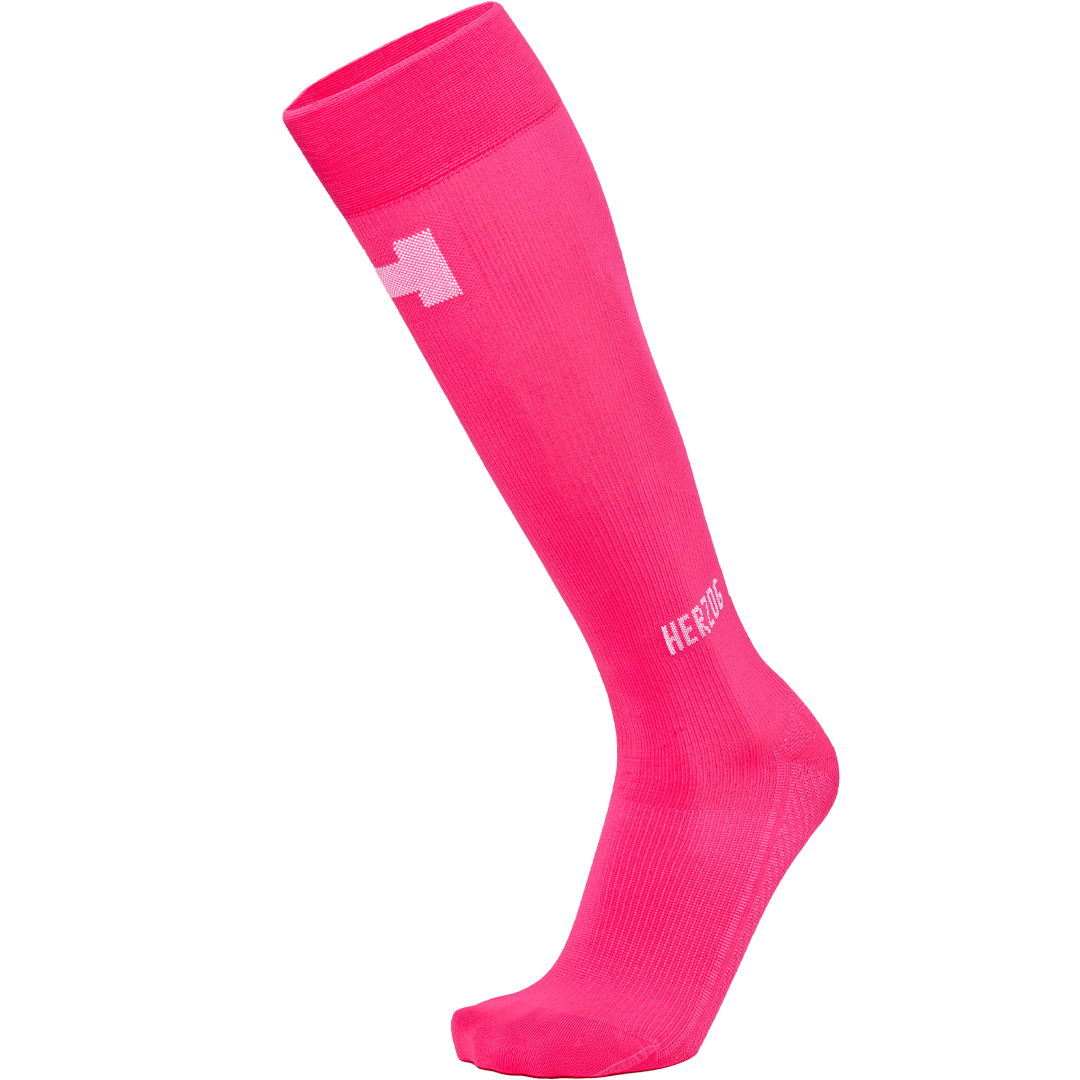
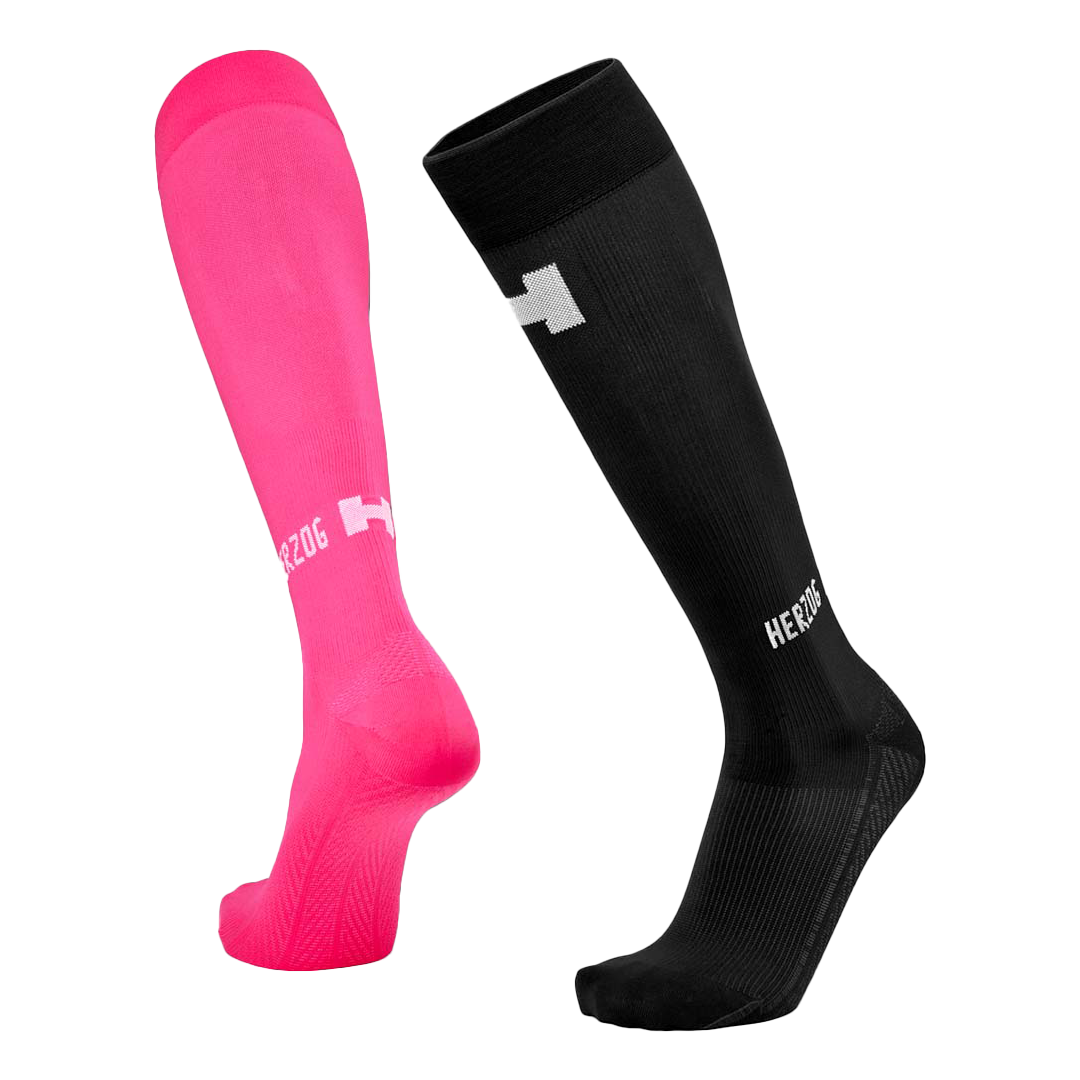
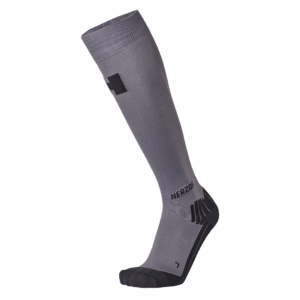
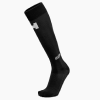
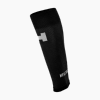
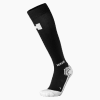
For example, Herzog PRO Compression Socks fall into compression class 2 with a compression pressure of 23–32 mmHg. In addition, the stockings are MDR certified as a medical device.

This means that the compression must be controlled and consistent.

More about the medical application
Side Image

Fit makes a big difference

The fit also differs greatly between standard sports socks and medical compression stockings.

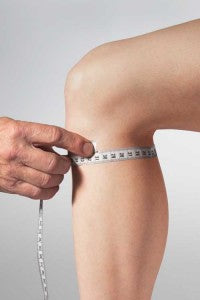
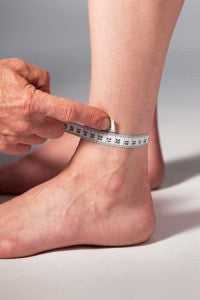
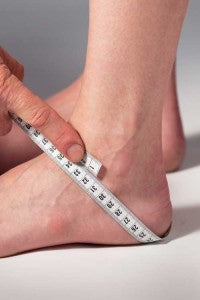
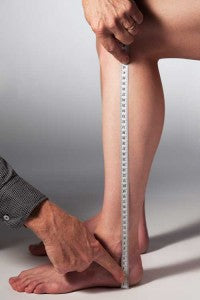
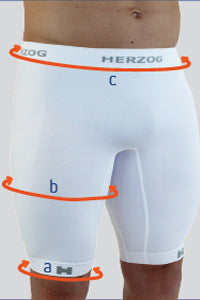
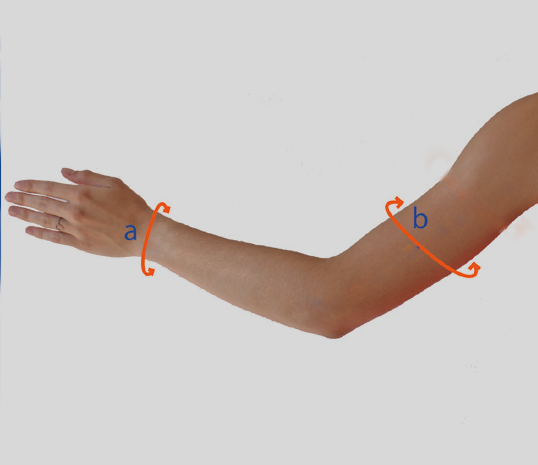
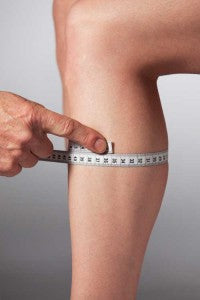
Many regular sports socks work with general sizes such as S, M or L. For medical compression stockings, an accurate fit is important because the compression pressure must be properly distributed over the lower leg.

That is why Herzog PRO Compression Stockings are measured at multiple points on the lower leg. This ensures that the stocking fits more precisely than a standard sports compression sock.

Especially during long distances or intensive exertion, many athletes notice that difference in support and comfort.

Why athletes choose real compression stockings

Many athletes wear compression stockings for the supportive feeling during exercise or recovery.

Compression is often used to:

  • provide extra support to the lower leg
  • reduce muscle vibrations
  • make tired legs feel less heavy
  • recover more comfortably after exertion

Especially runners, hikers and athletes who put in many training hours are therefore increasingly choosing medical compression stockings instead of standard sports socks with light compression.

Products in this blog

The difference often only becomes apparent during use

At first glance, many compression socks look similar. However, many athletes notice during longer training sessions or competitions that there is a difference between light sports compression and medical compression.
Especially the combination of controlled pressure, a precise fit, and support during exertion has made medical compression stockings an indispensable part of many athletes' sports equipment.