
Every runner has to deal with it, but not everyone knows exactly what it is: pronation. Yet it plays a big role in how efficiently you run, how much impact your body absorbs, and how high your risk of injuries is.


Every runner has to deal with it, but not everyone knows exactly what it is: pronation. Yet it plays a big role in how efficiently you run, how much impact your body absorbs, and how high your risk of injuries is.
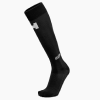
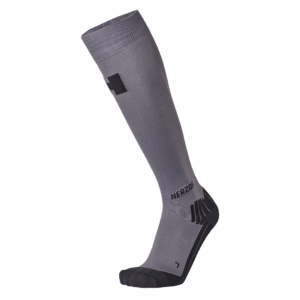
PRO Socks
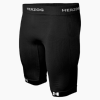
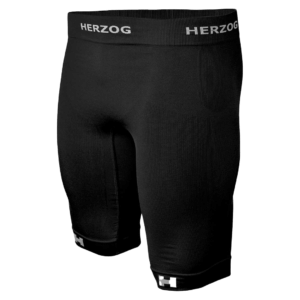
Shorts
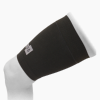
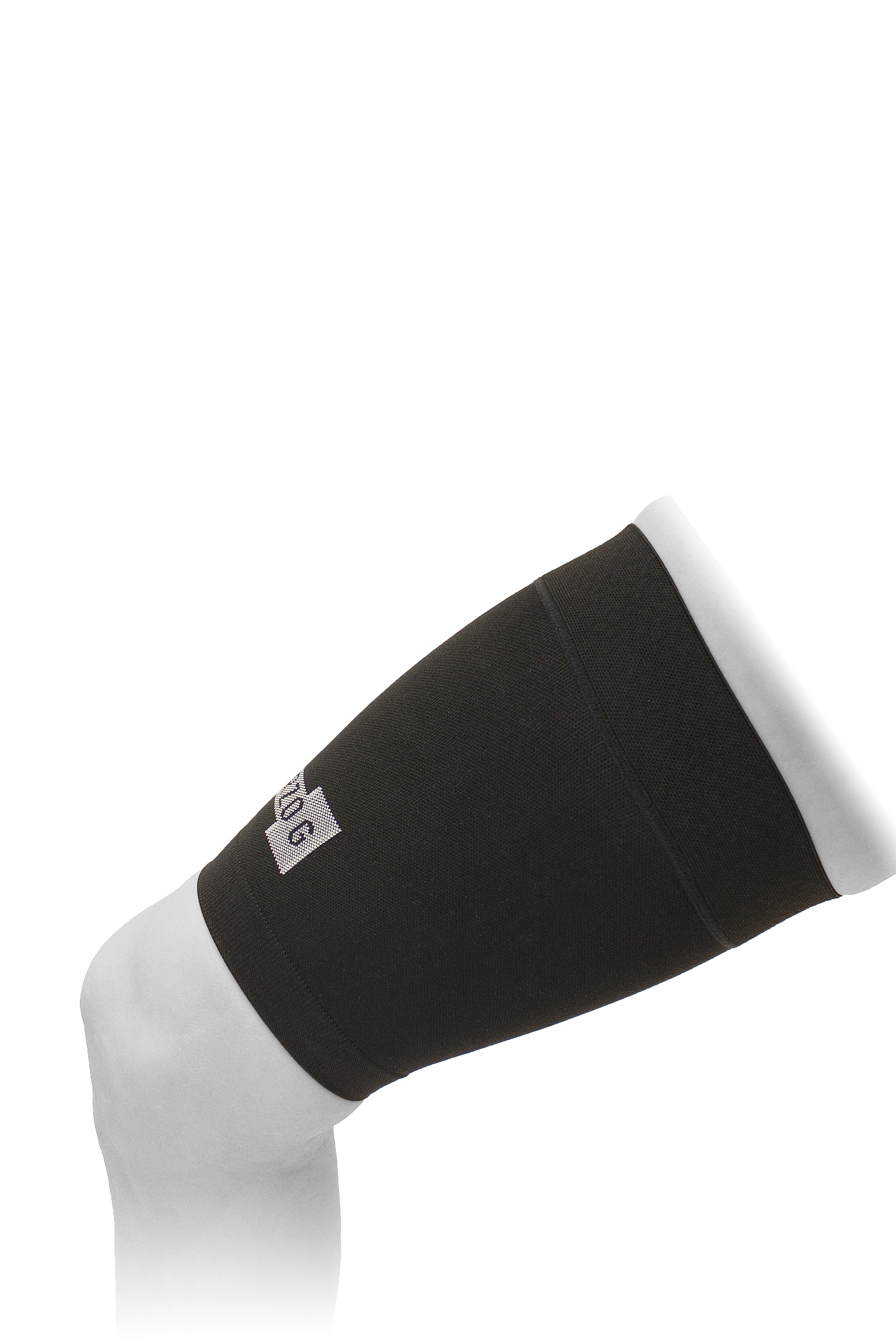
Thigh Support
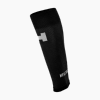
PRO Tube
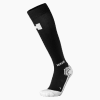
Support Socks
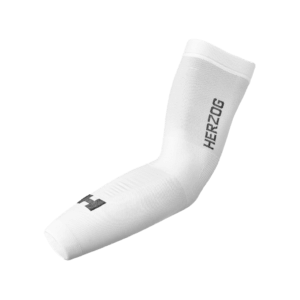
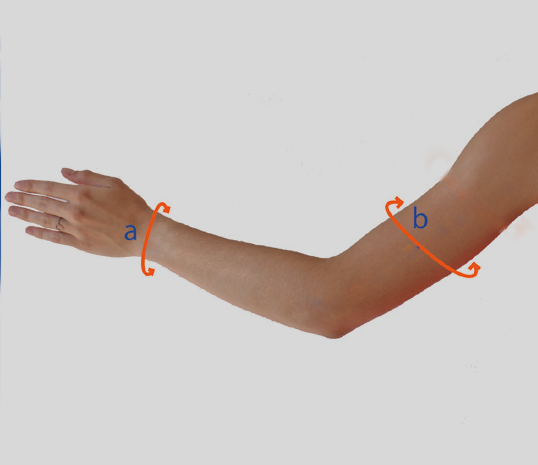
Arm sleeves
Round measurements to whole numbers
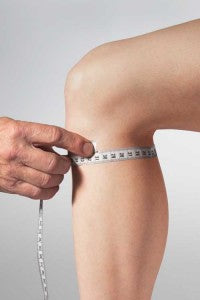
Measure the relief of the leg 1 cm below the knee crease.
Tip: place two fingers in the knee crease, below is the first measuring point.
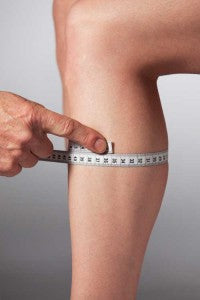
Measure the largest circumference of the calf
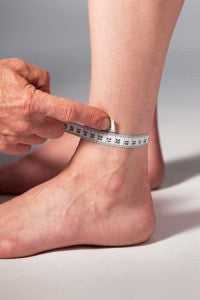
Measure the smallest leg circumference above the ankle joints.
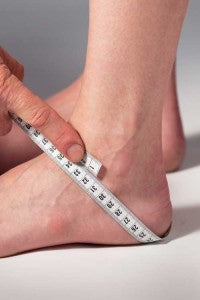
Measure the heel-instep line.
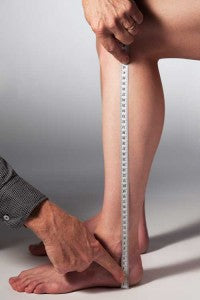
Measure the length from the ground to 1 cm below the knee crease.
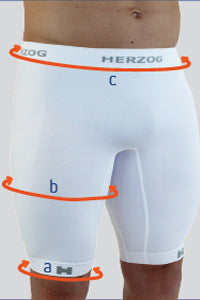

Measure the circumference 1cm below the knee crease. Tip: place two fingers in the knee crease, below is the first measuring point.
Measure the thickest circumference of the calf.
Measure the narrowest circumference of the ankle.
Measure the length from the ground to 1 cm below the knee crease.
Measure the thickest circumference of the calf.
Measure the narrowest circumference of the ankle.
Copyright © 2015 - 2026 | All Rights Reserved
Customer service
Mail: info@herzogmedical.com
Phone: +31 (0)3 427 450 41


Copyright © 2015 - 2026 | All Rights Reserved
Customer service
Mail: info@herzogmedical.com
Phone: +31 (0)3 427 450 41