Fatigue changes your running load
During prolonged exercise, muscle fatigue slowly increases. As a result, movements become less controlled, and muscles have to work harder to maintain the same stability.
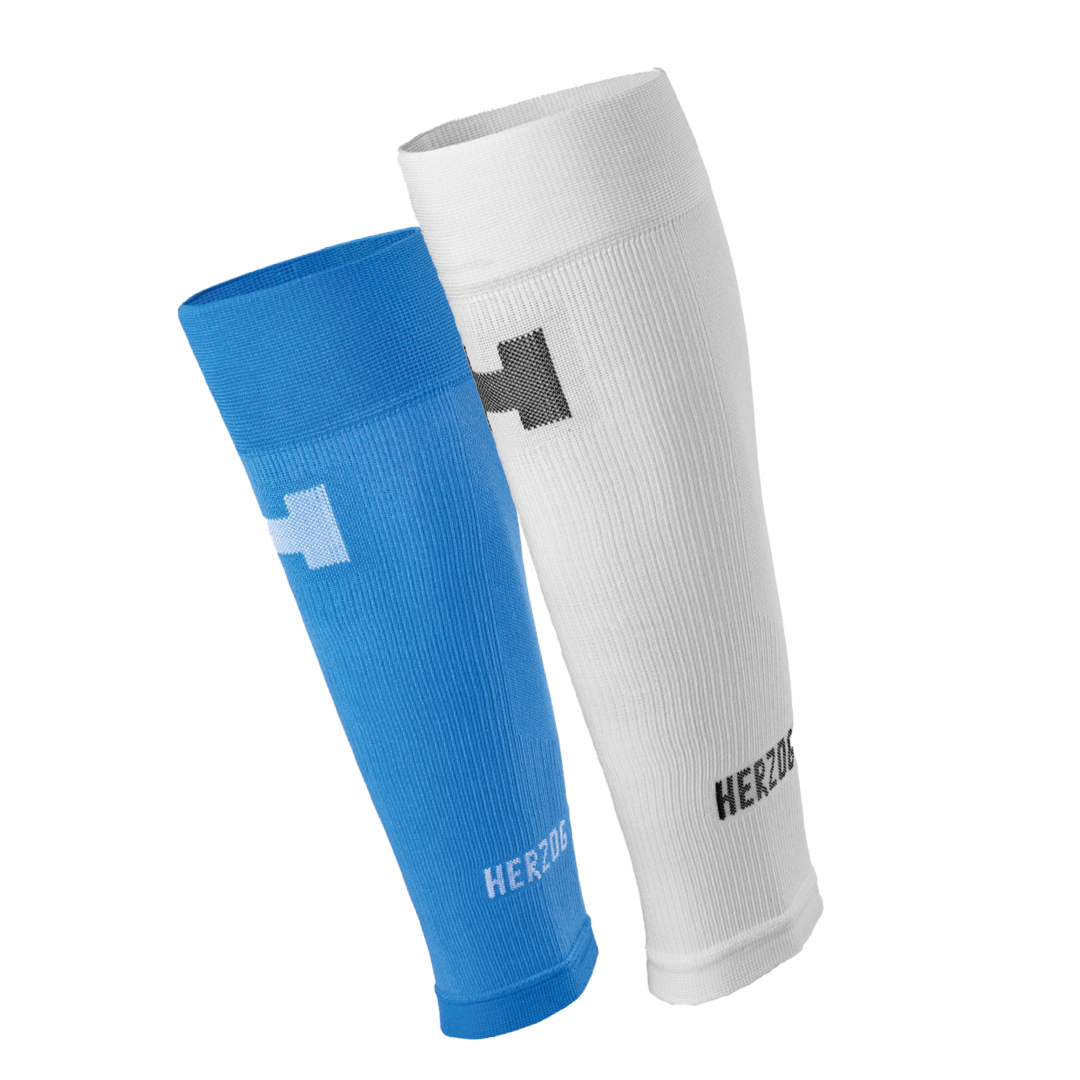
The calves, in particular, endure a lot of impact during running. They absorb shocks with every landing and play an important role in pushing off the foot. As fatigue increases, many athletes first feel it in their lower legs.
You notice this, for example, by:
- heavy calves
- stiff lower legs
- reduced stability
- a less fluid running style
It is precisely at that moment that many athletes seek extra support.
Why compression feels good during long distances
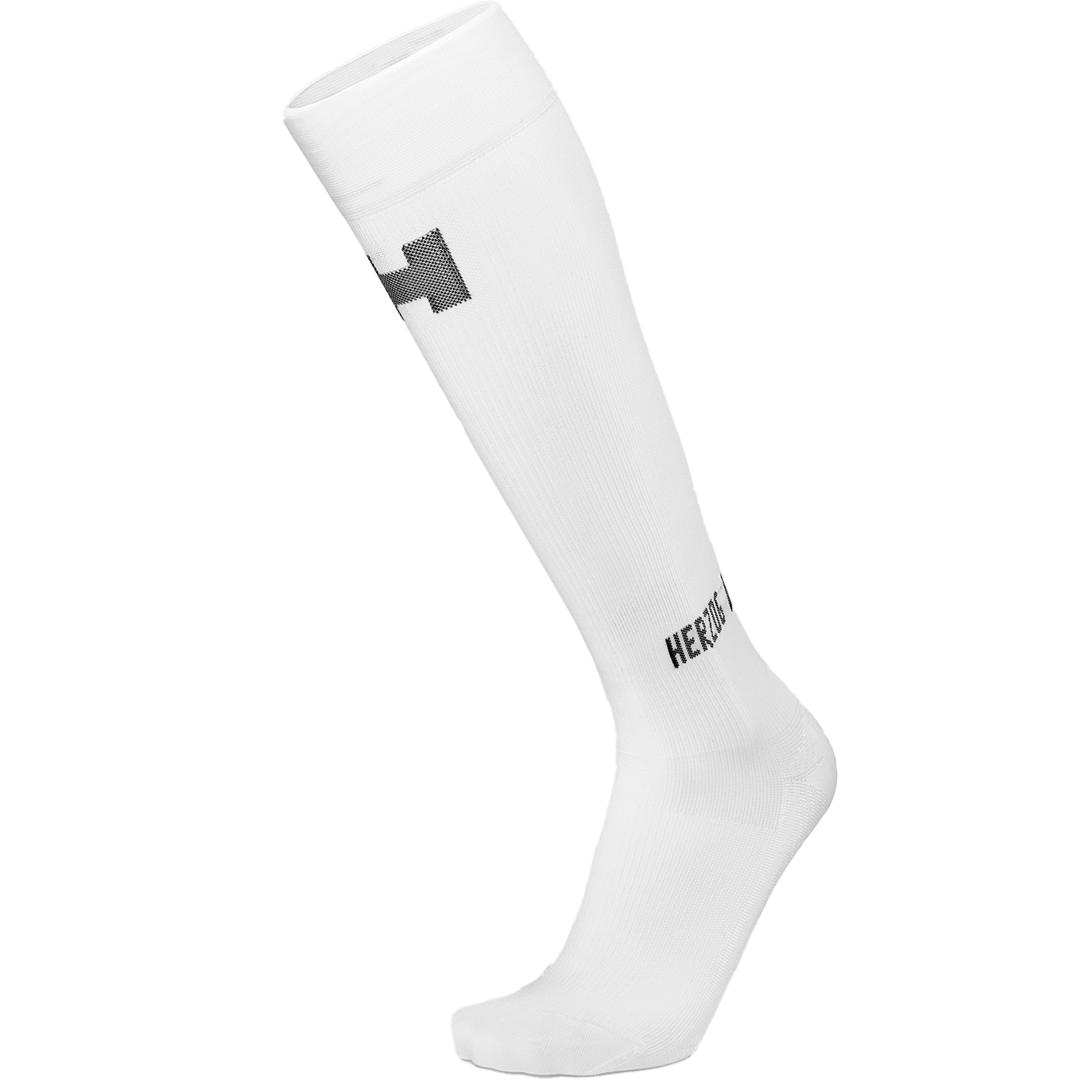
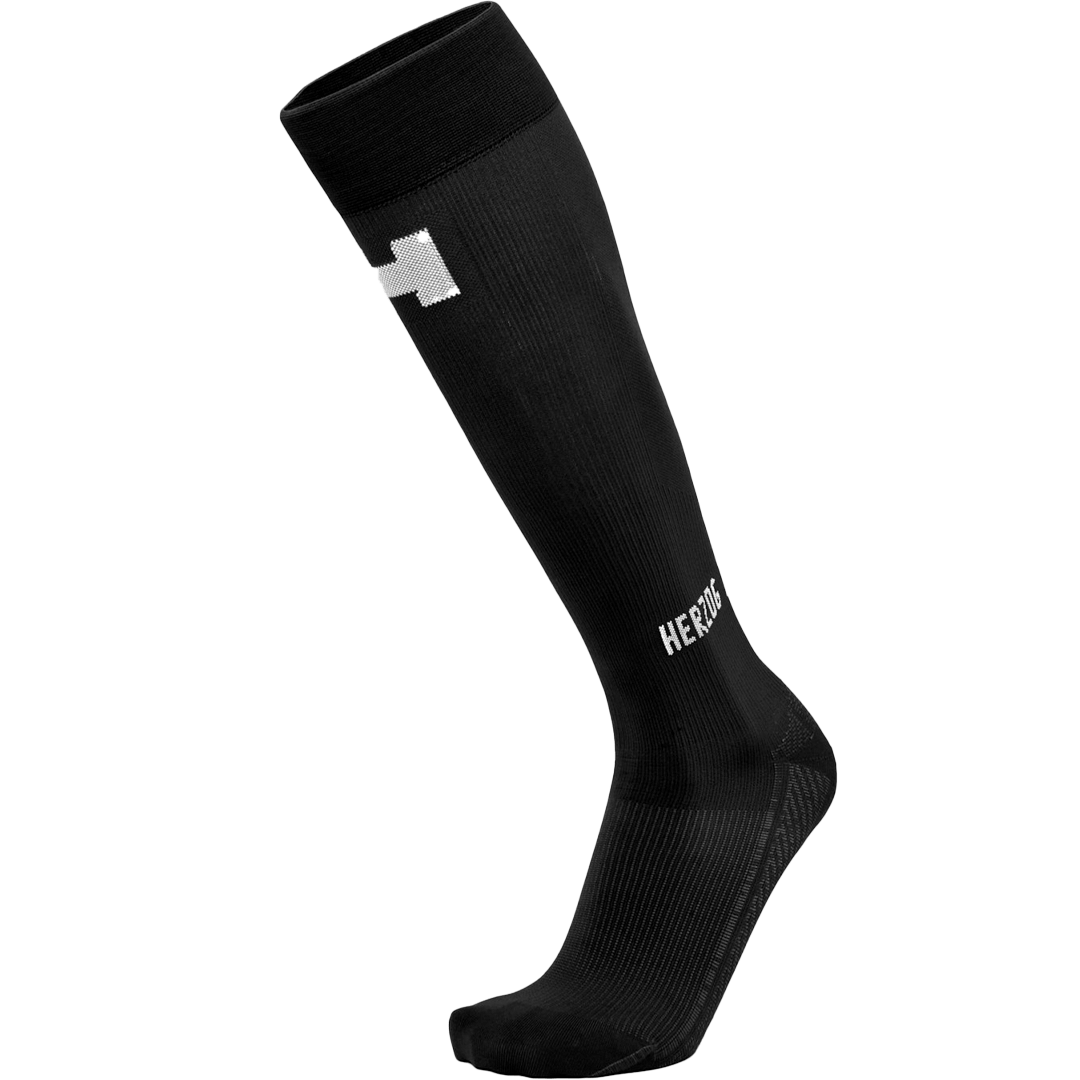
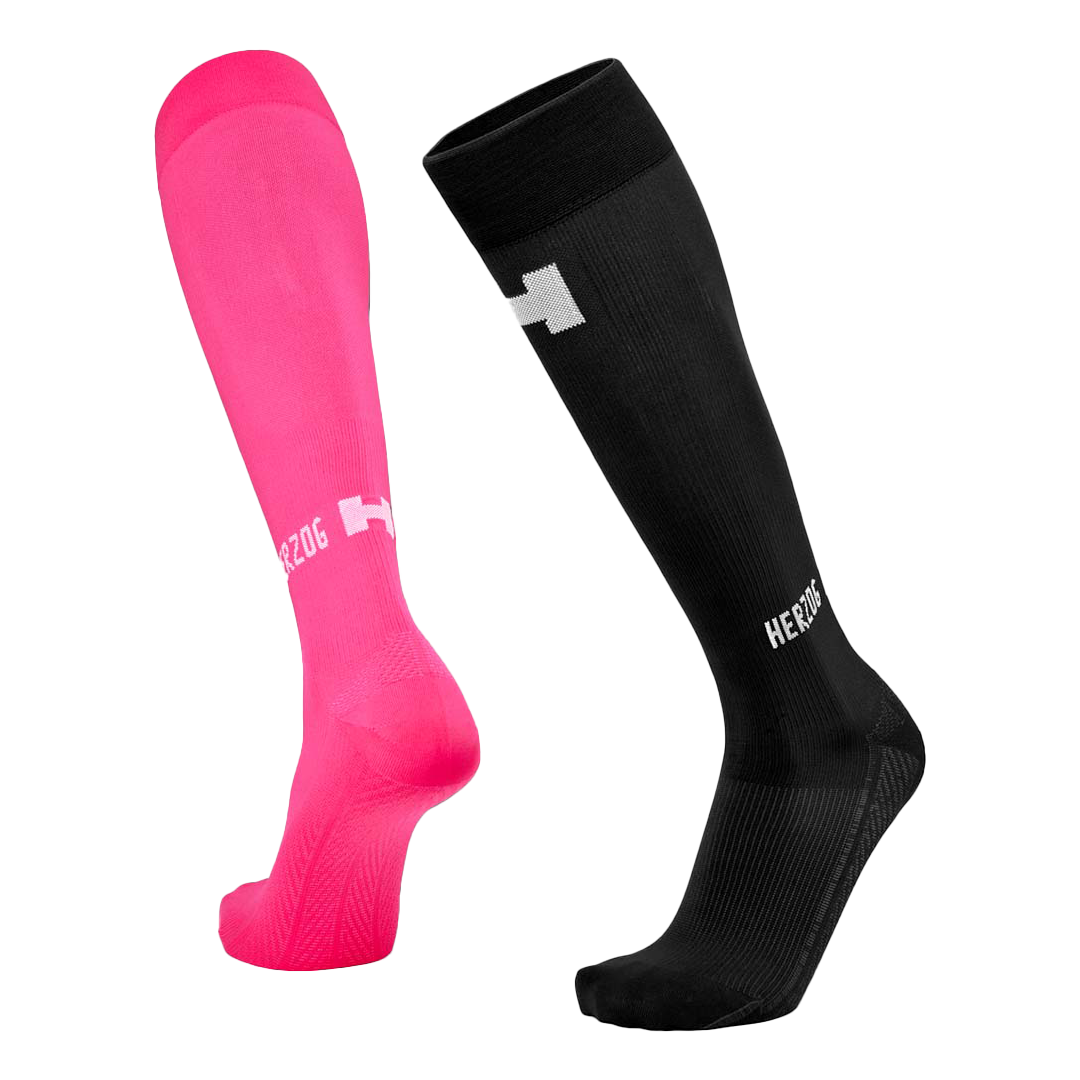
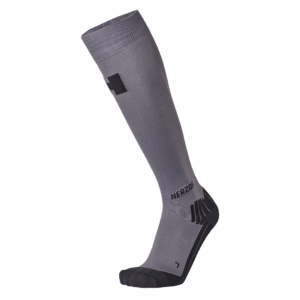
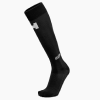
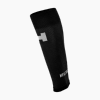
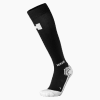
Compression socks support the muscles around the lower leg during movement. Many athletes therefore experience more rest and stability in their legs when the load becomes high.
Especially during long distances, where thousands of repeated movements are made, this support can be noticeable. Not because compression takes over the work of the muscles, but because it helps the lower leg feel more controlled during fatigue.
That is why many endurance athletes deliberately choose compression during competitions or heavy training weeks.