Why do you get swollen ankles? These are common causes

Many people experience it sooner or later: swollen ankles. Especially after a long day of standing, during warm weather, a flight, or after intense exercise, ankles can feel thicker than normal. Often it is harmless, but that does not make the symptoms any less annoying. Heavy legs, a tense feeling around the ankles, or shoes that suddenly feel tighter: these are recognizable signs of fluid retention in the lower legs.

Nevertheless, many people wonder where swollen ankles come from exactly. How does it actually occur? And why are some people affected much more quickly than others?

Side Image

Warm weather and swollen ankles

As soon as the temperature rises, many people experience swollen feet and swollen ankles more often. This is no coincidence. Heat causes blood vessels to dilate, making it easier for fluid to move from the blood vessels into the surrounding tissue.

Especially during hot summer days, legs often feel heavier, more tired, and restless as a result. It's no wonder that many people wear compression stockings during warm days or holidays to support circulation in the lower legs.

Swollen ankles during travel

Swollen ankles also frequently occur during long car journeys or flights. Sitting still for hours causes blood circulation in the legs to slow down. Especially on airplanes, where you move little and the air pressure is different, many people notice that shoes become tighter or socks leave deep marks.

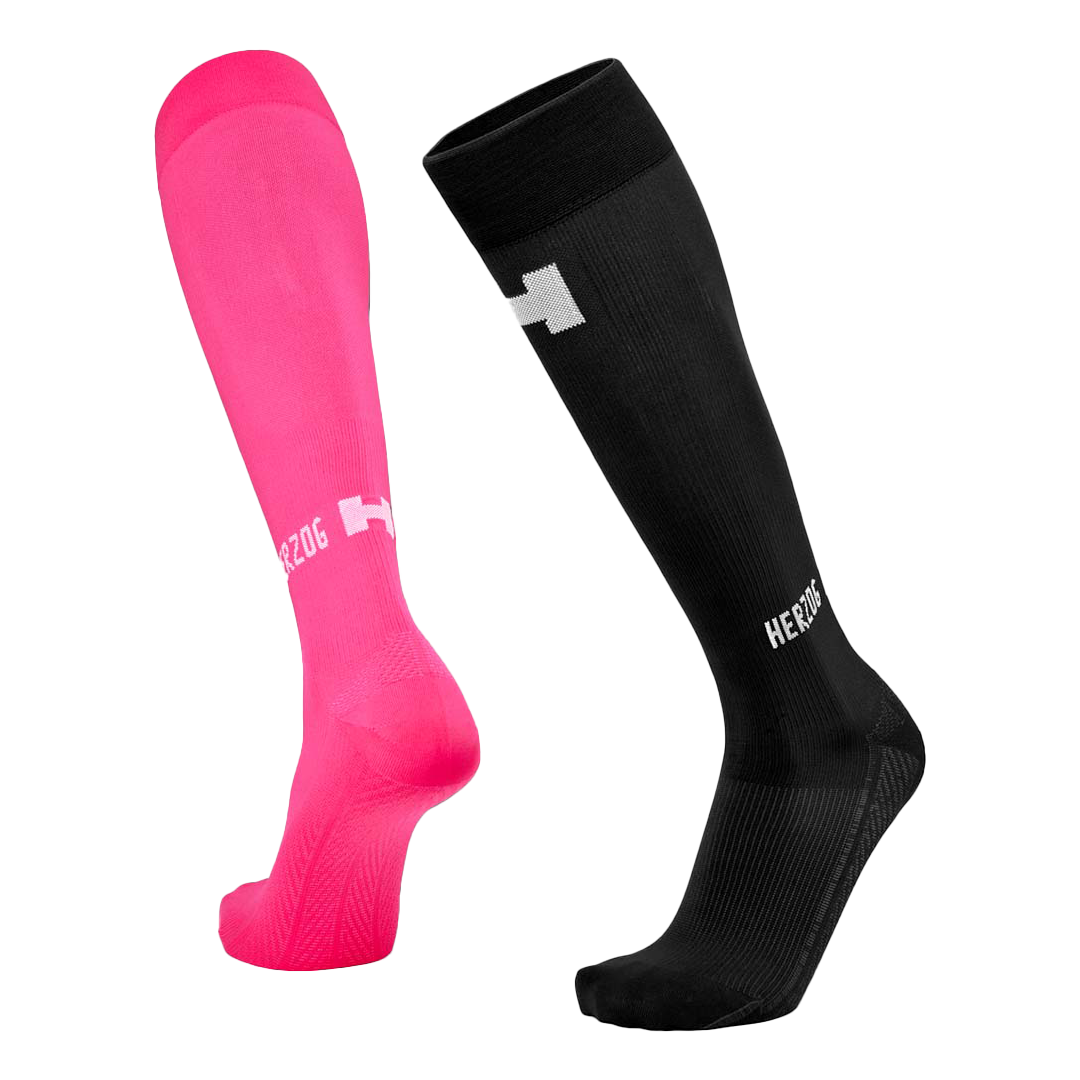
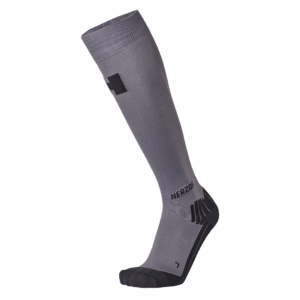
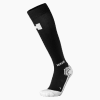
Compression stockings are therefore widely used during travel. Due to the gradual pressure buildup, they support blood circulation in the lower legs during prolonged sitting.

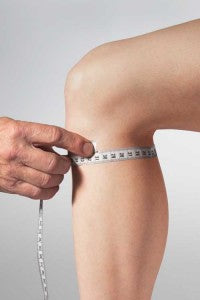
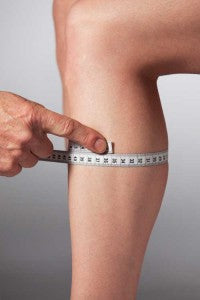
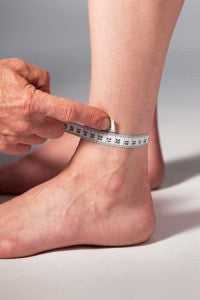
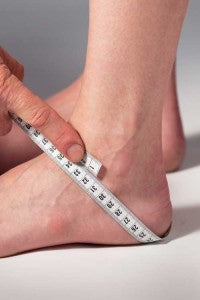
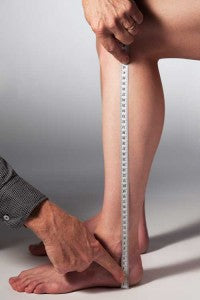
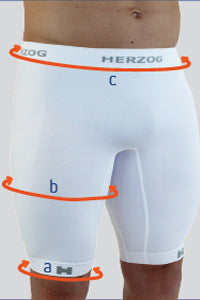
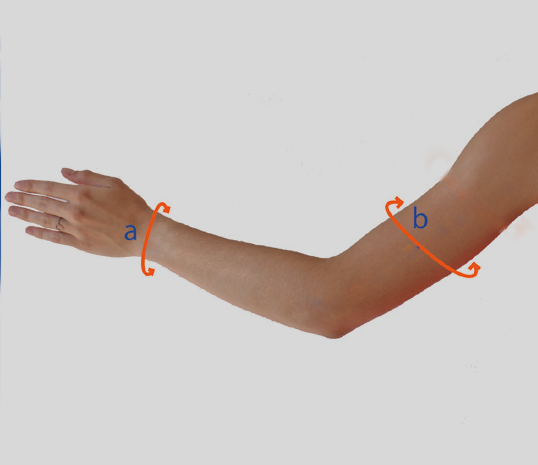
Herzog Medical compression stockings use a precise sizing system based on 5 measurement points of the leg. This ensures that the compression fits the lower leg better and creates a controlled pressure distribution from ankle to knee.

Calculate your size
Side Image

Sports and fluid retention in the lower legs

Even athletes can suffer from swollen ankles or tired lower legs. Especially during running, walking or prolonged exertion, muscles and tendons absorb many shocks. This continuous stress temporarily creates extra pressure on the tissue and blood vessels in the lower legs, making it easier for fluid to accumulate around the ankles and calves.

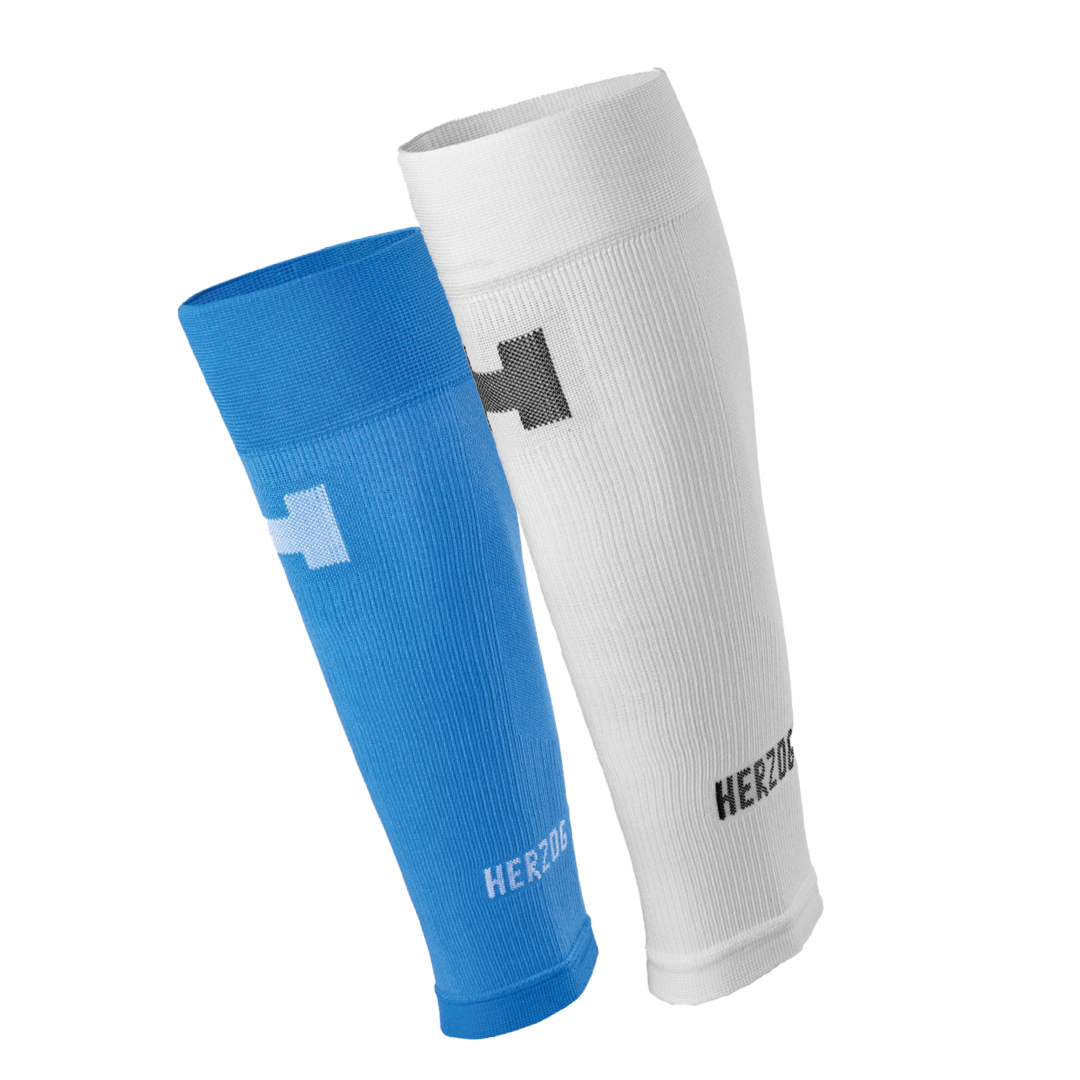
Many runners therefore use Herzog compression socks not only during competitions but also during training sessions or recovery periods. Compression helps keep the calves compact and supports the removal of fluid and waste products after exertion.

When are swollen ankles a warning sign?

In many cases, swollen ankles are relatively harmless and temporary. However, it is important to remain alert when:

  • one ankle suddenly swells
  • pain or redness occurs
  • the swelling persists for a long time
  • you also experience shortness of breath

If in doubt, it is always wise to contact a doctor.

Side Image

What helps with swollen ankles?

Sufficient exercise remains the most important foundation. Regular walking, elevating the legs occasionally, and avoiding prolonged sitting often helps tremendously.

In addition, many people choose to wear compression socks during:

  • flying and traveling
  • jobs that involve a lot of standing
  • sports
  • warm weather
  • recovery periods

A good compression sock supports circulation in the lower legs through controlled pressure distribution. Not only the compression itself is important, but also the fit. When a compression sock is properly measured based on multiple measuring points on the lower leg, the pressure distribution precisely matches the lower leg. It is precisely this combination of accurate compression and a good fit that makes a big difference in wearing comfort and support throughout the day.