Why restless legs are more common during pregnancy

Many pregnant women experience them sooner or later: restless legs. Especially in the evening or during sleep, an annoying, tingling or pulling sensation develops in the legs, making it difficult to sit still or sleep. Although restless legs can occur at any time, the symptoms often increase during pregnancy.

Why exactly is that? And what can you do to reduce the symptoms?

Side Image

What is restless legs?

Restless legs, also known as Restless Legs Syndrome (RLS), is a condition where you feel a strong urge to move your legs. This is often accompanied by unpleasant sensations such as:

  • Creeping sensations
  • Tingling
  • Jerking muscles
  • Itching or burning sensations
  • An uneasy feeling deep within the legs

Symptoms usually arise when you are at rest and often temporarily disappear as soon as you start moving.

How common are restless legs during pregnancy?

Restless legs are relatively common in pregnant women. Research shows that approximately 15 to 30 percent of pregnant women experience symptoms to varying degrees.

Symptoms often start from the second trimester and can increase towards the end of pregnancy. After childbirth, the symptoms usually disappear on their own for many women.

Side Image

Why does the likelihood of restless legs increase during pregnancy?

There isn't one clear cause. It's likely that multiple factors play a role simultaneously.

1. Hormonal changes

During pregnancy, hormone levels change significantly. The rise in estrogen and progesterone, in particular, seems to affect the nervous system.

These changes can cause signals between the brain and muscles to be processed differently, which can lead to the onset or worsening of restless leg symptoms.

2. Increased strain on the legs

During pregnancy, body weight increases. In addition, the body's center of gravity shifts, and more pressure is exerted on the blood vessels in the pelvis and legs.

As a result, pregnant women may more often experience:

  • Heavy legs
  • Tired legs
  • Fluid retention
  • A tense feeling in the calves

These symptoms can contribute to a restless feeling in the legs.

3. Changes in blood circulation

During pregnancy, the amount of blood in the body increases significantly. At the same time, the return flow of blood from the legs to the heart can sometimes be hampered by the growing uterus.

This can lead to symptoms such as tired and restless legs developing more quickly, especially at the end of the day.

4. Iron deficiency

Low iron levels are regularly associated with restless legs. During pregnancy, the need for iron increases, as both mother and baby depend on it.

When iron stores decrease, restless leg symptoms can worsen. Therefore, iron levels are regularly checked during pregnancy.

Why are the symptoms often worse in the evening?

Many pregnant women notice that restless legs occur especially when they finally want to relax.

This has several causes:

  • You are more active during the day.
  • The legs have been under more strain throughout the day.
  • Fluid and blood can accumulate in the legs during the day.
  • At rest, the unpleasant feeling is perceived more strongly.

As a result, the symptoms often seem to increase as soon as you sit on the couch or lie in bed.

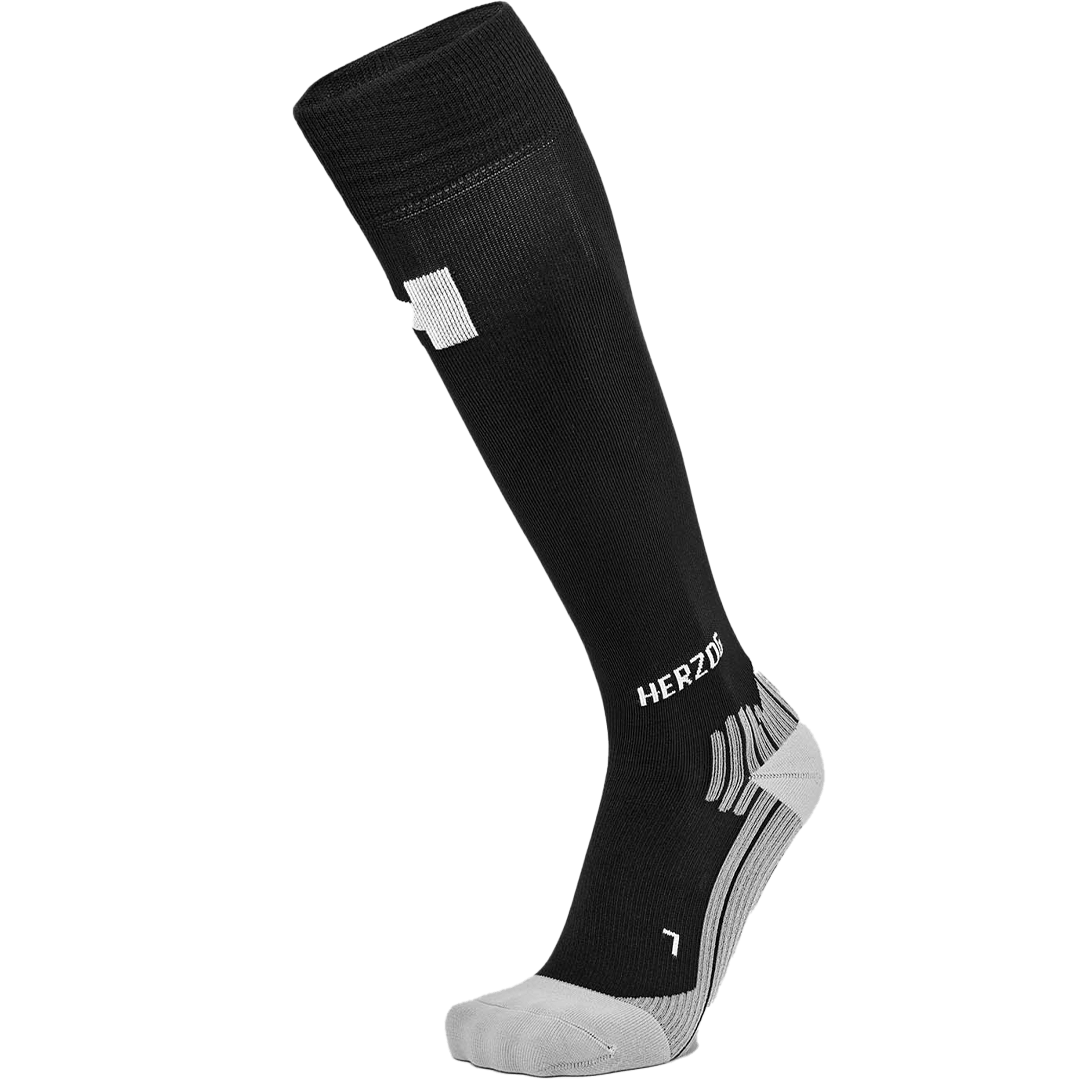
Products in this blog

Side Image

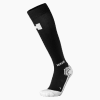
Kunnen compressiekousen helpen tijdens de zwangerschap?

Wanneer rusteloze benen samengaan met zware benen, vermoeide benen of vochtophoping, kunnen compressiekousen ondersteuning bieden.

Compressiekousen geven druk rond de enkel en het onderbeen. Hierdoor wordt de bloedcirculatie ondersteund en kan vocht minder gemakkelijk in de benen achterblijven.

Veel zwangere vrouwen dragen compressiekousen om klachten zoals:

  • Zware benen
  • Vermoeide benen
  • Opgezwollen enkels
  • Een gespannen gevoel in de kuiten

te verminderen.

Hoewel compressiekousen de neurologische oorzaak van rusteloze benen niet wegnemen, kunnen ze wel bijdragen aan meer comfort gedurende de dag en avond.

Wat kun je zelf doen bij rusteloze benen tijdens de zwangerschap?

Naast het dragen van compressiekousen kunnen de volgende tips helpen:

  • Maak dagelijks een wandeling.
  • Wissel zitten en bewegen regelmatig af.
  • Vermijd langdurig stilstaan.
  • Rek de kuitspieren voorzichtig voor het slapengaan.
  • Zorg voor voldoende vochtinname.
  • Bespreek eventuele ijzertekorten met je verloskundige of arts.

Blijven de klachten ernstig of verstoren ze je nachtrust structureel? Neem dan altijd contact op met een zorgverlener.

Conclusion

Restless legs occur much more frequently during pregnancy than outside of it. Hormonal changes, increased strain on the legs, circulatory changes, and potential iron deficiencies can all contribute to the development of symptoms.

Although restless legs often disappear on their own after childbirth, sufficient exercise, a healthy lifestyle, and well-fitting compression stockings can help keep heavy, tired, and restless legs as comfortable as possible during pregnancy.