Why the correct compression pressure is important for athletes

Compression socks are popular among athletes. From runners and hikers to cyclists and team sports players: more and more athletes use compression during training, competitions, and recovery. However, there's a big difference between compression socks. Especially the compression pressure makes a significant difference.

A compression sock may look sporty, but ultimately, it's about how the pressure is distributed over the lower leg. This is precisely what determines how well a sock provides support during movement.

Side Image

What does compression do during exercise?

Compression socks apply pressure to the lower leg, usually with the highest pressure around the ankle and gradually decreasing towards the calf. This is also known as graduated compression.

During exercise, this pressure helps keep the lower leg more stable. Many athletes therefore experience less heavy legs during long efforts or intensive training sessions.

Additionally, compression can help reduce muscle vibrations. Especially when running, the calves and Achilles tendons are constantly subjected to shocks. Good compression supports these areas during movement.

Why fit is so important

Compression only works effectively when the pressure is applied to the correct areas. Therefore, fit is at least as important as the compression pressure itself.

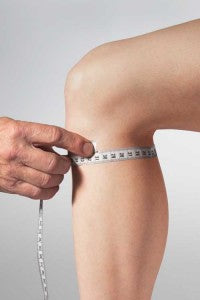
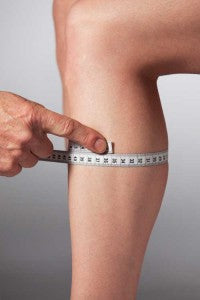
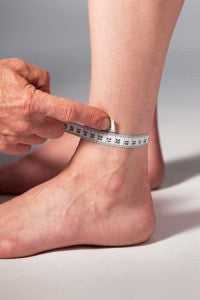
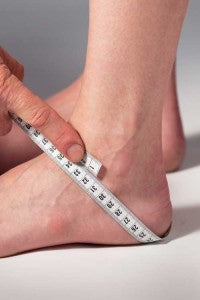
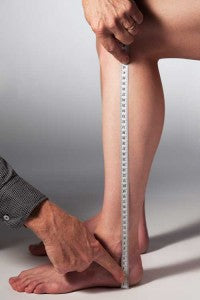
Many sports compression socks use standard sizes such as S, M, and L. In practice, however, calves, ankles, and lower leg lengths vary greatly from person to person. A sock that does not fit properly loses a large part of its effectiveness.

That's why Herzog Medical uses an extensive sizing system that takes into account multiple measurement points of the lower leg. This ensures that the compression sock fits more accurately and the compression pressure remains better distributed during exercise.

Side Image

Difference between medium and maximum compression

Not every athlete has the same need for compression. That's why Herzog offers different compression levels within its product range.

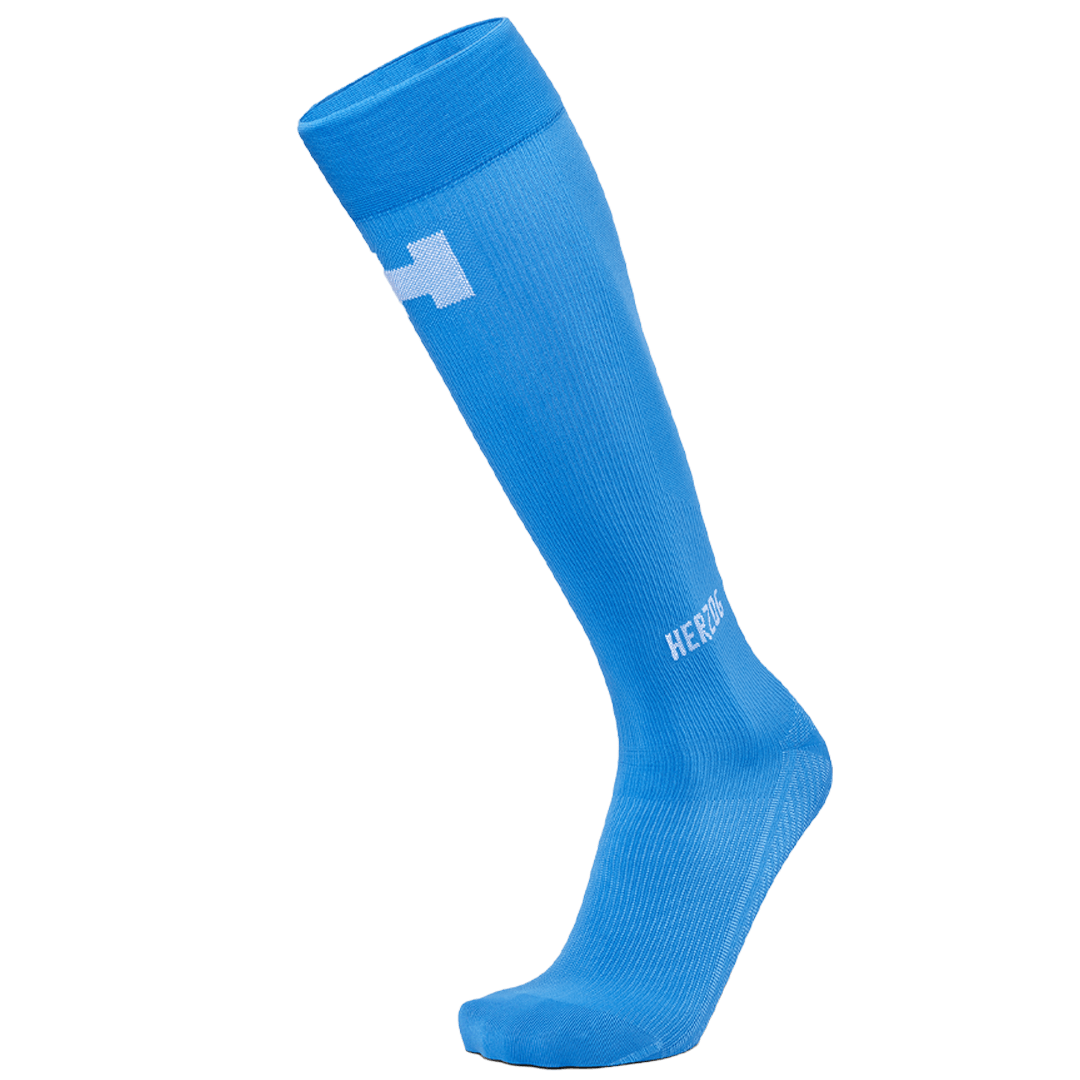
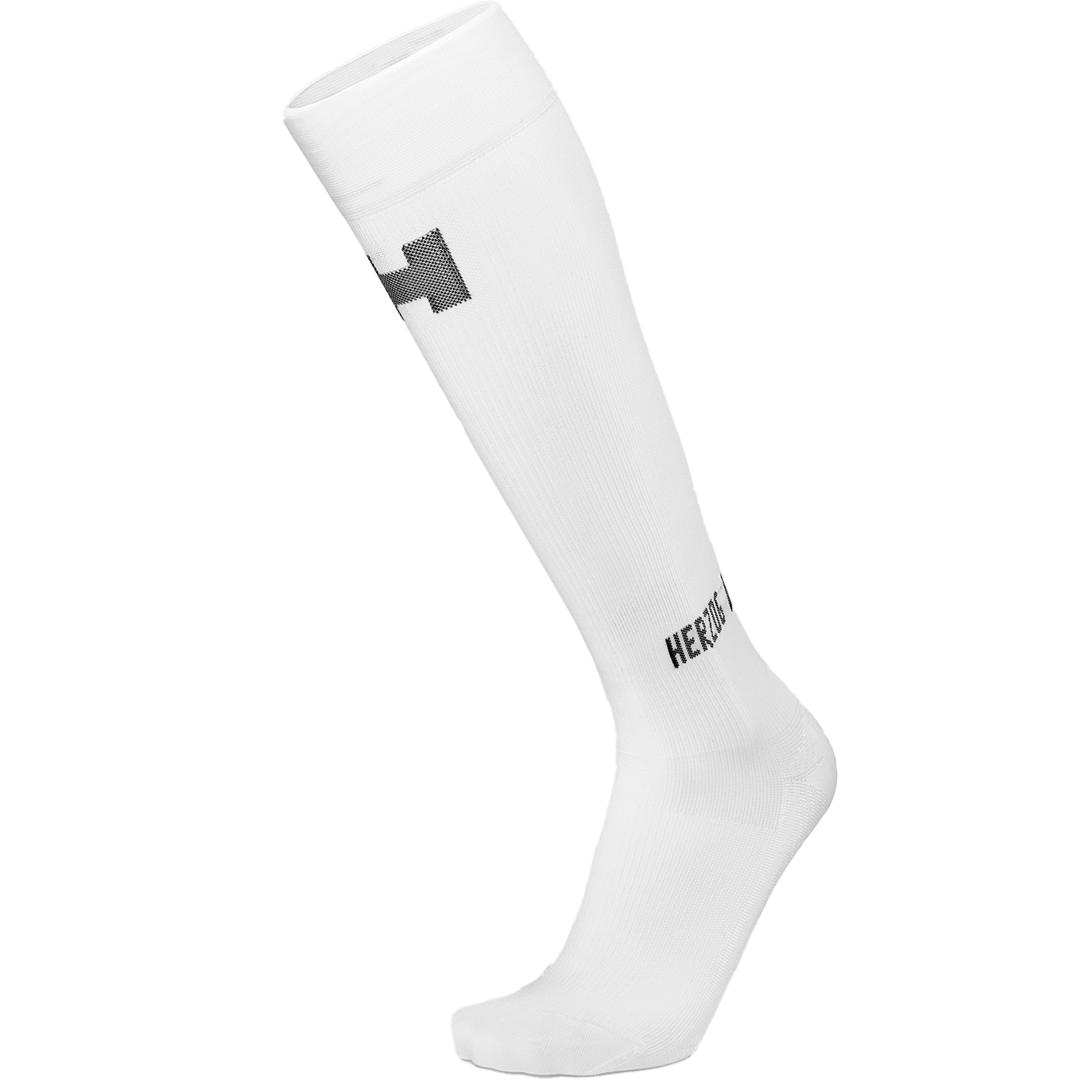
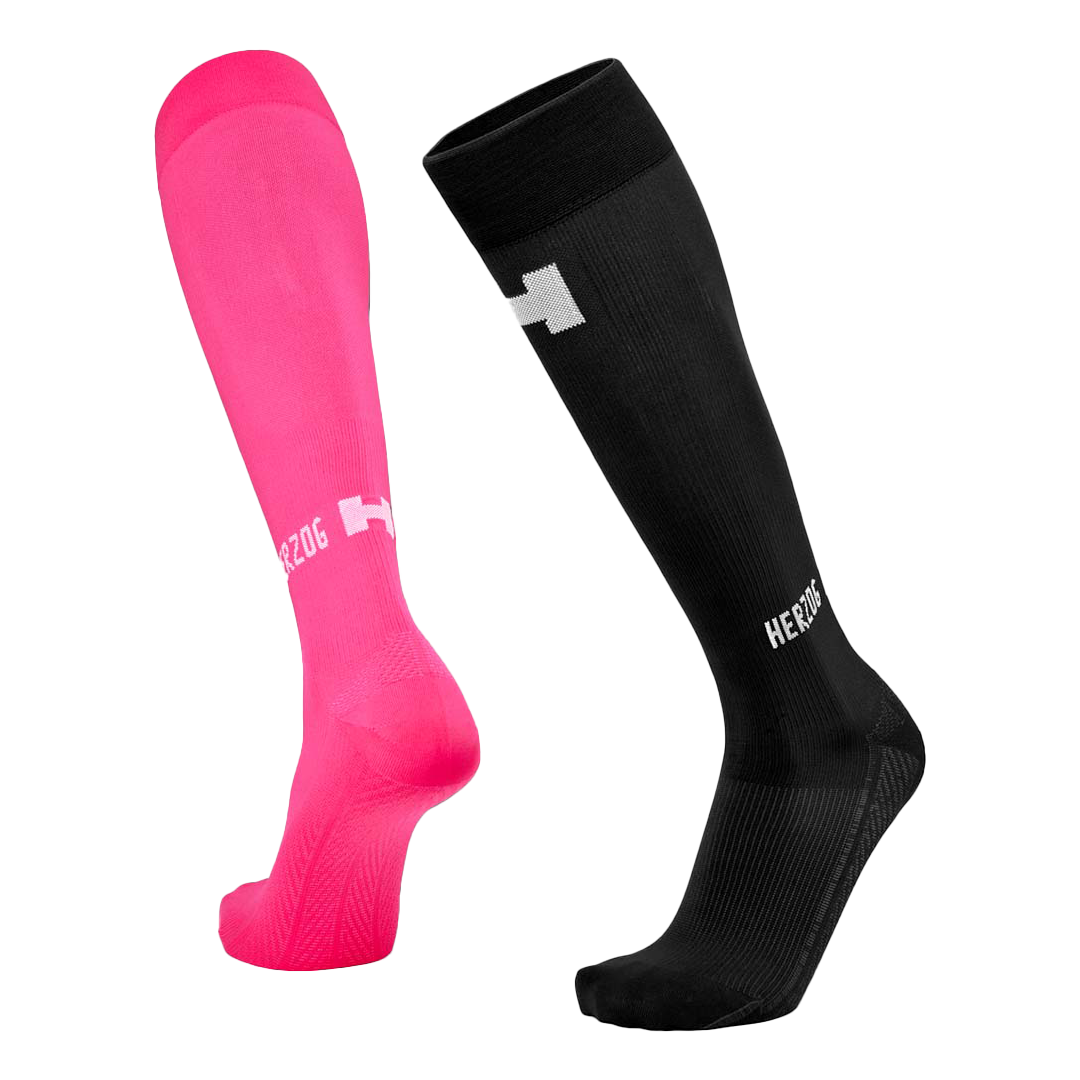
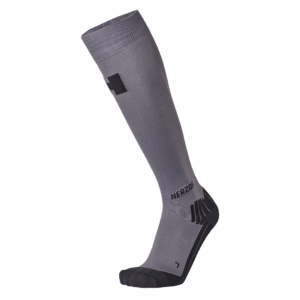
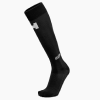
The Herzog Support Compression Socks offer medium compression of 20–28 mmHg. These socks are widely used for walking, traveling, daily use, or light to moderate athletic activity.

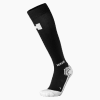
For athletes seeking maximum support during intensive training sessions, competitions, or long distances, there are the Herzog PRO Compression Socks. These offer maximum compression of 23–32 mmHg.

Due to the higher compression, many athletes experience extra support around the calves, Achilles tendons, and lower legs during heavy exertion.

Compression class 2 and medical compression

The Herzog PRO Compression Socks are also MDR-certified as medical devices. This means that the compression complies with medical guidelines for compression products.

For many athletes, this feels different from regular sports socks with light compression. Especially during long distances, intensive training, or recovery periods, athletes often consciously choose a higher and controlled compression pressure.

The combination of high compression and precise sizing makes these socks popular among both recreational and elite athletes.

Read more about MDR

Products in this blog

Not just for recovery

Compression is often associated with recovery, but many athletes wear compression socks during their workouts. When running, hiking, or playing team sports, muscles and tendons are constantly under strain. Compression can help keep the calves more stable and reduce fatigue during long periods of exertion. After exercising, many users choose to continue wearing the socks for some time during recovery periods or on rest days.

Why athletes consciously choose medical compression

More and more athletes are not just looking at the appearance of a compression sock, but especially at the quality of the compression. Pressure class, sizing, and certification are playing an increasingly important role. Herzog Medical combines medical compression technology with sports applications. As a result, the socks are used during training, competitions, and recovery periods at every level.