All about Achilles tendon problems: causes, symptoms, and what you can do about them

Achilles tendon complaints are common in athletes and hikers. Runners, in particular, recognize the stiff or painful tendon just above the heel, often felt during the first steps in the morning or at the start of a training session. However, complaints can also arise from extensive walking, prolonged standing, or a sudden increase in activity.

In this blog, we answer the most frequently asked questions about Achilles tendon pain, overuse, and what you can do to reduce or prevent symptoms.

Side Image

What are Achilles tendon complaints?

The Achilles tendon connects the calf muscles to the heel bone and endures significant stress with every step. When running, jumping, or accelerating, the tendon absorbs great forces. When the load exceeds the tendon's capacity, irritation and pain can occur.

Complaints often develop gradually. Many athletes first notice some stiffness or sensitivity after a training session, after which the complaints slowly increase. A rapid increase in training intensity, a lot of hill training, stiff calf muscles, or worn-out shoes can play a role in this.

How do Achilles tendon complaints feel?

Achilles tendon complaints often cause a pulling, burning, or stiff sensation just above the heel. Especially the first steps in the morning or at the start of a training session often feel painful or stiff. During movement, the tendon sometimes seems to loosen up a bit, but afterward, the complaints often return.

Additionally, the tendon can be sensitive to touch and sometimes feel slightly thickened or swollen. Many athletes also notice that sprinting, climbing stairs, or explosive movements worsen the complaints.

When should you be concerned?

If the complaints persist longer or worsen, it is advisable to consult a physiotherapist or doctor. Especially when the pain arises suddenly, you've felt a snapping sensation, or you have difficulty walking or pushing off, it is important to take the complaints seriously.

A partial or complete tear of the Achilles tendon requires medical assessment.

How does Achilles tendon overuse occur?

The Achilles tendon recovers relatively slowly. As a result, minor irritations can accumulate when load and recovery are not well balanced. This is often seen in athletes who suddenly increase their mileage, train faster, or start intensely again immediately after a rest period.

Also stiff calves often play an important role. The more tension there is on the calf muscles, the greater the pulling force on the Achilles tendon becomes. As a result, complaints can keep returning if only the tendon is treated and the surrounding muscles are not addressed.

Side Image

What can you do for Achilles tendon problems?

For mild or nascent problems, it's all about reducing overload without completely stopping. Many athletes benefit from a temporary reduction in training intensity, combined with a gradual build-up and targeted exercises for calves and ankles.

Massage, foam rolling, or a massage gun can help relieve tension in the calves. Good shoes with sufficient support often make a difference too. Complete rest is not always the solution. Controlled movement often helps recovery better than complete cessation.

Can compression socks help with Achilles tendon problems?

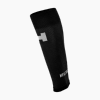
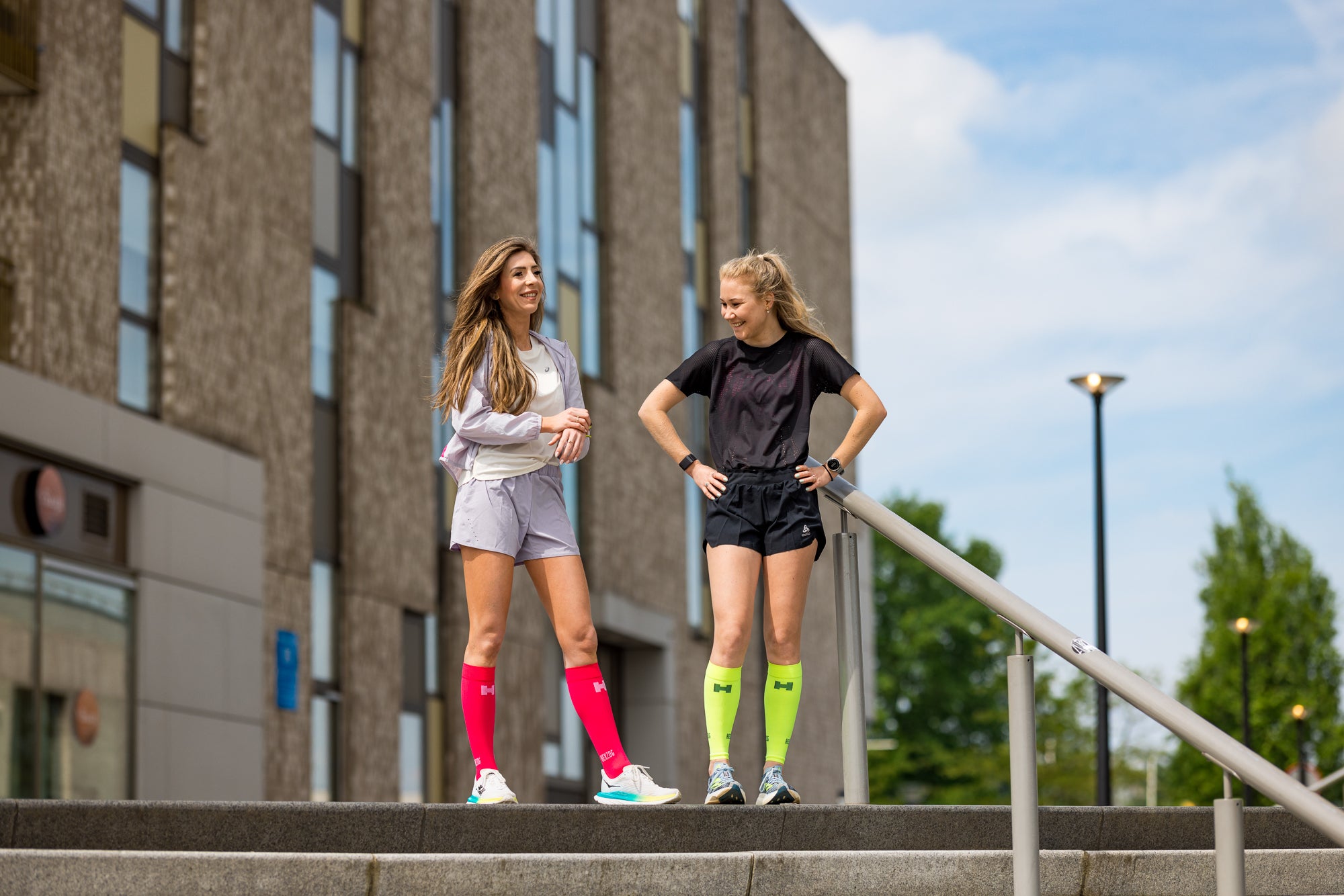
Many athletes with Achilles tendon issues opt for compression around the lower legs. Compression socks support the calves and help reduce muscle vibrations during movement. This means the calf muscles have to work less hard to maintain stability, which can indirectly reduce the load on the Achilles tendon.

Furthermore, many athletes experience greater comfort during long distances and recovery periods. Especially with tired or tense calves, compression can feel pleasant during sports or recovery.

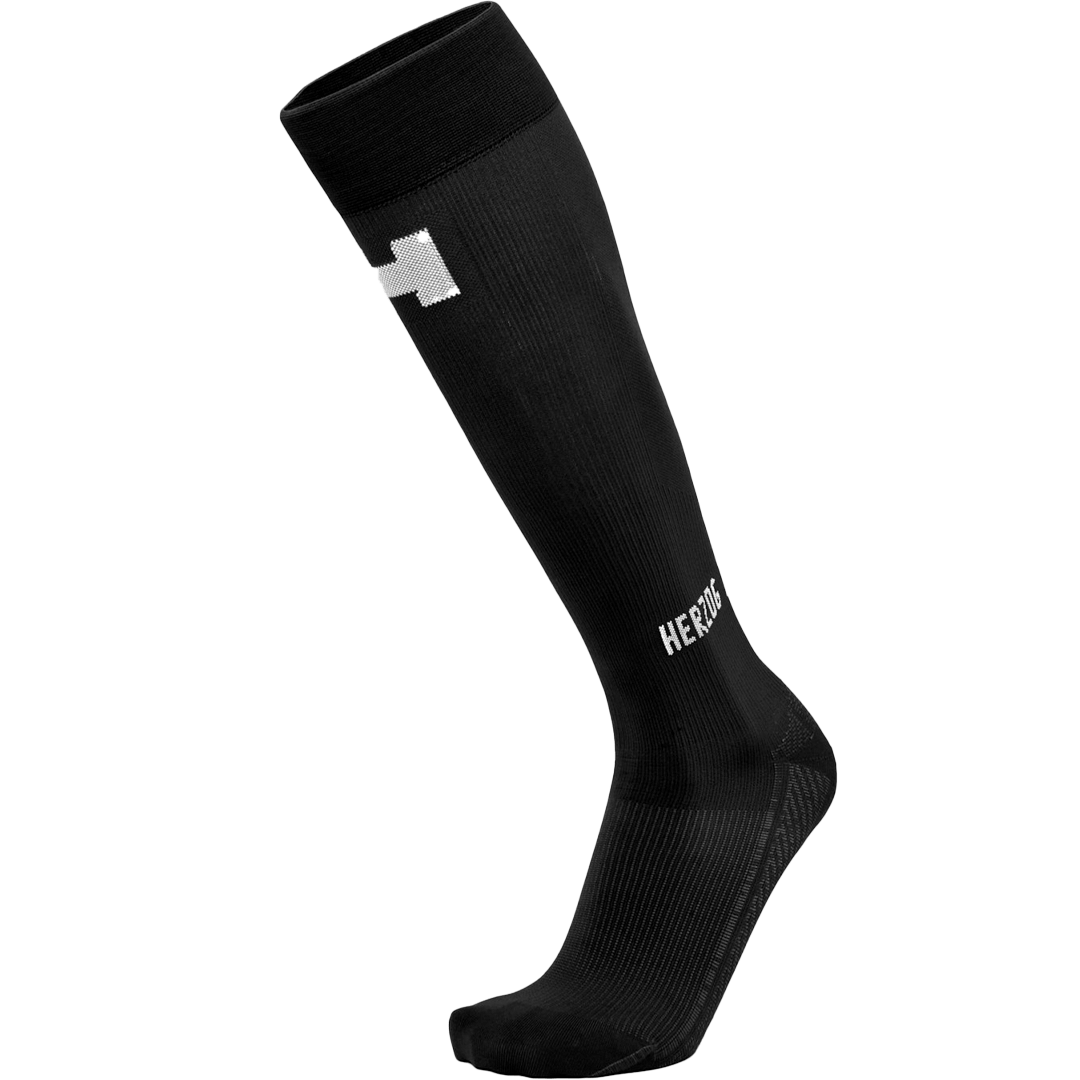
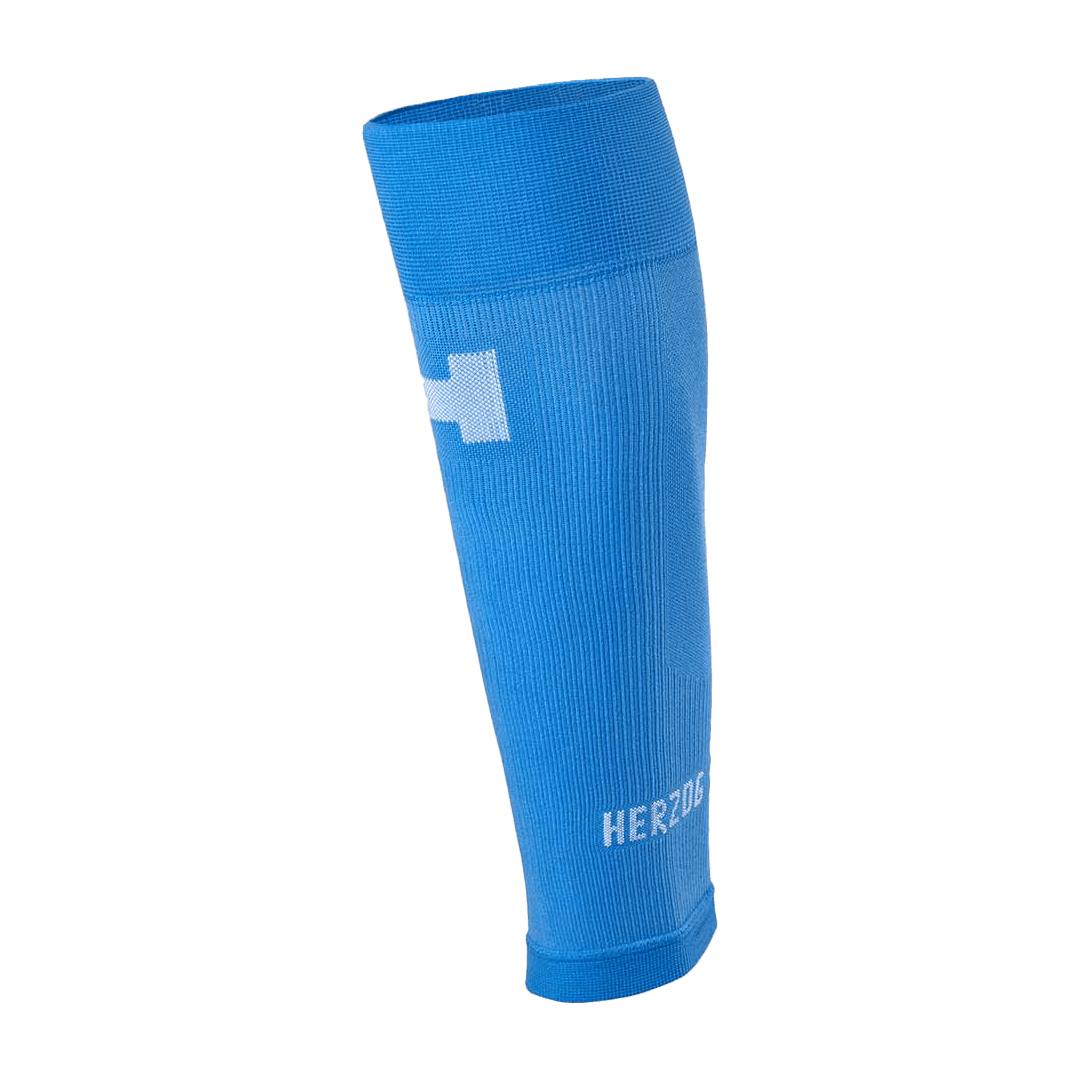
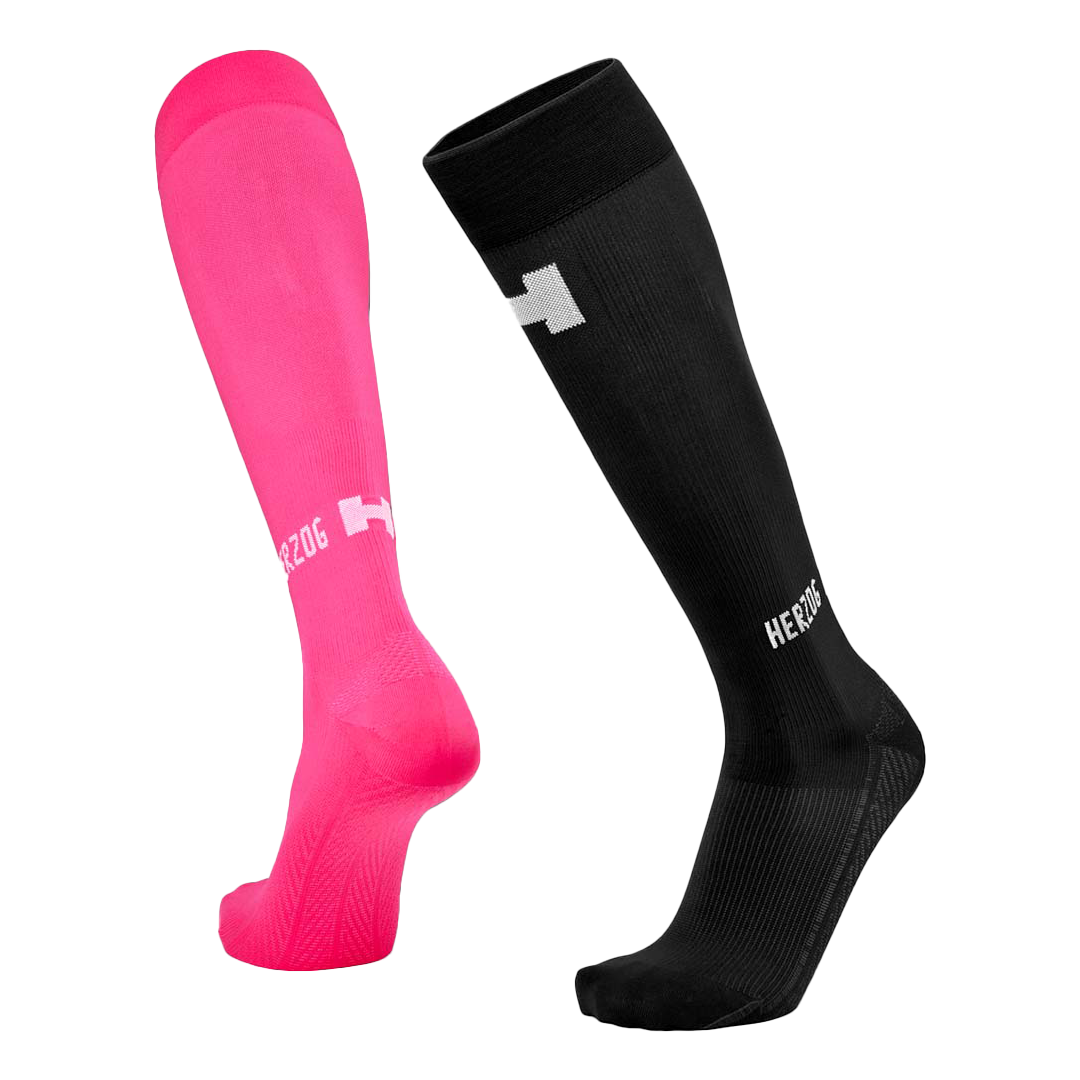
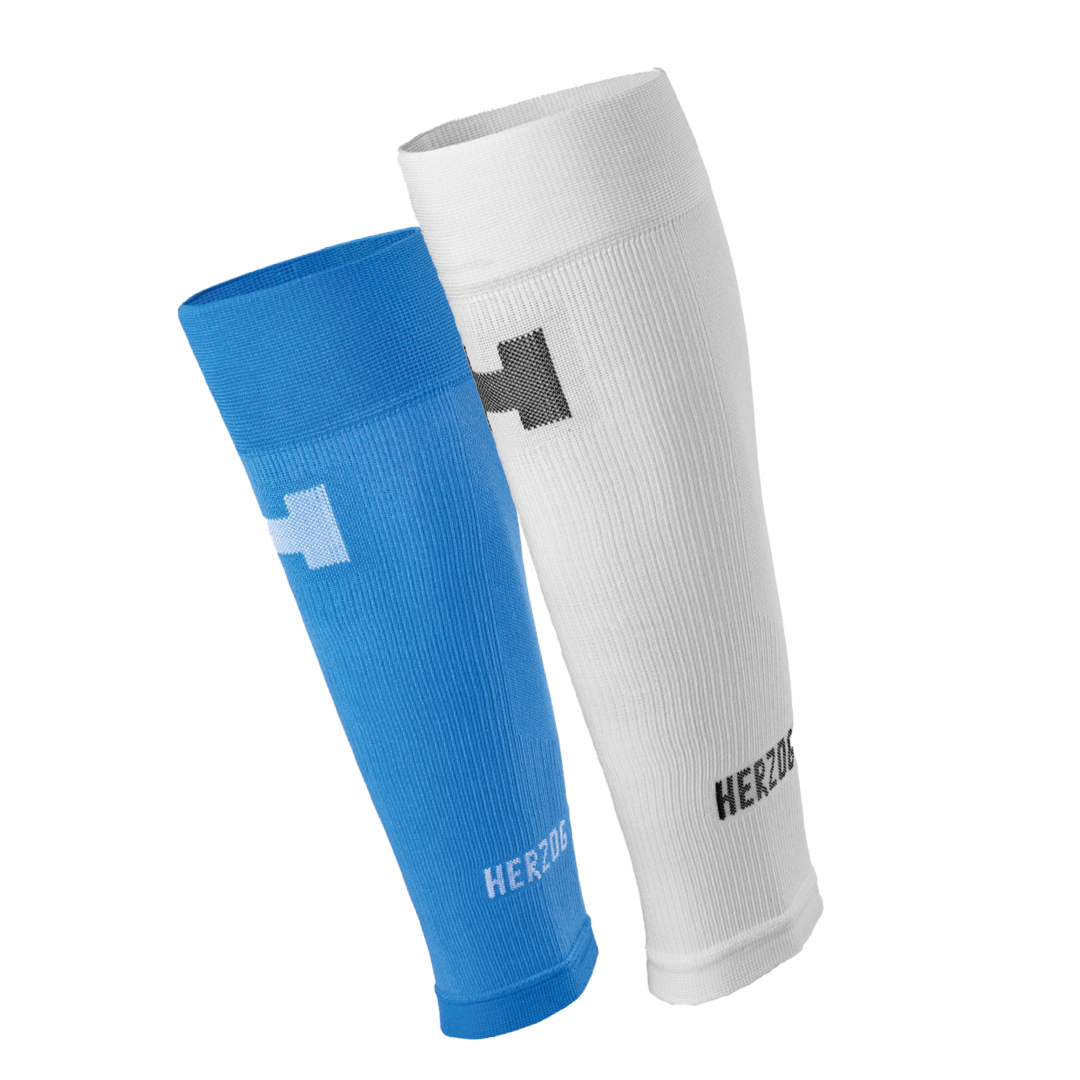
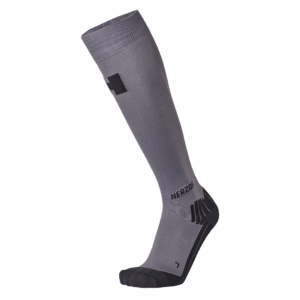
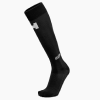
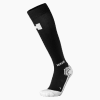
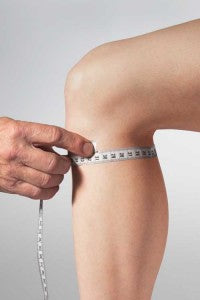
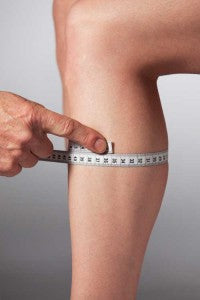
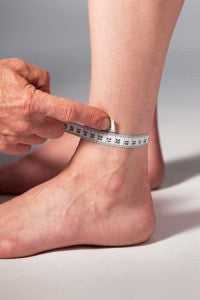
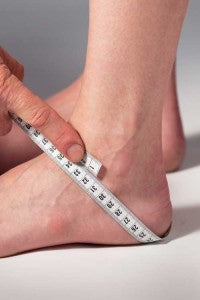
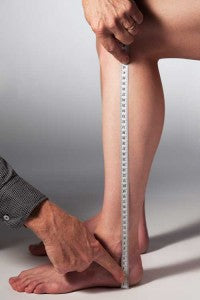
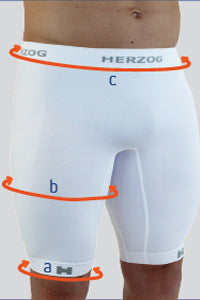
The compression socks from Herzog Medical are anatomically shaped and feature controlled, graduated compression from ankle to knee. Thanks to the precise sizing system, the socks fit snugly on the lower leg for targeted support during sports and recovery.

Can I continue exercising with Achilles tendon problems?

That depends on the severity of the problem. With mild irritation, it's often possible to continue moving gently. If the pain clearly increases during exercise or if the symptoms worsen afterwards, it's wise to temporarily reduce the load.

Continuing to exercise with pain for too long increases the chance that small irritations will develop into long-term tendon problems.

Products in this blog

Side Image

When should you see a physical therapist or doctor?

If symptoms persist for weeks or clearly worsen, professional guidance is advisable. It is also important to have the Achilles tendon evaluated in case of swelling, redness, loss of strength, or sudden sharp pain.

Early treatment often prevents symptoms from becoming chronic.

Why do athletes choose Herzog compression socks?

Many athletes use Herzog Medical compression socks for tired calves, overuse, and Achilles tendon issues. The combination of high, controlled compression and a precise fit provides targeted support for the lower legs during sports and recovery.

The socks are medically certified under the MDR guidelines and have been used for years by both recreational and elite athletes. Especially during prolonged exertion, intensive training, and recurring calf or Achilles tendon issues, many athletes experience extra support and comfort.