Calf cramps while running: these are the most common causes

Calf cramps are common while running. Sometimes you only feel them after a few kilometers, sometimes the cramp suddenly strikes during an acceleration or a long run. It can cause your pace to drop or even force you to stop running.

At Herzog Medical, we regularly receive questions about this. Calf cramps rarely occur without reason. Often, multiple factors play a role simultaneously.

Side Image

Why do calf cramps occur?

The calf muscles endure a lot of stress during running. Especially during longer distances, intensive training sessions, or hills, the calves must constantly absorb impact, stabilize, and push off.

When muscles become fatigued or are overstressed, cramps can occur. This often feels like a sudden spasm or a hardened muscle in the calf.

1. Fatigued Calf Muscles

The most common cause is simple: overuse.

Many runners build up their training too quickly or run longer distances when their calves aren't ready for it yet. Especially during:

  • interval training
  • hill training
  • long endurance runs
  • races
  • high-tempo running

the strain on the calves increases significantly.

Fatigued muscles become overstimulated more quickly and can therefore cramp.

2. Insufficient Recovery

Cramps don't always occur during a strenuous training session itself. Sometimes the calves simply haven't recovered enough from previous exertion.

When you do several intensive training sessions in quick succession, muscles remain fatigued longer. This increases the likelihood of cramps.

Recovery, therefore, plays a larger role than many runners realize.

Recovery Collection
Side Image

3. Fluid and mineral deficiency

While running, you lose fluids and minerals through sweat. Especially in warm weather or during prolonged exertion, this can affect muscle function.

A combination of heavy sweating, insufficient hydration, prolonged exertion, and high temperatures can particularly contribute to cramp symptoms.

4. Instability while running

Running technique and stability often play a role as well.

When feet or ankles make a lot of uncontrolled movements during running, the calf muscles have to work harder to correct them. This costs extra energy and can cause muscles to fatigue more quickly.

This is regularly observed, for example, with:

  • tired feet
  • slight overpronation
  • unstable ankles
  • long distances where technique deteriorates

5. Excessive muscle vibration during impact

With each landing, small vibrations occur in the muscles. The longer or more intensely you run, the greater this strain becomes.

When muscles constantly have to absorb a lot of vibrations, they fatigue more quickly. This can contribute to heavy calves and, ultimately, cramps.

Products in this blog

Side Image

What can you do about calf cramps during running?

The solution usually involves several components simultaneously:

Gradually increase load

Give calf muscles time to strengthen. Gradually increase distance and intensity.

Work on recovery

Rest days, sleep, and recovery periods are essential for muscles to recuperate sufficiently.

Pay attention to hydration and nutrition

Drink enough around training sessions and competitions, especially in warm weather.

Improve stability

More stable foot and ankle movement means calves have to correct less during running.

Reduce muscle strain during running

Good support for the lower legs can help reduce muscle vibrations and fatigue.

The role of compression socks in calf problems

Many runners wear compression socks to better support the load on their calves during training and competitions.

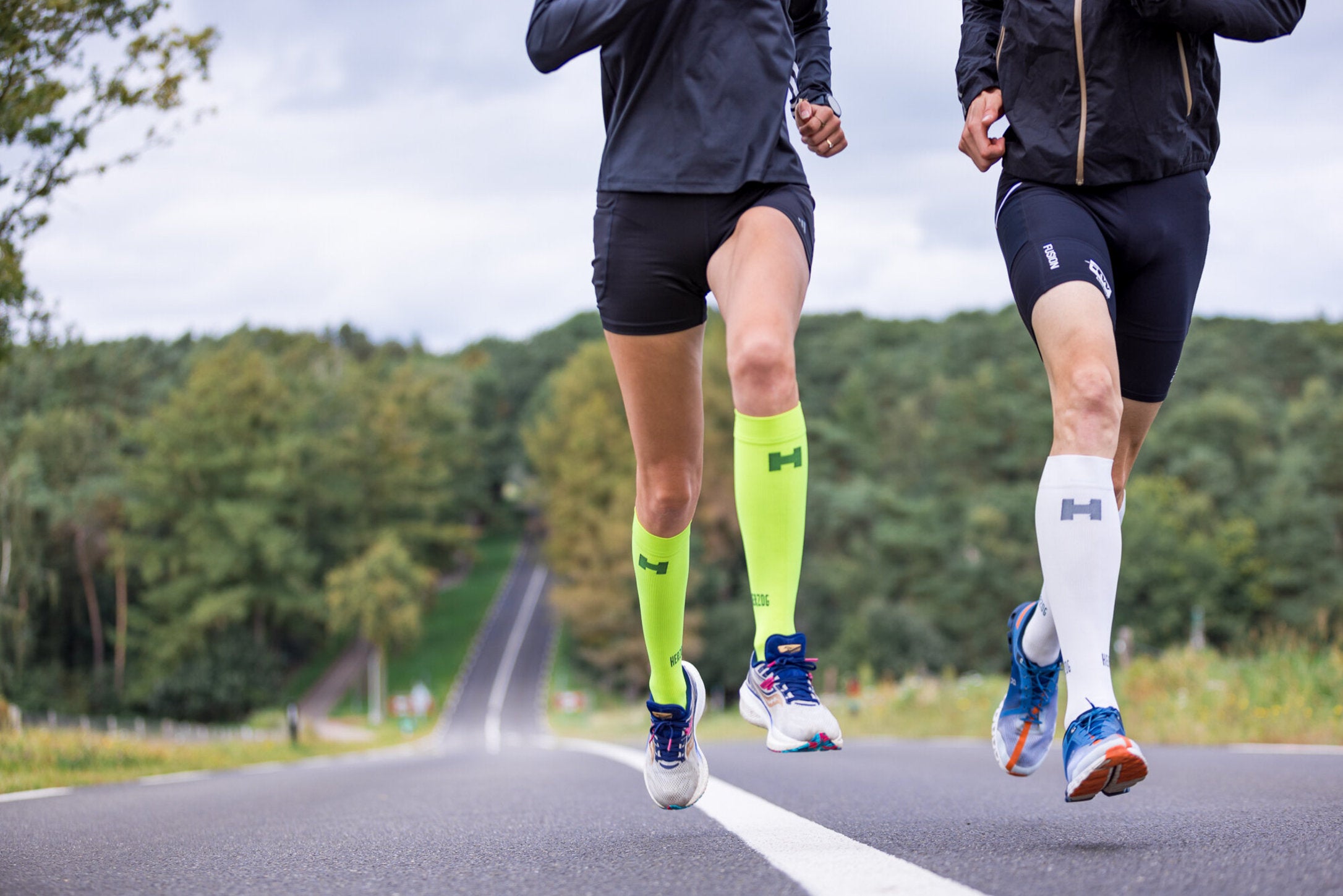
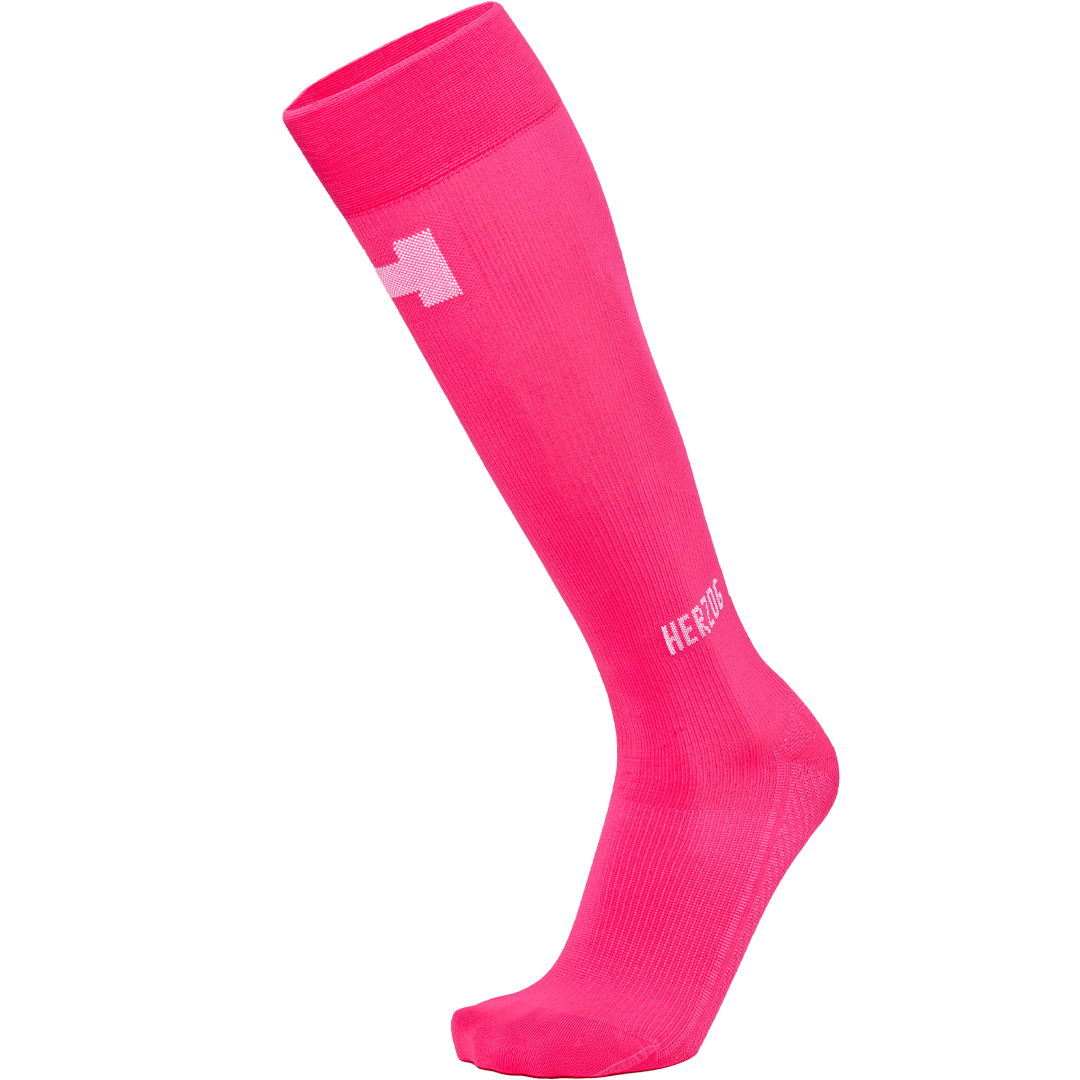
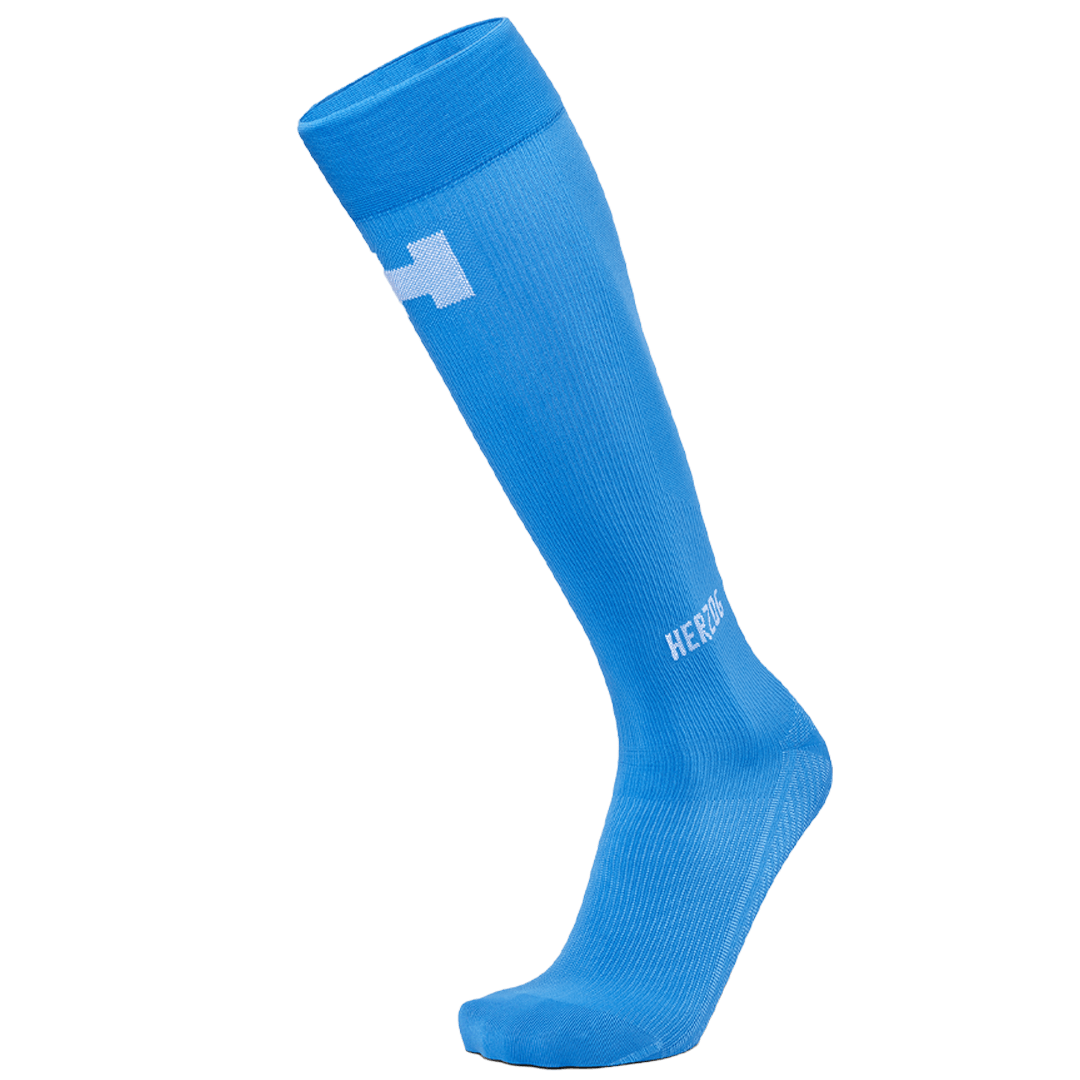
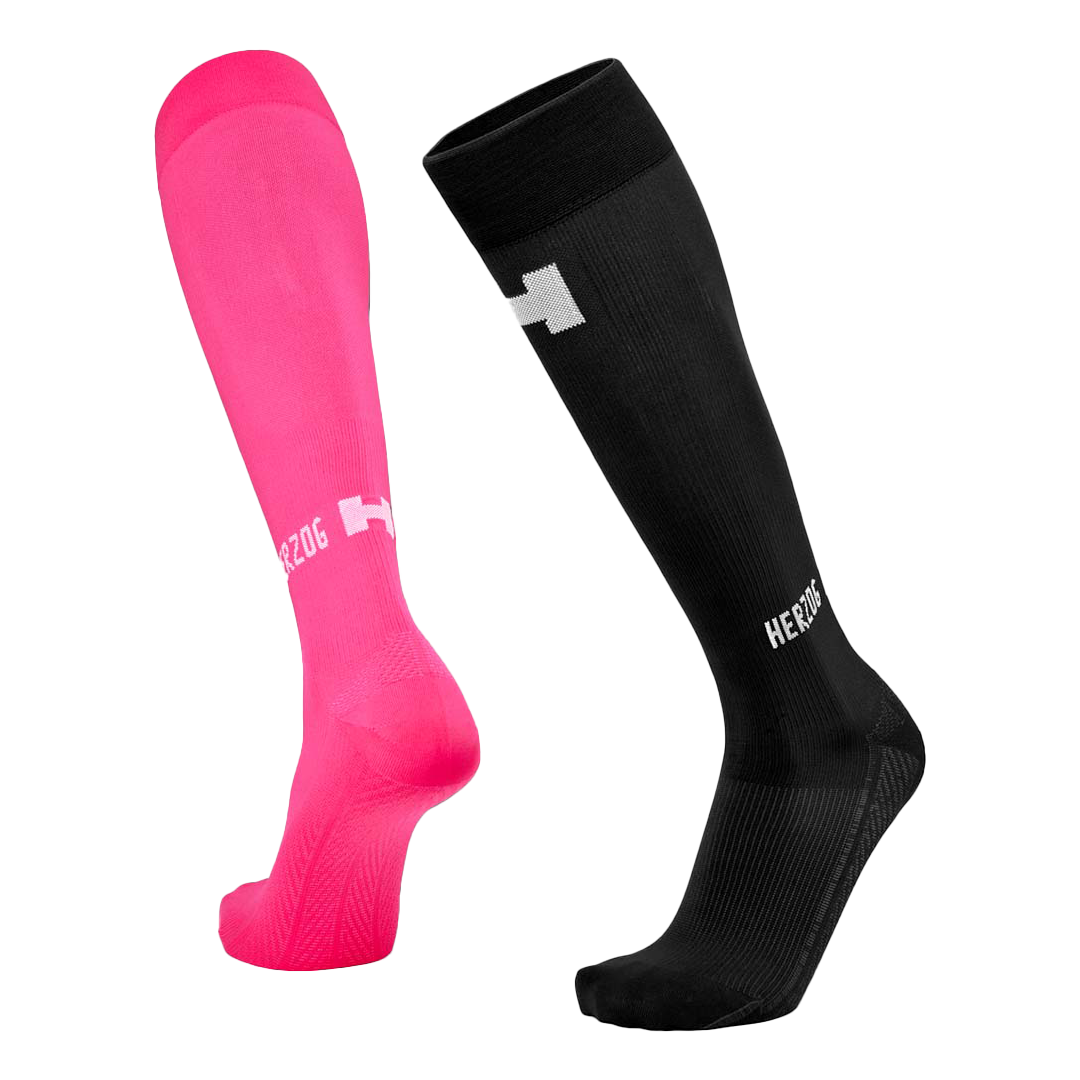
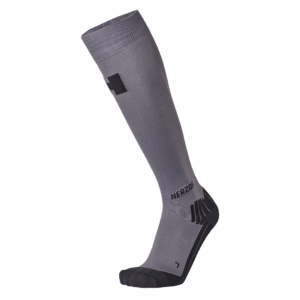
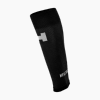
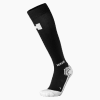
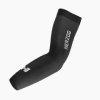
The Herzog PRO Compression Socks provide targeted compression around the lower legs. This supports calf muscles during running and reduces muscle vibrations.

Additionally, the controlled compression helps support blood circulation, which can contribute to less tired legs during and after exercise.

Especially runners who regularly suffer from heavy calves, quickly tired legs, recurring calf problems, and cramps during long distances often experience extra support while running.

When should you be extra careful?

Do complaints regularly recur? Or do you consistently get cramps or pain in the same spot? Then it is wise to further investigate:

  • training load
  • running technique
  • footwear
  • stability
  • recovery periods

Sometimes a physiotherapist or running specialist can help to better identify the underlying cause.