Calf problems in runners: when should you rest?

Almost every runner experiences it sooner or later: stiff, tired, or painful calves. Sometimes the discomfort subsides after a day, but sometimes it keeps recurring during training sessions or races.

Many runners then hesitate: should I keep running, or is rest wiser?

At Herzog Medical, we regularly receive questions about calf complaints in runners. In many cases, it is caused by overuse, but the moment you take a rest often determines how quickly you can train properly again.

Side Image

Why do calf complaints occur while running?

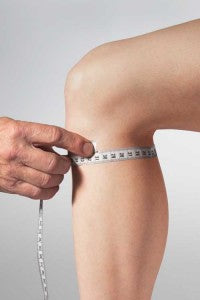
The calves play a big role in running. With every step, they provide stability, cushioning, and propulsion. Especially at higher speeds, over long distances, or during intensive training weeks, the muscles endure a lot of strain.

Complaints often arise when several factors coincide. These include too rapid an increase in training intensity, insufficient recovery time, or fatigue in running technique. Instability in the foot or ankle can also cause the calf muscles to work harder.

When are calf complaints still normal?

Not every stiff calf immediately signifies an injury.

After a tough workout or long run, slight muscle soreness or fatigue is often a normal bodily reaction. Especially when the symptoms subside within one or two days and lessen during gentle movement, the muscle usually primarily needs recovery.

Many runners recognize the feeling of heavy or stiff calves after intensive exertion. That doesn't necessarily mean you have to stop running completely.

When is rest advisable?

It becomes a different story when symptoms keep recurring or worsen during running.

A sharp or stabbing pain in the calf is often a signal that the muscle is being overstressed. Also, if you notice that you start to run differently to avoid the pain, it's wise to take it easier temporarily.

Does the calf remain hard, tense, or sensitive? Or do you even experience pain while walking or climbing stairs? In that case, the muscle usually needs more recovery than just a good night's sleep.


Side Image

Why pushing through often backfires

Many runners try to train through their pain. However, for calf problems, this often backfires.

A tired or overloaded calf continuously absorbs impact during running. When muscles don't recover sufficiently, a relatively small irritation can slowly turn into a long-term injury.

Slowing down in time often prevents you from being unable to run for weeks.

What can you do during recovery?

Rest doesn't always mean complete inactivity. In many cases, it actually helps to temporarily reduce the load instead of abruptly stopping completely.

Easy runs, walking, or cycling can sometimes be perfectly fine as long as the symptoms don't worsen. Additionally, recovery periods, sleep, and training progression play an important role in calf recovery.

It's also wise to critically examine the cause of the symptoms. Sometimes the problem isn't just with the muscles themselves, but also with stability, footwear, or training load.

Side Image

The role of compression in tired calves

Many runners use compression socks to provide extra support to their calves during exercise.

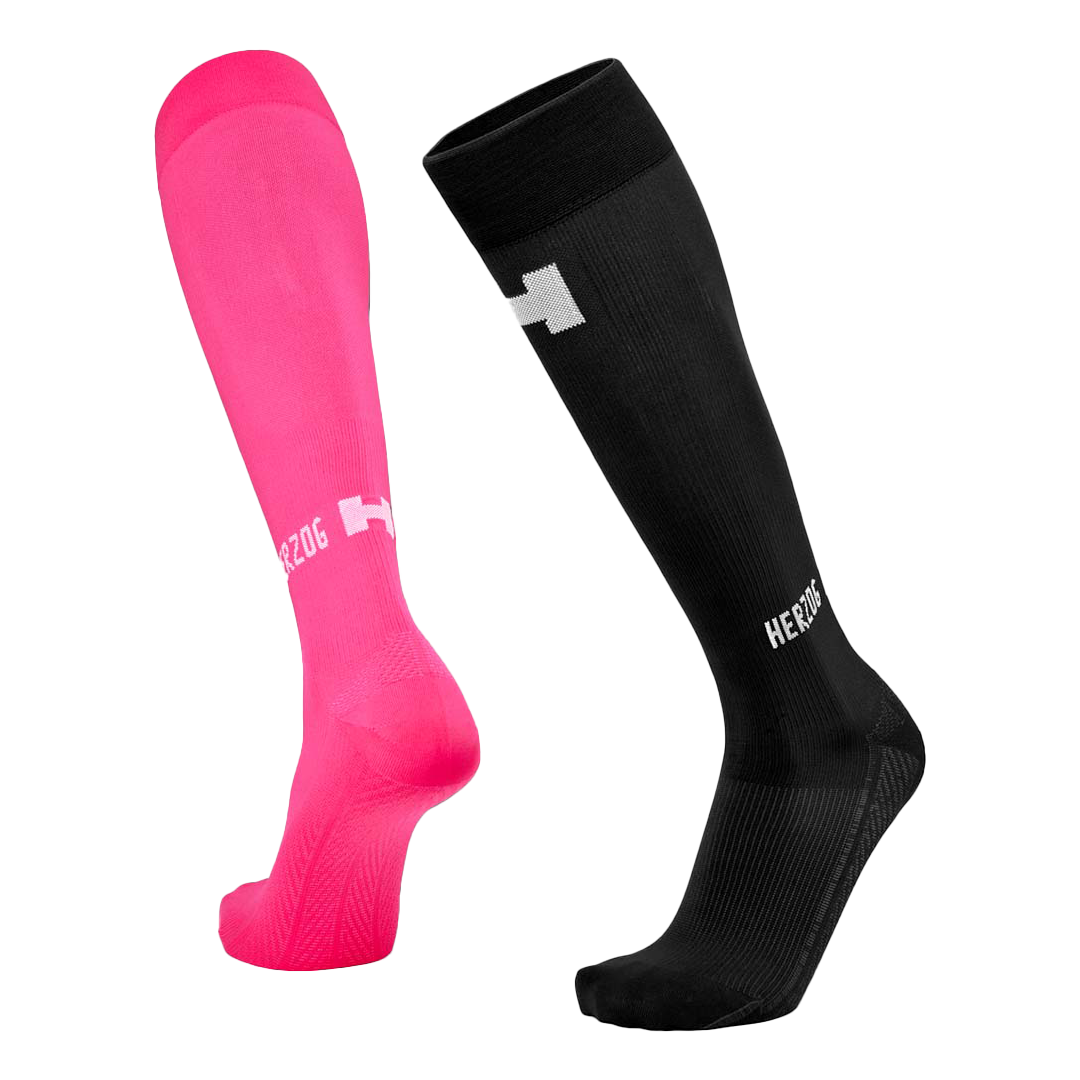
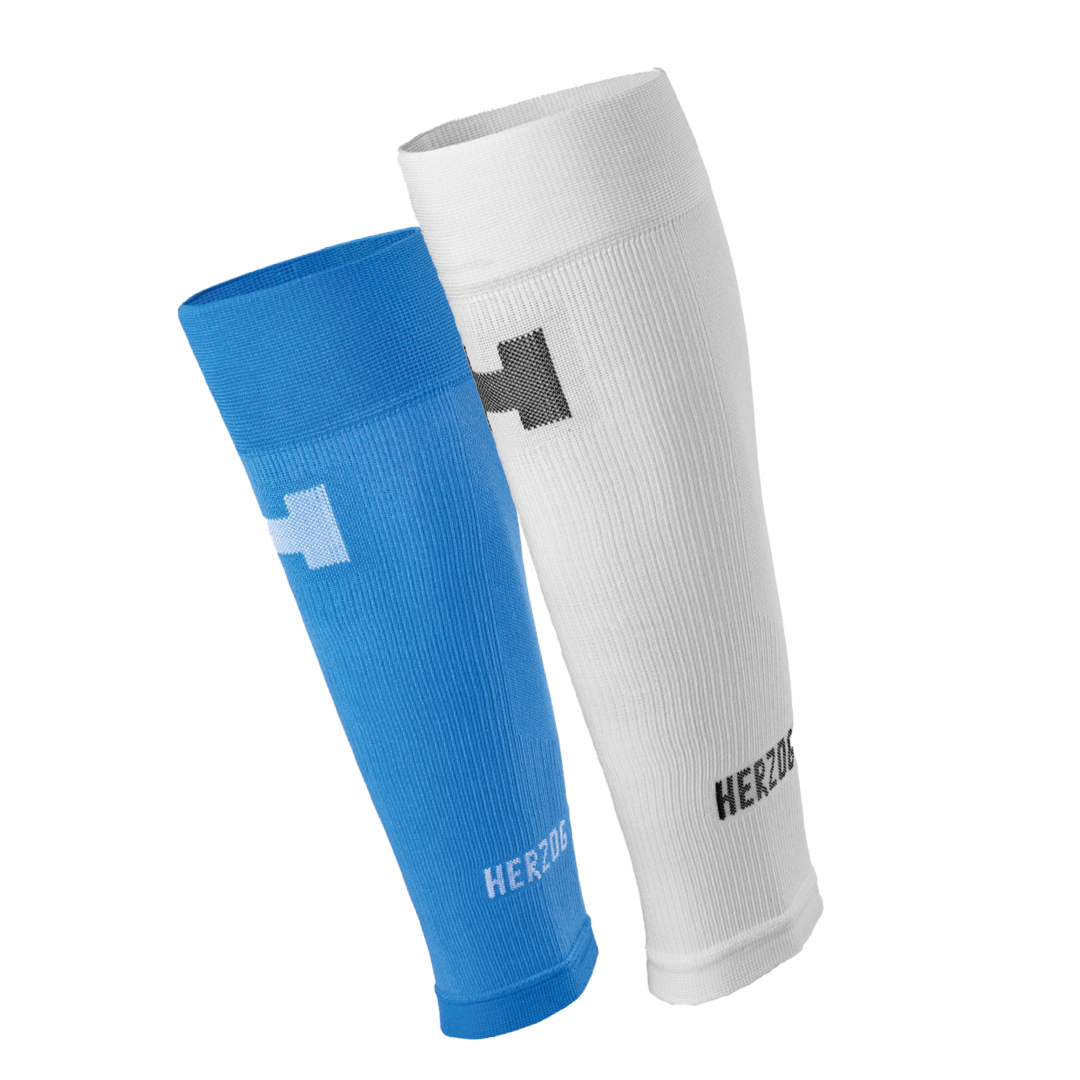
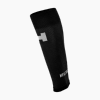
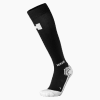
The Herzog PRO Compression Socks provide targeted compression around the lower legs. This reduces muscle vibrations, and the calves often feel more stable during long distances or intensive training sessions.

Many athletes also choose compression during recovery periods to make tired legs feel more comfortable.

Compression does not prevent every injury, but it can help to better support the load on the calves during sports and recovery.

When is professional help advisable?

Do complaints keep recurring or does the pain increase? Then it is advisable to consult a specialist.

Especially if you experience persistent complaints or notice that strength and stability are decreasing, a physical therapist or sports specialist can help to better identify the cause.