Heatstroke and the danger of overheating during exercise

On hot days, many athletes simply put on their running shoes, get on their bikes, or start a long walk. While exercising in warm weather is perfectly possible, high temperatures also bring risks. One of the most serious consequences of extreme heat exposure is heatstroke.

Heatstroke is a medical emergency that requires immediate intervention. Therefore, it is important to recognize the signs of overheating in time and to know how to protect yourself in warm conditions.

Side Image

What is heatstroke?

Heatstroke occurs when the body can no longer adequately regulate its temperature. Normally, sweating helps to dissipate excess heat. However, in extreme heat, high humidity, or prolonged exertion, this system can become overloaded.

As a result, the body temperature continues to rise. When it exceeds 40 degrees Celsius, organs, muscles, and the nervous system can be endangered.

Heatstroke is therefore a medical emergency that requires immediate treatment.

How does overheating occur?

During exercise, muscles produce heat. The more intense the exertion, the more heat is released.

Normally, the body dissipates this heat through:

  • Sweating
  • Evaporation of moisture on the skin
  • Increased blood flow to the skin

When the ambient temperature is high or the humidity is great, it becomes increasingly difficult to lose heat.

The risk further increases with:

  • Prolonged exertion
  • Insufficient fluid intake
  • Direct sunlight
  • Poor acclimatization to heat
  • Excessively high training intensity

What are the first signs of overheating?

Overheating usually does not occur all at once. Often, there are warning signs beforehand.

Common symptoms include:

  • Extreme fatigue
  • Headache
  • Dizziness
  • Nausea
  • Muscle cramps
  • Excessive sweating
  • Increased heart rate
  • Decreased performance

These symptoms may indicate heat exhaustion, a precursor to heatstroke.

Side Image

When does it become dangerous?

In case of heatstroke, the body can no longer control its temperature.

Possible symptoms include:

  • A body temperature above 40°C
  • Confusion
  • Disorientation
  • Coordination problems
  • Fainting
  • Loss of consciousness
  • Altered behavior

If these symptoms occur, immediate medical attention should be sought.

Who is at extra risk?

Anyone can get heatstroke, but some groups are at increased risk.

Consider:

  • Runners during competitions
  • Cyclists during long rides
  • Hikers during multi-day events
  • Football players and team athletes during warm training sessions
  • Inexperienced athletes who are not used to heat

Elderly people and people with certain medical conditions are also more susceptible to overheating.

Why are athletes vulnerable?

During exercise, muscles produce a lot of heat. At the same time, the heart rate increases to deliver enough oxygen to the muscles.

At high temperatures, the body also has to send extra blood to the skin to dissipate heat. This places a greater strain on the cardiovascular system.

If fluid loss is not replenished, the risk of overheating increases further.

Products in this blog

Side Image

How to prevent overheating?

Adjust your pace

Accept that performance on warm days may differ from that under ideal conditions.

If necessary, reduce:

  • Your pace
  • Training duration
  • Intensity

Drink enough

Drink regularly and don't wait until you feel thirsty.

For prolonged exertion, it may also be advisable to replenish electrolytes.

Avoid the warmest hours

Preferably train:

  • Early in the morning
  • Later in the evening

This significantly reduces the heat load.

Wear breathable sportswear

Light and well-ventilated clothing helps the body dissipate heat better.

Listen to your body

Dizziness, nausea, or extreme fatigue are signals you should take seriously.

Stop immediately if you notice that your body is struggling to maintain the effort.

What to do in case of heatstroke?

Suspect heatstroke? Act immediately.

  1. Stop the exertion immediately.
  2. Move the person to a cool environment.
  3. Remove excess clothing.
  4. Start active cooling with cold water, wet towels, or ice.
  5. Call emergency services immediately.

Every minute counts with heatstroke.
Good preparation starts before your training

Many athletes pay a lot of attention to training schedules, but sometimes forget that weather conditions can be at least as important for performance and health.

Good preparation consists of:

  • Smart planning
  • Drinking enough
  • Wearing appropriate clothing
  • Taking recovery seriously
  • Staying alert to signals from the body

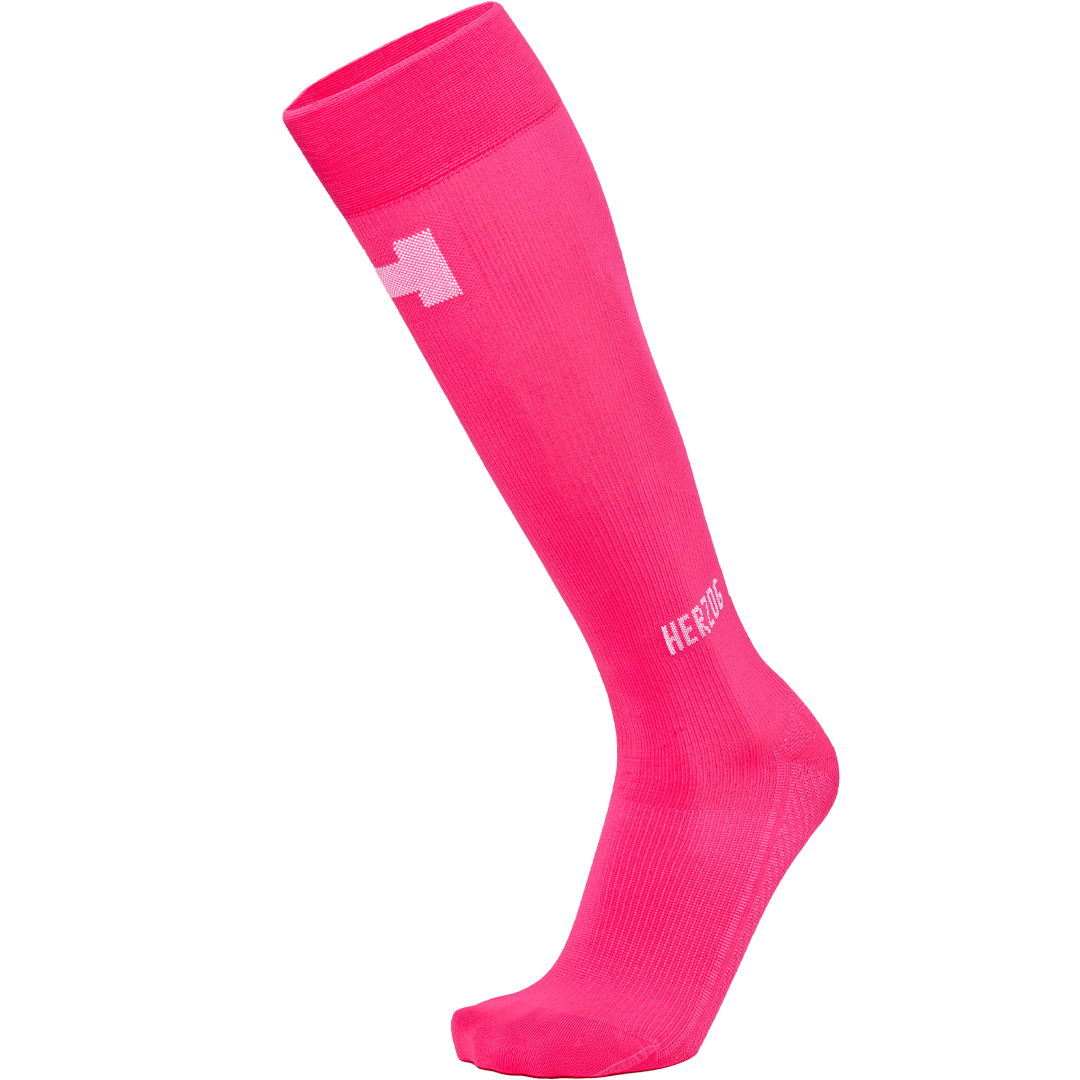
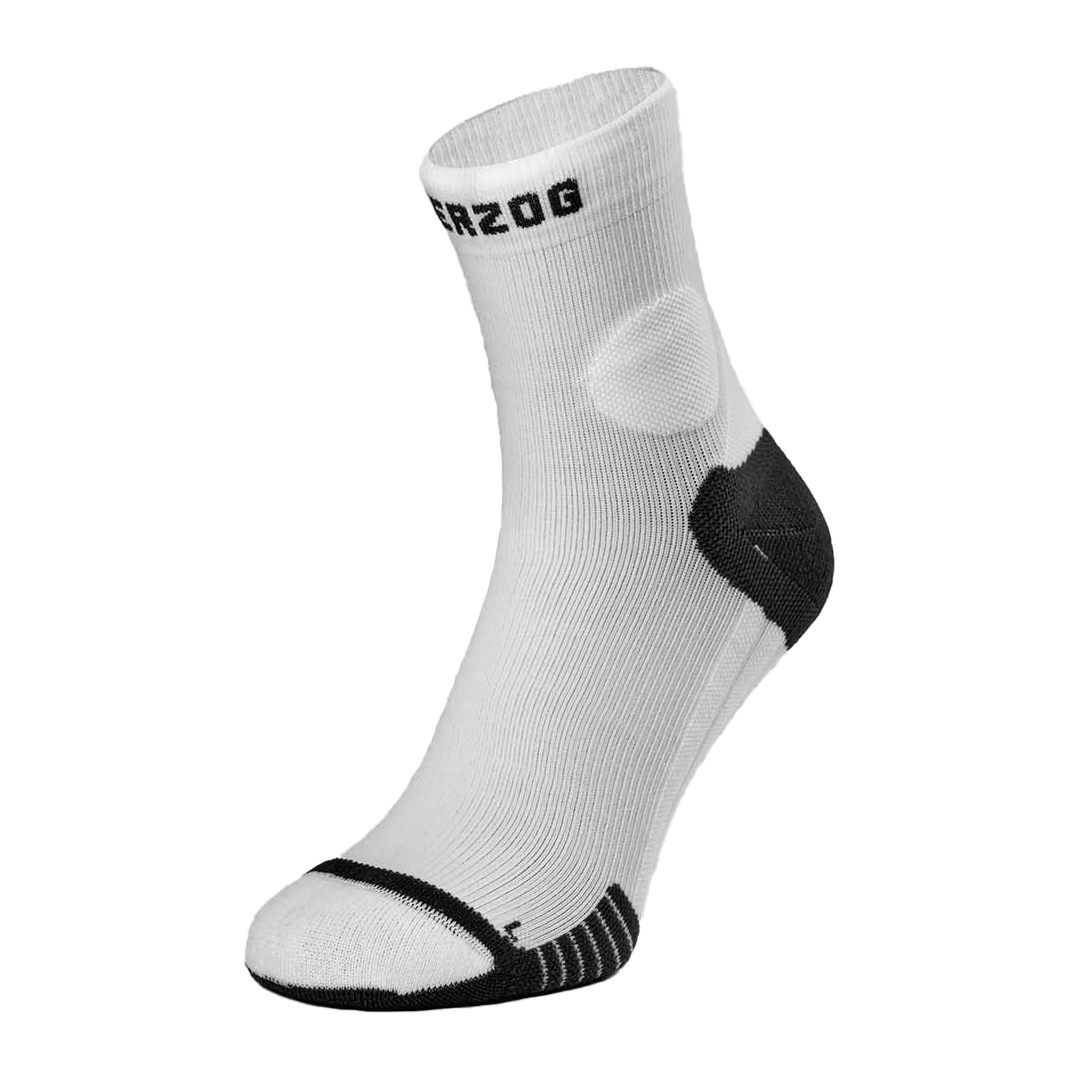
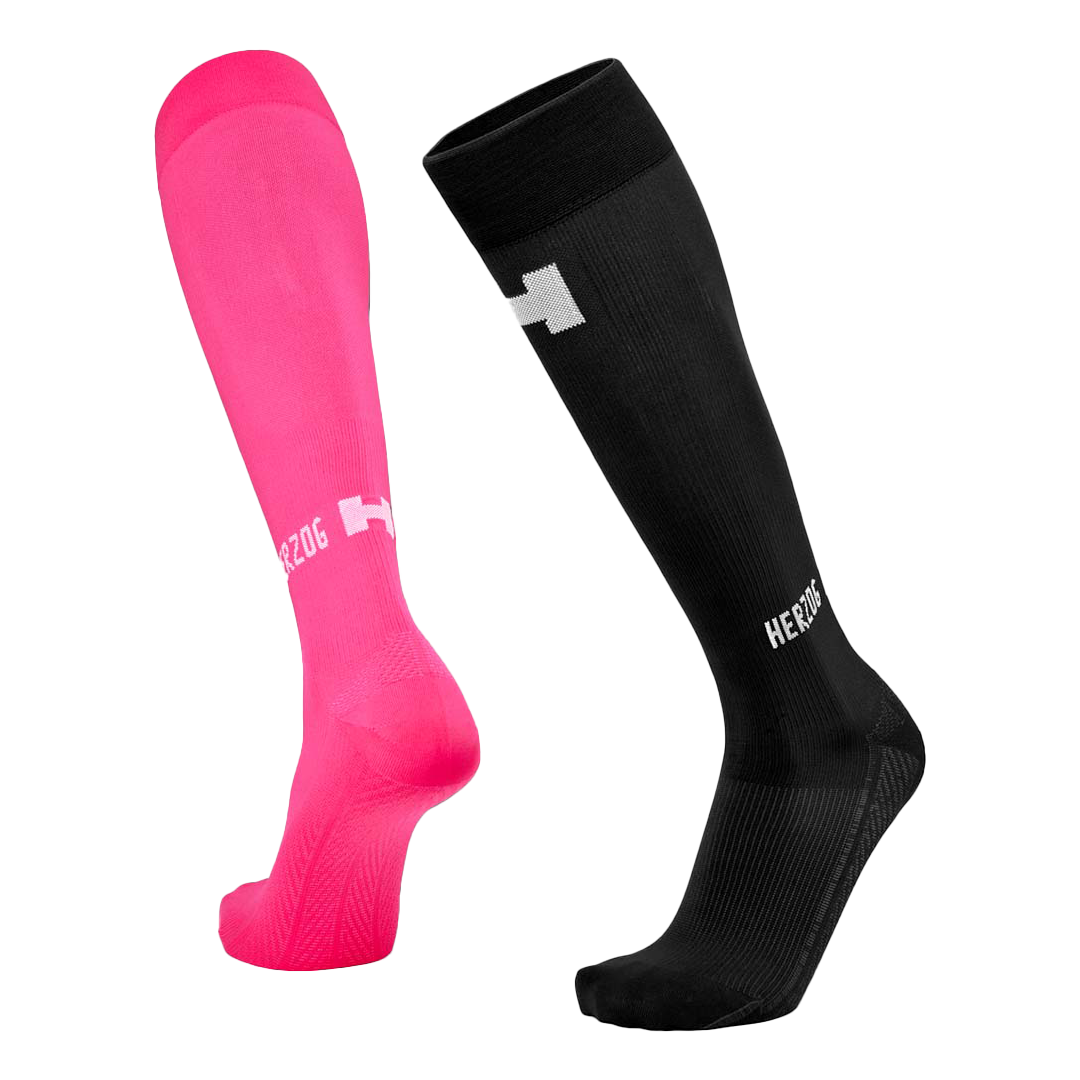
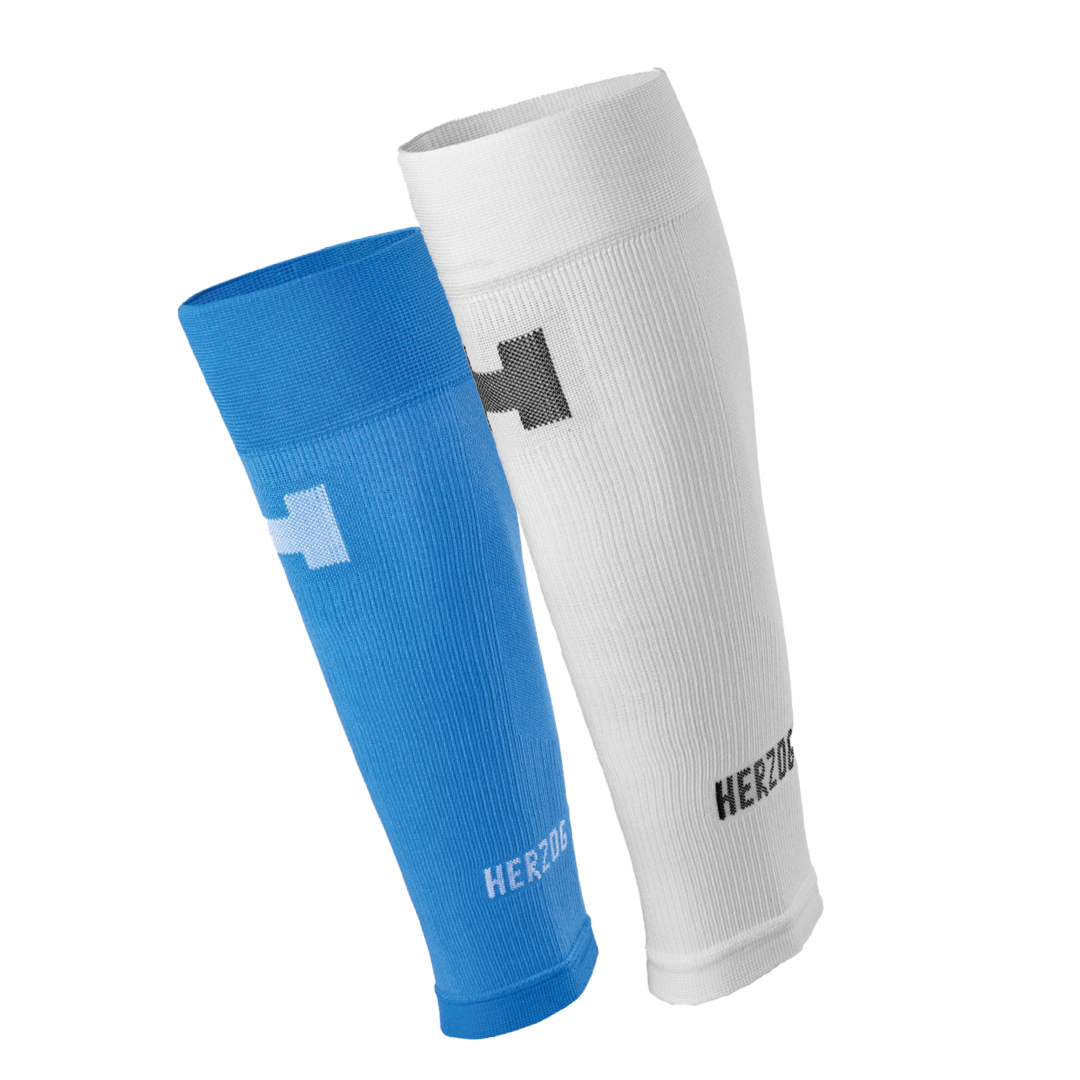
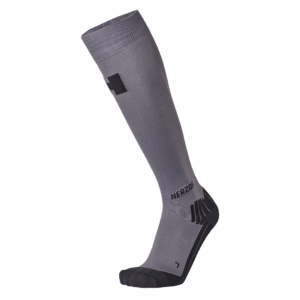
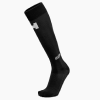
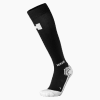
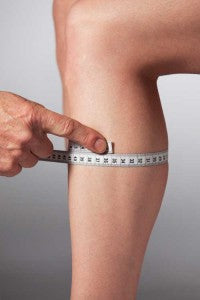
Products that contribute to comfort during exercise, such as breathable compression socks, can also help to keep you comfortable while exercising. For example, the Herzog PRO Compression Socksand Support Compression Socksare developed with breathable materials that effectively wick away moisture. Although compression socks do not offer protection against heatstroke, they can contribute to wearing comfort during training and walks in warm conditions.

Conclusion

Heatstroke is a serious condition that occurs when the body overheats and can no longer regulate its temperature. Especially when exercising in warm weather, it is important to be alert to symptoms such as dizziness, nausea, extreme fatigue, and confusion.

By adjusting your effort to the circumstances, drinking enough, and listening carefully to your body, you can significantly reduce the risk of overheating. Because no matter how important performance is, your health always comes first.