Heel spurs: symptoms, causes, and what you can do to get rid of them

Heel spur is one of the most common causes of pain under the heel. Especially runners, walkers, and people who stand a lot experience it. The symptoms can develop slowly, but can also flare up suddenly after a period of intense exertion.

Although heel spur is often mentioned, in many cases it actually concerns an irritation of the plantar fascia under the foot. This is also called plantar fasciitis.

Side Image

What exactly is a heel spur?

A strong plantar fascia runs under the foot from the heel to the toes. This fascia absorbs shocks during walking, running, and jumping. When excessive tension is placed on it for a prolonged period, minor damage can occur. This causes irritation and pain under the heel. Many people think that a heel spur is literally a “bone protrusion,” but that is not always the case. Sometimes calcification is visible on an X-ray, even though the person has no symptoms. Conversely, people can experience significant heel pain without a visible heel spur. That is why specialists nowadays more often refer to it as plantar fasciitis.

Symptoms of a heel spur

The symptoms of a heel spur are often easily recognizable. Typical symptoms include:

  • Stinging pain under the heel
  • Pain with the first steps in the morning
  • Pain after sitting for a long time
  • Heel pain while walking or running
  • Sensitive or burning soles
  • Pain when standing for a long time
  • More symptoms on hard surfaces
  • Pain when pressure is applied under the heel


Many athletes notice that the pain is present at the beginning of a training session, decreases slightly afterwards, but returns later. “Start-up pain” is particularly characteristic of heel spurs.

Side Image

What causes heel spurs?

Heel spurs usually develop due to prolonged overuse of the plantar fascia under the foot. Several factors play a role in this.

Common causes of heel spurs include:

  • Frequent running or walking
  • Prolonged standing at work
  • Sudden increase in training intensity
  • Worn-out or ill-fitting shoes
  • Tight calf muscles
  • Overpronation or flat feet
  • Overweight
  • Reduced ankle mobility

In runners, heel spurs often develop after a rapid increase in training load or intensive preparation for competitions. Stiff calves and Achilles tendon tension also frequently play a role.

How long do heel spurs last?

One of the frustrating things about heel spurs is that recovery often takes time. Many people hope to be rid of the symptoms within a few weeks, but in practice, recovery often takes months.

On average, symptoms can persist for 6 to 18 months, depending on the load and treatment.

That doesn't mean you have to stop moving altogether. On the contrary, controlled movement is often important, as long as the load is gradually increased.

Products in this blog

Side Image

What helps with heel spurs?

There is no single miracle cure for heel spurs. Often, a combination of measures works best.

1. Temporarily reduce overuse

Keep moving, but try to avoid peak loads. Fewer long walks, less sprinting, or temporarily reduced training volume can help reduce irritation.

2. Stretch the calves and sole of the foot

Stretching exercises for the calf muscles and plantar fascia are widely used for heel spurs. Since the calf muscles, Achilles tendon, and plantar fascia are connected, less tension on the calf can also reduce pressure under the foot.

3. Wear good shoes

Good support under the foot is important. Many people notice more discomfort with flip-flops, bare feet, or hard soles.

4. Gradually build up sports activity

When running, it's wise to gradually build up training load. Especially hill training, sprint training, and long-distance runs can put extra strain on the plantar fascia.

5. Compression around the foot and ankle

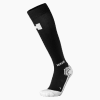
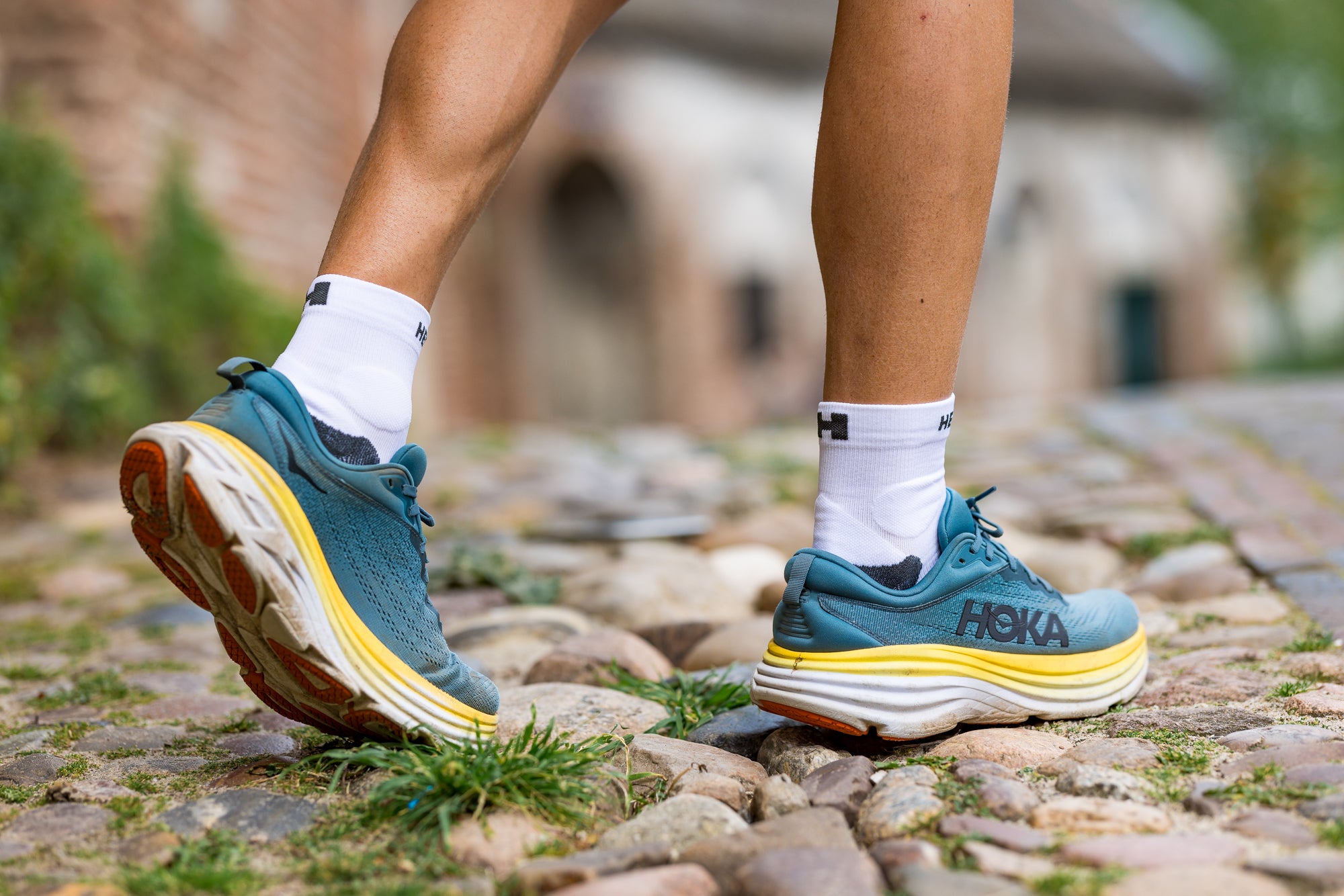
More and more athletes with heel spurs or plantar fascia complaints choose targeted compression around the foot and ankle. Especially during running or prolonged walking, this can provide extra support to the arch of the foot and the plantar fascia under the foot.

How can Herzog PRO Compression Ankle Socks help with heel spurs?

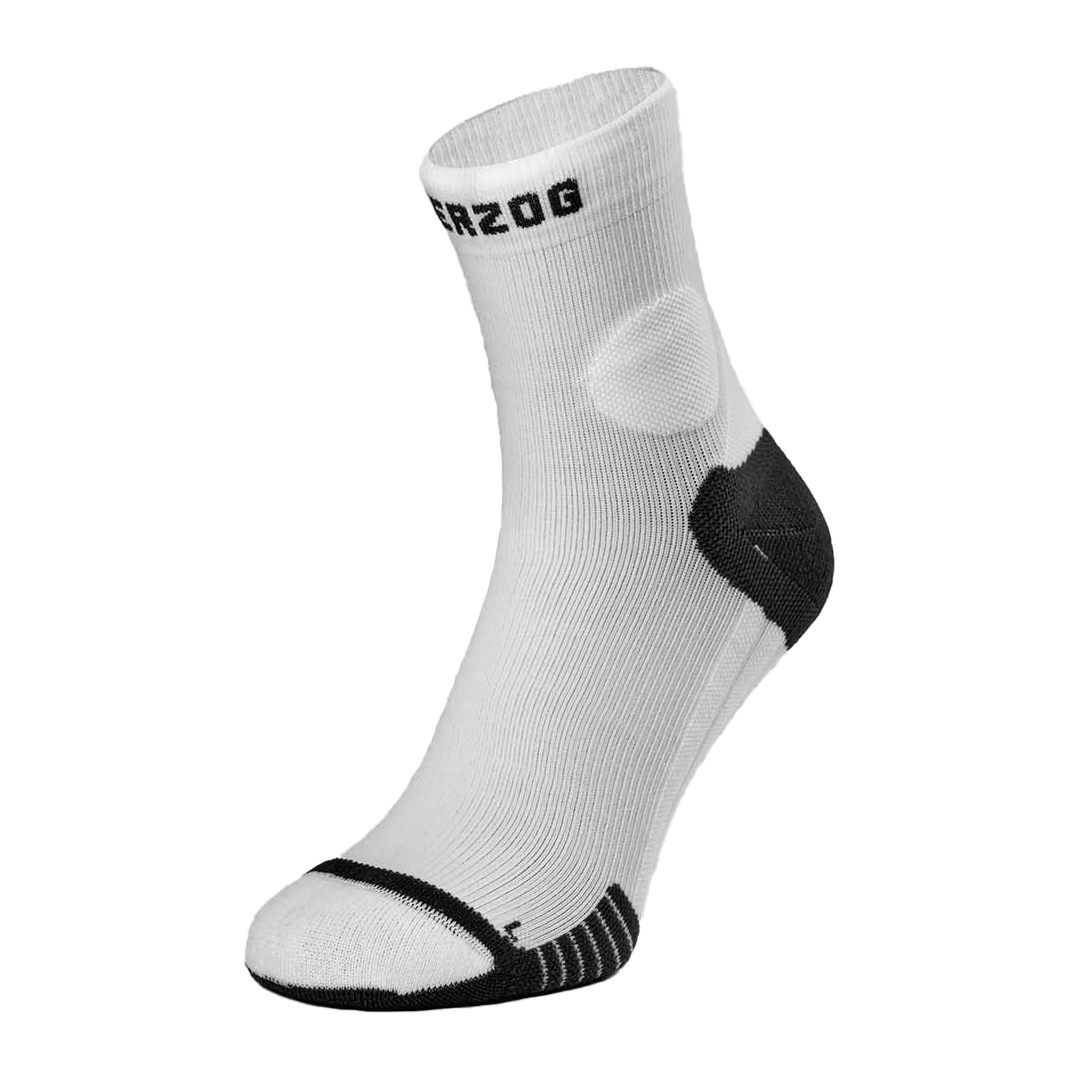
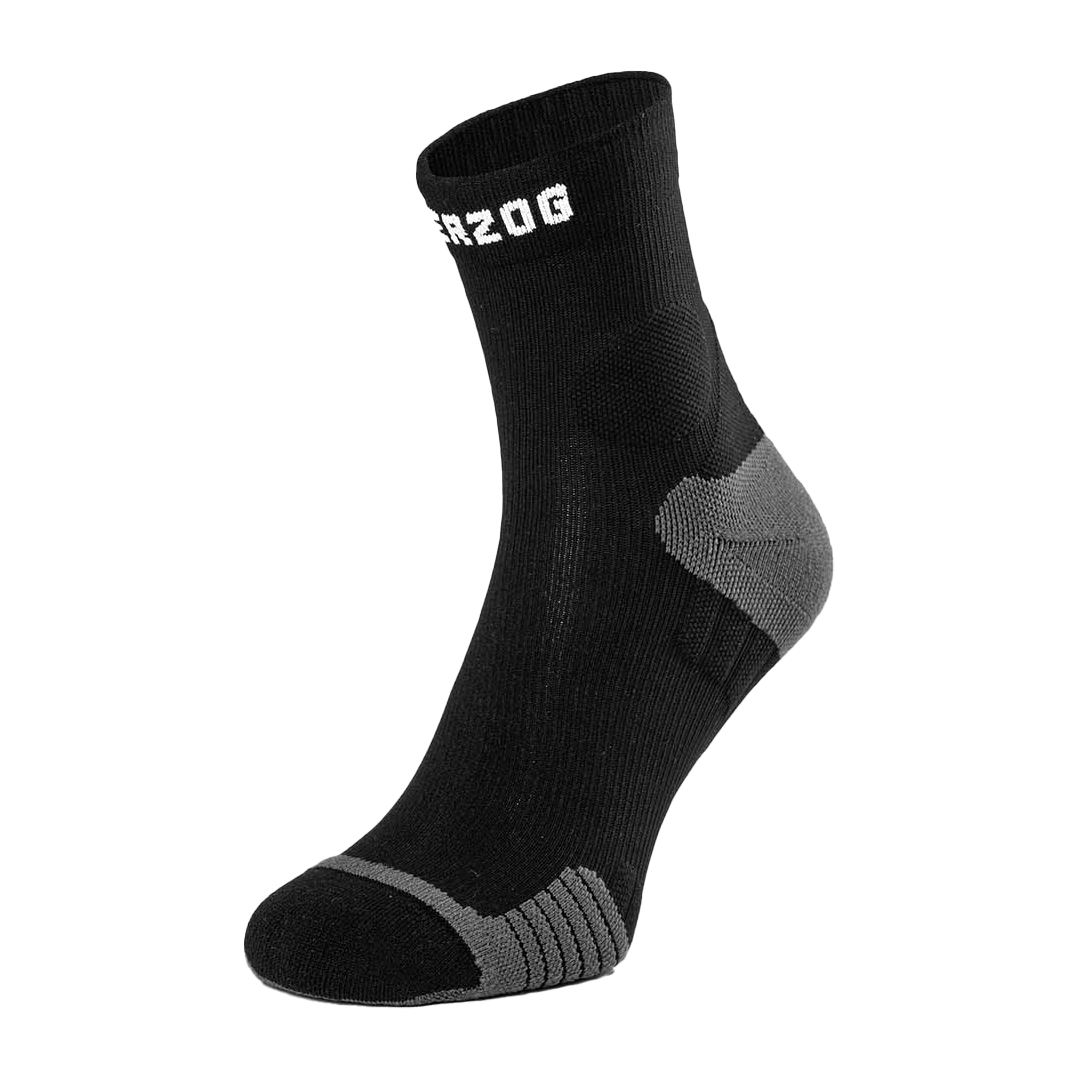
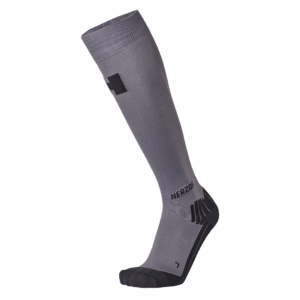
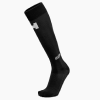
The Herzog PRO Compression Ankle Socks are designed to provide targeted compression around the foot and ankle. The compression supports the arch of the foot and provides extra firmness around the plantar fascia under the foot.

Many athletes with complaints such as:

  • heel spurs
  • plantar fasciitis
  • plantar fascia irritation
  • tired feet
  • tension under the foot

therefore opt for compression during exercise.

Especially when running, athletes often notice a difference because the foot feels more stable during the push-off. In addition, compression can help reduce fluid retention around the foot and ankle during prolonged exertion.

When should you see a specialist?

Do the symptoms persist for months? Or is the pain getting worse? Then it may be wise to consult a physiotherapist, sports physician, or podiatrist.

Especially if you:

  • can no longer walk normally
  • have pain at rest
  • experience tingling
  • suddenly experience much more pain
  • develop symptoms in both feet

further examination is advisable.

Heel spur or plantar fasciitis is a common cause of heel pain in athletes and people who stand or walk a lot. Pain with the first steps in the morning is particularly characteristic. The symptoms usually arise from prolonged overuse of the plantar fascia under the foot.

Recovery often requires patience and a combination of adjusting activity levels, exercises, proper footwear, and support. For many athletes, compression ankle socks can provide extra support around the arch and plantar fascia during movement.