How the wrong size compression stockings affect comfort and effectiveness

Compression stockings are designed to support the leg with a precise pressure profile. But their effectiveness depends on one important factor: the correct size. Compression stockings that do not fit properly not only feel less comfortable, but can also be less effective.

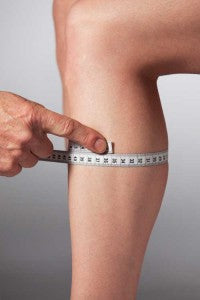
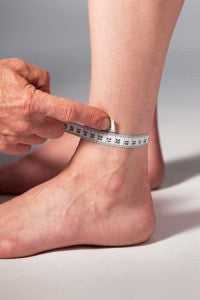
Nevertheless, many compression stockings are still chosen based on shoe size or a general size distribution, even though every leg is different. The circumference of the ankle, calf, and lower leg varies greatly from person to person.

In this blog, we explain why the correct size is so important and what consequences an incorrect size can have for the comfort and effectiveness of compression stockings.

Side Image

Why is the size of a compression stocking so important?

A compression stocking works by applying controlled pressure to the leg. This pressure is not uniform.

In a well-designed compression stocking, the pressure is:

  • Highest around the ankle
  • Gradually decreasing towards the knee

This is called gradual compression.

For this pressure profile to function correctly, the stocking must fit the shape of the leg precisely. If the size is incorrect, the pressure distribution also changes.

What happens if a compression stocking is too large?

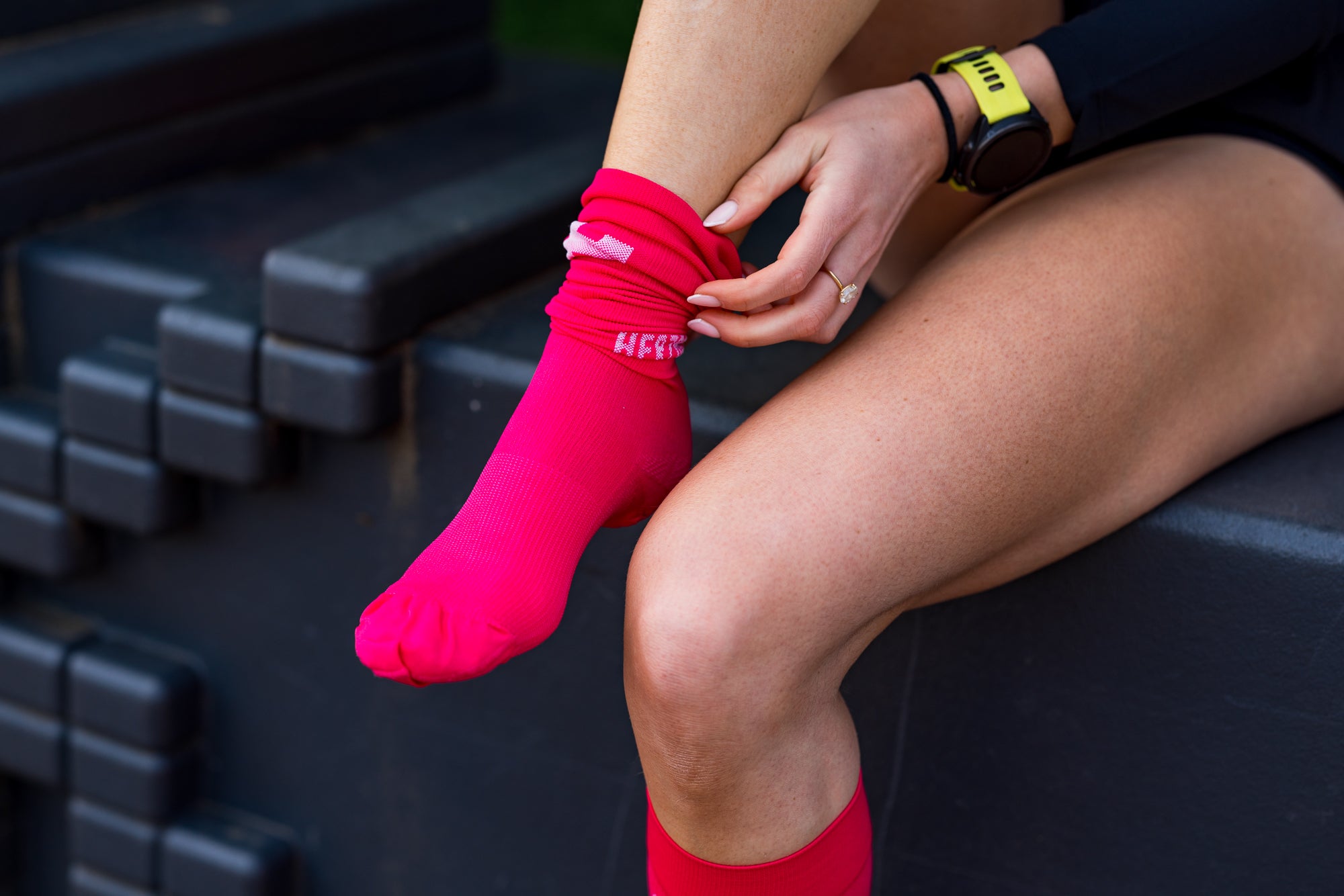
A compression stocking that is too loose will not fit the leg adequately.

This can lead to:

  • Decreased compression pressure
  • Disrupted pressure gradient
  • The stocking slipping down during use
  • Reduced support

Many users notice this because the stocking feels less stable or starts to slide down during the day.

In that case, you do not optimally benefit from the properties for which compression is intended.

What happens if a compression stocking is too small?

A compression stocking that is too small can, on the other hand, cause excessive pressure on certain parts of the leg.

This can lead to:

  • Reduced wearing comfort
  • Pressure points
  • Constriction
  • Skin irritation

Many people believe that "the tighter, the better" applies to compression. This is a persistent misconception.

Compression works not by applying as much pressure as possible, but by applying the right pressure in the right place.

Side Image

Waarom schoenmaat alleen niet voldoende is

Twee mensen met dezelfde schoenmaat kunnen totaal verschillende kuiten hebben.

De ene sporter heeft:

  • Smalle enkels
  • Brede kuiten

Terwijl een ander juist:

  • Brede enkels
  • Slanke kuiten

heeft.

Wanneer een compressiekous uitsluitend wordt gekozen op basis van schoenmaat, ontstaat de kans dat de drukverdeling niet optimaal aansluit op de vorm van het been.

Juist daarom wordt binnen de medische compressiewereld al jarenlang gewerkt met meetpunten in plaats van uitsluitend schoenmaten.

Hoe herken je een goed passende compressiekous?

Een goed passende compressiekous:

  • Sluit overal mooi aan
  • Zakt niet af
  • Snijdt niet in de huid
  • Vormt geen plooien
  • Geeft een stevig maar comfortabel gevoel

Tijdens het dragen hoort de kous aanwezig te voelen, maar niet storend of pijnlijk te zijn.

Waarom maatvoering bij Herzog anders werkt

Bij Herzog staat de maatvoering centraal in de werking van de compressiekous.

Waar veel sportcompressiekousen worden geselecteerd op basis van schoenmaat of een beperkte maattabel, werkt Herzog met een uitgebreid meetsysteem.

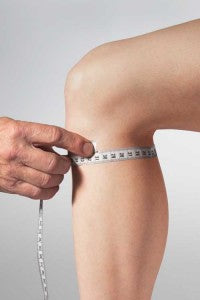
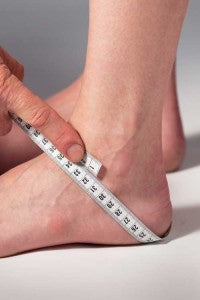
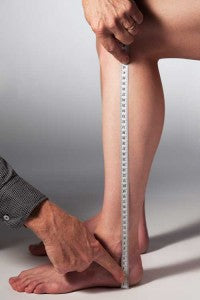
Voor de Herzog PRO Compressiekousen worden zes meetpunten gebruikt, waaronder:

  • Enkelomtrek
  • Kuitomtrek
  • Lengtematen van het onderbeen

Op basis van deze metingen wordt de juiste maat bepaald.

Hierdoor ontstaat een veel nauwkeurigere pasvorm die beter aansluit op de anatomie van het been.

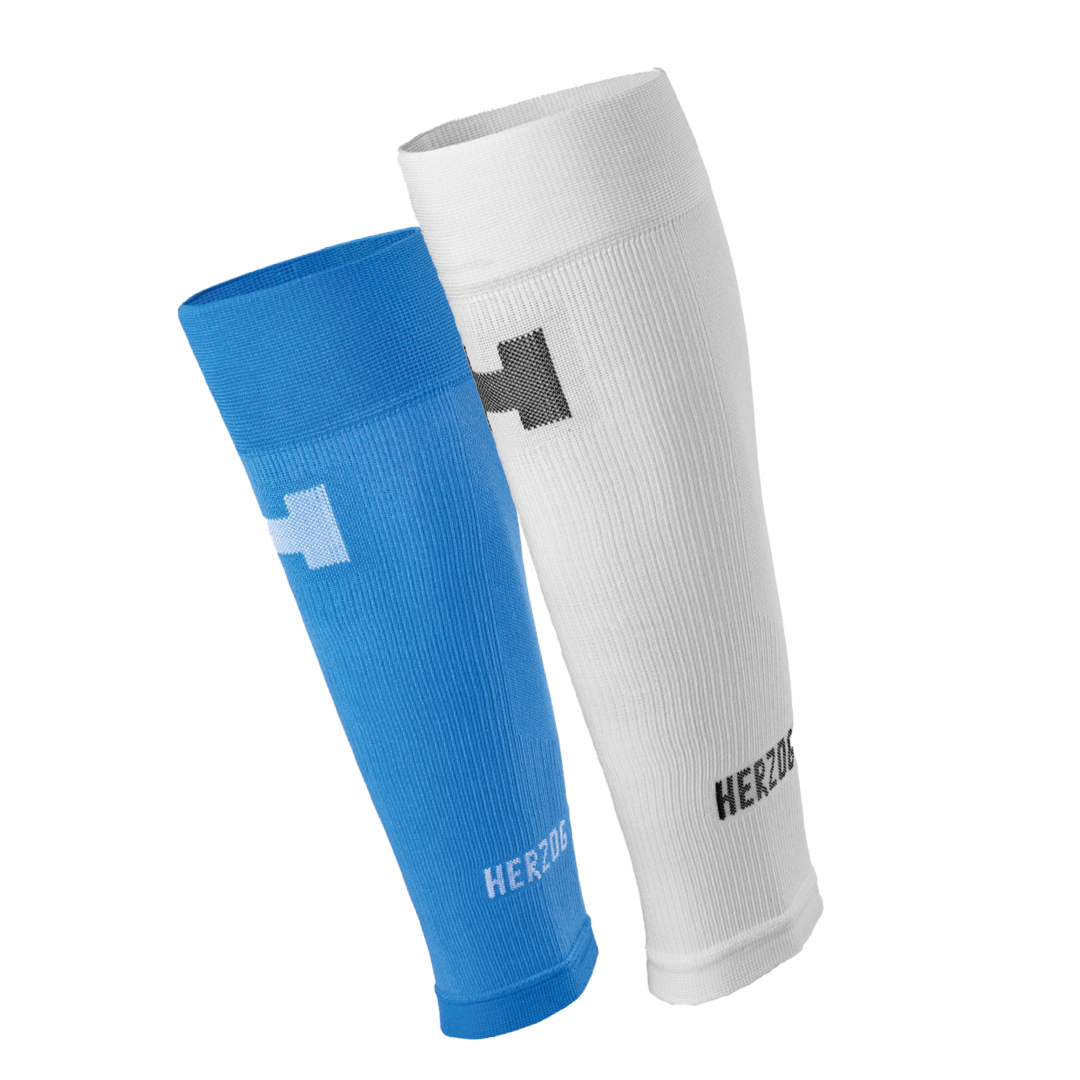
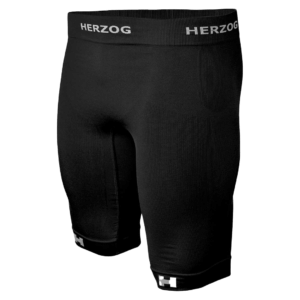
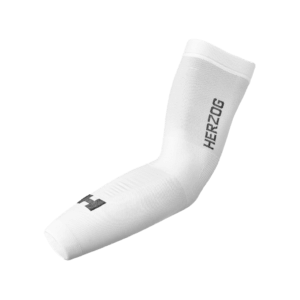
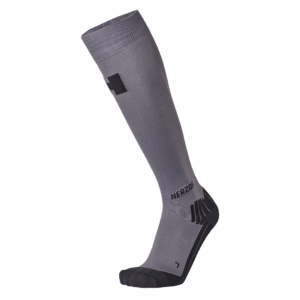
Products in this blog

Side Image

Why this difference is important

Compression is not a standard product. Its effectiveness is directly related to the pressure applied to the leg.

If this pressure is not distributed correctly, a significant part of the effect is lost.

That's why Herzog offers:

  • More than 50 different size variations
  • A medically substantiated pressure profile
  • Graduated compression from ankle to knee
  • A precise fit based on measurement data

It is precisely this combination that leads many athletes, physiotherapists, and medical professionals to consciously choose a custom-fitted compression stocking instead of a standard size.

What problems can arise with the wrong size?

An ill-fitting compression stocking can lead to:

  • Stockings slipping down
  • Chafing
  • Pressure points
  • Insufficient support
  • Reduced wearing comfort
  • Disappointment with the effectiveness of compression

In many cases, the problem is not the compression itself, but the chosen size.

Why an accurate measurement is worth the investment

Compression stockings are often purchased to provide support during sports, recovery, or daily activities.

It is therefore logical that you also want the stocking to function optimally.

An accurate measurement ensures that:

  • The compression is distributed correctly
  • Wearing comfort is higher
  • The stocking stays in place better
  • You benefit optimally from the properties of compression

Precisely for this reason, Herzog advises always determining the size carefully and not relying solely on shoe size.

Calculate your size

The size of a compression stocking directly affects both comfort and effectiveness. A stocking that is too large may not provide sufficient support, while a stocking that is too small can feel uncomfortable.

Because every leg is unique, Herzog opts for precise sizing based on six measuring points. This creates a fit that optimally conforms to the lower leg, allowing the graduated compression to do what it was designed for.

Anyone who truly wants to benefit from the advantages of compression should therefore start not with the color or model of the stocking, but with the correct size.