Preventing Achilles tendon problems: how to reduce your risk of injury

The Achilles tendon is the strongest tendon in the human body, but at the same time also one of the most injury-prone structures in athletes. Especially runners, hikers, footballers, and other endurance athletes regularly experience pain, stiffness, or irritation around the Achilles tendon.

An Achilles tendon injury often does not occur overnight. Usually, it is the result of prolonged overuse. Fortunately, with the right approach, you can significantly reduce the risk of symptoms.

Side Image

What are Achilles tendon problems?

The Achilles tendon connects the calf muscles to the heel bone and plays an important role in walking, jumping, and pushing off. With every step, the tendon absorbs significant forces. When running, the load can even increase to several times the body weight.

When the tendon is loaded more than it can handle, problems can arise. Common symptoms include:

  • Pain at the back of the heel or ankle
  • Morning stiffness around the tendon
  • A pulling or burning sensation during exertion
  • Tenderness to the touch of the tendon
  • Thickening of the tendon with long-term problems

How do Achilles tendon injuries occur?

In most cases, an Achilles tendon injury results from a combination of factors. The most important risk factors are:

Too rapid training progression

A sudden increase in training volume, speed, or intensity is one of the most common causes. The tendon needs time to adapt to a higher load.

Fatigued calf muscles

When the calf muscles become fatigued, the load on the Achilles tendon increases. This can play a significant role, especially during long training sessions or competitions.

Limited ankle mobility

Limited ankle mobility causes the Achilles tendon to experience more tension when the foot rolls through.

Insufficient recovery

Tendon tissue recovers slower than muscles. When rest periods are lacking, the load can accumulate.

Incorrect footwear

Worn shoes or shoes that do not adequately match your running style can cause extra stress on the Achilles tendon.

Side Image

7 tips to prevent Achilles tendon problems

1. Build up training gradually

Increase training volume and intensity step by step. A general guideline is not to increase the total training load too quickly, so that muscles and tendons have enough time to adapt.

2. Train your calf muscles

Strong calf muscles help to absorb forces better during running. Exercises such as calf raises can contribute to a stronger muscle-tendon chain.

3. Pay attention to recovery

Rest days are at least as important as training days. Sufficient sleep, good nutrition and active recovery help the body adapt to training stimuli.

4. Work on ankle mobility

Good ankle mobility reduces tension on the Achilles tendon. Regular mobility exercises can help with this.
5. Listen to early signals

Morning stiffness or slight pain after a workout are often the first warnings of overuse. By taking timely action, you prevent minor irritations from developing into long-term problems.

6. Wear appropriate sports shoes

If necessary, have a running analysis performed and replace shoes in time. Good support helps to distribute the load better across the foot, calf and tendon.
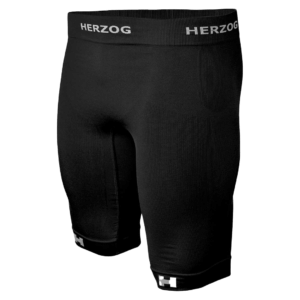
7. Support the calf muscles with compression

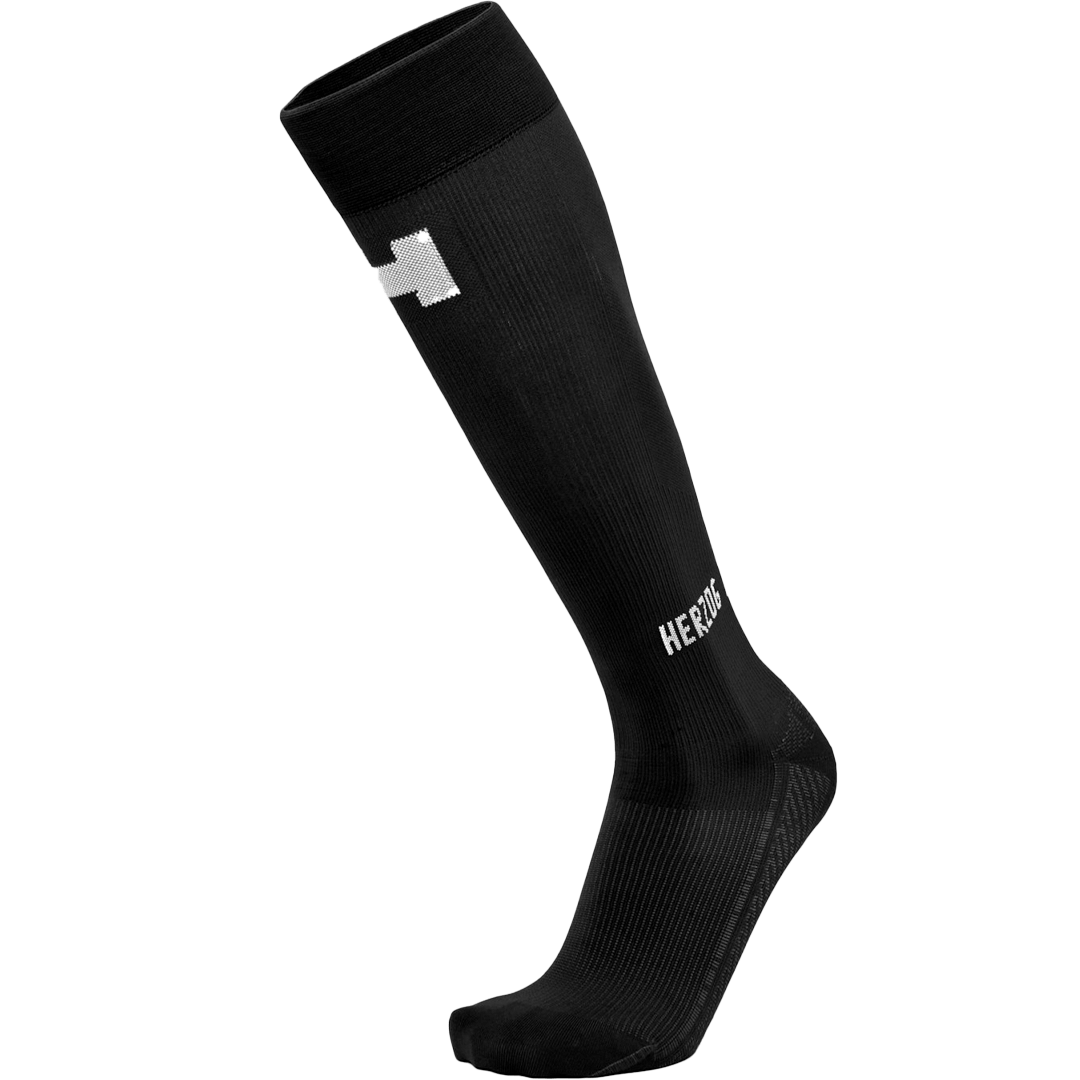
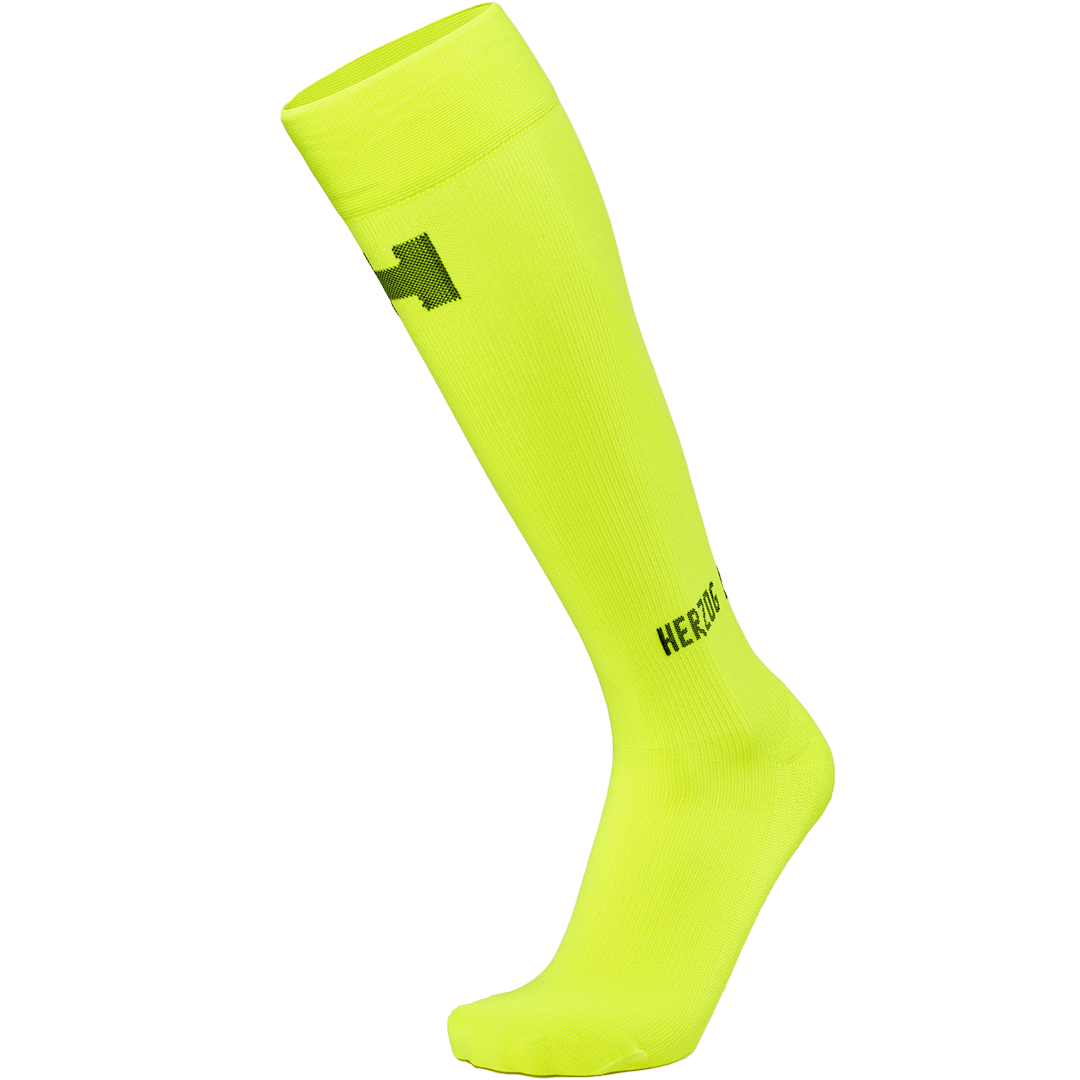
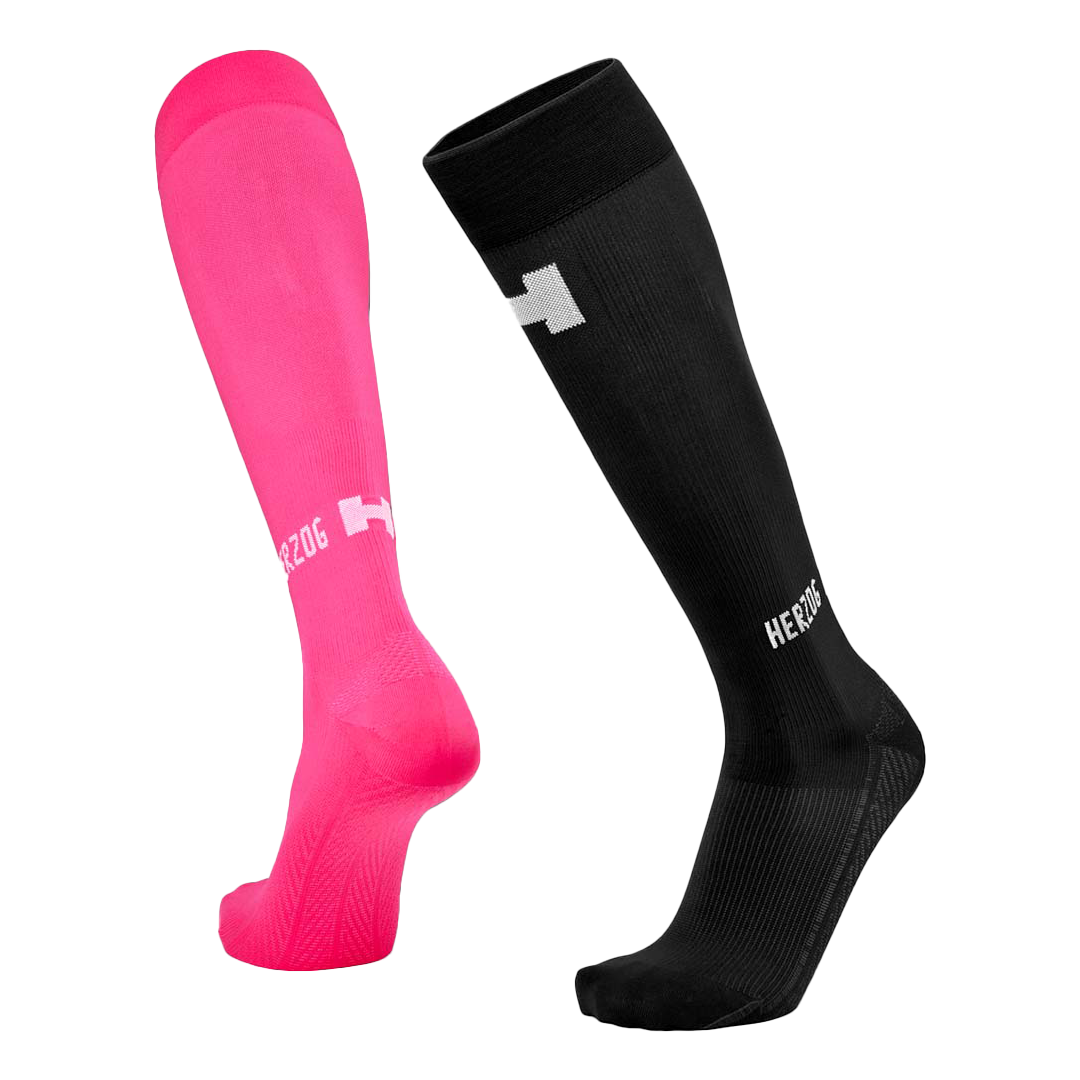
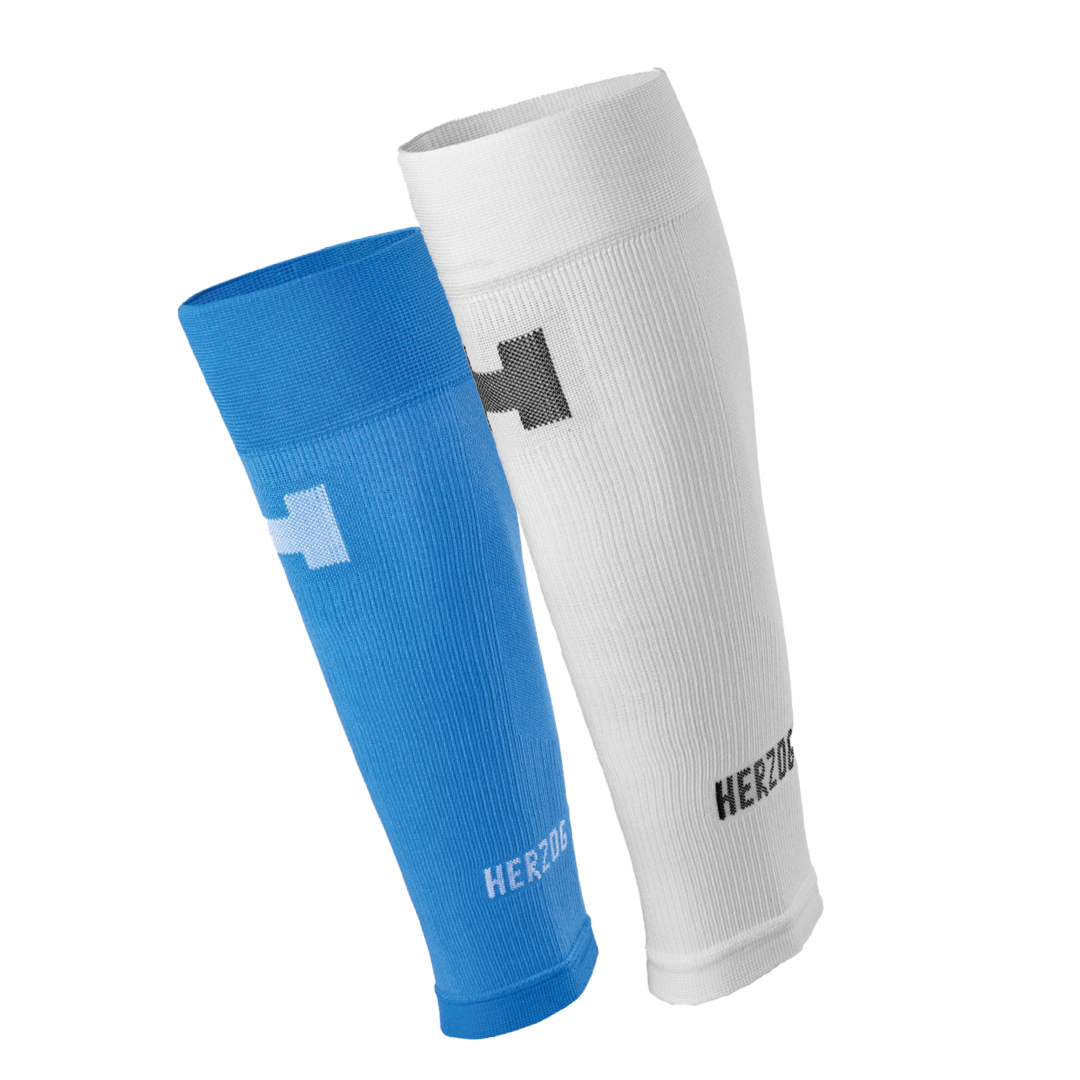
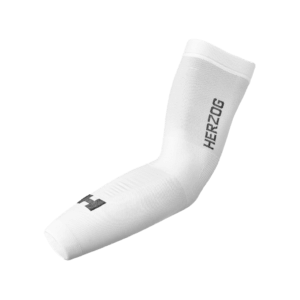
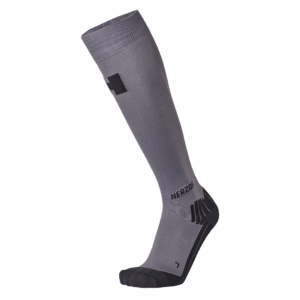
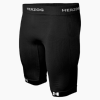
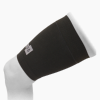
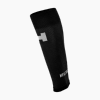
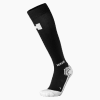
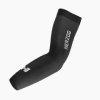
Compression is used by many athletes to support the calf muscles during exercise. By keeping the muscles more stable and reducing muscle vibrations, the load on the muscle-tendon chain can decrease.

Products in this blog

Side Image

What role can compression play?

At Herzog Medical, we see athletes daily who wear compression stockings during training, competitions, and recovery periods.

Medical compression stockings provide controlled pressure that is highest around the ankle and gradually decreases towards the knee. This supports blood circulation, and many athletes experience more stability in the calf region.

In addition, compression can contribute to:

  • Less muscle vibration during exertion
  • Support of the calf muscles
  • Less heavy or tired legs
  • A comfortable feeling during long training sessions
  • Support of recovery after exertion

Although compression stockings cannot prevent or cure injuries, they can be a valuable addition to a broader injury prevention approach.

When should you rest?

Do not continue to run for too long with Achilles tendon pain. Especially when symptoms worsen during exercise or persist at rest, it is advisable to temporarily reduce the load and seek advice from a physical therapist or sports doctor.

The sooner an incipient overuse injury is recognized, the greater the chance of a quick recovery.

Achilles Tendon Compression Socks Collection