Responsible running in warm weather: how to stay safe and enjoy your workout

A sunny day can be incredibly inviting for a run outdoors. Yet, running in high temperatures demands more from your body than many athletes realize. A pace you could effortlessly maintain in spring might suddenly feel much harder during the same workout on a hot summer day.

That doesn't mean you can't run when it's hot. With the right preparation and a few smart adjustments, you can continue to train responsibly even in summery conditions.

Side Image

Why does running in the heat feel so much harder?

When you run, your muscles produce heat. To keep your body temperature within safe limits, this heat needs to be dissipated.

In cool weather, this usually works fine. However, as the temperature rises, your body has to work harder to cool down. This causes several things to happen simultaneously:

  • Your heart rate increases faster.
  • You sweat more.
  • You lose more fluids.
  • Your body uses extra energy to cool down.
  • You tire more quickly.

The result? A pace that normally feels comfortable can suddenly require much more effort.

Let go of your pace

One of the biggest mistakes runners make in warm weather is sticking to their usual pace.

Your body doesn't know what pace is on your sports watch. It only responds to the stress it experiences.

Therefore, accept that you will often run a bit slower on warm days. This is not a sign of poorer fitness, but a normal reaction of your body to the conditions.

Prefer to train by feel rather than by speed when temperatures rise.

Choose the right time of day

Not every time of day is equally suitable for running.

During warm periods, the conditions are often most pleasant:

  • Early in the morning
  • Later in the evening

At these times, both the temperature and the solar intensity are usually lower.

Are you running in the middle of the day? Be aware that the strain can be significantly higher, especially on asphalt or in open areas without shade.


Side Image

Drink smart, not just a lot

Staying hydrated is important, but that doesn't mean you should guzzle liters of water right before your workout.

Make sure you stay well hydrated throughout the day. For longer workouts, it may be wise to bring water with you or choose a route where you can drink.

For prolonged exertion and heavy sweating, electrolytes can also play a role.

Adjust your training to the conditions

A hot day is not always the ideal time for a tough interval workout or a personal best.

Ask yourself:

  • Is this workout really necessary today?
  • Can I reduce the intensity?
  • Can I shorten the workout?

Sometimes a gentle endurance run yields more than completely exhausting yourself in the heat.

Listen to your body's signals

Heat stress often builds up gradually. That's why it's important to stay alert for warning signs.

Stop or rest if you experience:

  • Dizziness
  • Nausea
  • Headache
  • Chills
  • Extreme fatigue
  • Concentration problems

These are signs that your body is struggling to control its temperature.

Don't forget recovery

Hot weather not only makes training harder, but also affects post-workout recovery.

Due to extra fluid loss and increased strain on the body, recovery may take longer than you are used to.

Therefore, pay extra attention to:

  • Adequate hydration
  • Good nutrition
  • Sufficient sleep
  • Quiet recovery moments

Especially during warm periods, recovery can make the difference between starting your next workout fit or remaining fatigued.

Products in this blog

Side Image

What role can compression play in warm weather?

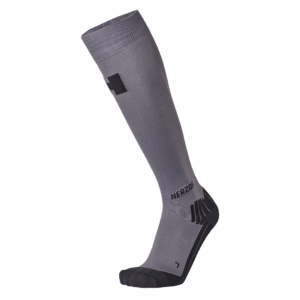
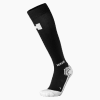
Some athletes think that compression socks are automatically warm, but modern sports compression is specifically designed to be worn comfortably for extended periods during exercise.

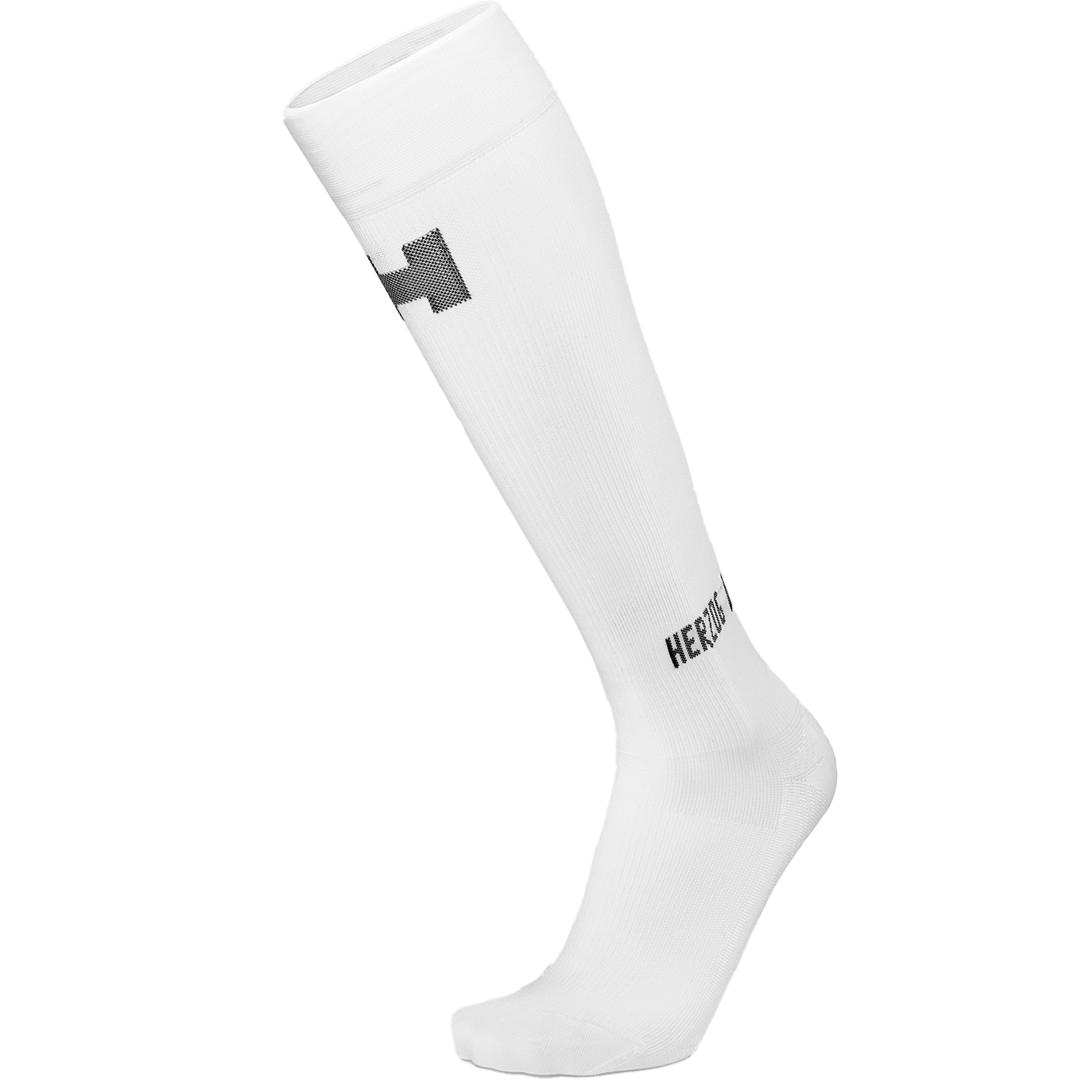
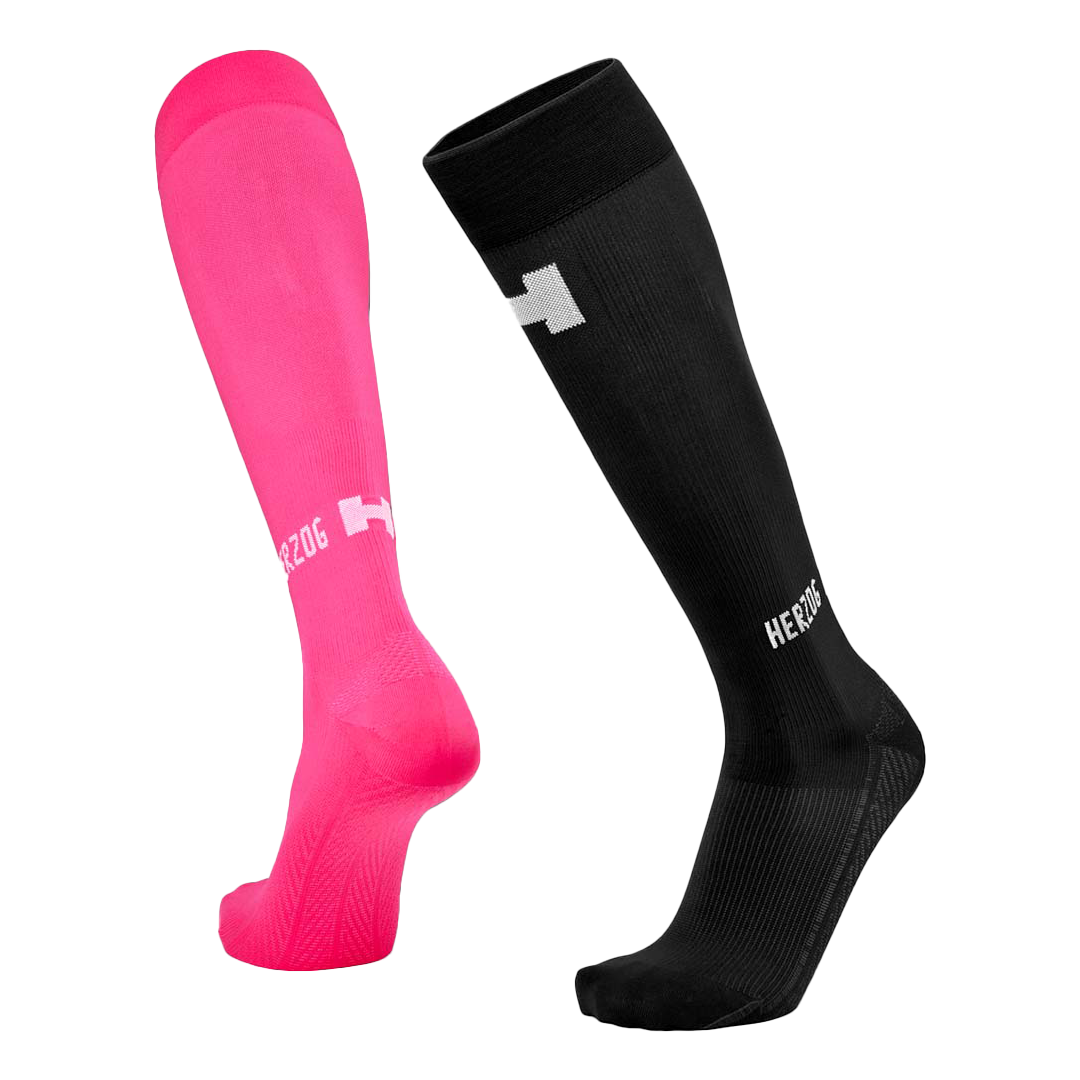
The Herzog PRO Compression Socksare made from breathable materials that effectively wick away moisture. This ensures they remain comfortable in both warm and cooler conditions.

In addition, they provide support to the calf muscles during running. Especially during longer training sessions, where the calves have to absorb thousands of shocks, many runners experience extra comfort from the support of compression.

Even after a warm training session, many athletes choose to wear compression as part of their recovery routine. The gradual compression supports blood circulation in the lower leg, which can contribute to fresh legs after intense exercise.

Think ahead if you are training for an event

Are you training for a summer competition, a half marathon or an event like the Nijmegen Four Days Marches? Then it is wise to not only build up your fitness, but also to gradually get used to warmer conditions.

Your body can partly adapt to heat. This process is called acclimatization.

By regularly training responsibly in slightly warmer conditions, your body learns to deal more efficiently with temperature increases.

Running in warm weather requires a different approach than training in ideal conditions. By adjusting your pace, planning smart, drinking enough, and listening carefully to your body, you can continue to train safely even on hot days.

Responsible running is not about forcing performance, but about making the right choices at the right time. With good preparation, sufficient recovery, and support from quality running gear like Herzog PRO Compression Socks, you can continue to comfortably enjoy your runs even during the summer.