Stiff calves after working out: what really helps?

You've just completed an intensive training session, competition or long walk, and a few hours later, you already notice it: stiff calves. Sometimes it feels like your muscles are tight, sometimes you have trouble climbing stairs, or you mainly feel the stiffness when you start moving again after a period of rest.

Stiff calves after exercise are usually harmless but can be annoying. Fortunately, there are several ways to support recovery and reduce the chance of recurring complaints.

Side Image

Why do your calves get stiff after exercise?

The calf muscles are among the hardest working muscles in the body. They are constantly stressed during activities such asrunning, walking, football, cycling, and tennis.

During exercise, tiny tears occur in muscle fibers. This is a normal part of the training process. The body then repairs this damage, allowing the muscles to become stronger.

This recovery process can temporarily lead to:

  • Muscle stiffness
  • Fatigue
  • Tender muscles
  • A tight feeling in the calves
  • Reduced range of motion

The likelihood of this is greater, especially after strenuous or unaccustomed exertion.

When do stiff calves occur?

Stiffness does not always occur immediately. Often, the symptoms only become noticeable several hours after exercise.

Most athletes recognize this pattern:

  • Few complaints during training
  • A tight feeling a few hours later
  • Most stiffness the next morning
  • Gradual recovery thereafter

This is also known as delayed onset muscle soreness (DOMS).

What factors increase the likelihood of stiff calves?

Higher training load

When you cover more distance, run faster, or perform a harder workout than usual, your calf muscles are subjected to more stress.

Many explosive movements

Sports such as football, tennis, padel, and sprint training demand a lot from the calves due to the many accelerations and push-offs.

Hills and unpaved surfaces

Running on sand, trails, or hilly terrain puts extra strain on the calf muscles.

Insufficient recovery

When your body does not get enough time to recover between training sessions, muscles can remain fatigued for a long time.

Side Image

What truly helps with stiff calves?

There's a lot of advice about muscle recovery. Not all of it is equally effective. These are the measures that can genuinely contribute to better recovery.

Stay active

While complete rest sometimes sounds tempting, light exercise often helps more.

Think of:

  • Walking
  • Gentle cycling
  • A short recovery workout

This keeps blood circulation active without heavily stressing the muscles.

Ensure sufficient sleep

Important recovery processes take place during sleep. Muscle recovery, hormone production, and the repair of training damage are highly dependent on adequate rest.

Drink enough

Fluid plays an important role in various bodily processes, including muscle function and recovery.

Eat enough protein

Proteins provide the building blocks needed to repair muscle tissue after a workout.

Build up your training wisely

One of the most effective ways to prevent stiff calves is to gradually build up your training. This gives the body a chance to adapt to higher loads.

Does stretching help with stiff calves?

Many athletes stretch immediately after a workout hoping to prevent muscle soreness. While stretching can improve flexibility and feel pleasant, research shows that its effect on muscle soreness and stiffness is limited.

Stretching can be part of a recovery routine, but it's usually not the solution on its own.

What role does compression play in recovery?

Compression has been used for years by both recreational and professional athletes.

During exercise, the calf muscles are exposed to thousands of muscle contractions and vibrations. Afterwards, the recovery process begins.

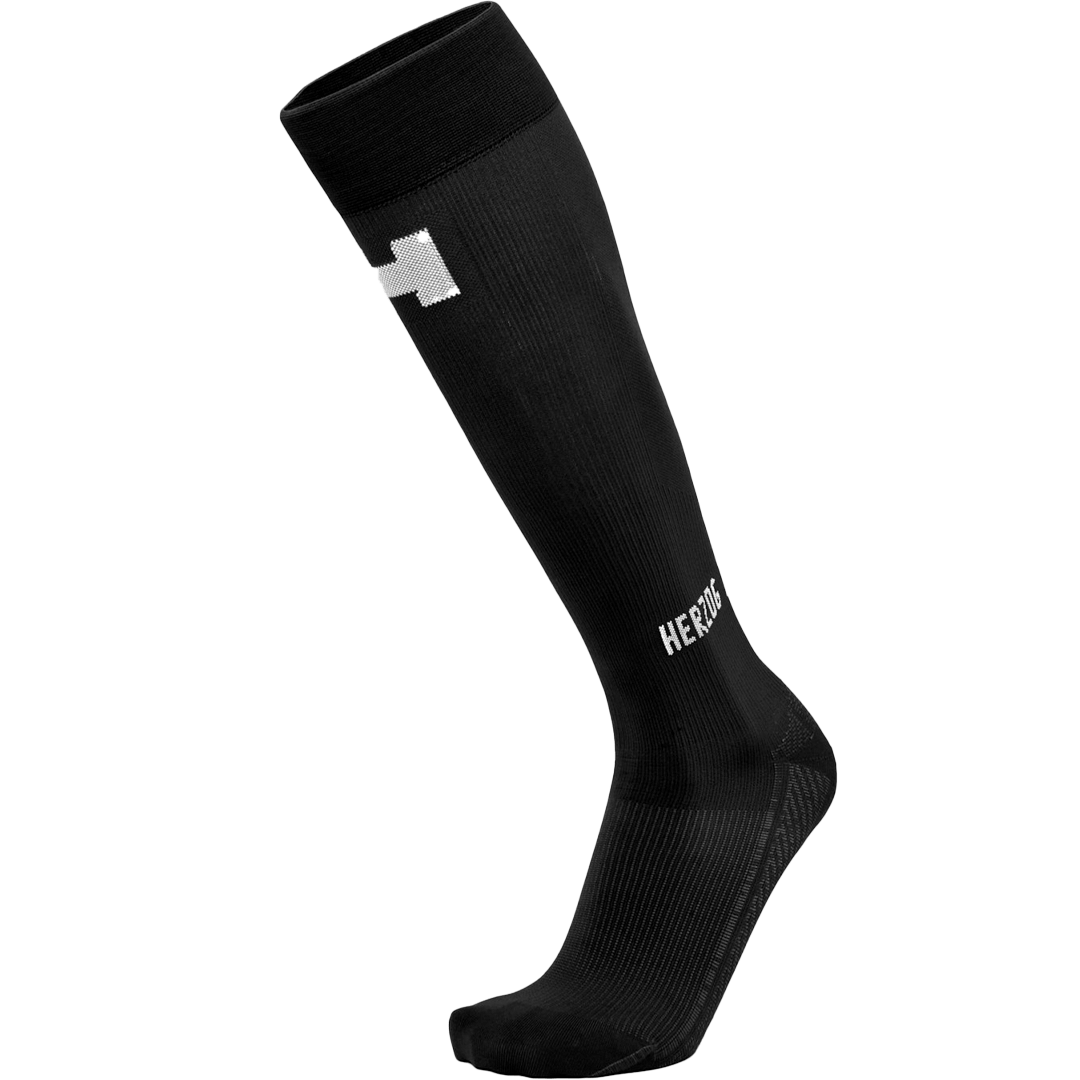
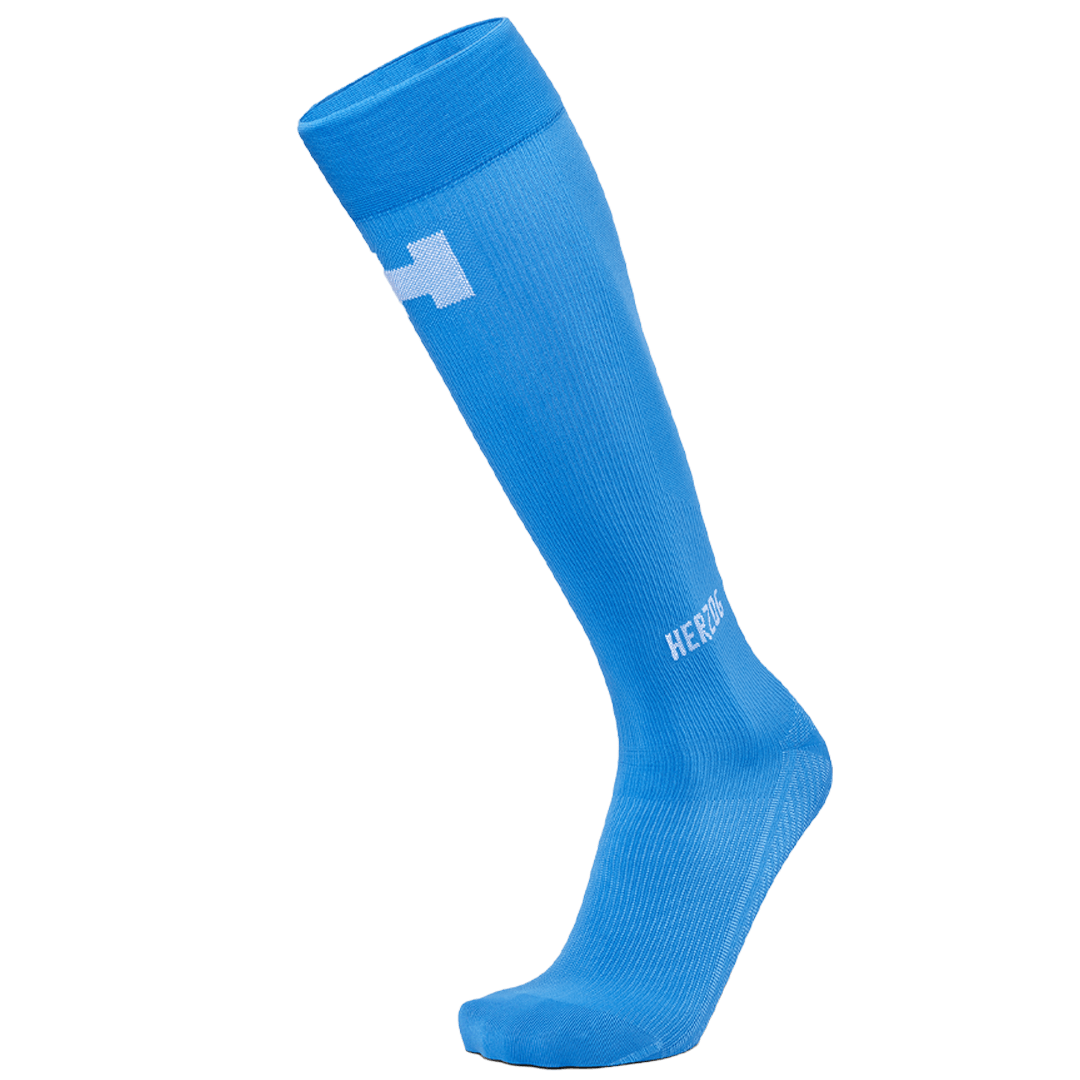
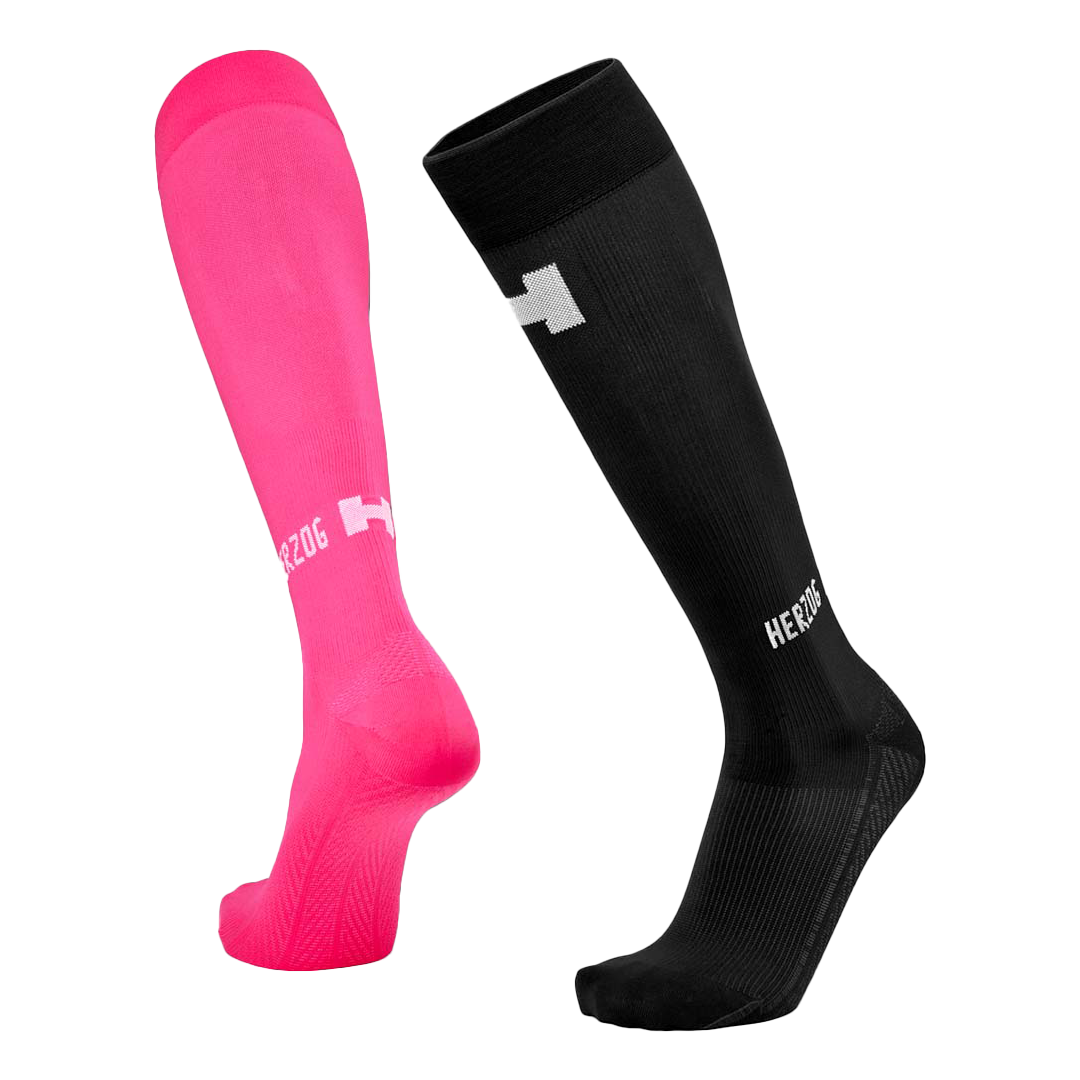
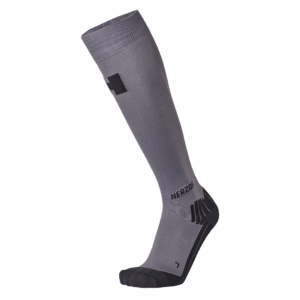
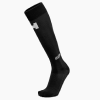
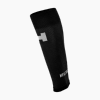
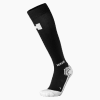
The gradual compression ofHerzog PRO Compression Stockingssupports blood circulation in the lower leg. As a result, many athletes experience less heavy and tired legs after intense exertion.

In addition, the stockings offer:

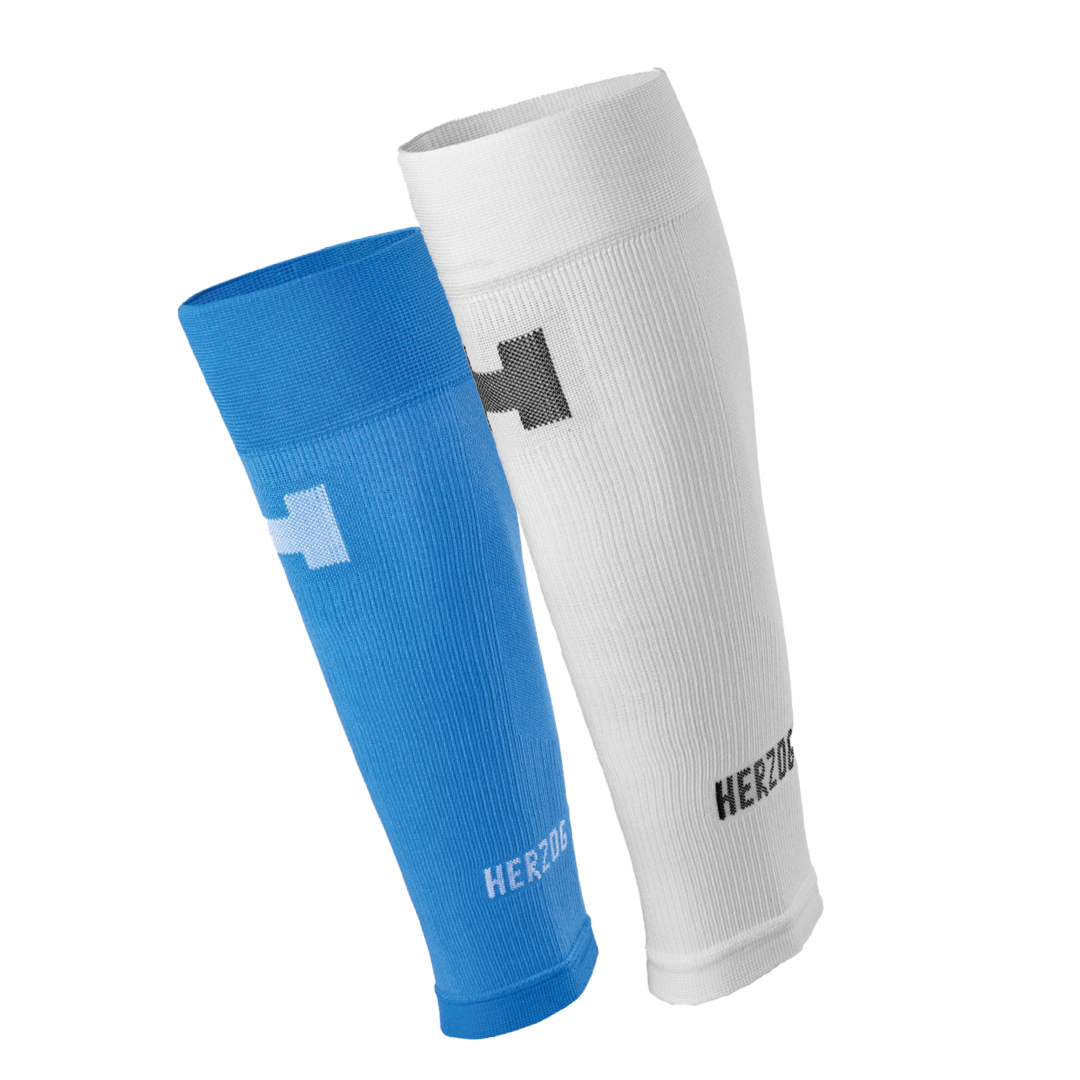
  • Support for the calf muscles
  • Reduction of muscle vibrations during exertion
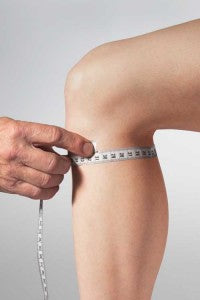
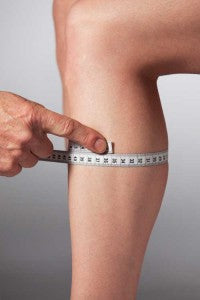
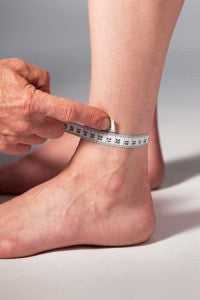
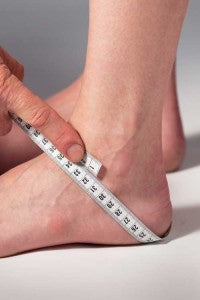
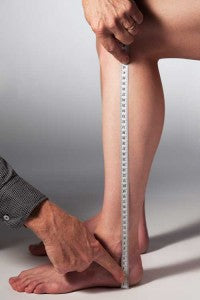
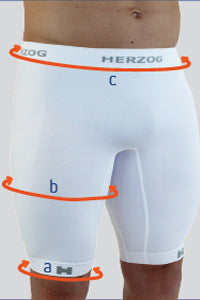
  • A precise fit thanks to six measurement points
  • A decreasing pressure profile from ankle to knee

It is precisely thisprecise sizingthat distinguishes Herzog from many standard sports compression stockings. Because the compression is tailored to the shape of the lower leg, its effect can be optimally utilized.

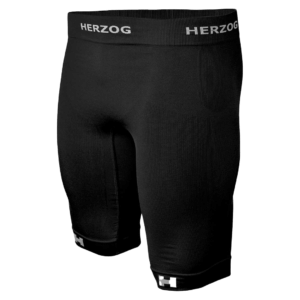
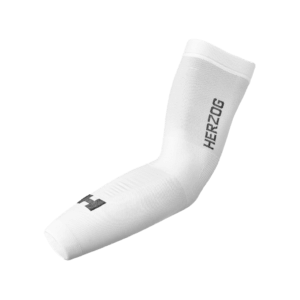
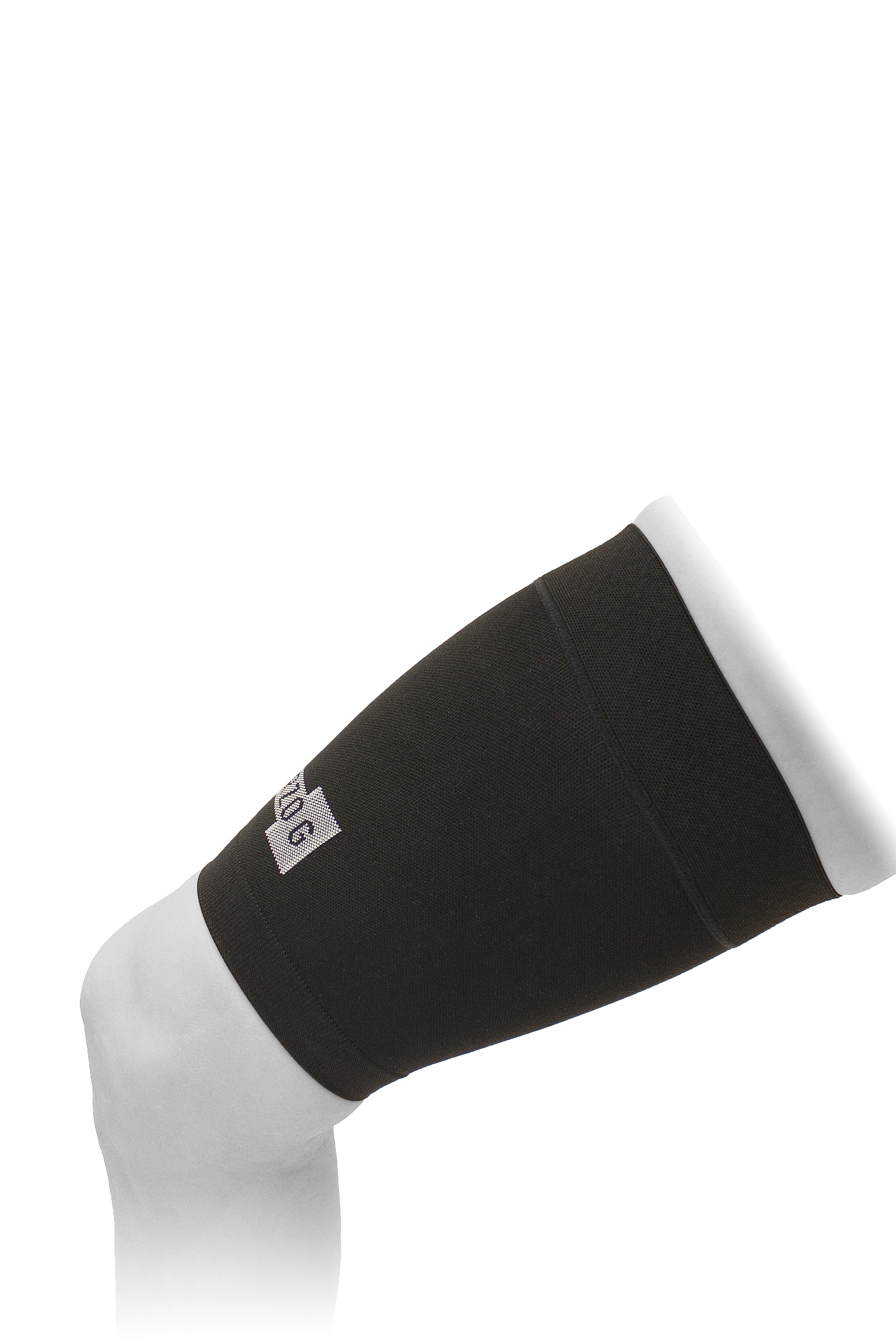
Products in this blog

Side Image

When should you be cautious?

Stiff calves after exercise are usually normal. Nevertheless, there are situations in which extra attention is needed.

Contact a physiotherapist or doctor when:

  • The pain becomes sharp or stinging
  • The calf becomes red or swollen
  • The symptoms do not improve after several days
  • You have difficulty walking
  • The symptoms keep recurring

In some cases, there may be a muscle injury or other underlying cause.

Conclusion

Stiff calves after exercise are a normal consequence of training load and the muscle recovery process. Sufficient sleep, good nutrition, hydration, and active recovery moments form the basis for faster recovery.

For athletes who want to give their calves extra support during and after exercise, Herzog PRO Compression Socks can be a valuable addition. Thanks to the medical compression technology, the decreasing pressure profile, and precise sizing, they help athletes recover more comfortably and keep their legs fresh between training sessions.