Tight calves in runners: how does it occur and how do you recover faster?

Almost every runner has experienced it at some point: tight calves. Sometimes you feel it right after a training session, sometimes only the next morning when you get out of bed. While tired or stiff calves after intense exertion are normal, persistent problems can significantly impact your training.

Where do tight calves come from? And more importantly: what can you do to recover faster and prevent new problems?

Side Image

Why are the calf muscles so important during running?

The calf muscles are among the most used muscles during running. With every step, they absorb part of the impact and provide power for the forward push-off.

During an average running workout, your calves make thousands of repetitive movements. Especially during:

  • Interval training
  • Sprint training
  • Hill training
  • Long endurance runs
  • Races

the calf muscles are heavily loaded.

It is therefore not surprising that this particular muscle group frequently causes complaints.

How do tight calves develop?

Tight calves are usually the result of a combination of load and insufficient recovery.

1. A sudden increase in training

One of the most common causes is building up training load too quickly.

For example, consider:

  • Running more kilometers than usual
  • Training faster
  • Adding extra interval training sessions
  • Starting a new marathon preparation

As a result, the calf muscles receive more load than they are accustomed to.

2. A lot of running at speed

At higher speeds, the load on the calves increases significantly. The muscles have to push off more powerfully and absorb greater forces.

As a result, the calves often feel stiffer after a tough interval or tempo training than after a gentle endurance run.

3. Change of surface

A different surface can also have an impact.

Running on:

  • Sand
  • Forest trails
  • Hilly terrain
  • Trails

demands more from the calf muscles than running on flat asphalt.

4. Insufficient recovery

Many runners primarily focus on their training, while recovery is at least as important.

When muscles do not get enough time to recover, they can remain fatigued and tense for a long time.

Side Image

When should you be alert?

Muscle stiffness after a strenuous workout is normal. However, it's important to take signs of overuse seriously.

Pay extra attention if you:

  • Feel pain while walking
  • Experience local tenderness
  • The symptoms keep recurring
  • Develop morning stiffness that doesn't subside
  • Experience reduced strength in the calf

In that case, you may be experiencing the beginning of overuse or an injury.

Why recovery is so important

During a workout, small damages occur in the muscle tissue. That sounds negative, but it's actually part of the training process.

The body uses the recovery period to:

  • Repair muscle fibers
  • Strengthen the muscles
  • Replenish energy reserves
  • Remove waste products

Those who don't recover sufficiently increase their risk of tired muscles and injuries.

How to recover faster from tight calves?

Keep moving gently

Complete rest is often not the best solution.

A gentle walk, light bike ride, or relaxed recovery workout stimulates blood circulation without heavily stressing the muscles.

Pay attention to sleep

Many recovery processes take place during sleep. Sufficient rest is therefore one of the most important recovery tools you have.

Ensure adequate nutrition and hydration

Muscles need building blocks to recover. Sufficient protein, carbohydrates, and fluids support the recovery process.

Build up training wisely

Gradual training progression allows muscles to adapt to higher loads.

Products in this blog

Side Image

What role does compression play in recovery?

Many runners wear compression socks during training and competitions, but they can also be beneficial afterward.

During intense exertion, the calf muscles are constantly exposed to shocks and muscle vibrations. After training, the recovery process begins.

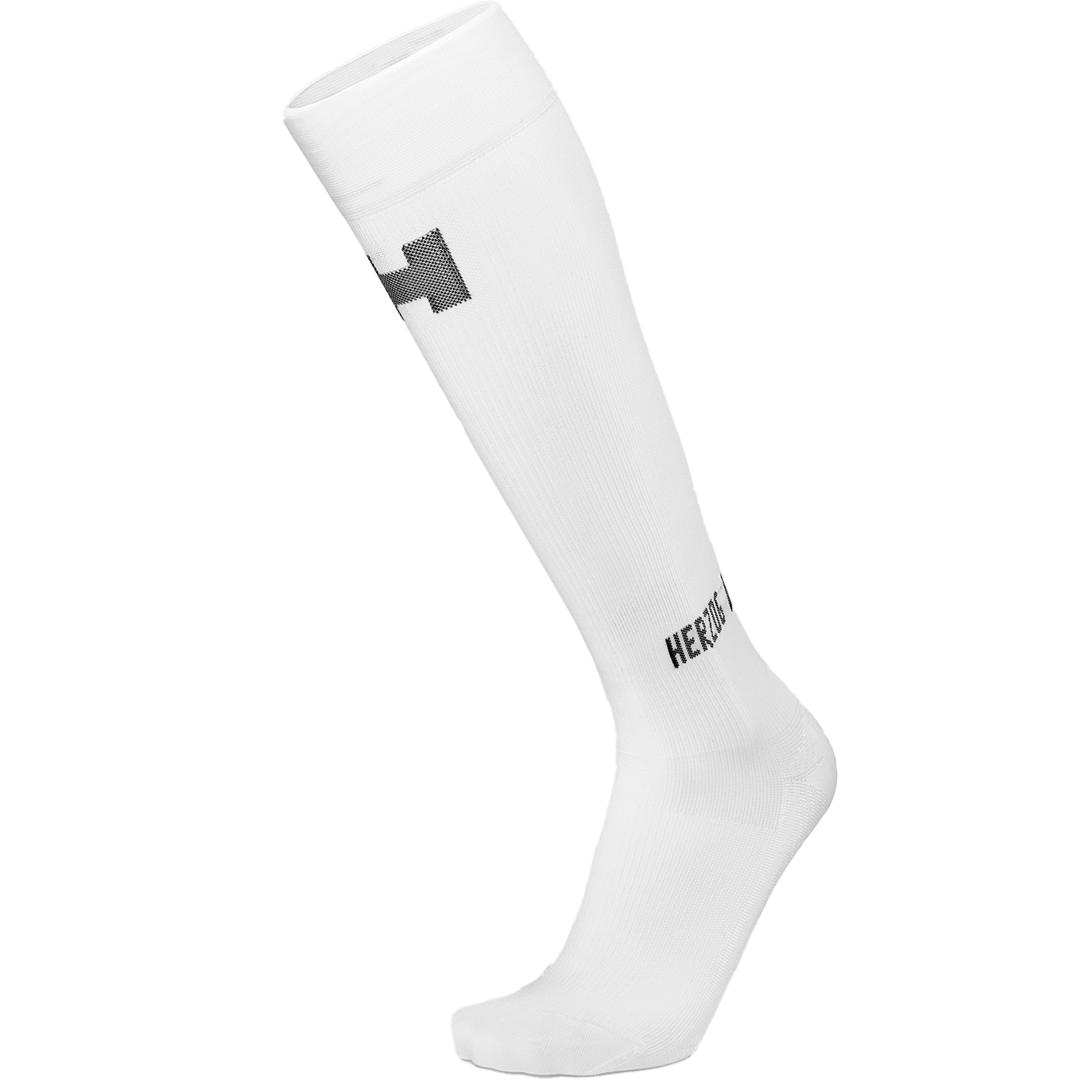
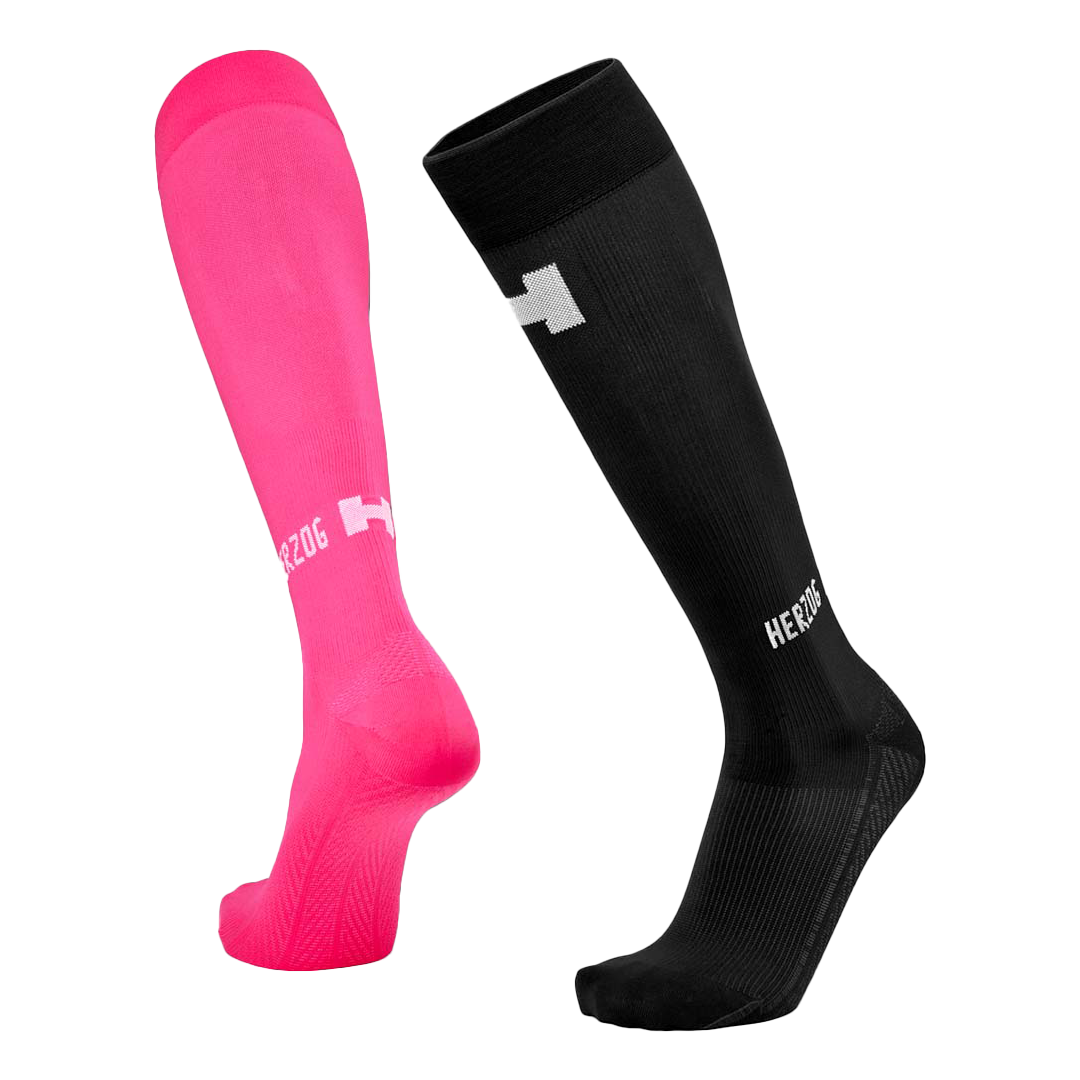
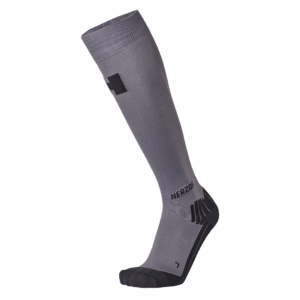
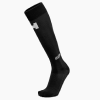
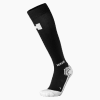
The gradual compression ofHerzog PRO Compression Sockssupports blood circulation in the lower leg and aids in the removal of fluid and waste products. As a result, many runners experience less heavy and tired legs after a workout.

In addition, Herzog PRO Compression Socks provide:

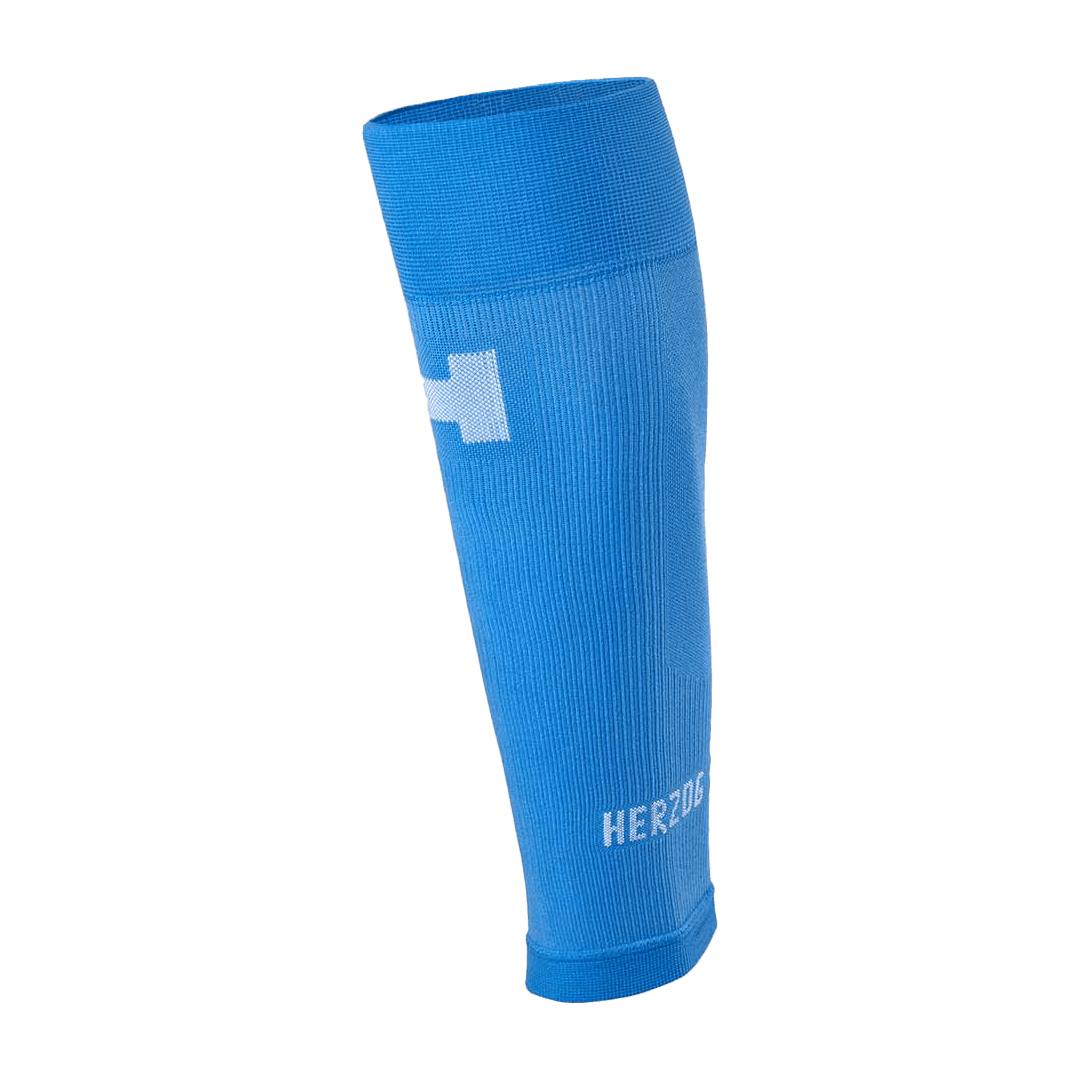
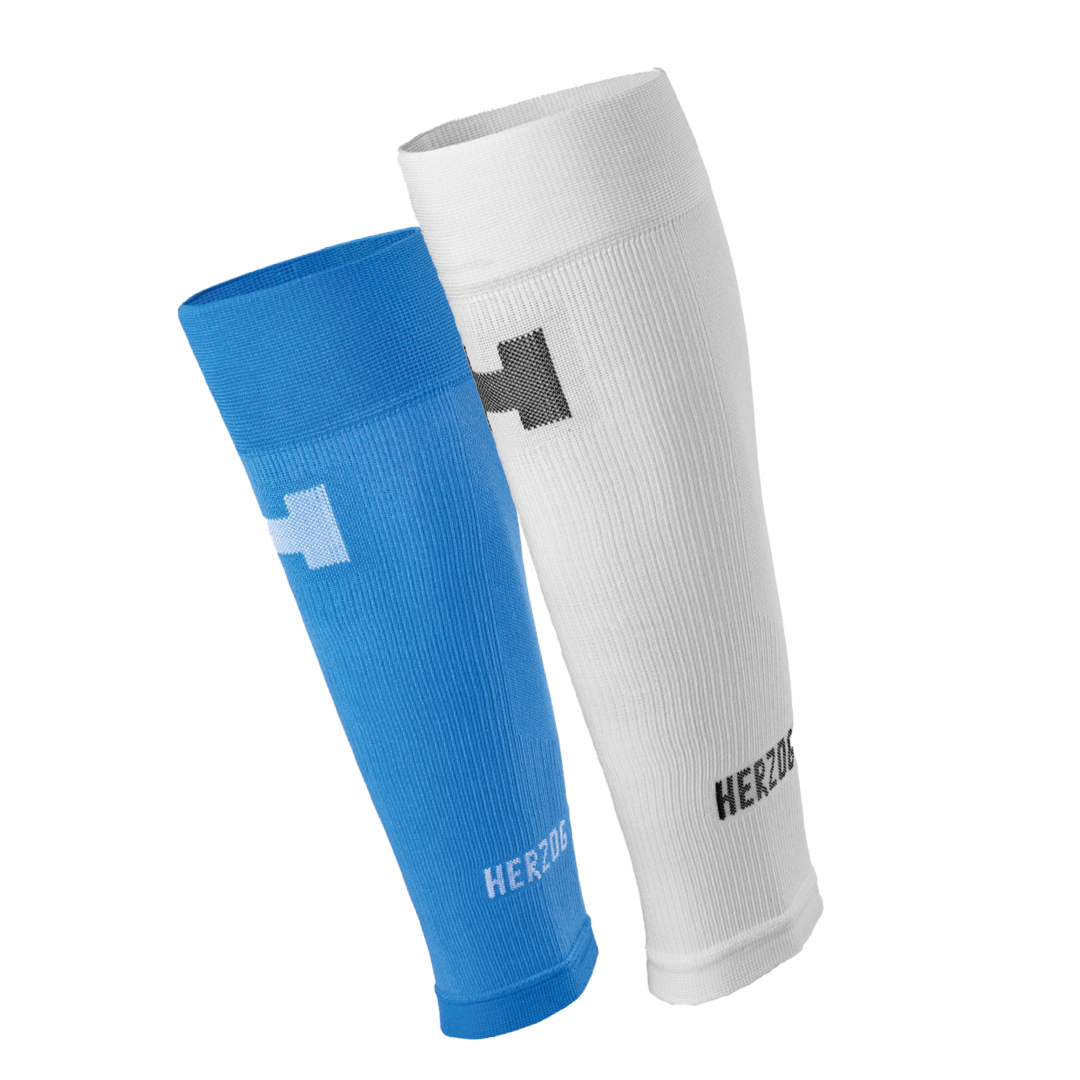
  • Support for the calf muscles
  • Reduction of muscle vibrations
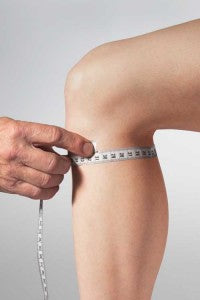
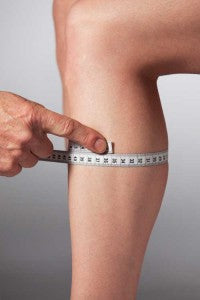
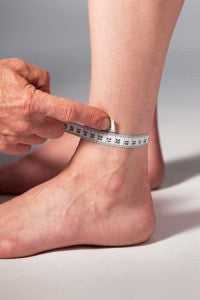
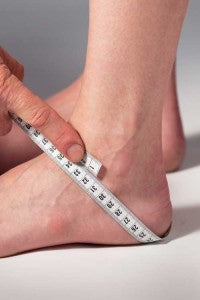
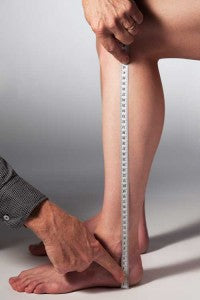
  • A precise fit thanks to six measurement points
  • A decreasing pressure profile from ankle to knee

It is precisely this medical approach that sets Herzog apart from many standard sports compression socks. The sock is tailored to the shape of your lower leg, allowing the compression to function optimally.

Prevention is better than recovery

While recovery is important, you naturally want to avoid constantly having stiff calves.

Some practical tips:

  • Increase training volume gradually
  • Alternate between intense and gentle workouts
  • Do not run at high intensity every workout
  • Pay attention to recovery
  • Wear well-fitting running shoes
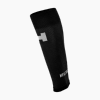
  • Support your calves with quality compression

For many runners, compression socks have now become a permanent part of both their training and recovery routine.

Conclusion

Tight calves are a common complaint among runners and often arise from a combination of training load and insufficient recovery. While mild muscle fatigue is normal, persistent complaints can indicate overuse.

Sufficient rest, smart training progression, and attention to recovery form the basis. For runners who want to provide extra support to their calves during and after running, Herzog PRO Compression Socks can be a valuable addition thanks to their medical compression technology, precise sizing, and focus on optimal support for the lower leg muscles.