The recovery period for shin splints varies from person to person. The average recovery period is very generous, ranging from 4 to 12 weeks. The duration of pain depends on the severity of the injury, how quickly you rest, and how quickly you allow your muscle to recover. For a quick recovery, it's important to:recognize symptoms in timeand take action.
What are the causes of shin splints?
A stabbing pain in the lower part of your shinbone is usually a clear sign of shin splints. This pain often occurs where the muscles attach to the bone.
Shin splint complaints mainly affect athletes who regularly run and jump. Sports such as volleyball, handball, running, and hiking also put significant strain on the shinbone.
Factors that increase the risk of shin splints include:
- Overuse due to repetitive movements and exercising too long or too intensely
- Inefficient running technique
- Weak calf muscles that cannot handle the athletic load
- Overweight
- Poor footwear
Do you want to know exactly which symptoms are associated with shin splints? Read more about shin splint symptoms here
What should I do for shin splints?
When suffering from Shin Splints, once you are pain-free, you'll want to get back to exercising immediately.
However, it is wise to start with minimal impact. With a good build-up of your training and muscle-strengthening exercises for the calf muscles, you can gain control over your injury recovery.
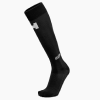
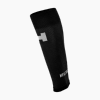
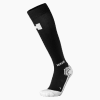
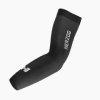
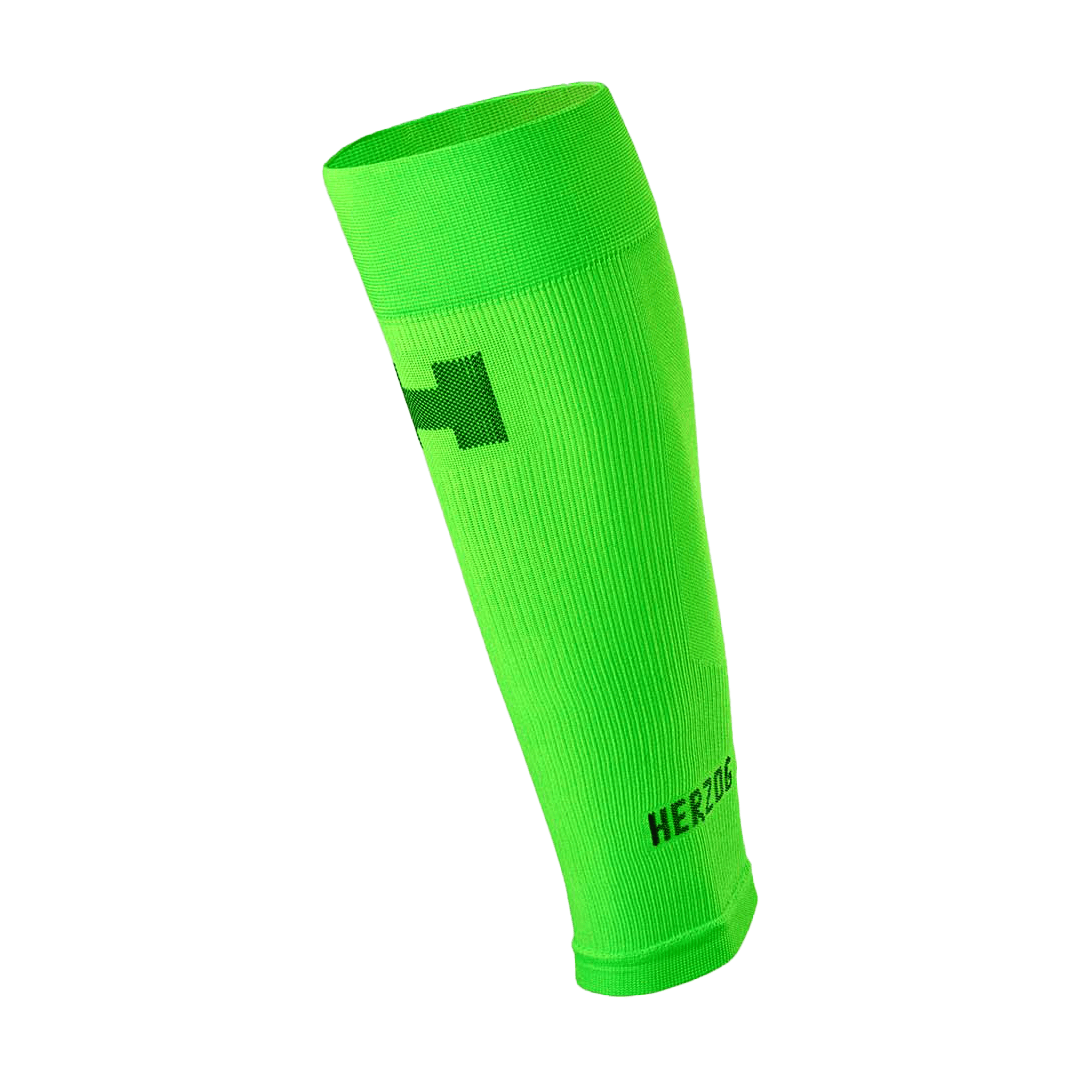
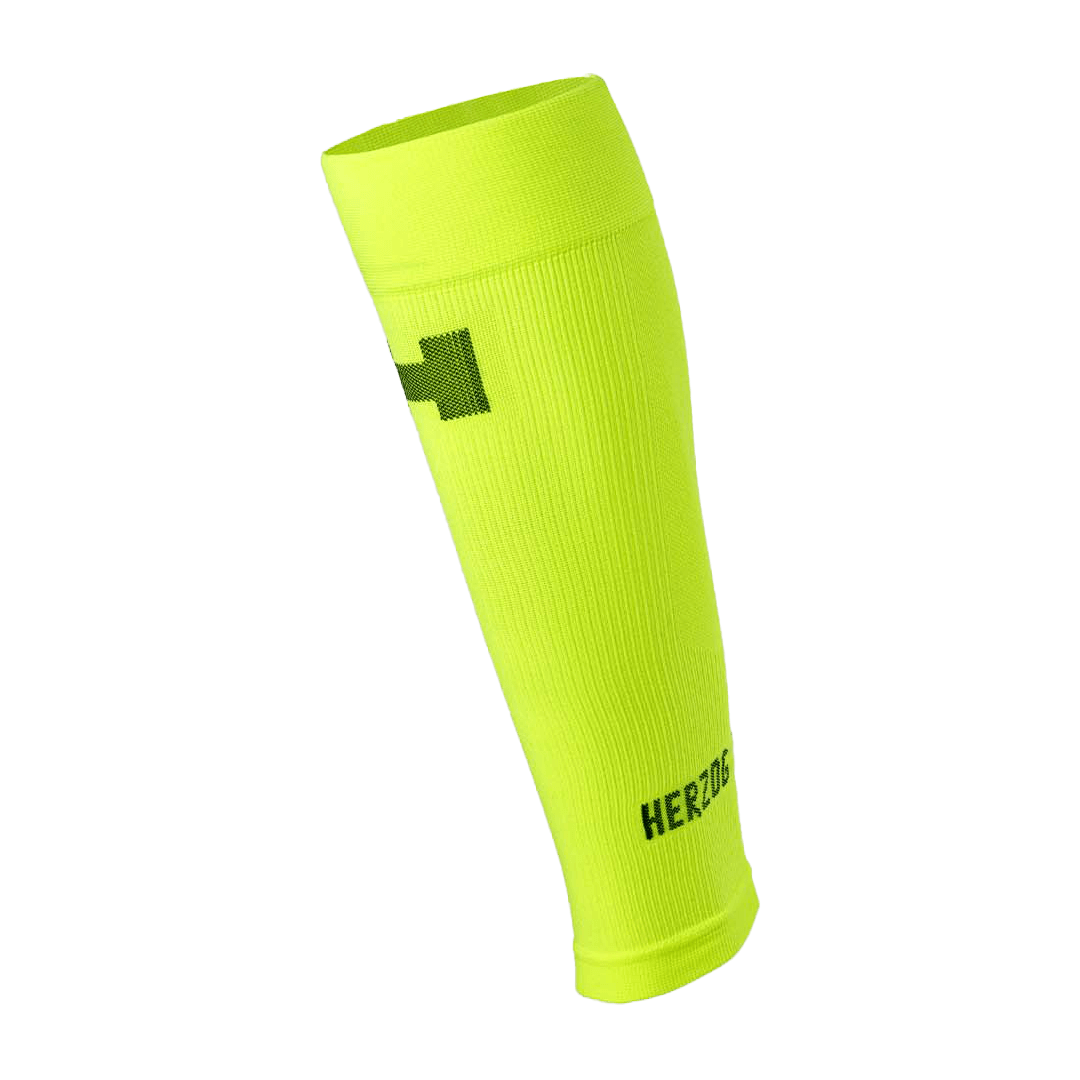
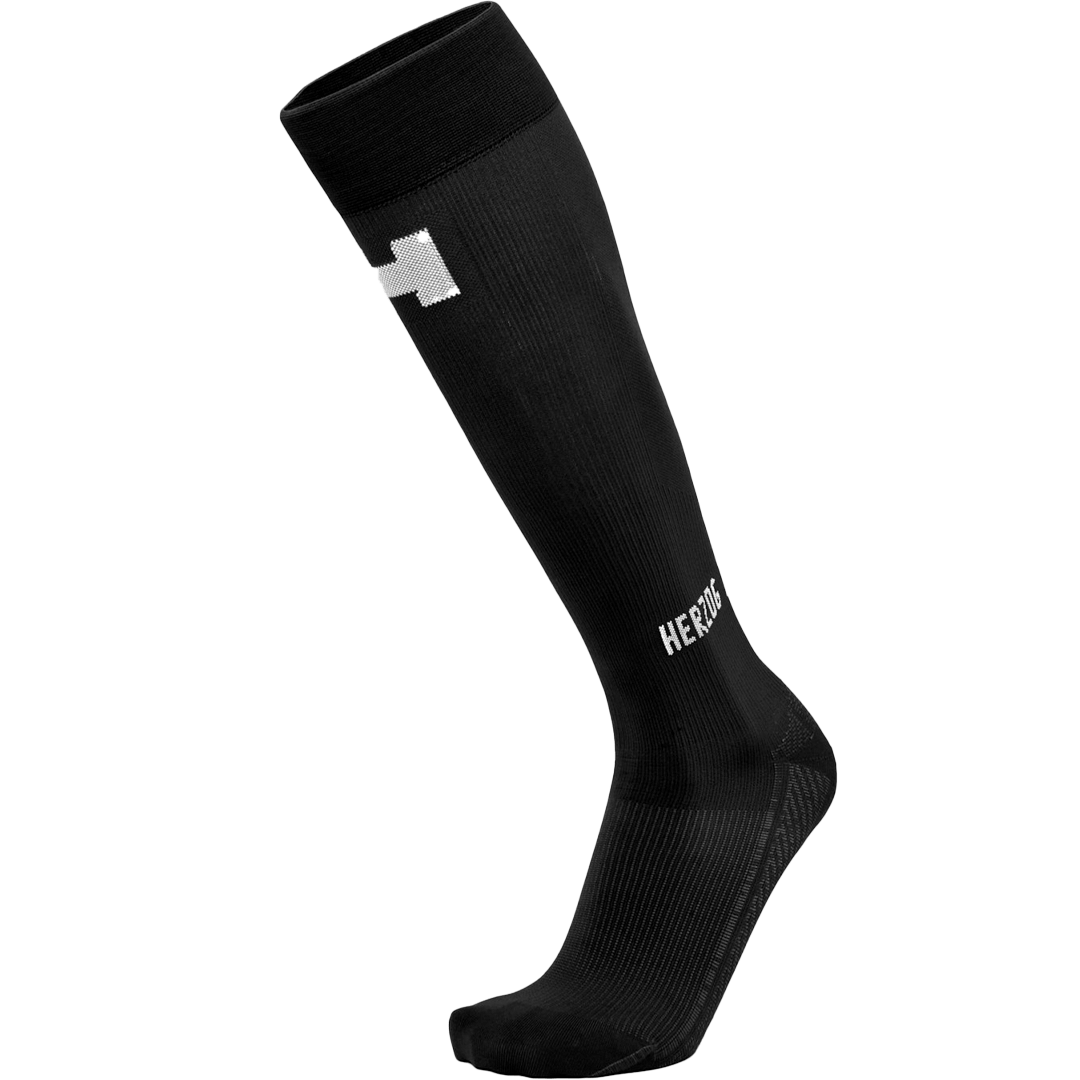
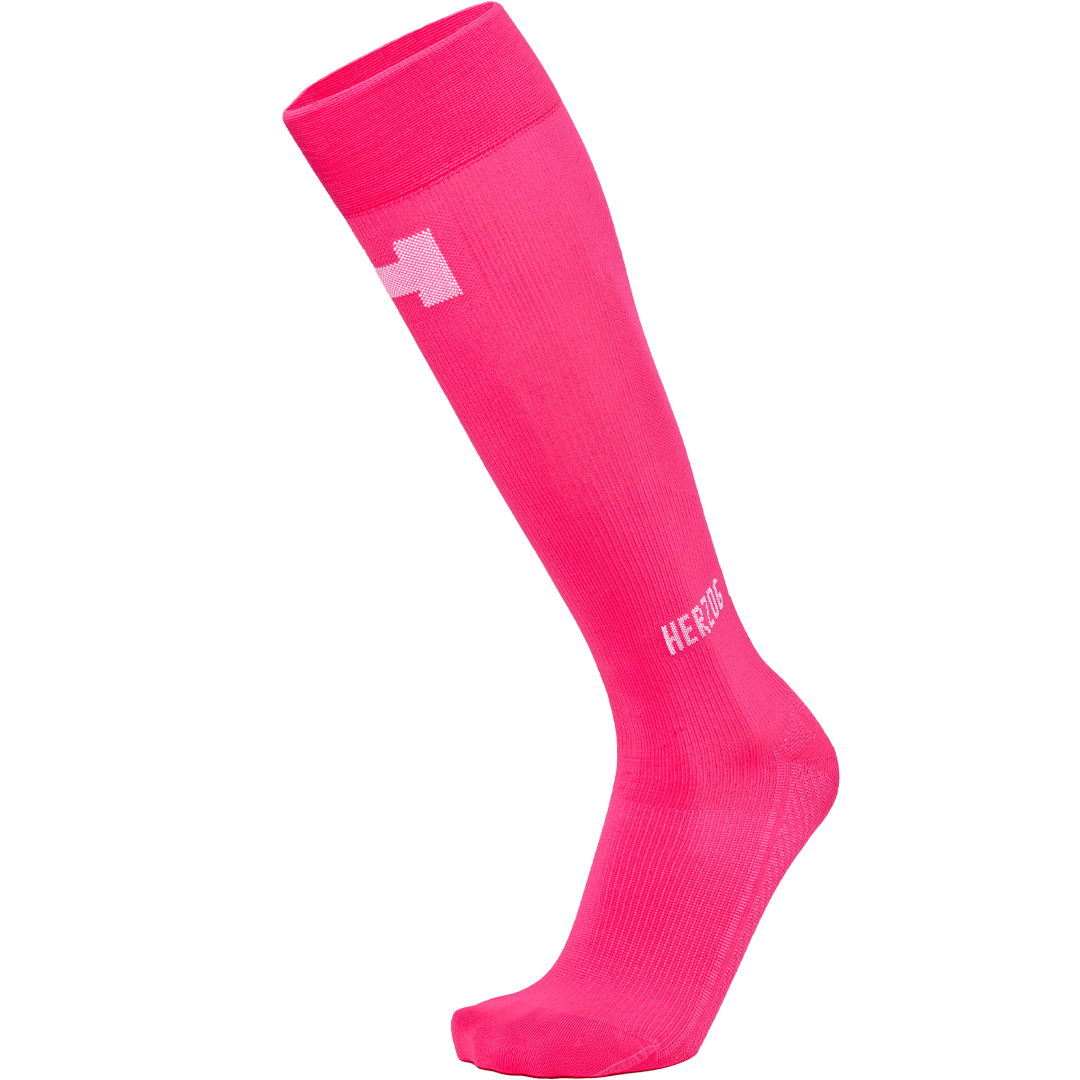
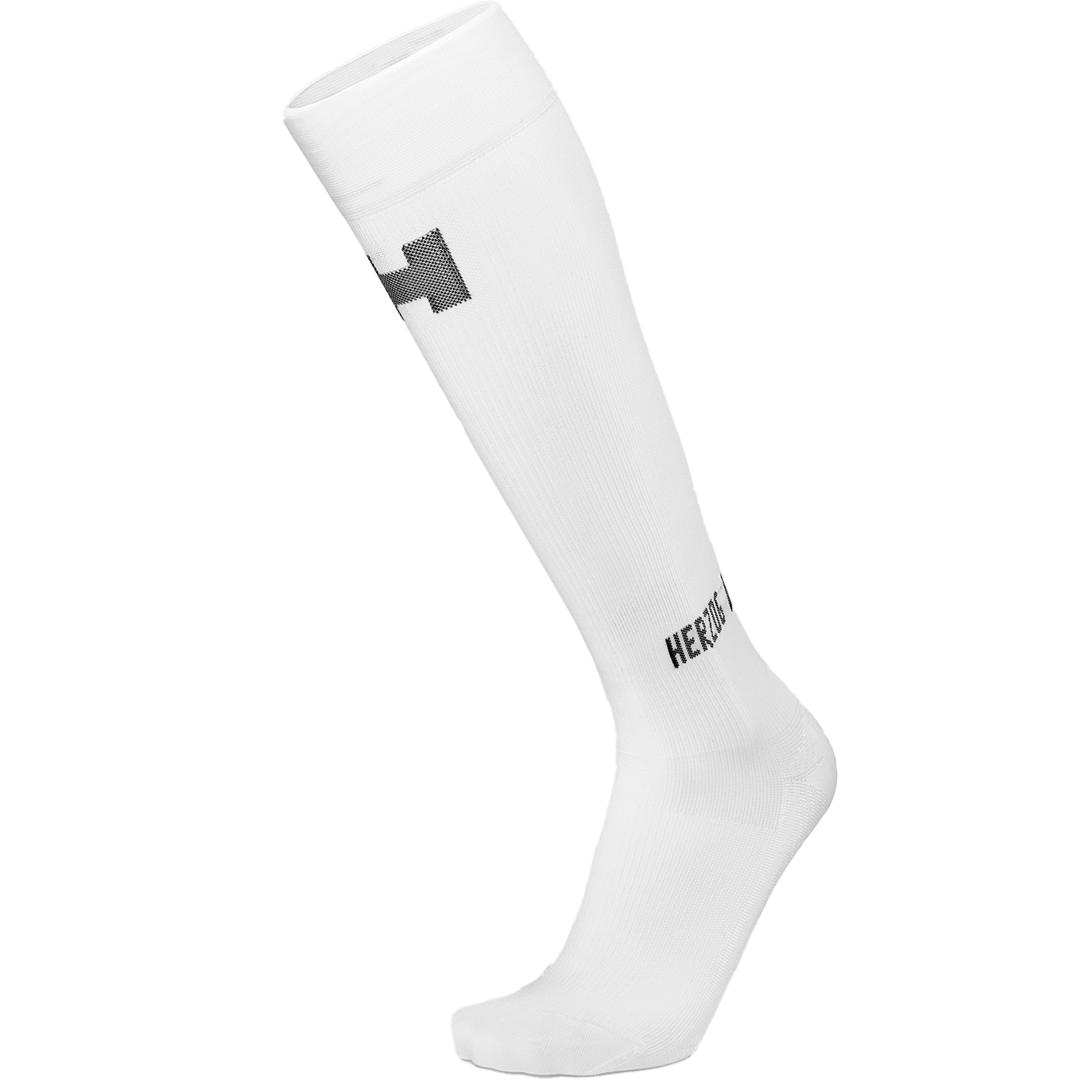
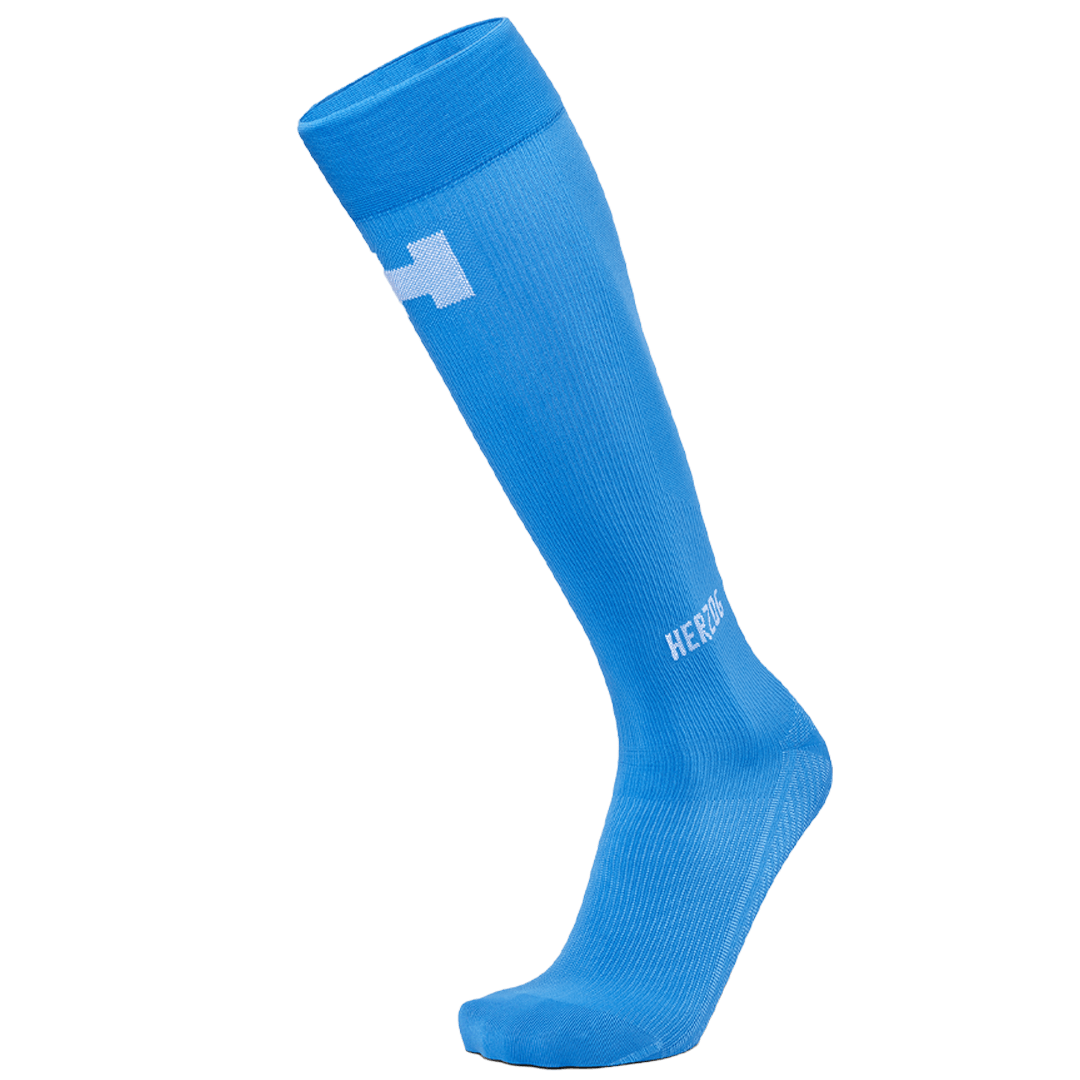
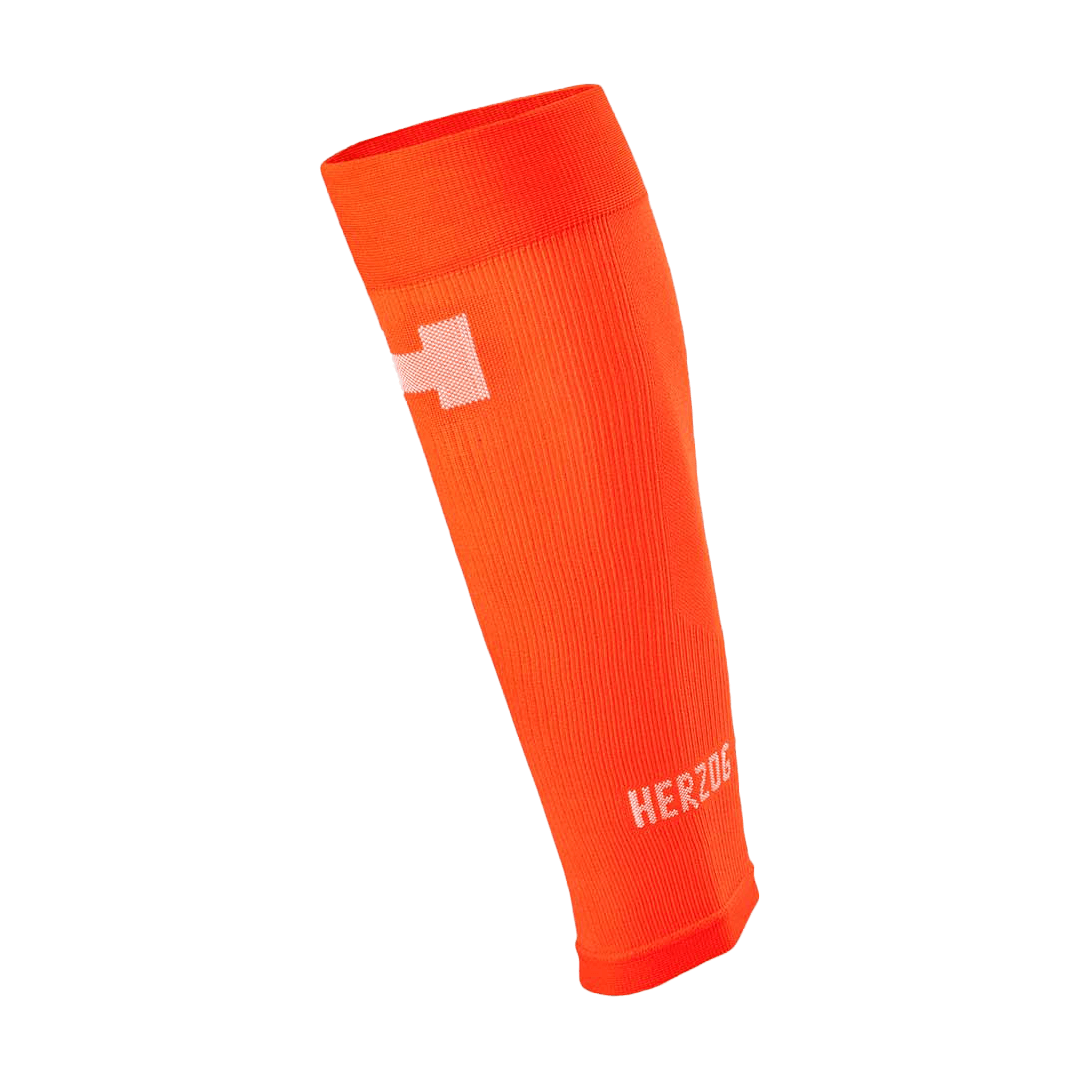
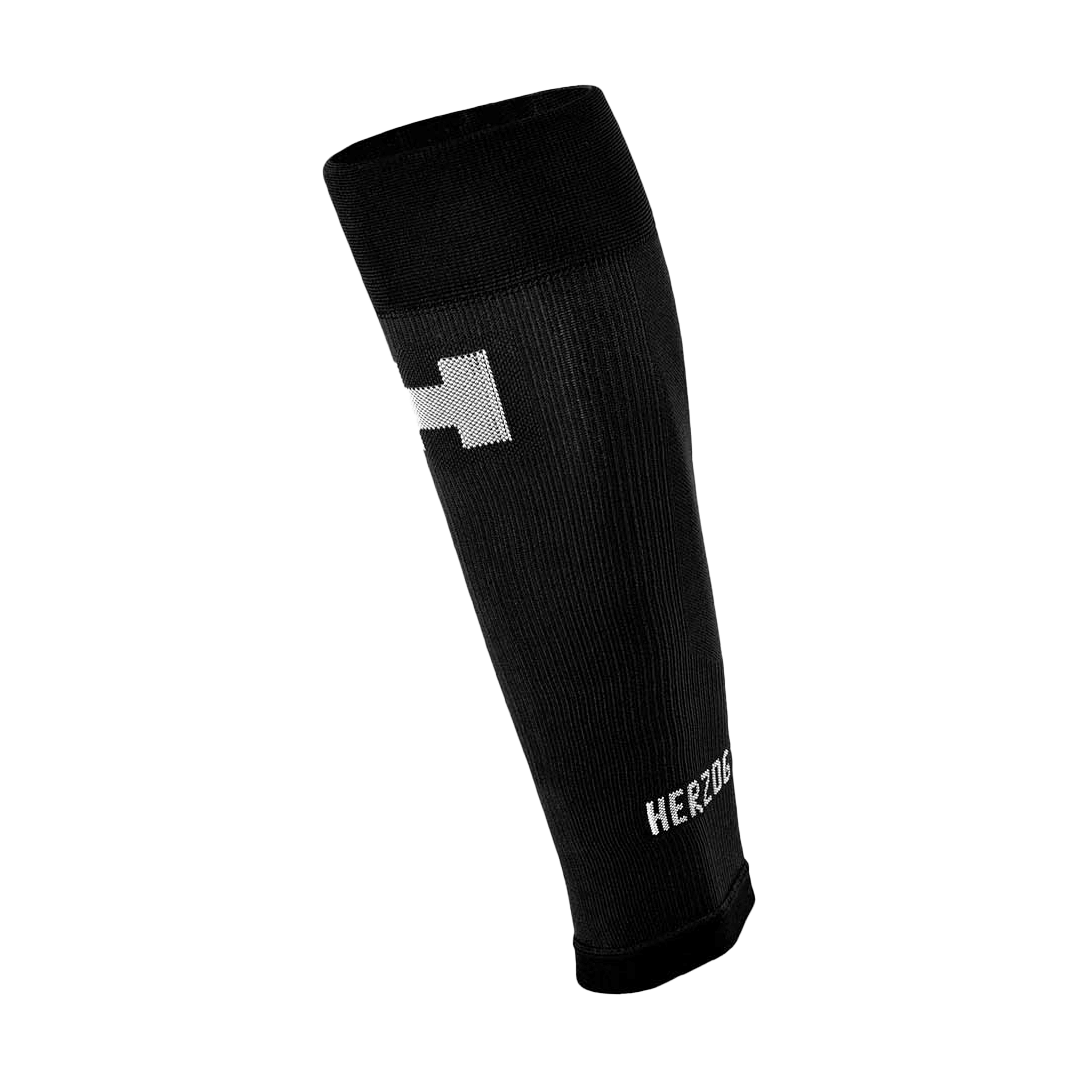
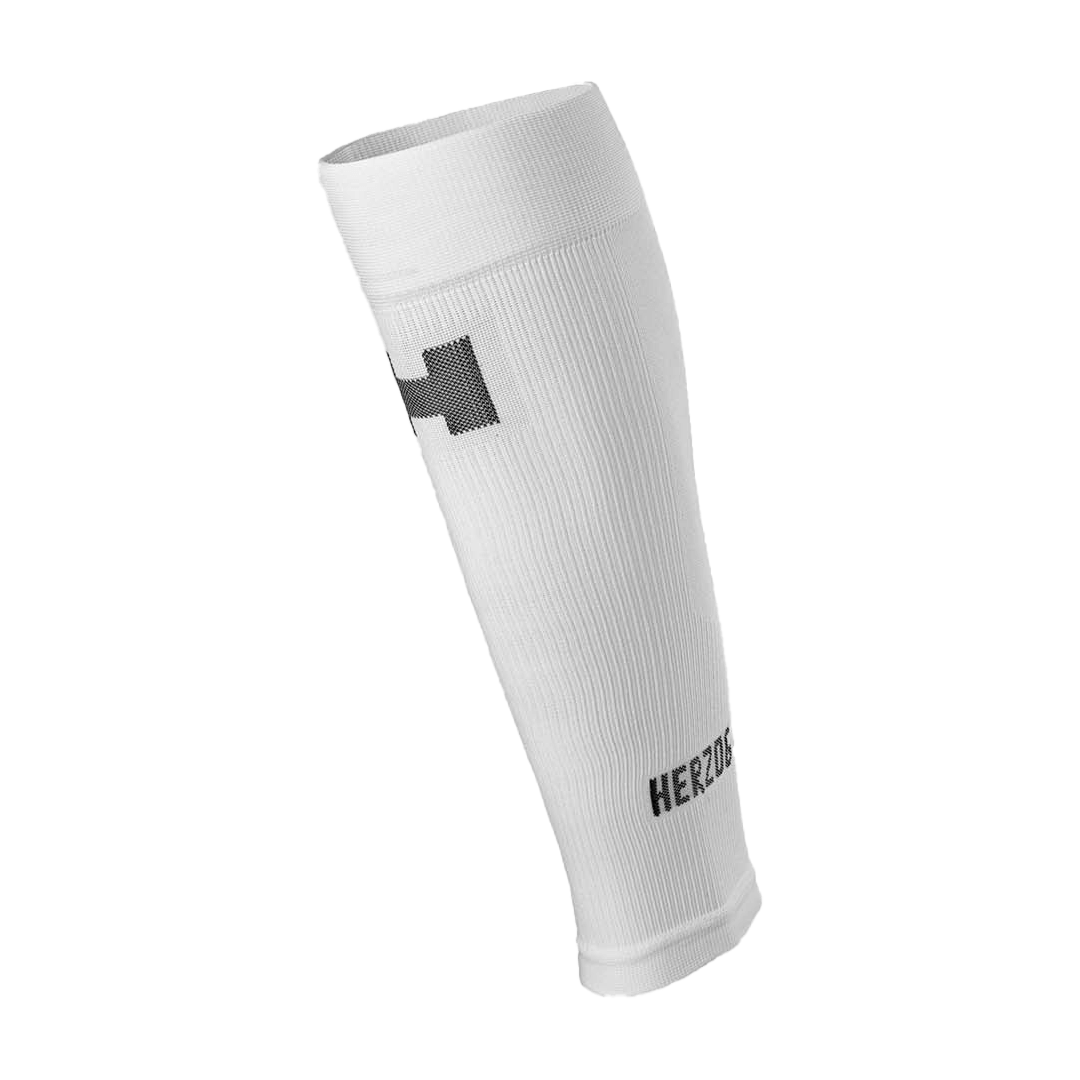
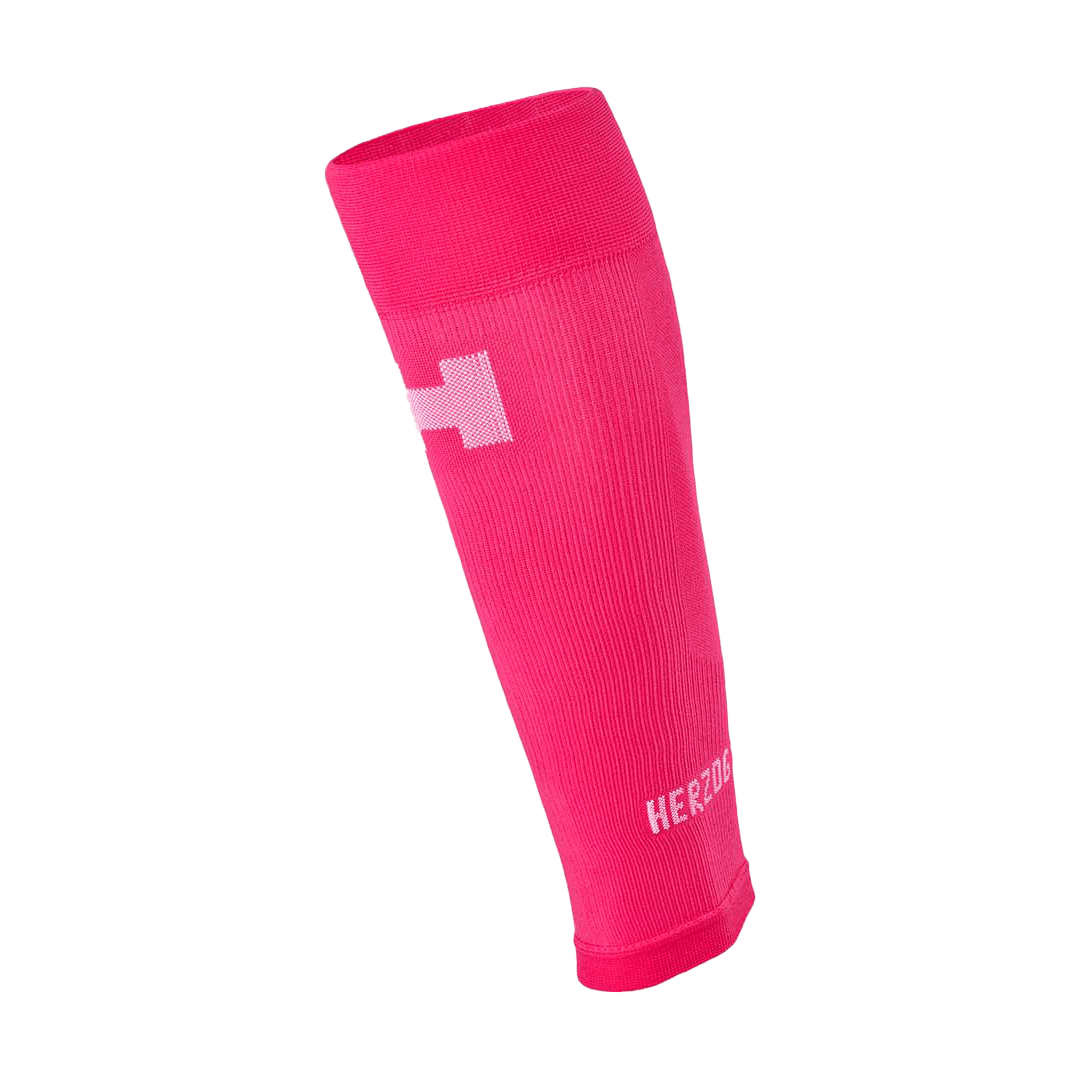
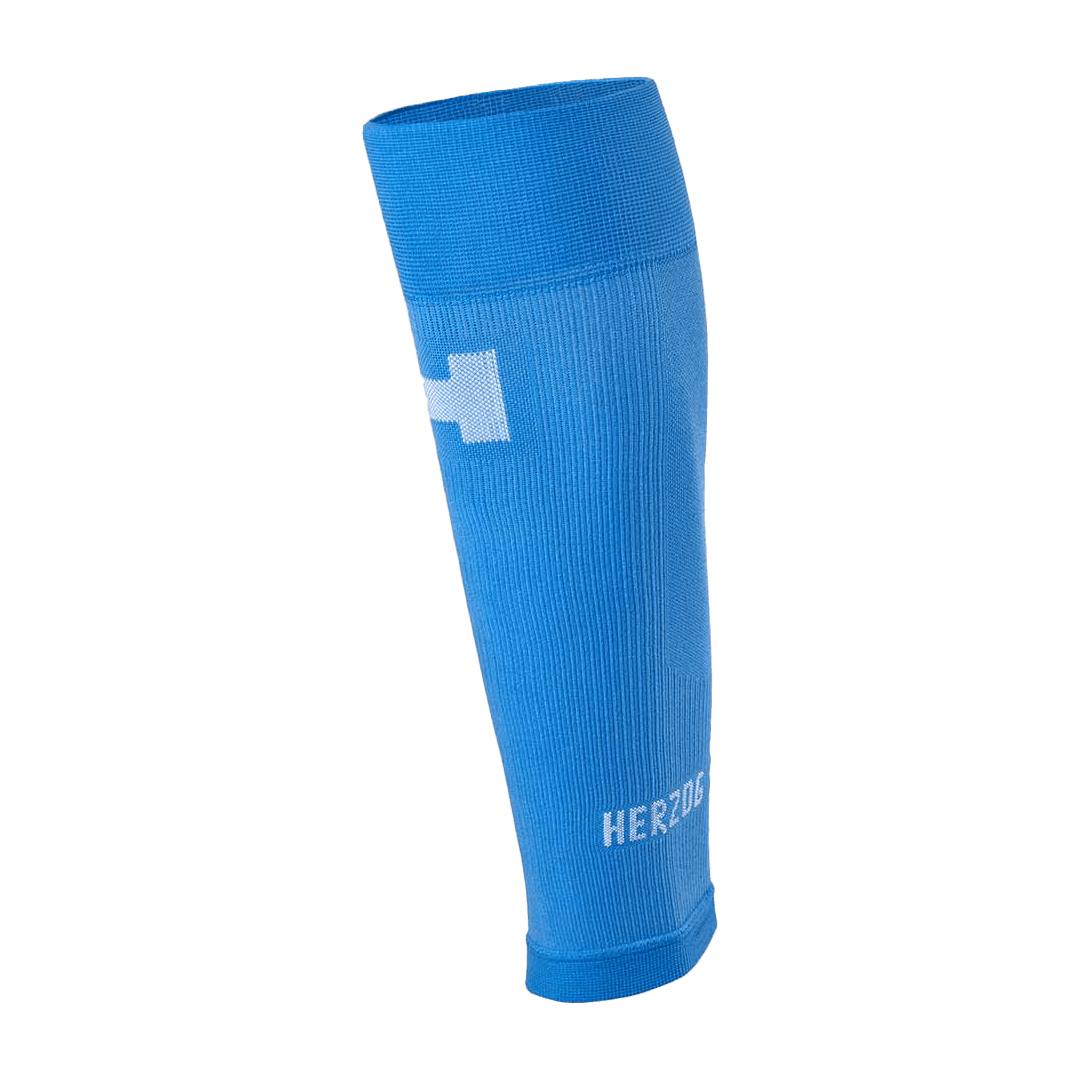
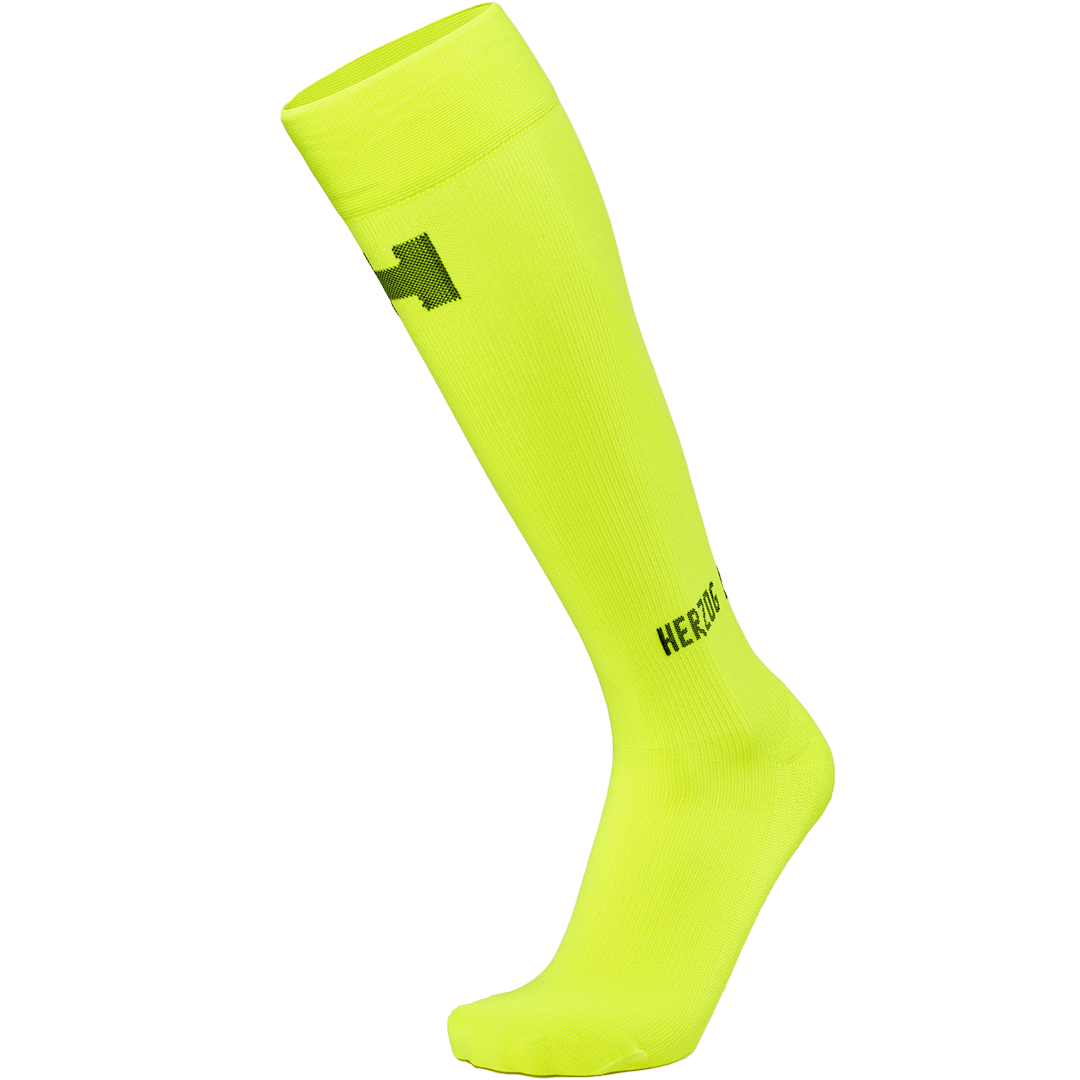
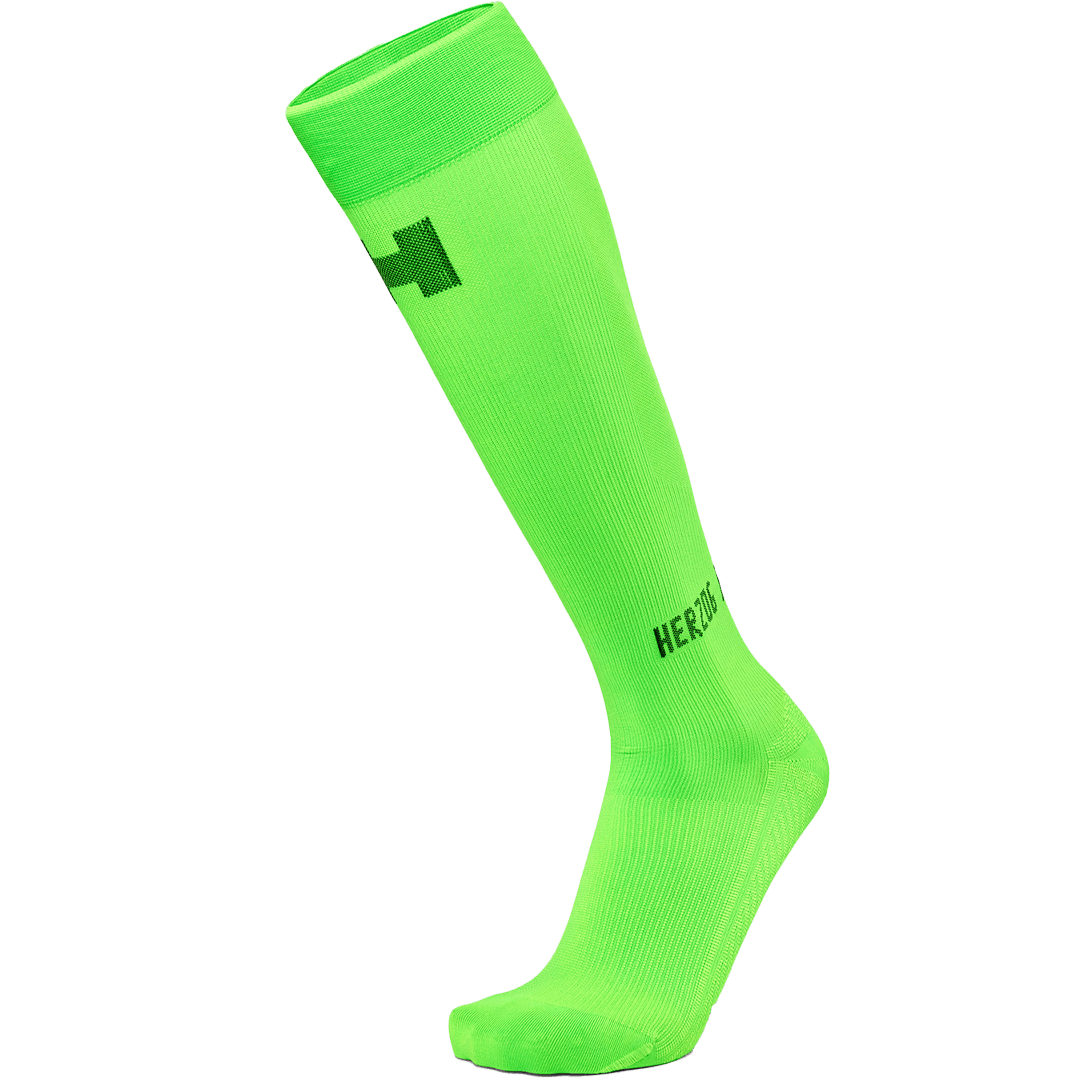
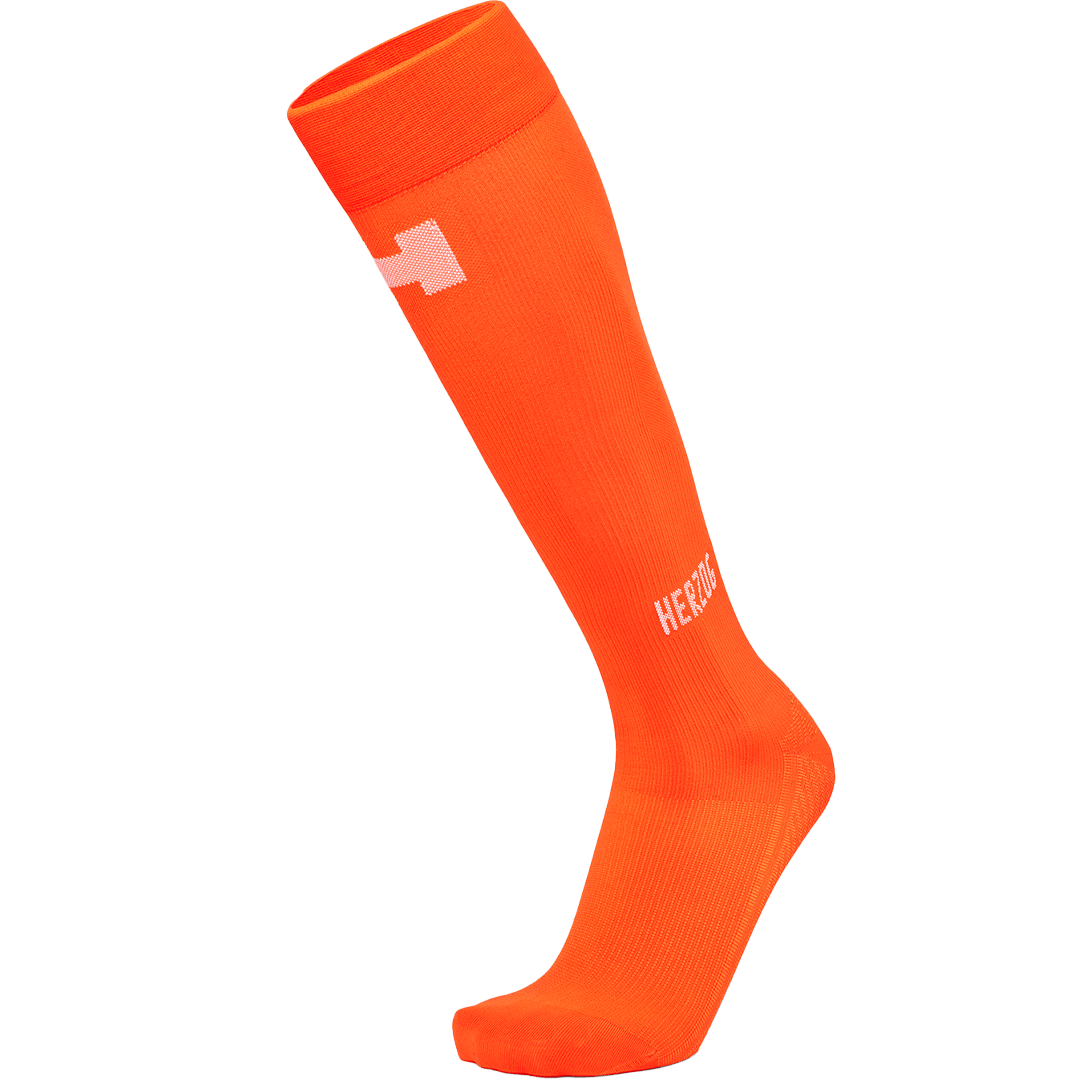
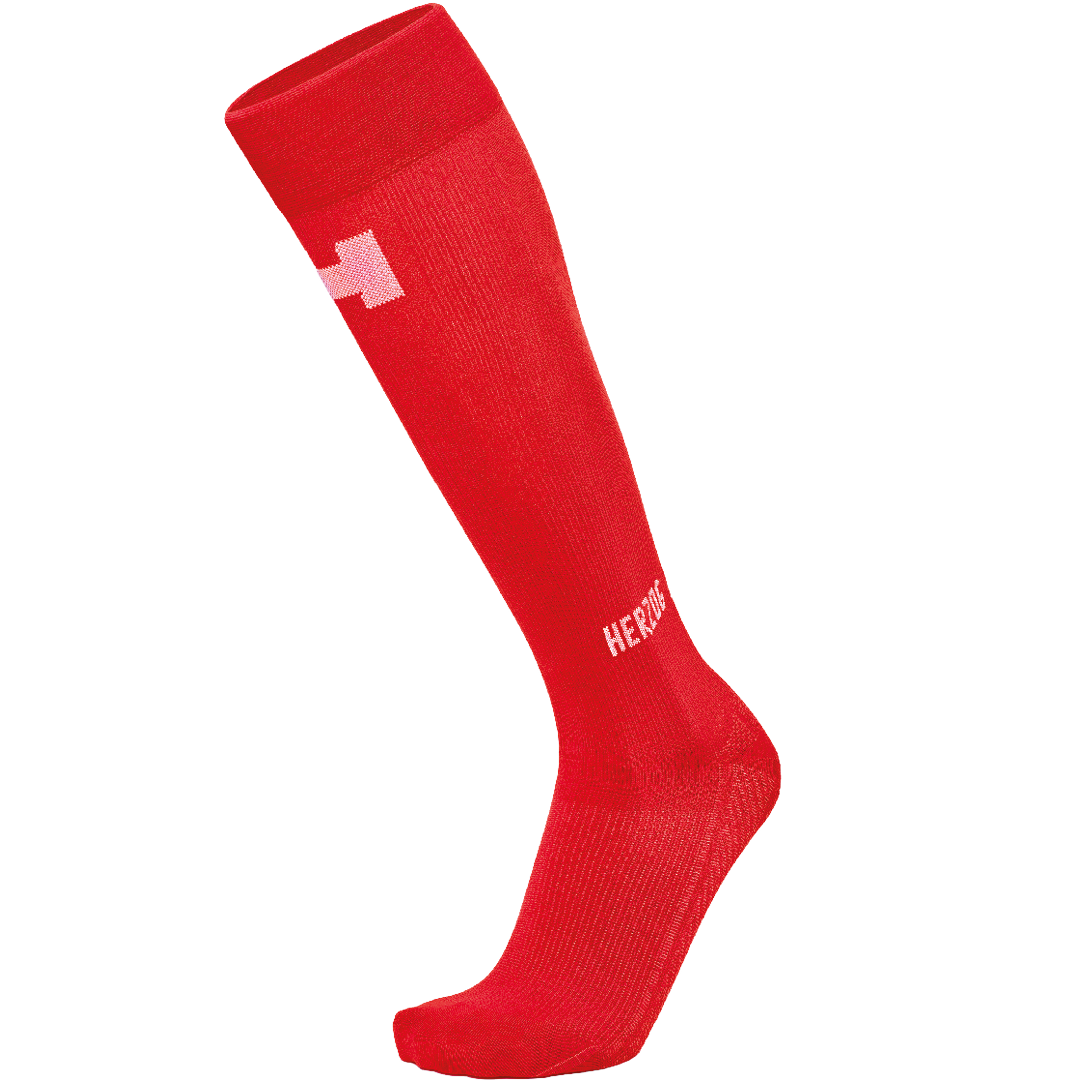
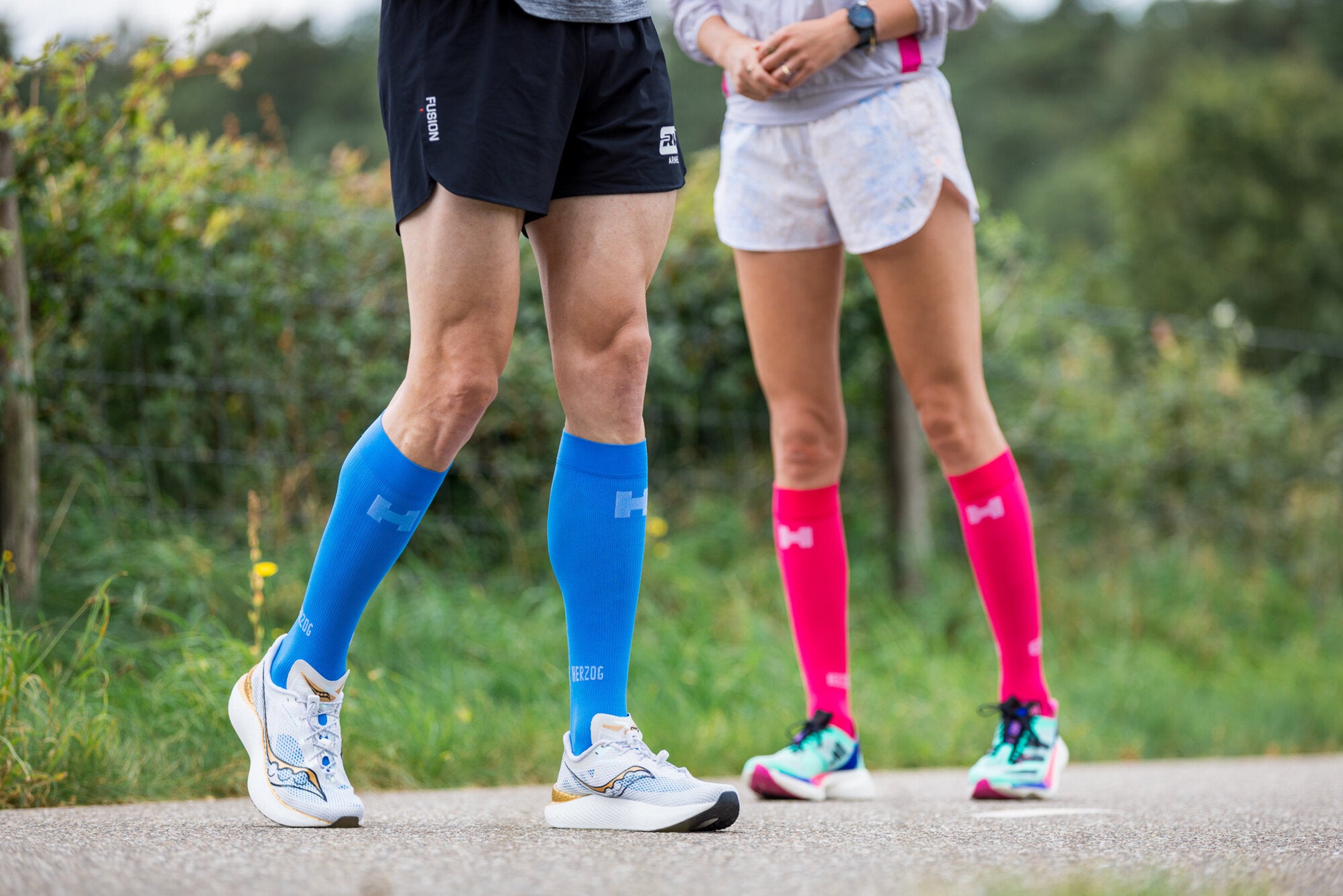
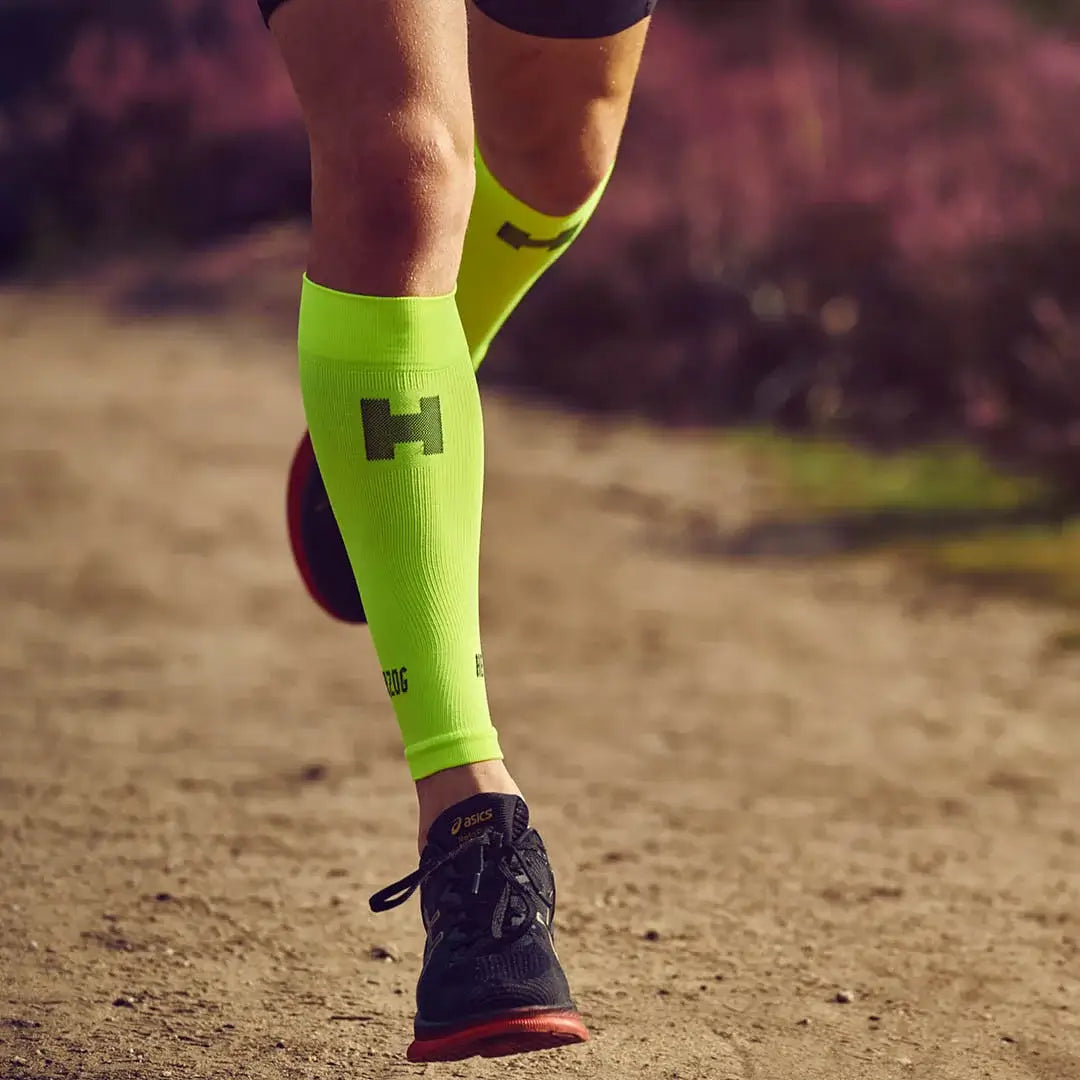
If you also wear PRO Compression Socks or tubes, recovery will significantly accelerate. These socks provide high compression, which limits the mobility of the relatively heavy calf muscle. This reduces shock impact and the pulling force on the periosteum of the shin bone, where the muscles attach to the bone. This way, you can exercise with minimal overload.

How do I prevent shin splints?
Have you just recovered or do you want to prevent shin splints? You can partly influence this yourself with the following steps:
- Wear the right clothing: This definitely includes compression socks or tubes. The pressure that Herzog PRO Compression Socks exert on your lower legs offers several benefits. They improve blood circulation, which helps remove waste products more quickly. In addition, the socks have a shock-absorbing effect, which drastically reduces muscle damage.
- Choose the right shoes: Always have them fitted by a specialist to ensure they fit properly and offer the right support.
- Ensure a good warm-up: Prepare your muscles for the exertion and prevent doing too much too soon.
-
Do a good cool-down: Make sure your muscles don't cool down too quickly after training, which helps prevent injuries.
Want to know more? Check out these 6 effective tips!
Shin splints and other sports injuries
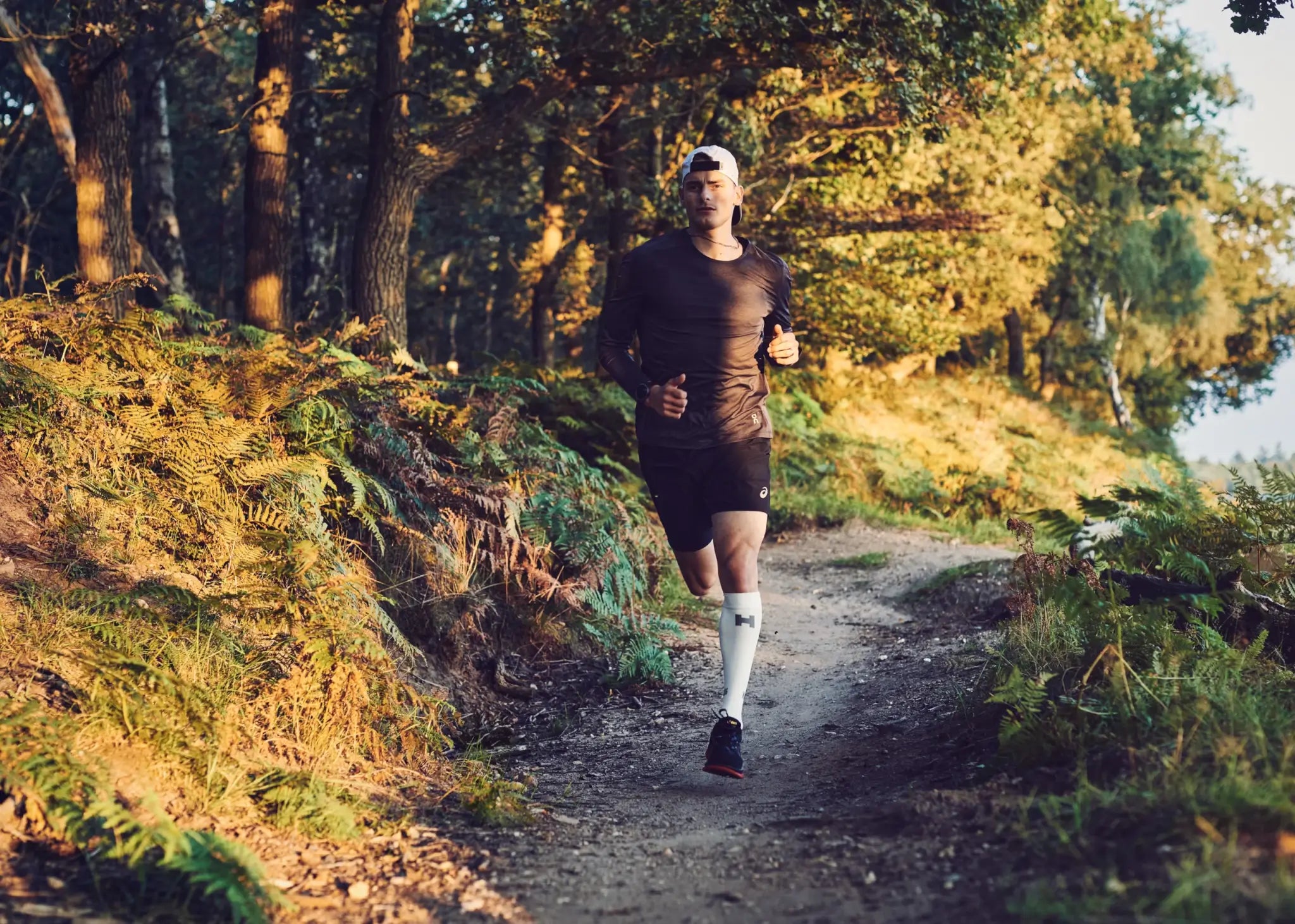
Do you often suffer from recurring lower leg pain? Discover how compression also plays an important role in prevention and recovery for other injuries.

Blogs about shin splints

Preventing shin splints: the role of shoes, training, and recovery
Prevent shin splints with appropriate shoes, proper training progression, and recovery. Read how to tackle shinbone overuse.

Shin splints or periostitis: what's the difference?
Shin splints and periostitis: the same problem, different name. Read how to recognise it and support recovery with compression.

Shin splints during long distances: how to prevent overuse?
Shin splints with running: what shin splints are, which signals indicate them, and how to prevent overuse injuries of the lower leg.

6 Effective tips to prevent and relieve shin splints
Prevent and alleviate shin splints with 6 practical tips for runners. Less pain, faster recovery, and better training.

Shin splints symptoms: how to recognise the injury in time
Recognize the symptoms of shin splints in time and prevent persistent problems with practical tips on signs and recovery.