Shin splints symptoms: how to recognise the injury in time

Shin splints, also known as medial tibial stress syndrome, usually develops gradually in runners, sprinters, and athletes who do a lot of jumping, braking, or changing direction. Initially, you often feel a mild pain along the inside of the shin, which subsides after exercise. Because the complaint initially feels mild, the injury is often underestimated. That is precisely why it is important to recognize the symptoms of shin splints in time, before the pain becomes a recurring problem.

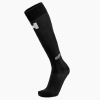
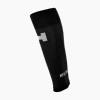
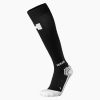
At Herzog, we regularly see that in addition to rest and an adjusted training schedule, runners also need extra support for their calf and shin muscles. For example, Herzog PRO Compression Socks are worn during running, so that the muscles around the shin vibrate less and the pressure is distributed more evenly over the lower leg. This can contribute to a more comfortable feeling during and after training, although proper load progression remains the foundation.


Shin splints symptoms: how to recognise the injury in time

What are the first signs of shin splints?

The first signs of shin splints are often subtle. You feel a dull, aching pain along the inside of the shin bone, usually in the lower two-thirds. Initially, the pain occurs mainly during warm-up and disappears as soon as your muscles warm up. Many athletes therefore continue to train, without realizing that the tissues around the shin are already under strain. Precisely this behavior makes the injury persistent, because the underlying overload is not addressed.

The complaints usually occur after an increase in training intensity, new running shoes, a change in surface, or extra jumping and sprinting loads. Think of switching from asphalt to an unpaved trail route, or suddenly adding interval training to your schedule. Also, athletes who start trail runningafter a period of calm running often first notice a slight dull pain along the shin. The body simply gets too little time to adapt to the new load.

In addition to pain, you sometimes notice slight swelling or a sensitive spot when you press along the shin with your fingers. Some people describe it as a burning or throbbing sensation that flares up when pushing off. Since shin splints are often associated with other lower leg complaints, it is advisable to also pay attention to signs that indicate calf problems, such as stiffness or a heavy feeling in the calf after exercise. These two complaints are often closely related.

Shin splints symptoms: how to recognise the injury in time

When should you worry about shin splints?

As long as the pain only occurs during or shortly after exercise, there is usually still room to make adjustments yourself. You should worry when the pain is also present at rest, for example in the evening on the couch or at night in bed. This is a sign that the tissue around the shin is not getting enough recovery time between training sessions. Also, if the pain gets worse daily instead of remaining stable, it's time to seriously reduce your training load.

A sharply defined, pressure-sensitive spot on the shin, in combination with pain that persists without exercise, may indicate a stress fracture rather than shin splints. This distinction is important because a stress fracture requires more rest and sometimes medical imaging. If you are unsure whether the pain is still consistent with an overloaded shin muscle or more indicative of bone, a visit to the general practitioner or sports doctor is the right step. Continuing to train on a possible stress fracture significantly delays recovery.

For persistent complaints, sports doctors and physiotherapists often look at the entire kinetic chain from foot to knee, including the calf and shin. More information about the development and risk factors of this injury can be found on the page about shin splints. Herzog's medical compression stockings, including the PRO line with MDR certification, are sometimes used in practice by healthcare professionals as part of a broader recovery plan, always in combination with an adjusted training schedule.

Shin splints symptoms: how to recognise the injury in time

How to deal with shin splints during exercise?

The first thing that helps with shin splints is to temporarily reduce the load, not stop completely. Replace some of your running workouts with cycling, swimming, or walking on flat ground, to maintain blood circulation without putting extra strain on the shin muscles. Then, gradually build up your training volume again, with small steps in distance and speed. Athletes who return to full load too quickly often find that the pain returns after a few weeks.

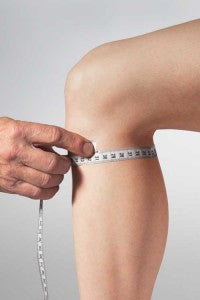
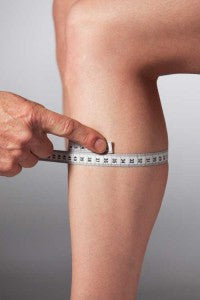
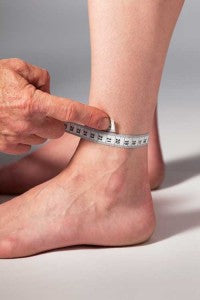
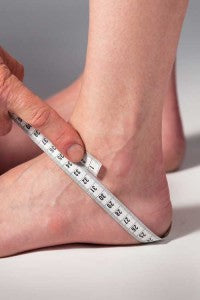
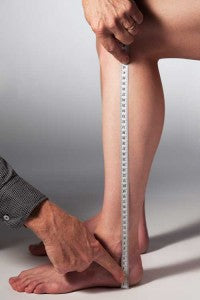
Compression can provide support during this recovery process, as controlled pressure on the lower leg stimulates blood flow and can reduce the feeling of heaviness. Herzog uses advanced compression technology, where the pressure gradually decreases from ankle to knee. With Herzog PRO Compression Socks, this is custom-fitted at six measuring points, so that the pressure distribution matches the shape of your lower leg. This is different from a standard sock, which is based on an average size and does not always fit well.

During the build-up to full load, it is useful to have your running technique and footwear checked, especially if you regularly run. More explanation about how pressure distribution in the lower leg works, and why this is relevant for shin splint overuse, is described on the page about the effect of compression. Keep the build-up gradual and listen to signals from your lower leg before increasing intensity again.

Frequently Asked Questions

Wat is het verschil tussen shin splints en een stressfractuur?

Bij shin splints voel je een verspreide, zeurende pijn langs het scheenbeen die vaak start tijdens inspanning. Een stressfractuur geeft meestal een scherp afgebakend drukpunt en pijn die ook in rust aanwezig blijft. Bij twijfel is een beoordeling door een huisarts of sportarts nodig om onderscheid te maken.

Kan ik met shin splints blijven hardlopen?

Volledig doorlopen op pijn wordt afgeraden, omdat de overbelasting dan aanhoudt. Vervang trainingen tijdelijk door minder belastende bewegingen zoals fietsen of zwemmen en bouw de looptraining daarna rustig weer op. Blijf de pijn in de gaten houden en pas het schema aan zodra klachten terugkomen.

Helpt compressie bij shin splints?

Veel sporters ervaren dat gecontroleerde compressie tijdens inspanning bijdraagt aan een lichter gevoel in het onderbeen. Het is geen vervanging voor rust en trainingsaanpassing, maar kan wel ondersteunend werken tijdens het herstelproces. Bij aanhoudende of ernstige klachten blijft een beoordeling door een specialist belangrijk.

Latest blogs

Hardloper strikt zijn veters op een bankje en draagt gele Herzog PRO Compressie Enkelsokken
Walking with heel spurs: what can you do about heel pain?

Tired of heel pain while walking? Discover how you can stay comfortably active with the right shoes, targeted exercises, and an adjusted walking distance. 

Hardlopers op de weg met witte en gele Herzog compressiekousen
Why does a whip crack often occur during sprinting?

A sudden, sharp pain in your calf while sprinting? You may have pulled a muscle. Discover why this injury occurs, how to recognize the symptoms, and what you can do to reduce the risk of pulling a muscle. 

Canicrosser loopt met zijn hond door de modder tijdens een wedstrijd
Canicross: running with your dog, how do you get started?

Discover canicross: the sport where you go running with your dog! Read what equipment you need, how to start responsibly, and how Herzog compression socks and compression shorts can support your muscles. 

Benen van een hardloper met blauwe Herzog PRO Compressiekousen
Charley horse or calf cramp: how do you tell the difference?

Sudden pain in your calf while exercising? Learn how to tell the difference between a calf cramp and a pulled muscle, what the symptoms are, and what you can do to recover properly. 

Hardloopster op een donker bospad met gele Herzog compressiekousen
Backyard Ultra: how do you prepare for hours of running?

A Backyard Ultra requires more than just endurance. Discover how to prepare for this unique running challenge, with practical tips on training, nutrition, race strategy, and recovery between rounds. 

Twee hardlopers in een tunnel met blauwe en witte Herzog compressiekousen
Outdoor running or the treadmill: which is better in winter?

Outdoor running or the treadmill? Both have advantages. Discover the differences and how to keep training comfortably in winter.

Trailrunner springt over een boomstam in het bos
Trail running versus road running: what are the differences?

Trail running or running on tarmac: what are the differences and what do they mean for your body? Discover how terrain, muscle load and equipment affect your performance and how to head out well prepared.

Hardlopers op een zandpad met zwarte en blauwe Herzog compressiekousen
Running in the cold: 3 tips for staying fit on cold days

Running in the cold? With the right preparation, you can exercise comfortably even on chilly days! Discover 3 practical tips on warming up, choosing running clothes and recovering well.

Triatleten op de tijdritfiets tijdens een wedstrijd
The art of triathlon: training, nutrition and recovery

Read more about how to get the best out of yourself during a triathlon with the right balance of training, nutrition, and recovery.

Hardloopster springt een trap op met roze Herzog compressiekousen
The hysteresis effect of Herzog compression stockings: what does it mean?

Discover how the hysteresis effect in the yarn of Herzog compression stockings works and why it is important during movement.