
Shin splints, also known as medial tibial stress syndrome, usually develops gradually in runners, sprinters, and athletes who do a lot of jumping, braking, or changing direction. Initially, you often feel a mild pain along the inside of the shin, which subsides after exercise. Because the complaint initially feels mild, the injury is often underestimated. That is precisely why it is important to recognize the symptoms of shin splints in time, before the pain becomes a recurring problem.
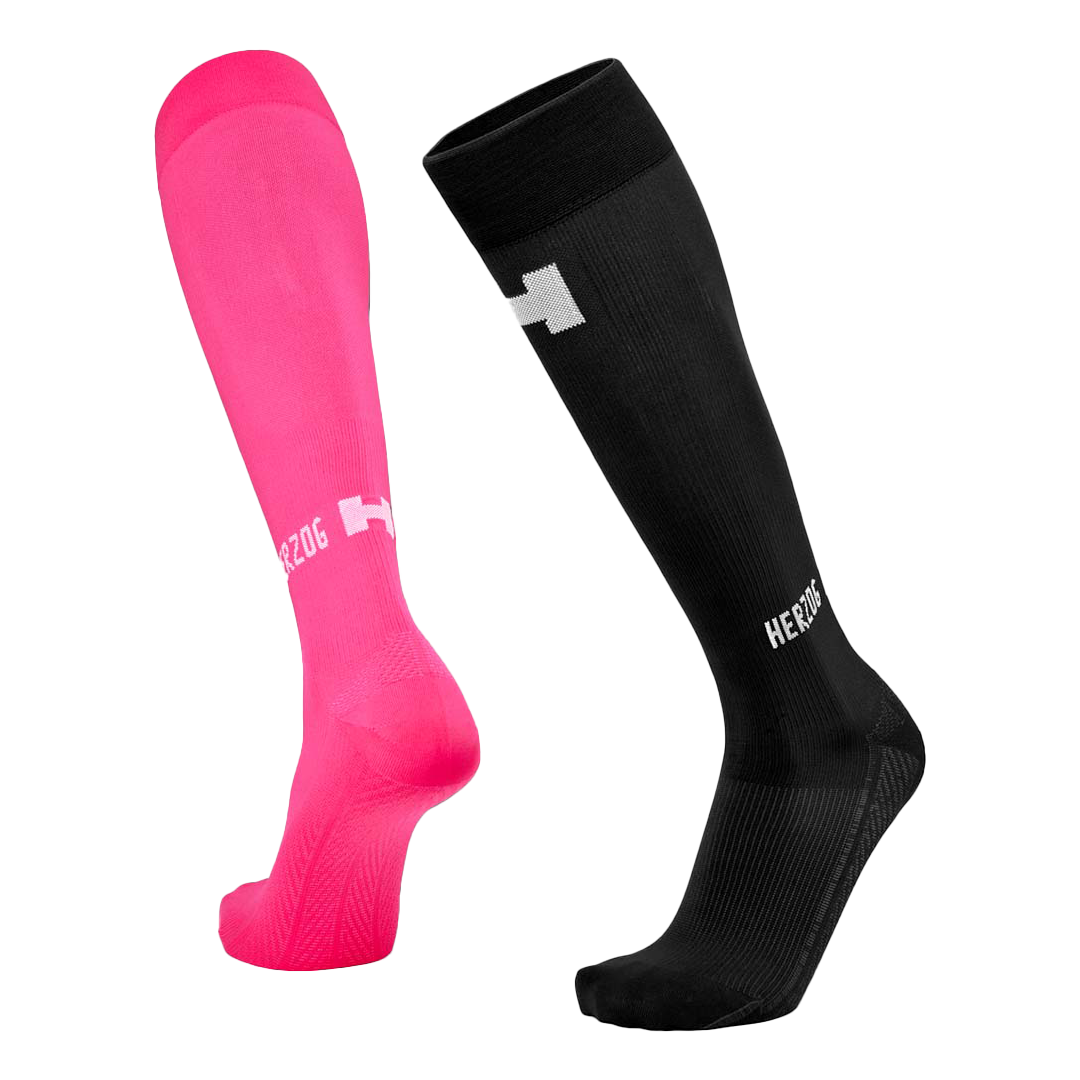
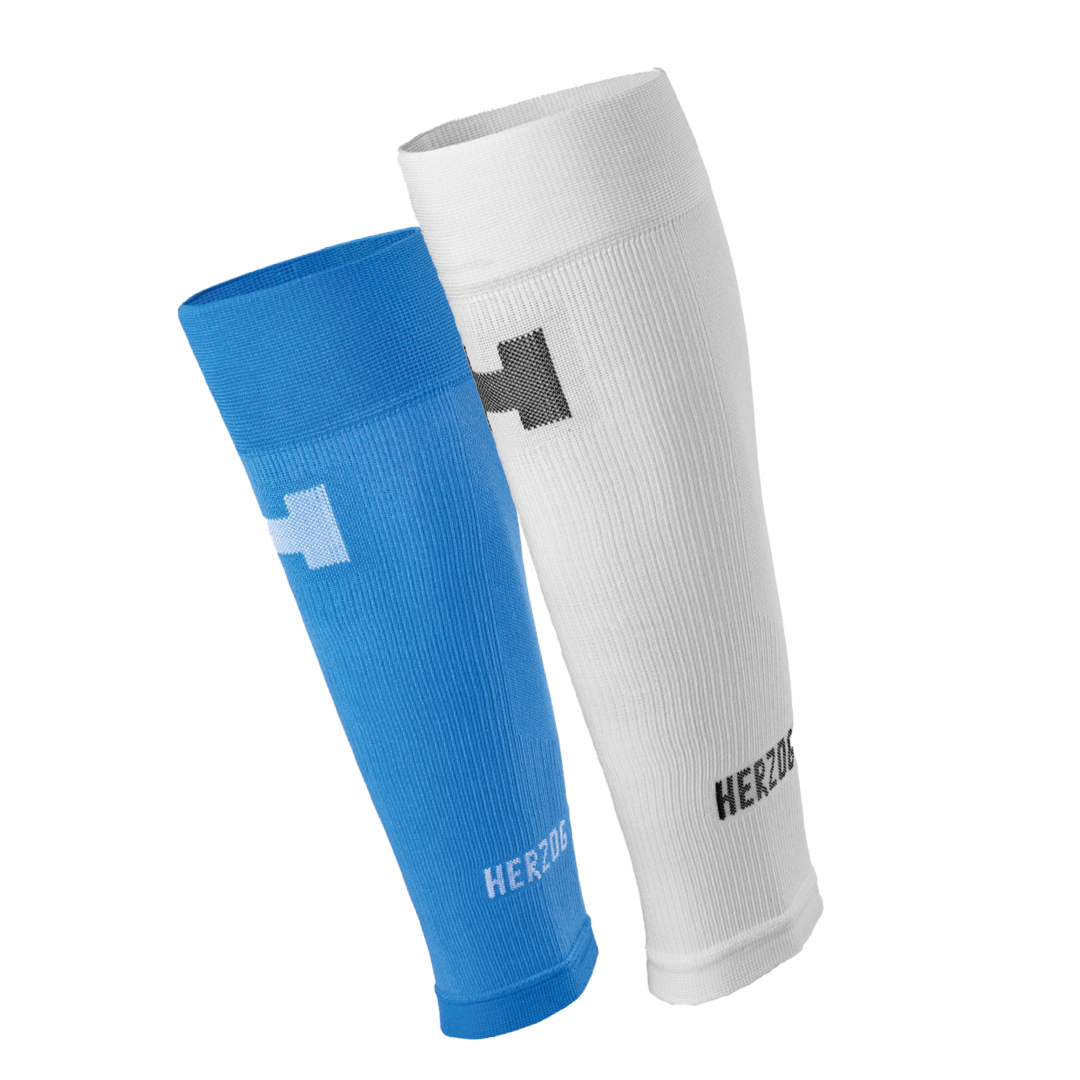
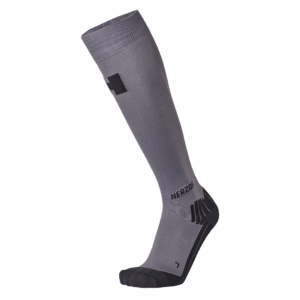
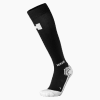
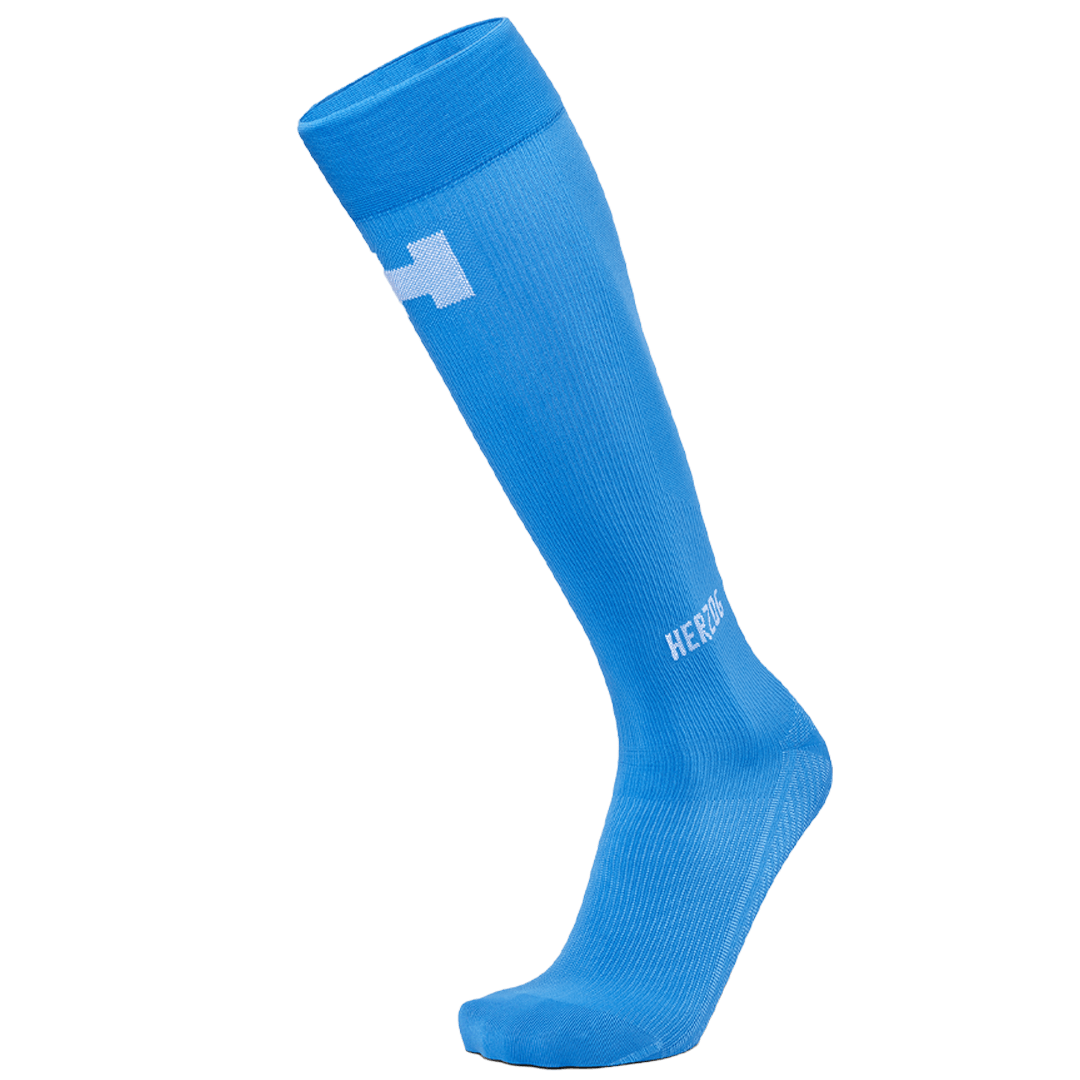
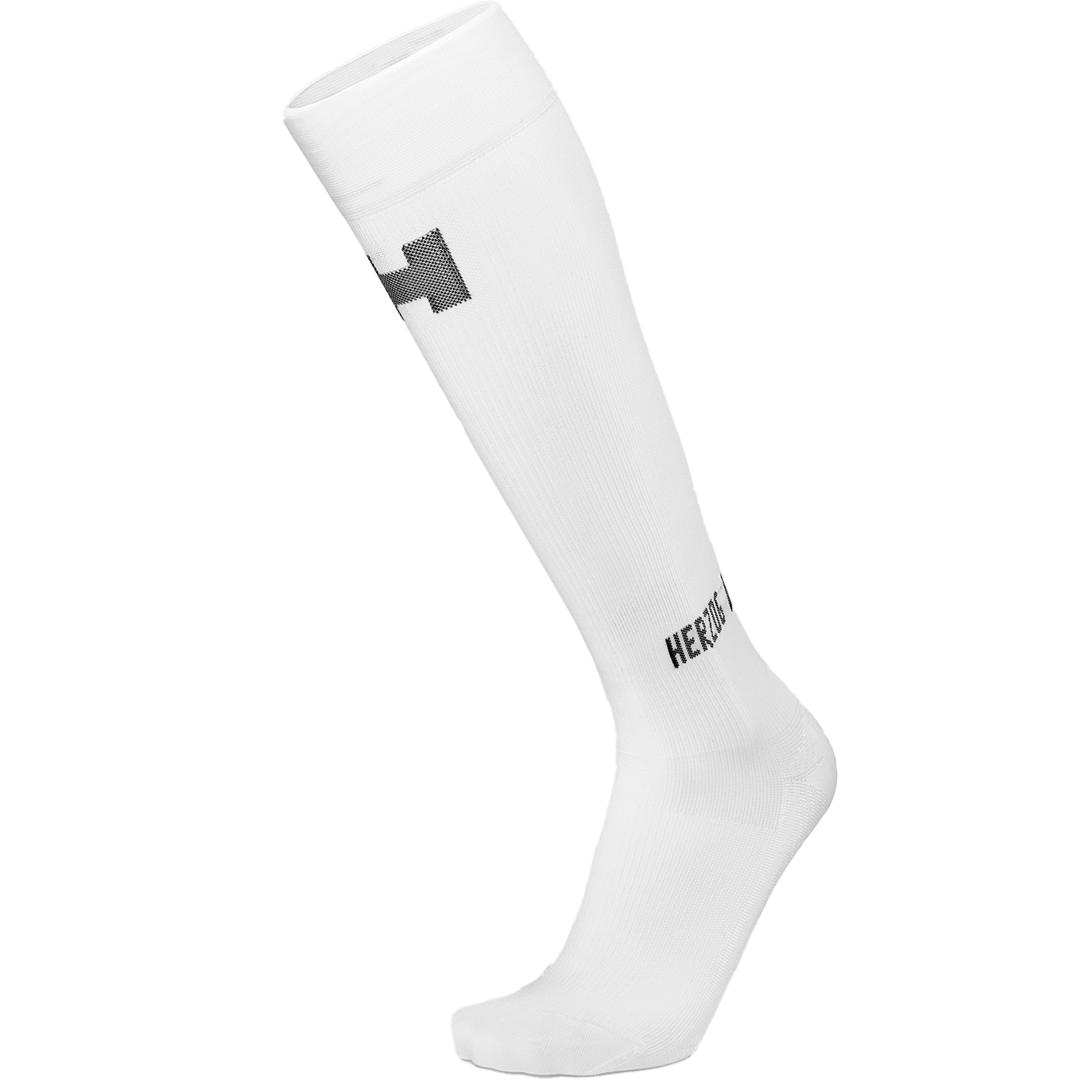
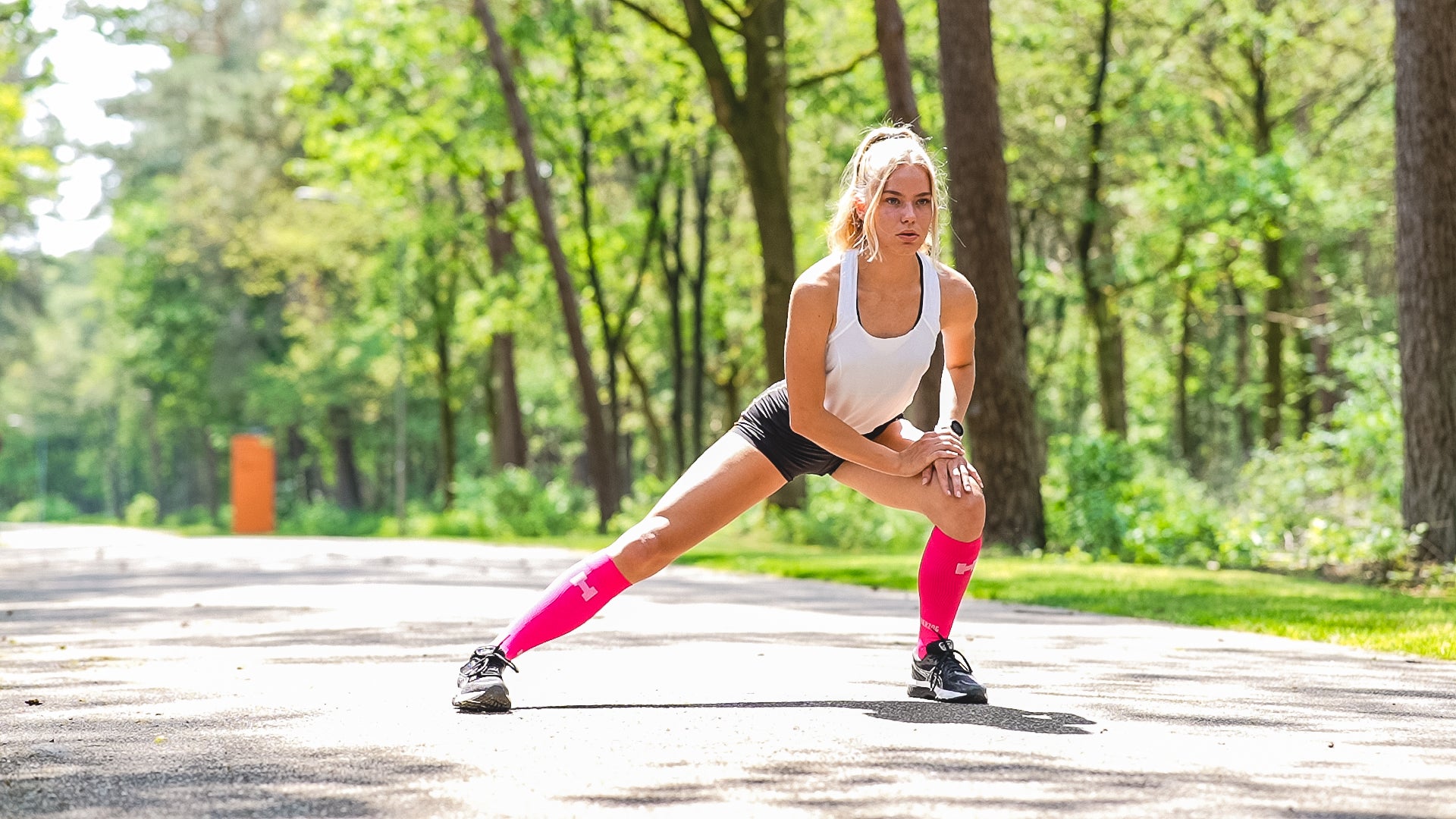
At Herzog, we regularly see that in addition to rest and an adjusted training schedule, runners also need extra support for their calf and shin muscles. For example, Herzog PRO Compression Socks are worn during running, so that the muscles around the shin vibrate less and the pressure is distributed more evenly over the lower leg. This can contribute to a more comfortable feeling during and after training, although proper load progression remains the foundation.


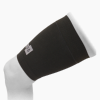
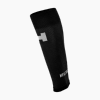
Products in this blog
Relevant blogs

The hysteresis effect of Herzog compression stockings: what does it mean?
Discover how the hysteresis effect in the yarn of Herzog compression stockings works and why it is important during movement.

Op weg naar de Amsterdam City Walk met Herzog Medical
De Amsterdam City Walk komt eraan! Ontdek hoe je je voorbereidt op een lange wandeltocht en waarom aandacht voor je voeten, benen en herstel belangrijk is.

Compression stockings for a muscle tear: do they help with recovery?
Discover what compression stockings can do for a muscle tear and during your recovery.

First HYROX? Here's what you need to know before you start
First HYROX on the schedule? Discover what to expect and how to prepare your body properly.

Compression stockings for rheumatism: can they offer support?
Pain, stiffness, swelling, or tired legs? Discover what rheumatism does to your body and what compression stockings can do for you.

Why are more and more footballers wearing compression shorts?
Discover why more and more footballers are wearing compression shorts and how targeted compression can provide support during training and matches.

From half to full marathon: what does your body need to get used to?
Discover what your body needs to get used to, what symptoms may arise, and how to properly prepare yourself for 42.2 kilometers.

Why athletes more often wear compression during long distances
Discover why athletes in marathons, trail runs, and long walks increasingly wear compression and what it does for the calf and ankle.

Groin pain during running: where does it come from?
Discover the causes of groin pain when running, which muscles are involved, and how to specifically recover and rebuild.

Plantar Fasciitis: symptoms, causes, and what you can do about it
Read about plantar fasciitis, its symptoms, causes, and how to alleviate the discomfort.