Shin splints or periostitis: what's the difference?

Pain on the inside of the shin is a common complaint among runners. Often, the terms shin splints and medial tibial stress syndrome (MTSS) are used interchangeably, but is there actually a difference? In practice, both terms usually refer to the same overuse injury of the lower leg. Shin splints is the international sports term, while medial tibial stress syndrome is the Dutch name for the same problem in the lower leg.

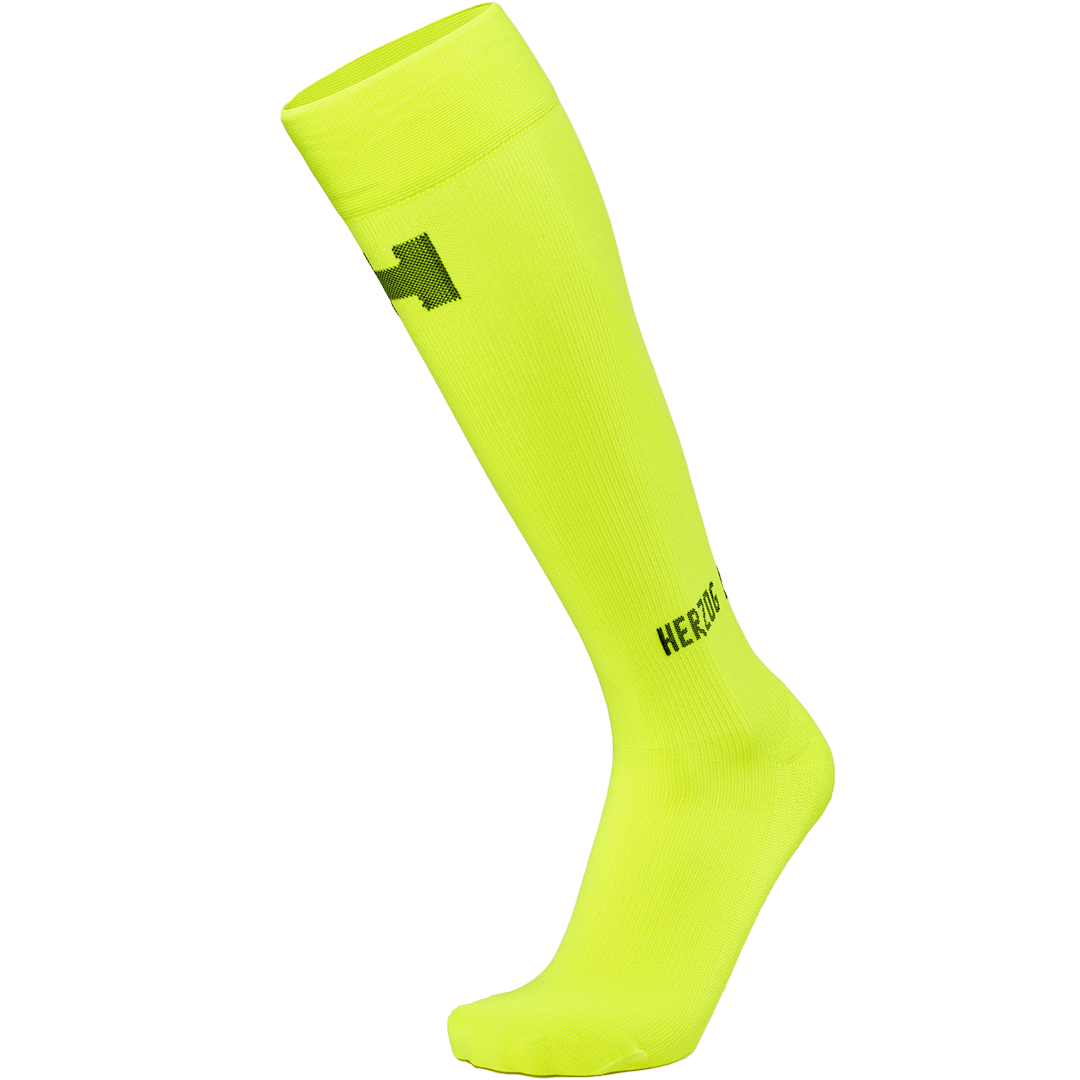
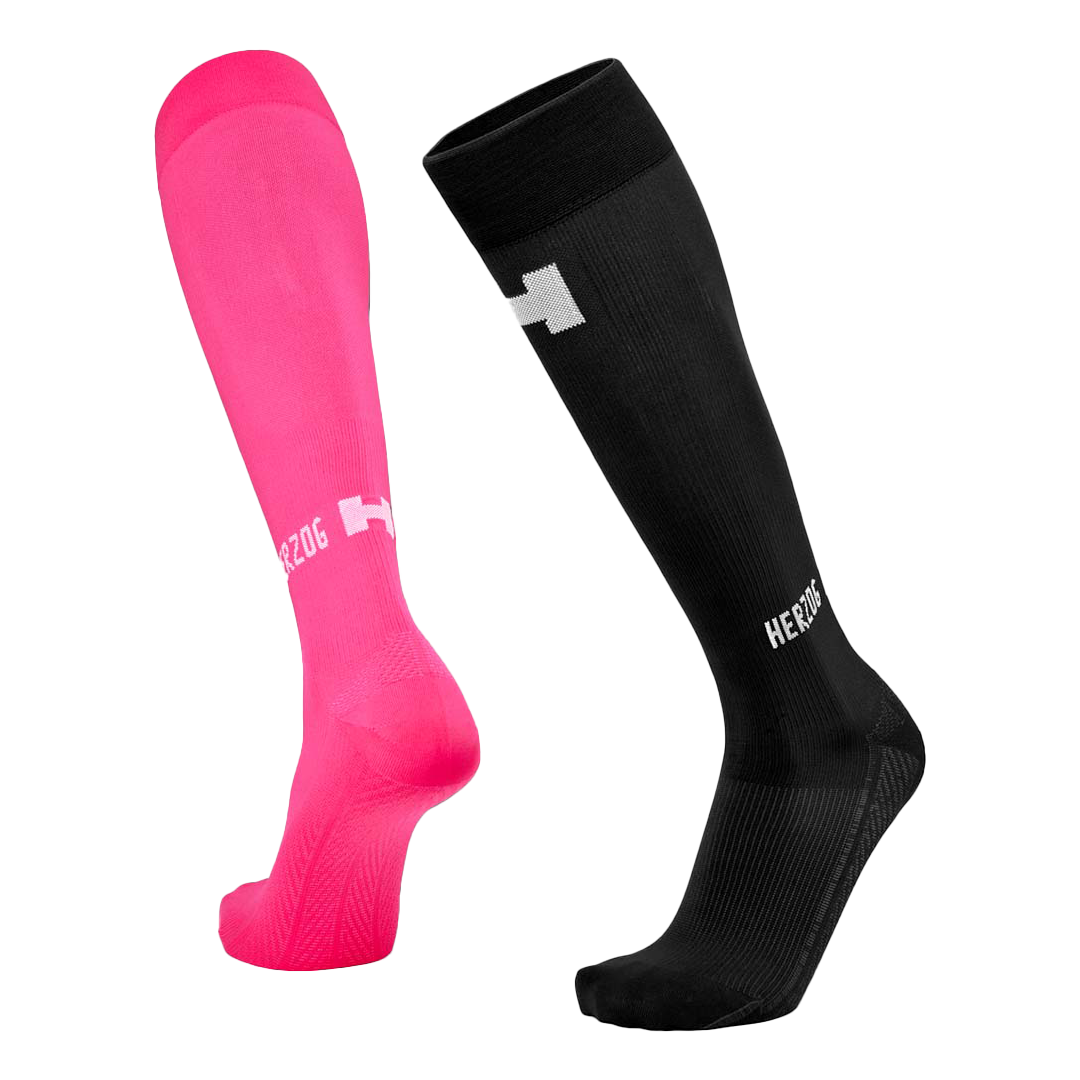
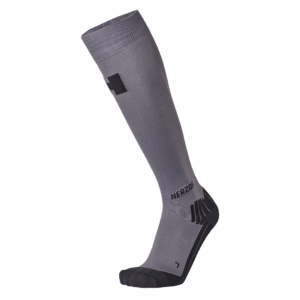
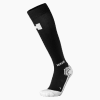
Although the name might suggest otherwise, there is usually no actual inflammation. The pain arises because muscles and tendons attached to the shinbone repeatedly pull on the bone, causing irritation to the surrounding tissue. Many runners notice this during the build-up of their training volume and then reach for support such as Herzog PRO Compression Socks, which firmly enclose the lower legs during running.

Side Image

What is the actual difference between shin splints and medial tibial stress syndrome?

The term shin splints comes from English and is used internationally in the sports world. Medial tibial stress syndrome is the translation more commonly used in doctor's offices or physical therapy practices in the Netherlands. Both terms describe the same complaint: pain on the inside of the lower leg caused by repetitive strain. The name suggests an inflammation of the membrane around the shin bone, but in practice, this is often not the case. Yet, this difference in terminology sometimes causes confusion for runners seeking information.

What does happen is that the muscles and tendons attached to the shin bone exert a small pulling force on the bone with every step. With sufficient rest, this tissue recovers naturally. If you increase the load too quickly, the tissue does not get enough time to recover, and irritation occurs. This explains why the complaint often reappears precisely when you intensify your training schedule, for example, after a period of rest or with a new and more intensive running schedule.

Shin splints are sometimes confused with other lower leg injuries, such as calf problems or a stress fracture. The difference lies in the location and course of the pain: shin splints are usually on the inside of the shin bone and decrease with rest, while a stress fracture often remains painful at a fixed point when pressed. If you are unsure about the cause of your complaints, it is wise to have it assessed. More explanation about related complaints can be found under calf problemsand on the page about shin splints.

Side Image

How to recognize shin splints during running?

The complaint usually starts gradually. First, you feel a slight, dull ache on the inside of the shinbone that appears after a training session. As the load continues, this shifts to pain that is already present during running and sometimes also when touching the bone. Many runners recognize the pattern: the first few kilometers are fine, but towards the end of the long run, the pain noticeably increases. Some only notice it after a longer run or an intense interval training.

The cause often lies in a combination of factors. A rapid increase in training volume, a harder surface, worn-out shoes, or a change in running style can all contribute to overuse of the lower leg. The way your foot rolls also plays a role: with a strong inward rolling foot, the muscles around the shinbone have to do extra work. These kinds of factors often come together in runners who have just started trail running or a new running season. If you recognize several of these factors simultaneously, the likelihood of complaints is greater.

Not every pain in the lower leg is due to a harmless overuse injury. There are a few signals where it is wise to consult a doctor or physical therapist instead of continuing to train yourself. These include pain that persists at rest, a clearly identifiable tender spot on the bone, or complaints that do not subside after a few weeks of rest. Swelling around the ankle can also indicate a different cause, which you can read more about on the page about swollen ankles.

Products in this blog

Side Image

How do you support recovery from shin splints?

The most important thing with shin splints is to temporarily adjust the load so that the irritated tissue can recover. That doesn't necessarily mean stopping all movement, but it does mean reducing training volume and then rebuilding more gradually. Alternate running with walking or cycling, so that the muscles around the shin receive less repetitive pulling force. Good footwear and a gradual transition to a new surface also help keep the load manageable, without re-aggravating the symptoms.

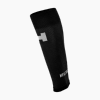
Compression can be part of that recovery process. Controlled pressure on the lower leg can support blood circulation, which many people find pleasant during and after exercise. Herzog PRO Compression Socks were developed using medical compression technology and carry an MDR quality mark, meaning they meet medical quality requirements. For daily use or milder complaints, some people opt for Herzog Support Compression Socks, which, like the PRO model, work with a gradual build-up of pressure but are less specifically aimed at intensive sports loads.

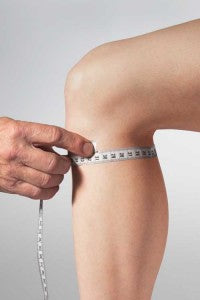
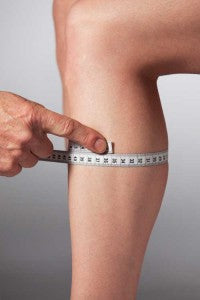
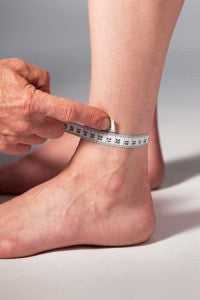
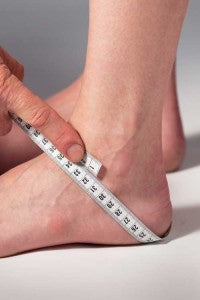
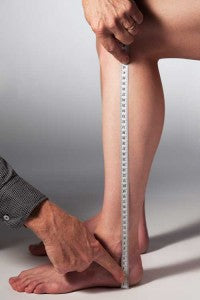
The difference between a standard sock and Herzog's compression technology lies in the build-up of pressure. Herzog compression socks are individually fitted at six measurement points, so that the pressure distribution matches the shape of your leg rather than an average size. This is an approach that Herzog has been applying for over twenty years, both for athletes and for healthcare professionals who use compression for recovery. More explanation about how this pressure build-up works can be found at how compression worksand at recovering with compression socks.

Frequently asked questions

Are shin splints and periostitis of the tibia the same?

Yes, in practice, they refer to the same overuse injury of the lower leg. Shin splints is the international sports term, and periostitis of the tibia is the Dutch name for it. Despite the name, there is usually no actual inflammation.

Can I continue running with shin splints?

That depends on the severity of the symptoms. Mild symptoms that disappear after rest can sometimes tolerate an adjusted schedule with less volume. For persistent pain, it is advisable to temporarily reduce the load and consult a doctor or physical therapist if in doubt.

Does compression help with shin splints?

Compression can support blood circulation and is experienced as pleasant by many people during and after exercise. It does not replace rest or a gradual buildup of training but can be a complement to it. If you are unsure about the cause of your symptoms, consult a doctor or physical therapist.

Relevant blogs

6 Effective tips to prevent and relieve shin splints

Prevent and alleviate shin splints with 6 practical tips for runners. Less pain, faster recovery, and better training.

Treating Whiplash: 3-Phase Recovery with Compression and Cold Therapy

Recovering from a calf strain? Discover the 3 recovery phases and how compression and cold therapy can contribute to optimal and responsible recovery.

All about calf problems: causes, symptoms, and what you can do about them

Suffering from calf complaints? Read all about possible causes, common symptoms, recovery, and what you can do to prevent calf complaints.