Heavy legs during pregnancy: what causes them and what can you do about it?

A lot changes in your body during pregnancy. One of the most common complaints is the feeling of heavy, tired legs. Especially towards the end of the day, your legs can feel heavy, your ankles can swell, or you may notice that you retain fluid more easily. These complaints often increase, especially in warm weather, when standing for long periods or sitting a lot. But what actually causes heavy legs during pregnancy? And what can you do to make your legs feel more comfortable?

Side Image

Why pregnant women are more prone to heavy legs

During pregnancy, the amount of blood in your body increases significantly. Your heart and blood vessels have to work harder to pump all that blood around. Additionally, hormonal changes cause blood vessels to relax a bit more.

At the same time, your belly grows, and more pressure is put on the blood vessels in the pelvis and legs. This makes it harder for blood to flow back up from the legs towards the heart. This can lead to:

  • a heavy or tired feeling in the legs
  • fluid retention around the ankles and feet
  • swollen or tense legs
  • a restless feeling in the legs
  • legs that tire more quickly when walking or standing

These symptoms are particularly common in the second and third trimesters.

Why symptoms often worsen in warm weather, prolonged standing, or extended sitting

Many pregnant women notice that their legs feel heavier, especially at the end of the day. This is not surprising.

In warm weather, blood vessels dilate further. This allows fluid to accumulate more easily in the legs and ankles. Similarly, standing still for long periods or sitting for extended durations causes the leg muscles to be less active. And it is precisely these muscles that normally help pump blood back upwards.

As a result, symptoms such as:

can occur or worsen more quickly.

Side Image

What helps with heavy and tired legs during pregnancy?

Fortunately, there are several ways to keep your legs more comfortable during pregnancy.

Stay active regularly

Rest is important, but sitting still for too long often doesn't help. Regular walking or gentle movement activates the muscles in your legs and supports circulation.

Even small moments of movement in between can make a difference.

Elevate your legs more often

By elevating your legs slightly, you help the body to drain fluid more easily. This can feel especially pleasant at the end of the day.

Avoid prolonged standing or sitting

Do you work a lot while sitting, or do you stand a lot during the day? Try to change your posture regularly. Walking for a bit or moving your ankles can help keep blood circulation active.

How compression stockings can help during pregnancy

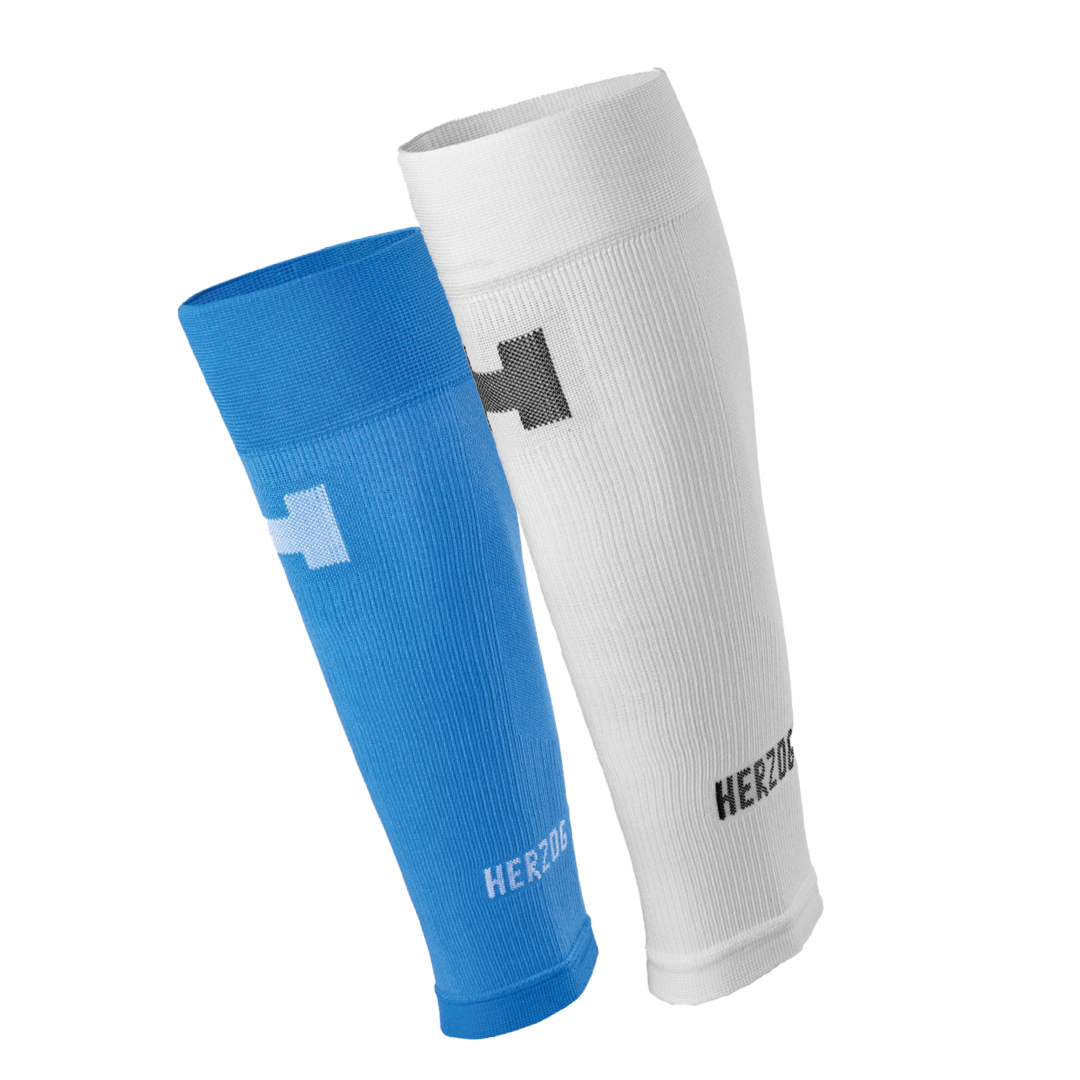
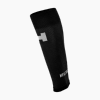
Many pregnant women wear compression stockings to give their legs extra support during pregnancy. Compression stockings provide targeted pressure on the lower leg, which supports blood circulation and prevents fluid from easily accumulating in the legs and ankles.

This can reduce symptoms such as:

  • heavy legs
  • tired calves
  • swollen ankles
  • fluid retention
  • a tense feeling in the legs

during daily activities.

Especially during long workdays, warm weather, travel or days when you stand or sit a lot, compression stockings can provide extra comfort.

Products in this blog

Side Image

Why do pregnant women choose Herzog compression socks?

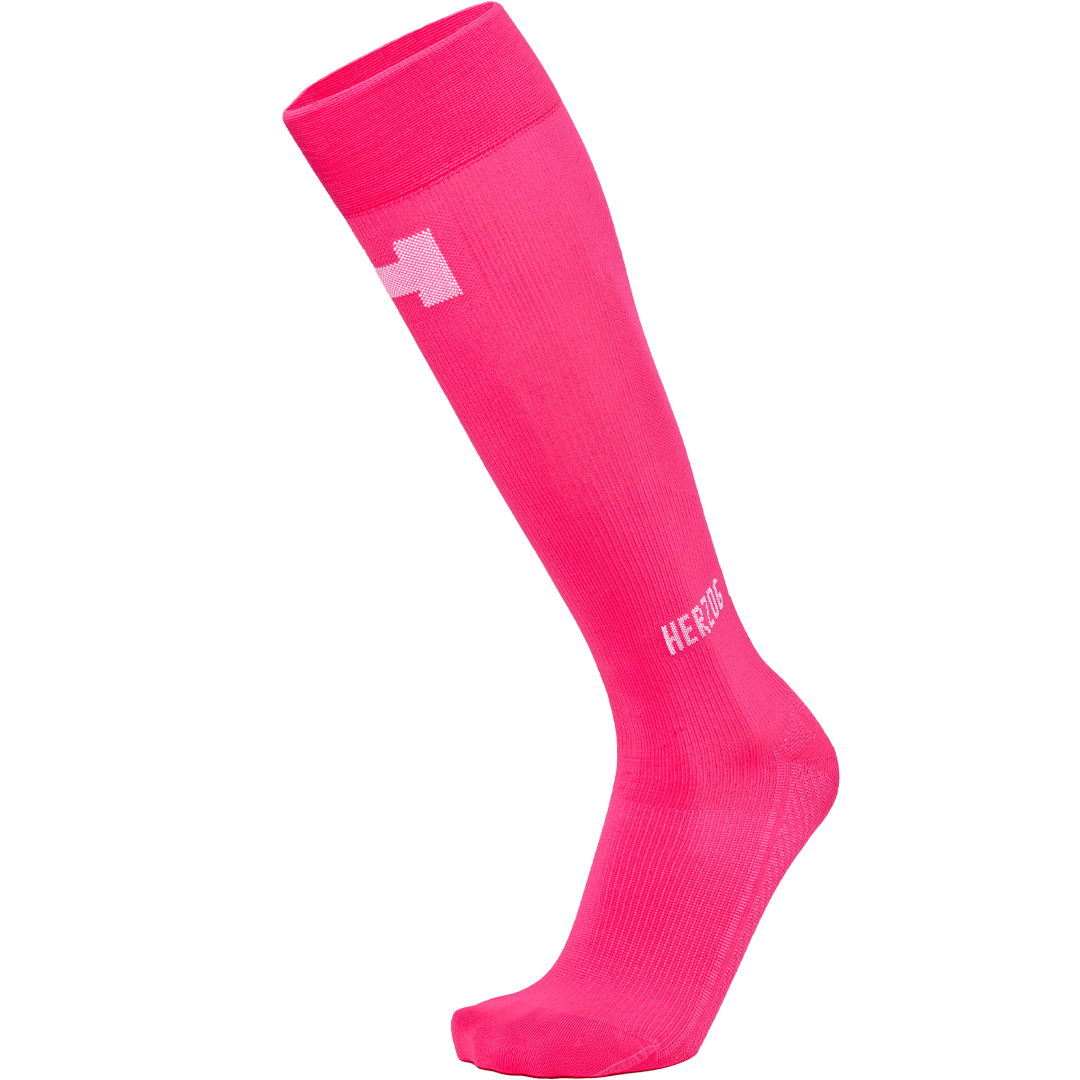
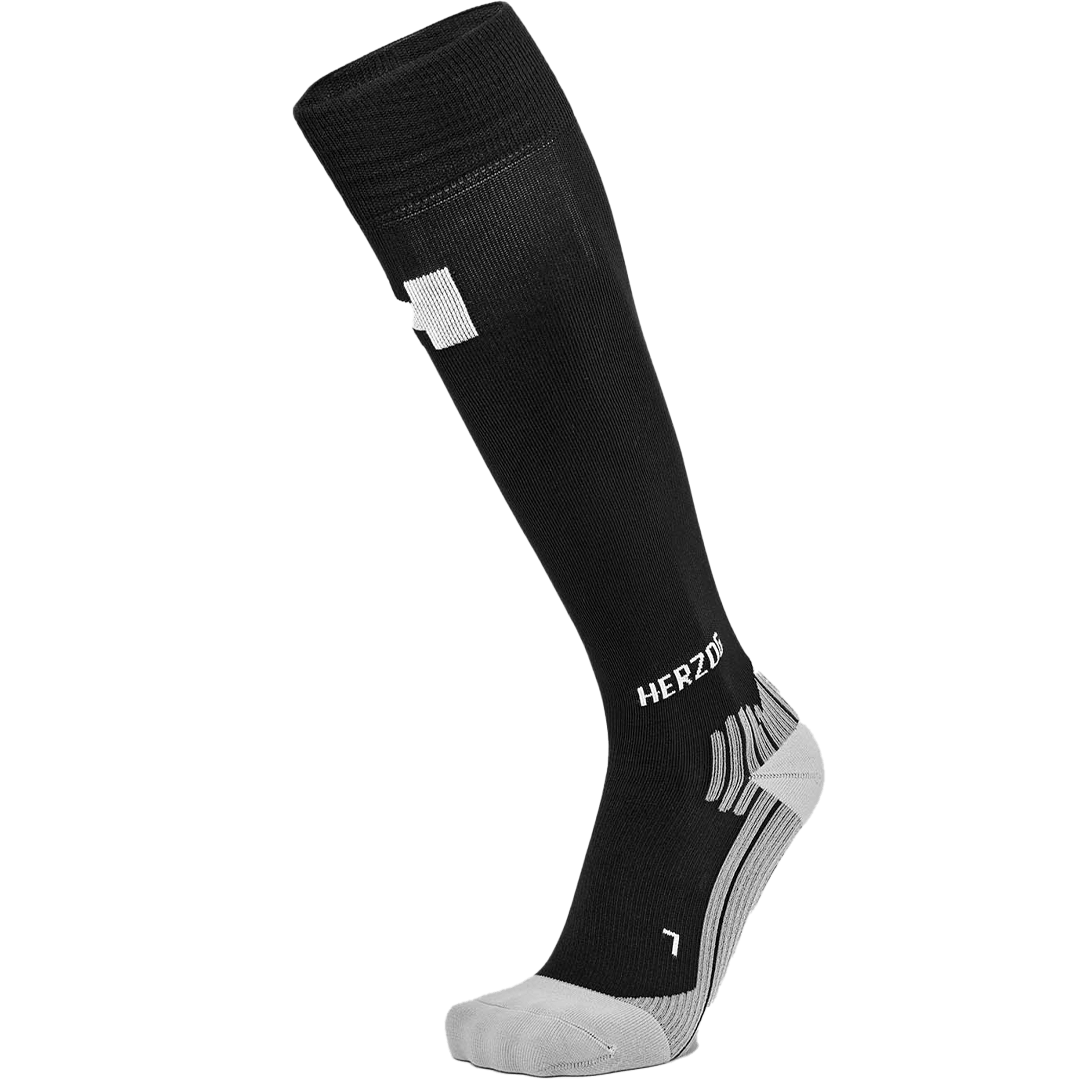
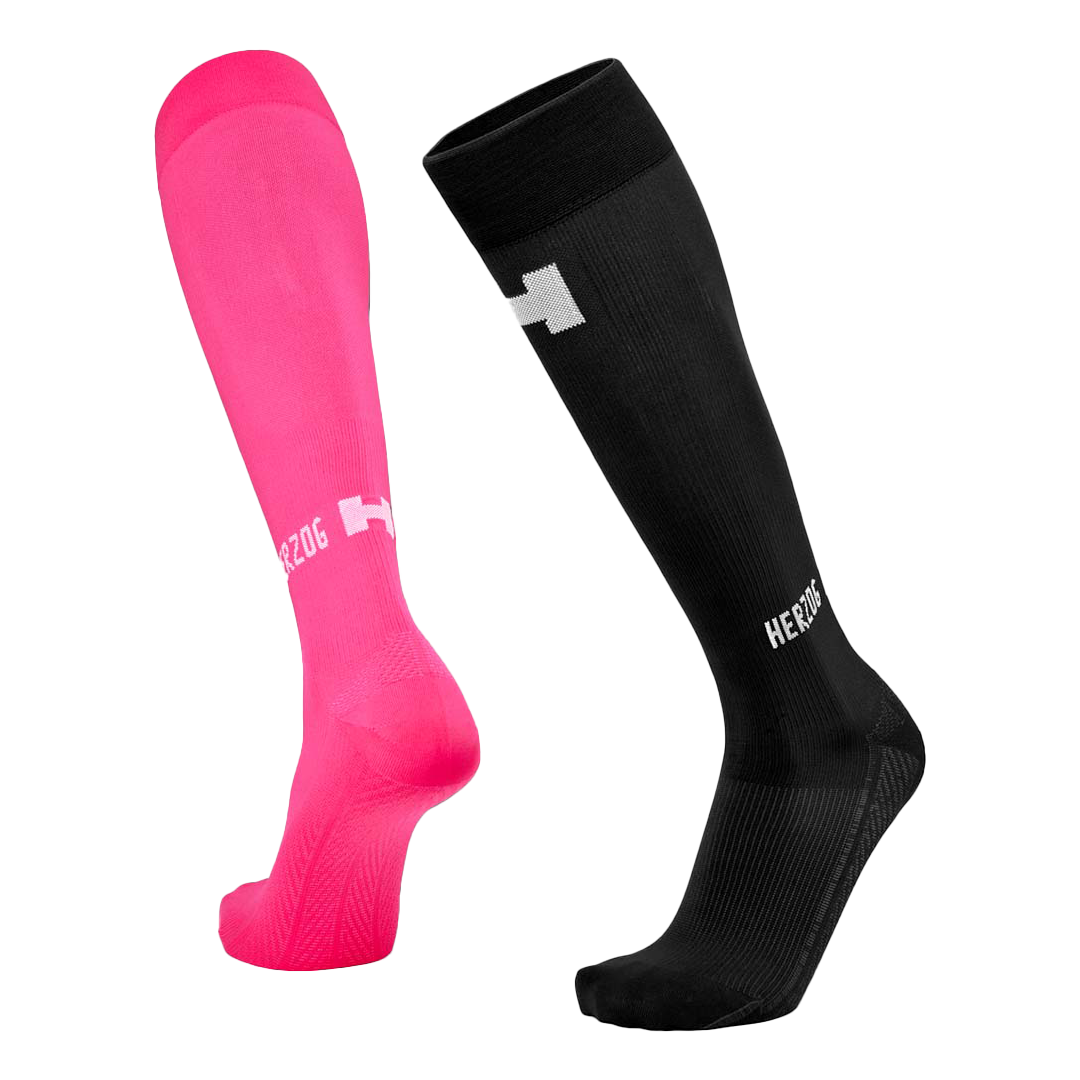
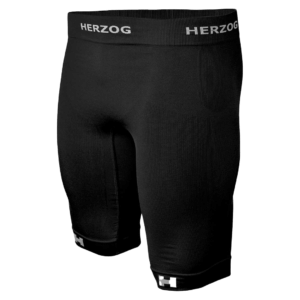
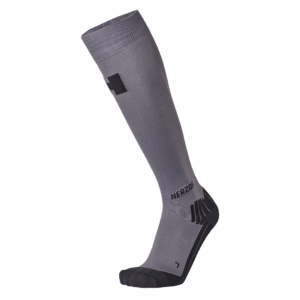
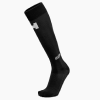
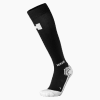
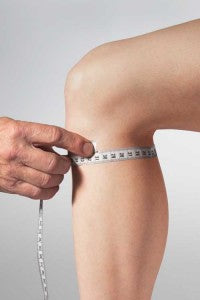
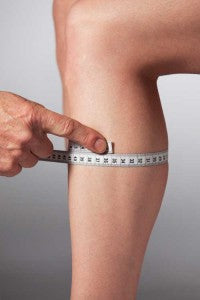
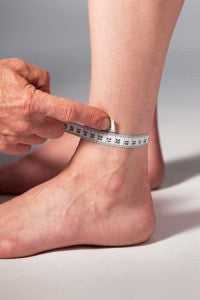
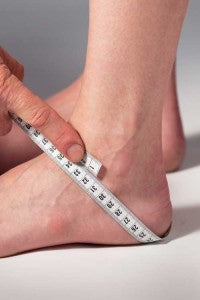
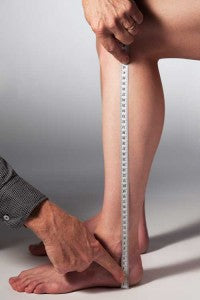
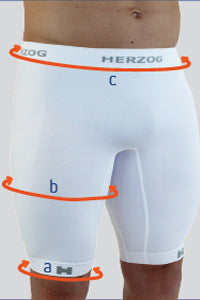
The Herzog compression socks were originally developed from medical compression technology and are measured at multiple points on the leg for a precise fit. This ensures the compression fits snugly around the calf and ankle.

The socks provide targeted compression around the lower leg and support blood circulation during daily activities. Many women therefore use compression socks not only during sports, but also at work, while traveling, or during pregnancy when legs feel heavy or tired more quickly.

When do heavy legs usually start during pregnancy?

That varies per person. Some women notice it as early as the first trimester, but symptoms usually start from the second trimester when the abdomen grows and pressure on the blood vessels increases.

Often, the symptoms further increase towards the end of pregnancy.

Are swollen ankles during pregnancy normal?

Mild fluid retention during pregnancy is common, especially around the feet and ankles. Especially on warm days or at the end of the day, ankles can swell.

If you are concerned about sudden, extreme swelling or if you experience other symptoms, always contact your midwife or doctor.

More about swollen ankles