What happens in your muscles during prolonged exertion

Whether you're running a marathon, going for a long walk, cycling a race, or on your feet all day: prolonged exertion demands a lot from your muscles. Often, you only notice this after a while. Your legs feel heavier, your muscles get more tired, and it becomes increasingly difficult to maintain the same pace.

But what actually happens in your muscles during prolonged exertion? Why do muscles get tired? And how can you best support them during and after exercise?

Side Image

Muscles are constantly at work

With every movement, muscles contract and then relax. For this, they need energy. During a short burst of activity, the body can use readily available energy reserves. However, during prolonged exertion, the body switches to other energy systems.

During activities such as:

muscles must perform for hours.

This not only requires energy but also an efficient supply of oxygen and nutrients.

The role of oxygen during exertion

When muscles are active, their need for oxygen increases. Oxygen and nutrients are transported to the muscle cells via the blood.

The more intense or prolonged the exertion, the harder the body must work to maintain this supply.

At the same time, waste products are created that need to be removed. Blood circulation also plays an important role in this.

Side Image

Why Muscles Get Tired

Muscle fatigue is not caused by a single factor. Several processes play a role simultaneously.

Energy Stores Deplete

Muscles use glycogen as an important fuel source. As exertion lasts longer, these stores decrease.

When available energy decreases, you notice that:

  • It's harder to maintain pace
  • Muscles feel heavier
  • Power output decreases

Waste Products Accumulate

During muscle activity, various substances are produced that need to be removed.

When the load is high, this can contribute to the feeling of fatigue that many athletes recognize during long periods of exertion.

Muscle Vibrations Increase

During every step or movement, small vibrations occur in the muscles. With prolonged exertion, these vibrations repeat thousands of times.

Especially during running, the calf and thigh muscles are constantly exposed to shocks and impact.

Over time, it takes more and more energy to absorb these vibrations.

Why Your Legs Start to Feel Heavier

Many athletes notice that their legs feel different at the end of a long workout than at the beginning.

This is because several factors combine:

  • Muscle fatigue
  • Reduced energy stores
  • Accumulation of fluid
  • Prolonged muscle strain
  • Increasing muscle vibrations

The result is the familiar feeling of heavy legs.

Products in this blog

Side Image

What happens after exertion?

As soon as you stop exercising, the recovery process begins.

The body immediately starts working on:

  • Repairing muscle tissue
  • Replenishing energy reserves
  • Draining waste products
  • Restoring fluid balance
  • Adapting to the training stimulus

It is precisely during this phase that the foundation for future performance is laid.

Why recovery is just as important as training

Many athletes focus entirely on their training schedule, while the actual progress largely takes place during recovery.

When recovery is insufficient, complaints such as:

  • Tired legs
  • Stiff muscles
  • Prolonged muscle soreness
  • Reduced performance
  • Overload

Therefore, more and more athletes are paying attention to recovery strategies that support the body after prolonged exertion.

How compression supports muscles during prolonged exertion

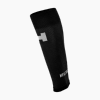
During prolonged exertion, the calf muscles, in particular, endure a lot. With every step, pedal stroke, or jump, they are loaded again.

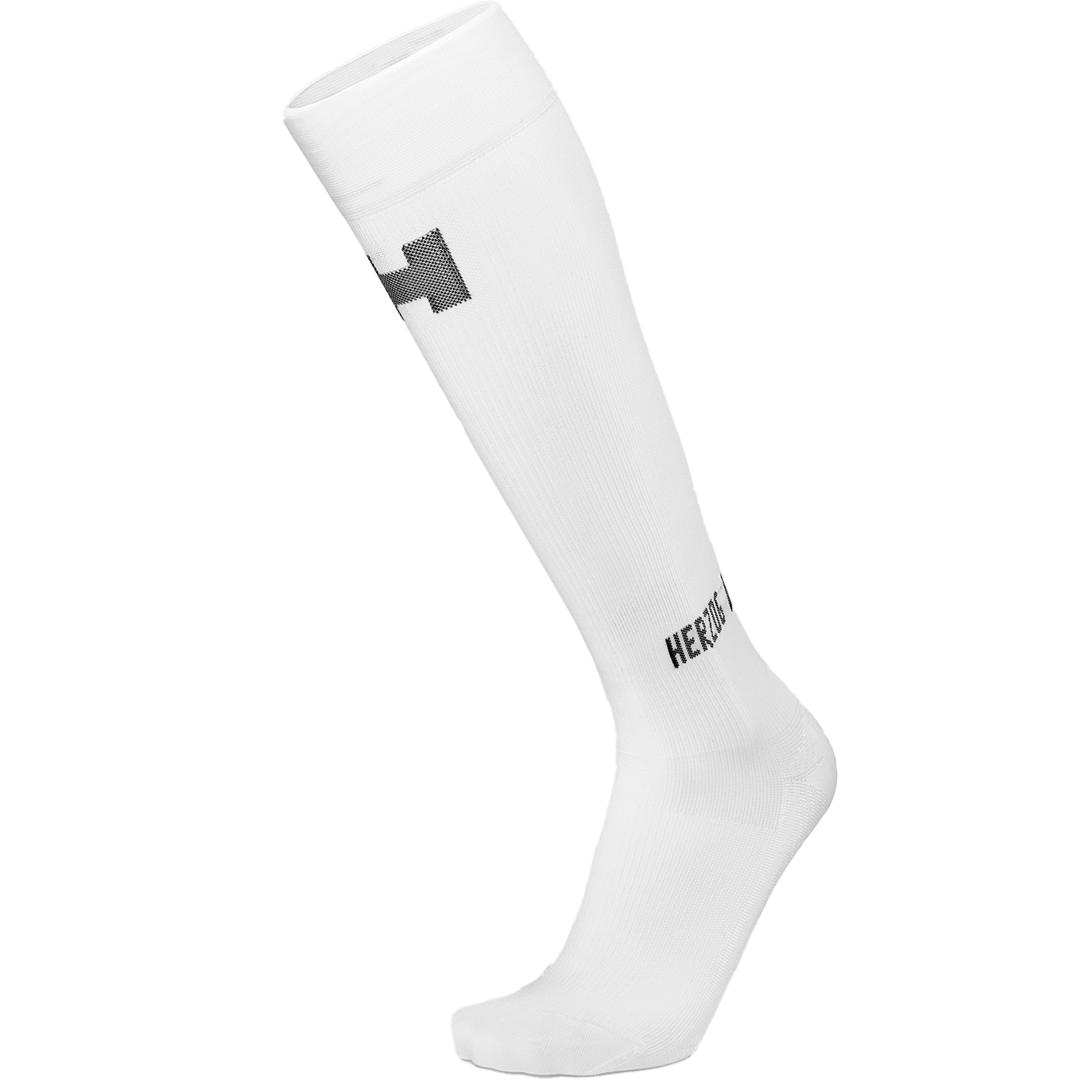
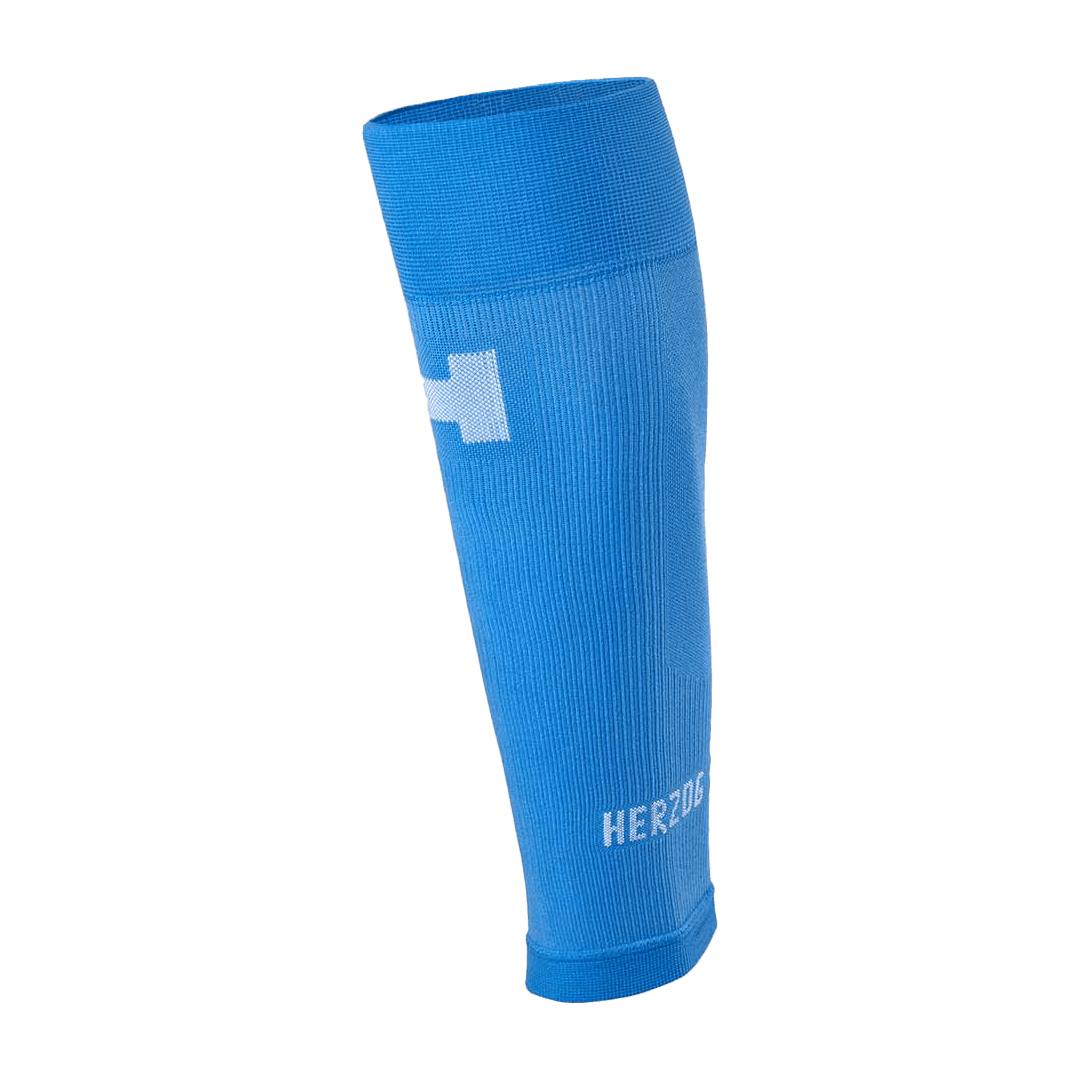
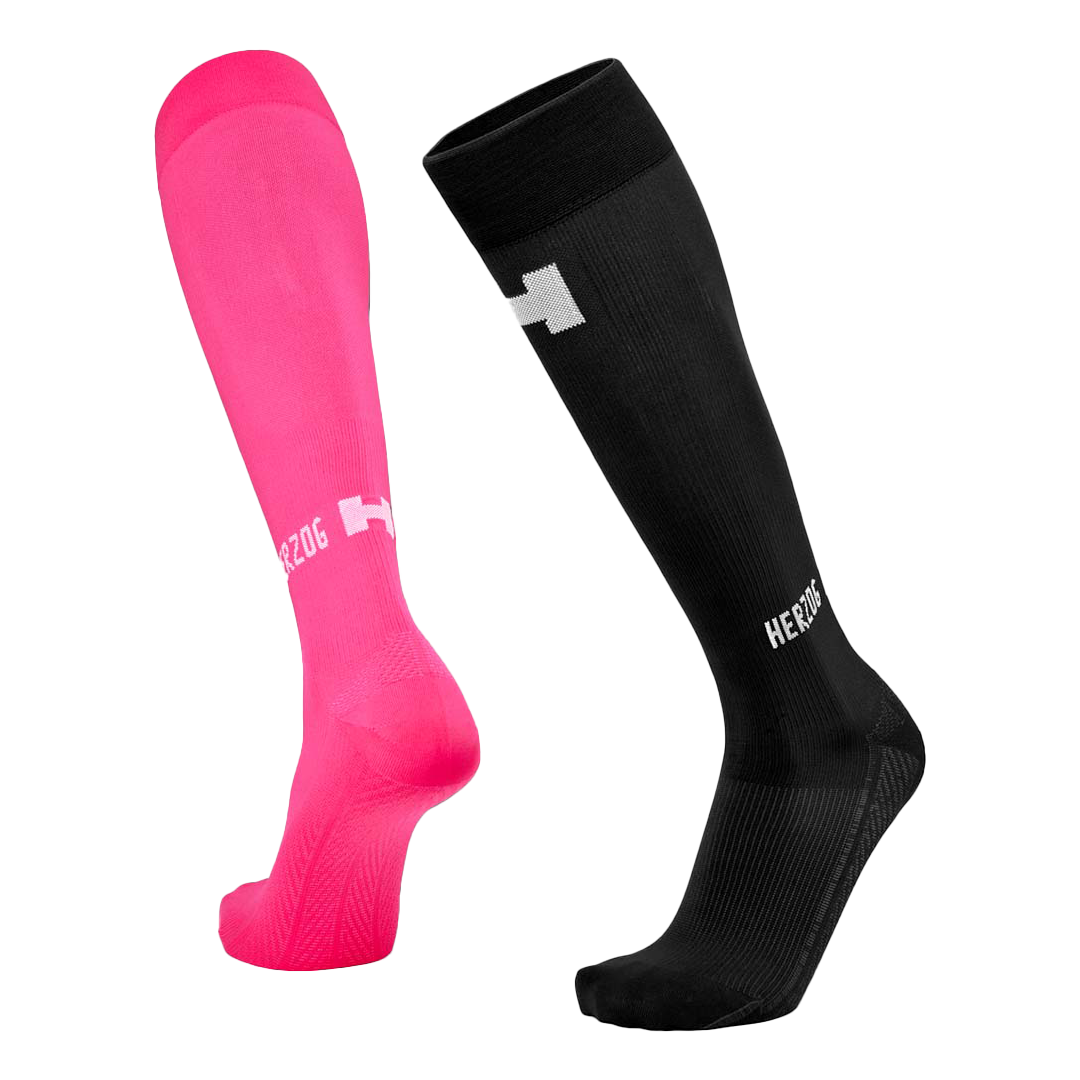
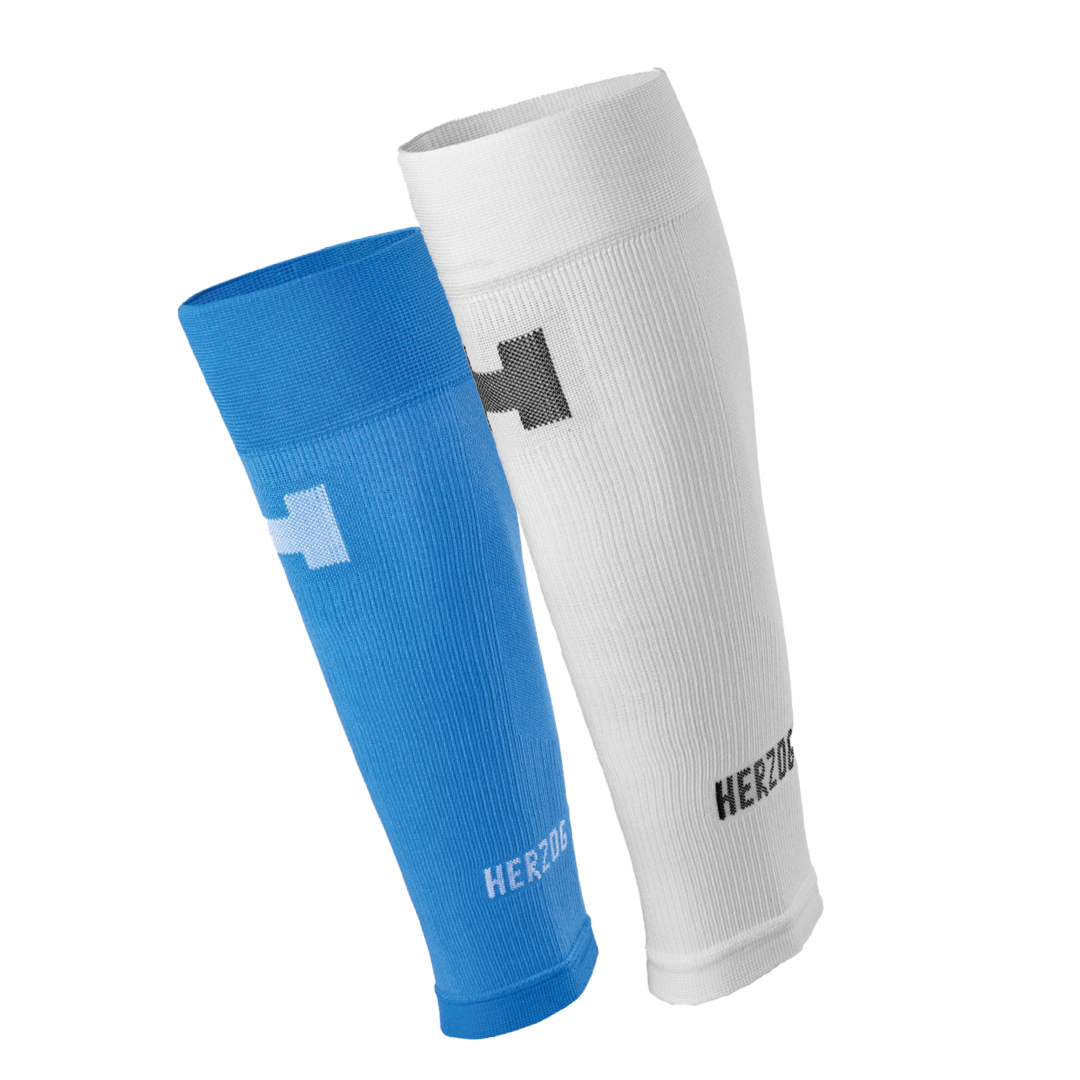
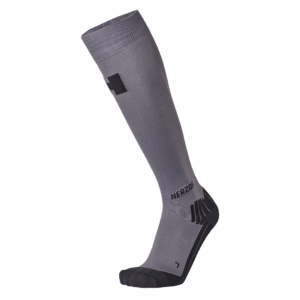
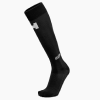
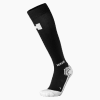
The Herzog PRO Compression Socksare developed to support the lower leg muscles during this exertion.

Through gradual compression:

  • Blood circulation is supported
  • Muscle vibrations are reduced
  • Legs feel more stable
  • Many athletes experience less tired legs during long exertions

Especially during activities where the calf muscles perform thousands of repetitions, that support can make a noticeable difference.

Why Herzog is different from standard compression socks

Compression only works optimally when the pressure is precisely matched to the leg.

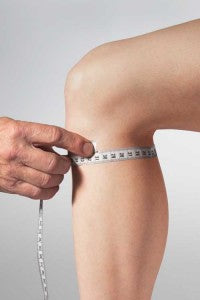
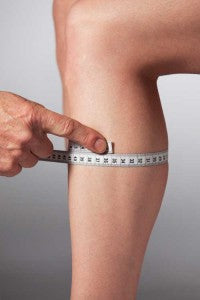
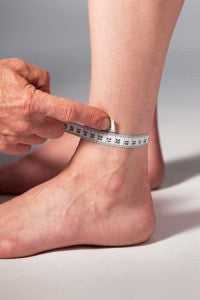
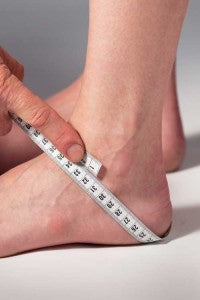
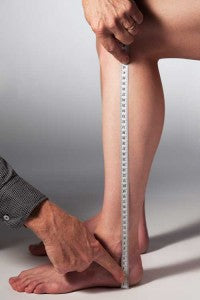
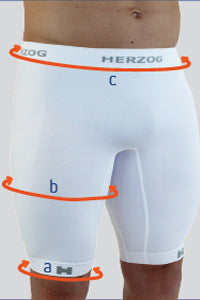
That is why Herzog works with a unique sizing systembased on six measuring points around the lower leg. This results in a much more precise fit than with compression socks that are chosen solely based on shoe size.

In addition, Herzog PRO Compression Socks are characterized by:

  • A medically substantiated pressure profile
  • More than 50 different size variations
  • Gradual compression from ankle to knee
  • An MDR certificationfor sports compression
  • Years of application in elite sports

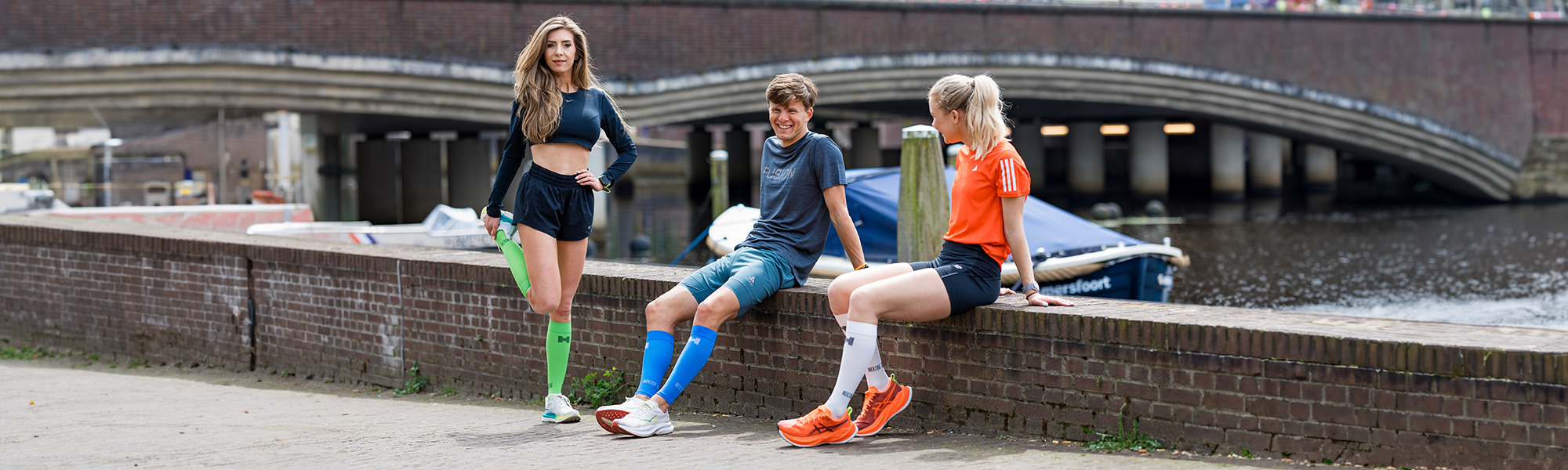
It's no coincidence that Herzog products are used by recreational athletes and professional teams such as Alpecin-Premier Tech, SC Heerenveenand NAC Breda.

Conclusion

During prolonged exertion, your muscles do an enormous amount of work. They consume energy, process oxygen, remove waste products, and absorb thousands of shocks and muscle vibrations.

The longer the effort lasts, the greater the strain on the muscle tissue. Therefore, both support during exertion and good recovery are important for every athlete.

With Herzog's medical compression technology, many athletes choose to optimally support their muscles during long training sessions, competitions, and recovery periods. Because the better your muscles cope with exertion, the better you can continue to perform.