Why compression is popular among marathon runners and endurance athletes

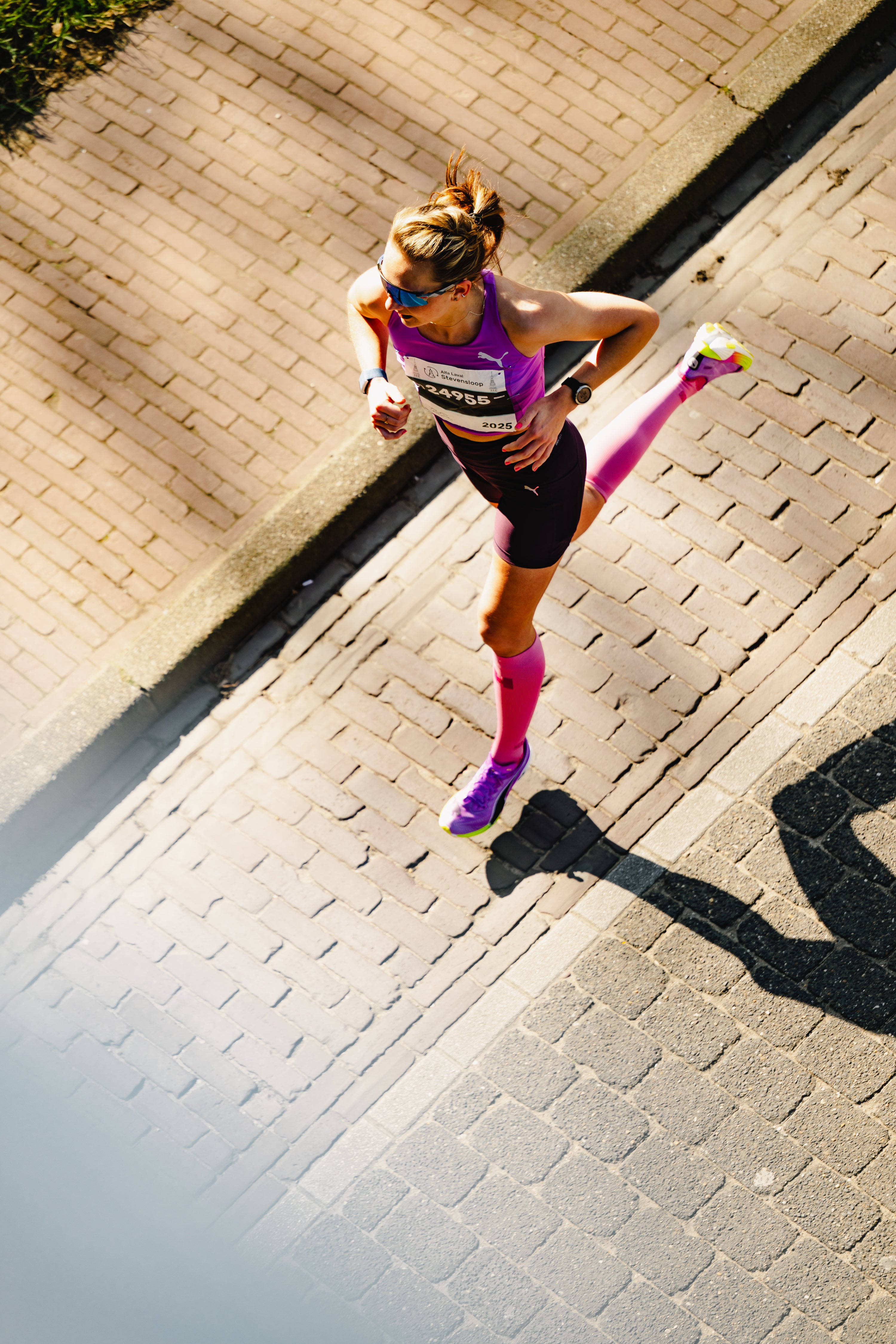
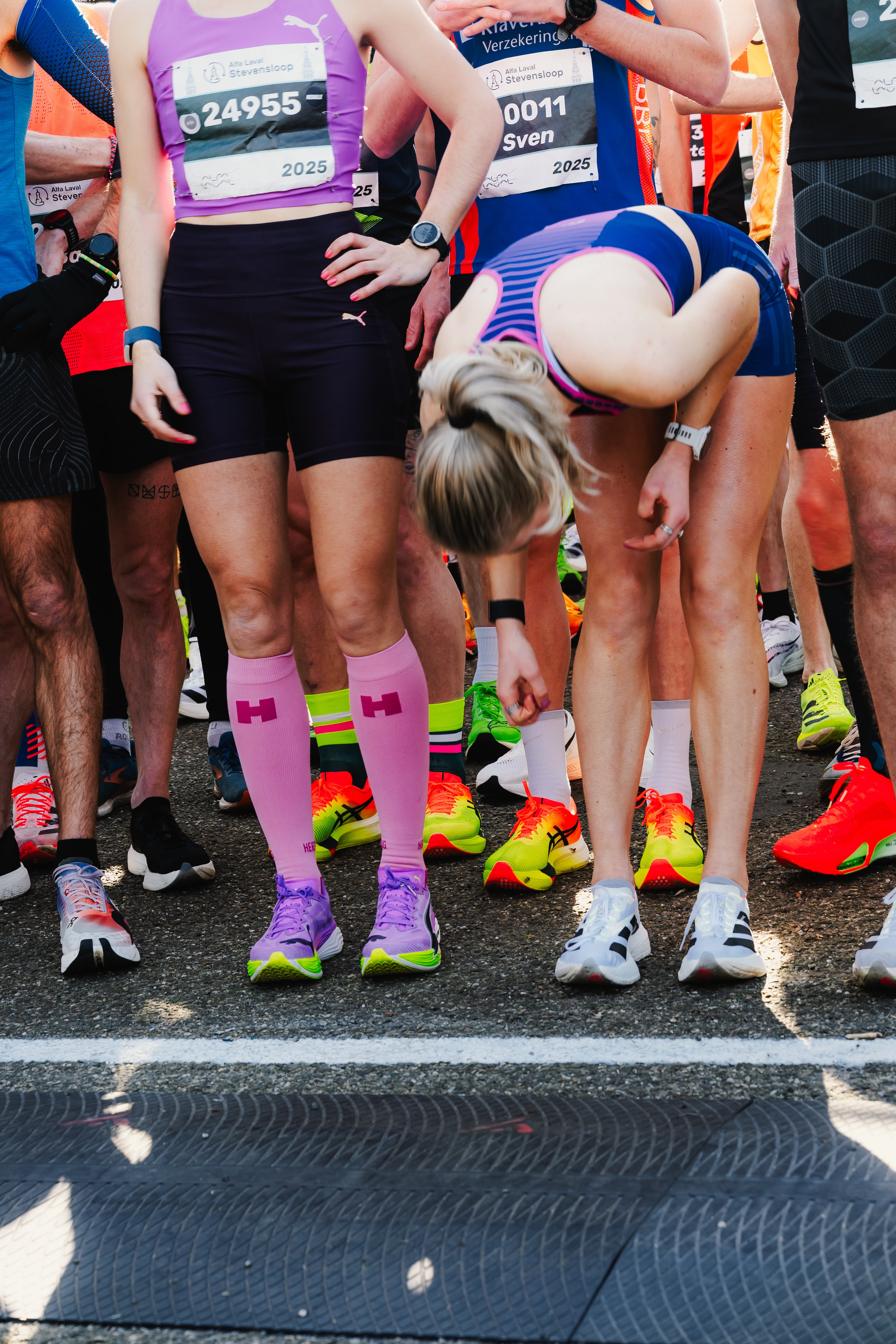
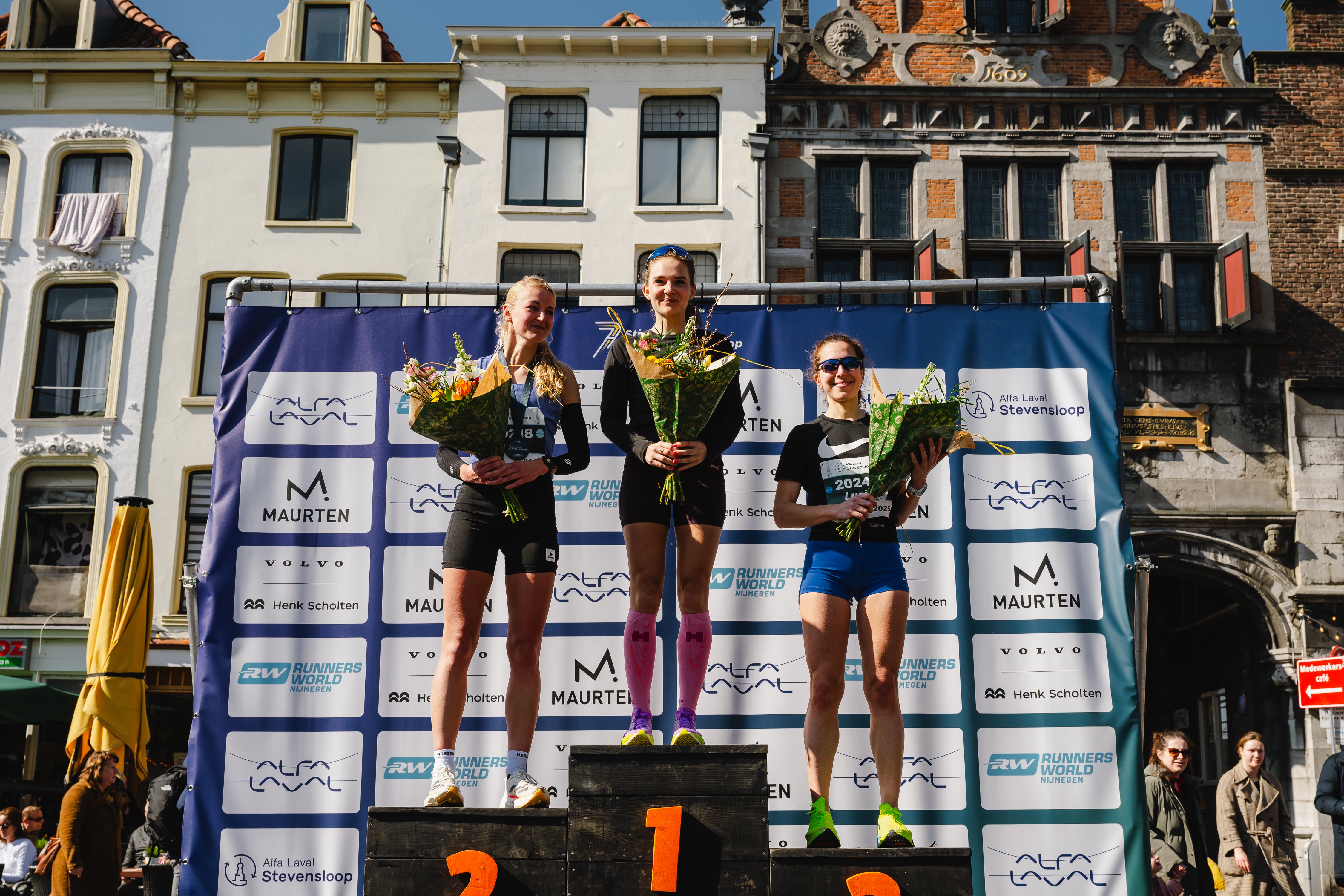
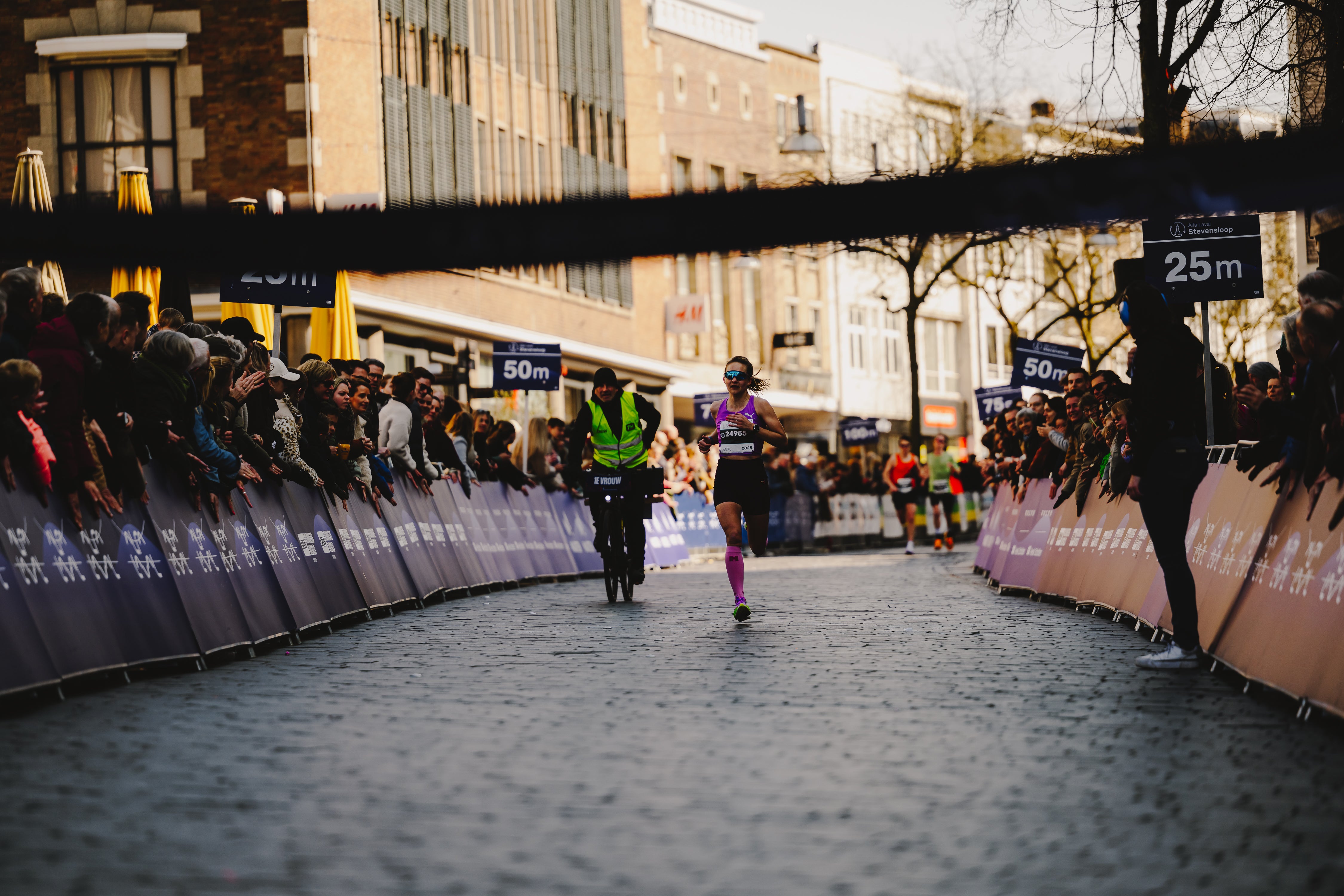
Run a marathon, trail run, triathlon, or long cycling tour and chances are you'll see many athletes wearing compression socks. While compression used to be primarily associated with the medical world, it is now a standard part of many endurance athletes' gear.

But why do so many marathon runners, triathletes, cyclists, and hikers opt for compression? And what makes compression particularly interesting during prolonged efforts?

Side Image

Endurance Sports Demand a Lot from the Body

Endurance sports are all about repetition. A marathon runner takes tens of thousands of steps during a race. A cyclist makes thousands of pedal strokes, and a hiker can be on the go for hours on end during a long trek.

During these efforts, muscles are constantly stressed.

Especially the:

experience a large amount of repetitive movements.

The longer the effort lasts, the more important it becomes to deal with this load efficiently.

Why the calves endure so much

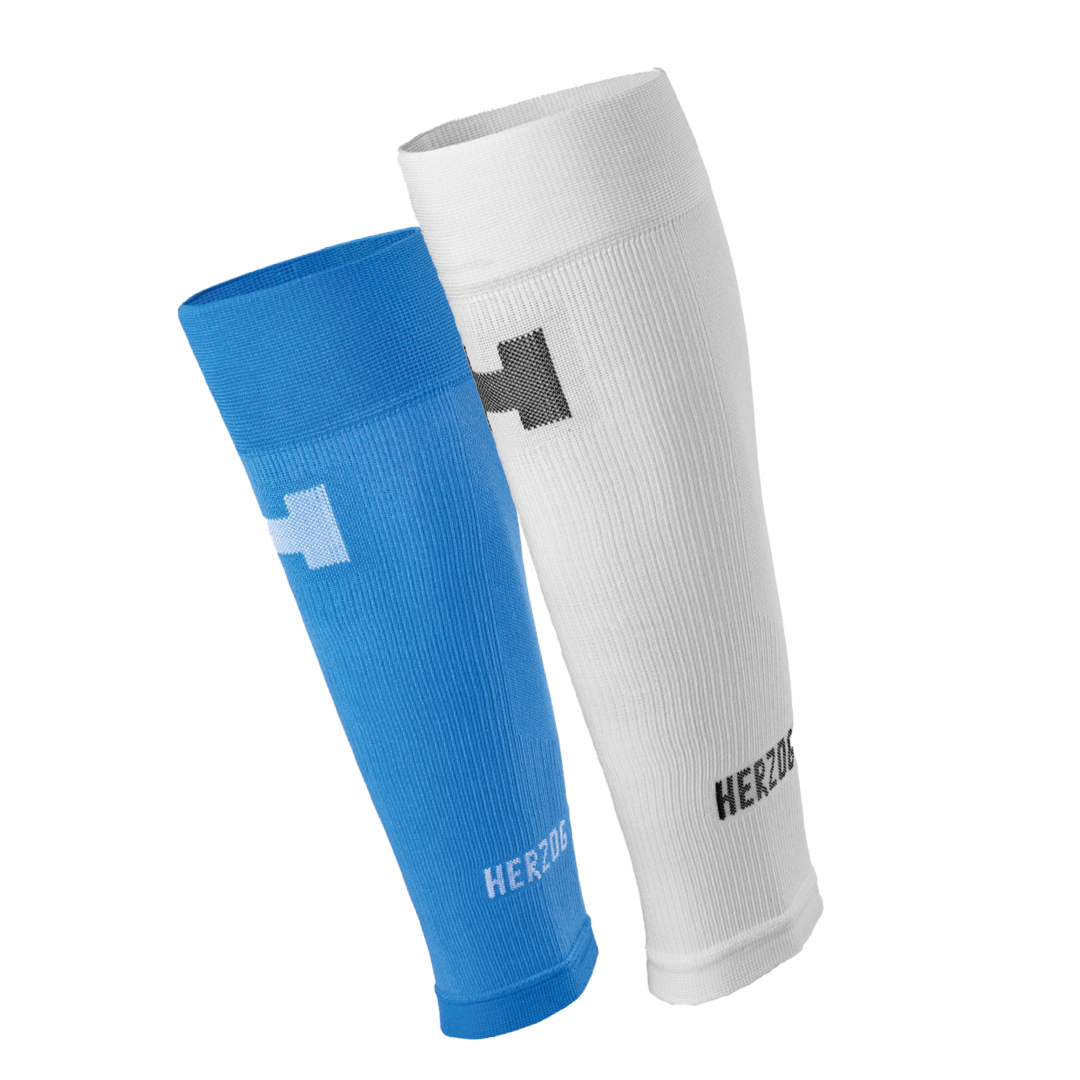
When running, the calves play a crucial role in every step. They absorb shocks, stabilize the lower leg, and provide the push-off for forward momentum.

During a marathon, the calf muscles can contract and relax thousands of times.

Over time, athletes may consequently experience:

  • Tired calves
  • Heavy legs
  • Muscle stiffness
  • A diminishing feeling of freshness

Precisely for this reason, many marathon runners look for ways to optimally support their lower legs.

The role of muscle vibrations

With every landing during running, small muscle vibrations occur.

These vibrations are completely normal, but during prolonged efforts, they are repeated thousands of times. This means muscles continuously have to use energy to absorb these movements.

Compression is often used to support and limit these muscle vibrations.

Many endurance athletes consequently experience more muscle stability during long training sessions and competitions.

Support during prolonged efforts

A marathon or long endurance training requires not only fitness but also muscle endurance.

Especially when the load continues for hours, support for the lower leg muscles can provide a comfortable feeling.

Side Image

Compression and recovery

For many endurance athletes, the use of compression doesn't stop at the finish line.

After a strenuous training session or competition, the recovery processbegins immediately. Muscles need to recover from the strain they have endured, and the body works to replenish energy reserves.

Many athletes therefore also wear compression socks after their exertion as part of their recovery routine.

Why marathon runners are critical of their equipment

Anyone who trains for months for a marathon knows that every detail counts.

Runners pay attention to:

  • Shoes
  • Nutrition
  • Hydration
  • Training schedules
  • Recovery

Compression socks are increasingly seen as part of that total preparation.

Not because they replace training, but because they offer support during a period when the body endures a lot.

Why many endurance athletes choose Herzog

Within the world of compression, there are major differences between products. For a marathon runner or triathlete who is on the go for hours, fit becomes extra important.

When a compression sock slips down, chafes, or doesn't fit properly, it can become bothersome during a long effort.

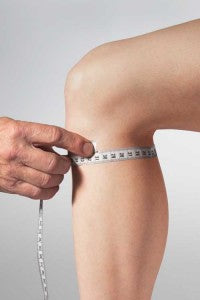
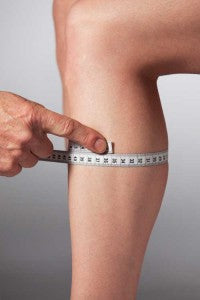
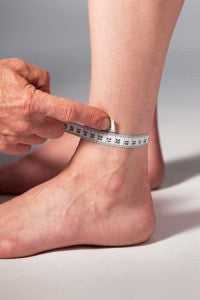
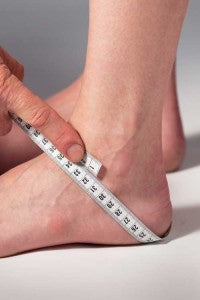
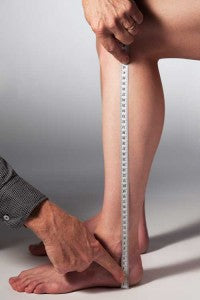
That's why Herzog works with a sizing system based on six measurement points of the lower leg.

This results in a precise fitthat conforms to the shape of your leg.

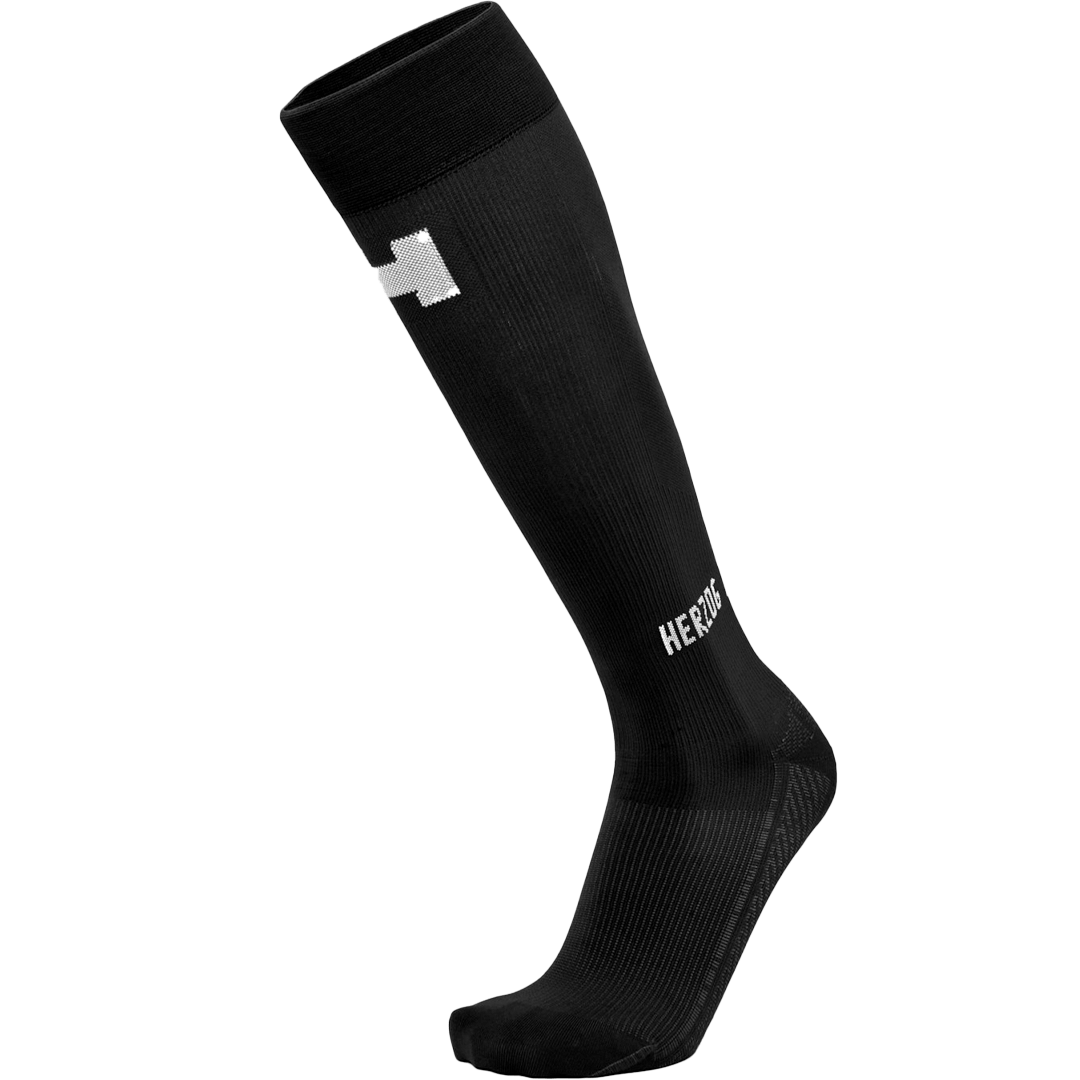
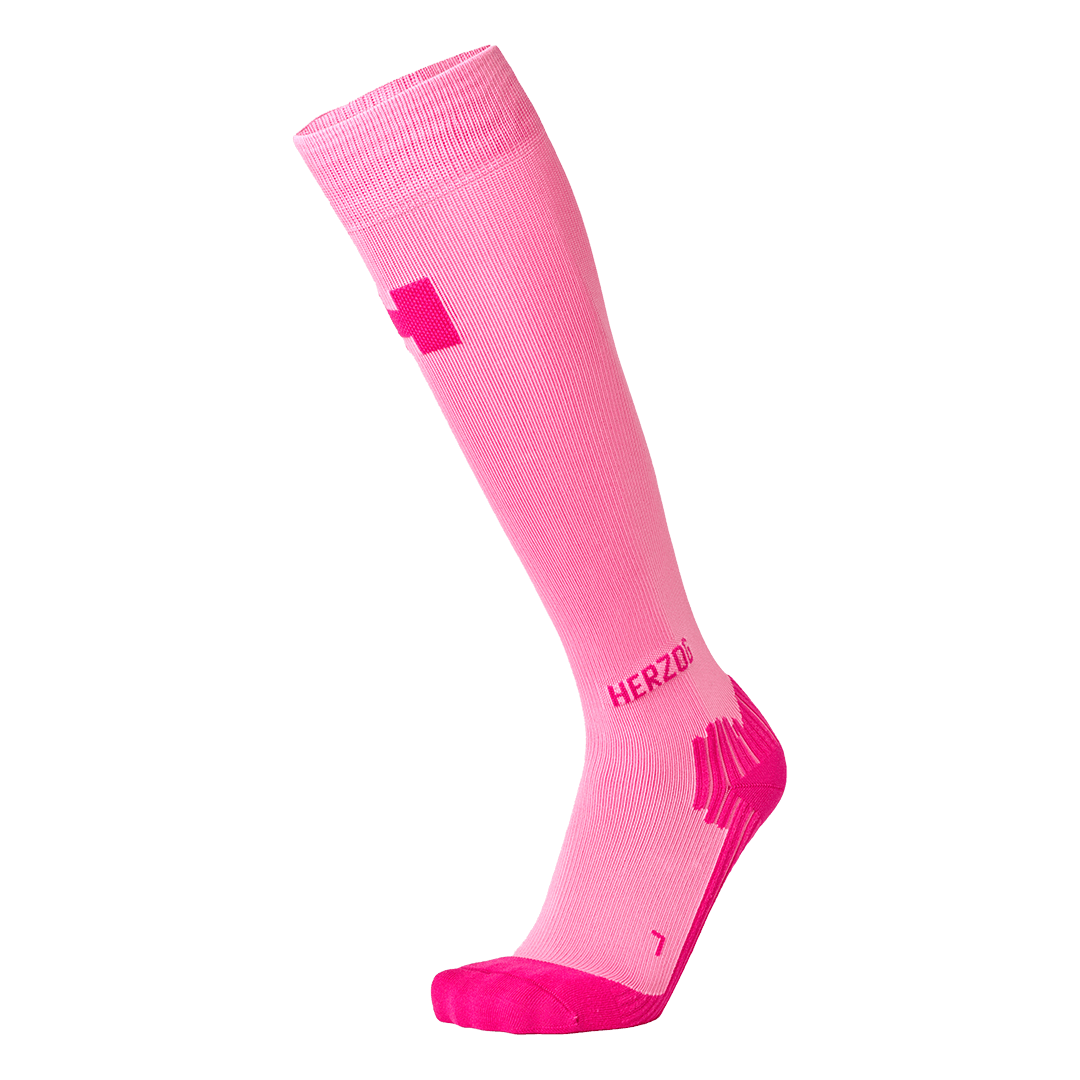
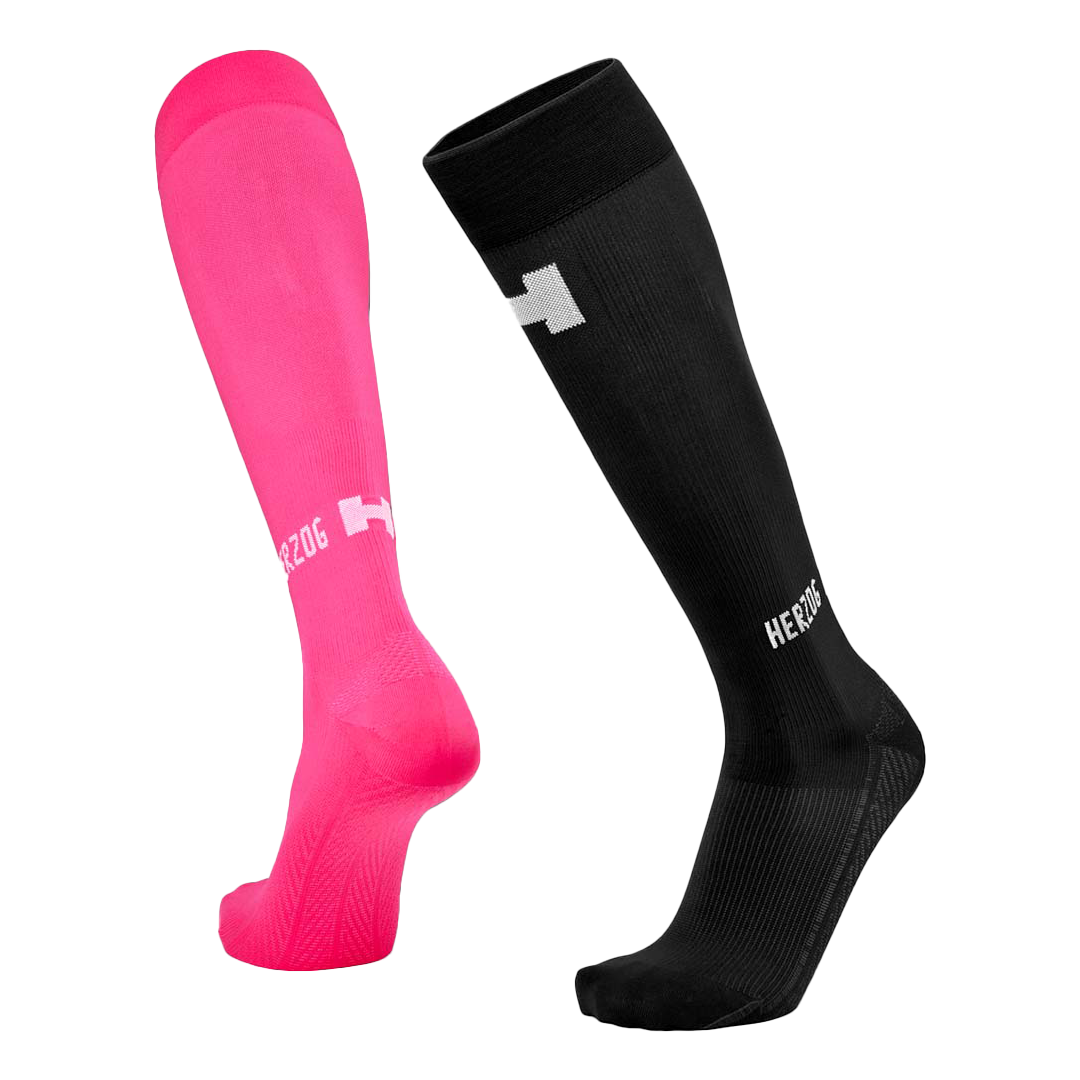
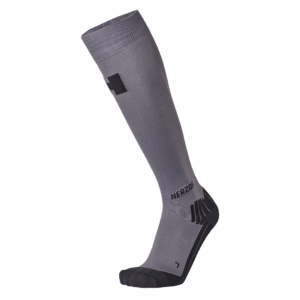
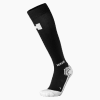
In addition, the Herzog PRO Compression Socksare characterized by:

  • Graduated compression from ankle to knee
  • More than 50 different size variants
  • A medically substantiated pressure profile
  • A seamless finish
  • MDR certificationfor sports compression

This combination makes the socks popular among both recreational and ambitious endurance athletes.

Products in this blog

Side Image

Top athletes also choose compression

The use of compression has been common practice in elite sports for years.

Professional athletes are constantly looking for ways to optimally support their bodies during training, competition, and recovery.

It's no coincidence that Herzog collaborates with organizations such as Alpecin-Premier Tech, SC Heerenveen, and NAC Breda. The knowledge gained in these professional environments is then applied to products for every athlete.

Is compression only interesting for marathon runners?

Absolutely not.

While marathon runners may be the best-known user group, compression is also widely worn by:

  • Recreational runners
  • Hikers
  • Triathletes
  • Cyclists
  • Hyrox athletes
  • Athletes recovering from intense training weeks

Any sport where the legs are subjected to prolonged stress can benefit from good support.

Conclusion

Compression is popular among marathon runners and endurance athletes because prolonged efforts demand a lot from muscles, tendons, and circulation. During training and competitions, athletes look for ways to optimally support their legs and continue to move comfortably.

With a precise fit, gradual compression, and medical background, Herzog PRO Compression Socks are a logical choice for many endurance athletes. Not because compression does the miles for you, but because it helps you cover those miles as comfortably as possible.