The hysteresis effect of Herzog compression stockings: what does it mean?

The Herzog compression stocking was developed to do more than just fit tightly around your leg. Behind the stocking's effectiveness lies a combination of specially developed yarns, a precise knitting process, and a controlled compression gradient.

But what exactly happens inside the Herzog stocking? And why is hysteresis relevant to the way the stocking behaves while moving?

Side Image

What is the hysteresis effect?

Hysteresis describes the difference between the way an elastic material behaves during stretching and during retraction.

With Herzog compression stockings, the elastic yarns are constantly in motion. When you put on the stocking, the yarns are stretched. During movement, the tension in the yarns then changes repeatedly. When the load decreases, the yarns relax again.

The stretching and relaxing process does not occur in exactly the same way. The tension created at a certain stretch is different during stretching than during retraction. We call this difference hysteresis.

For a regular sock, this effect is hardly relevant to the product's performance. For a Herzog compression stocking, where the properties of the yarn are a direct component of the compression technique, this is much more important. As a user, you want the stocking to continue to exert the same pressure both at rest and during movement.

Side Image

The role of the yarns in the Herzog stocking

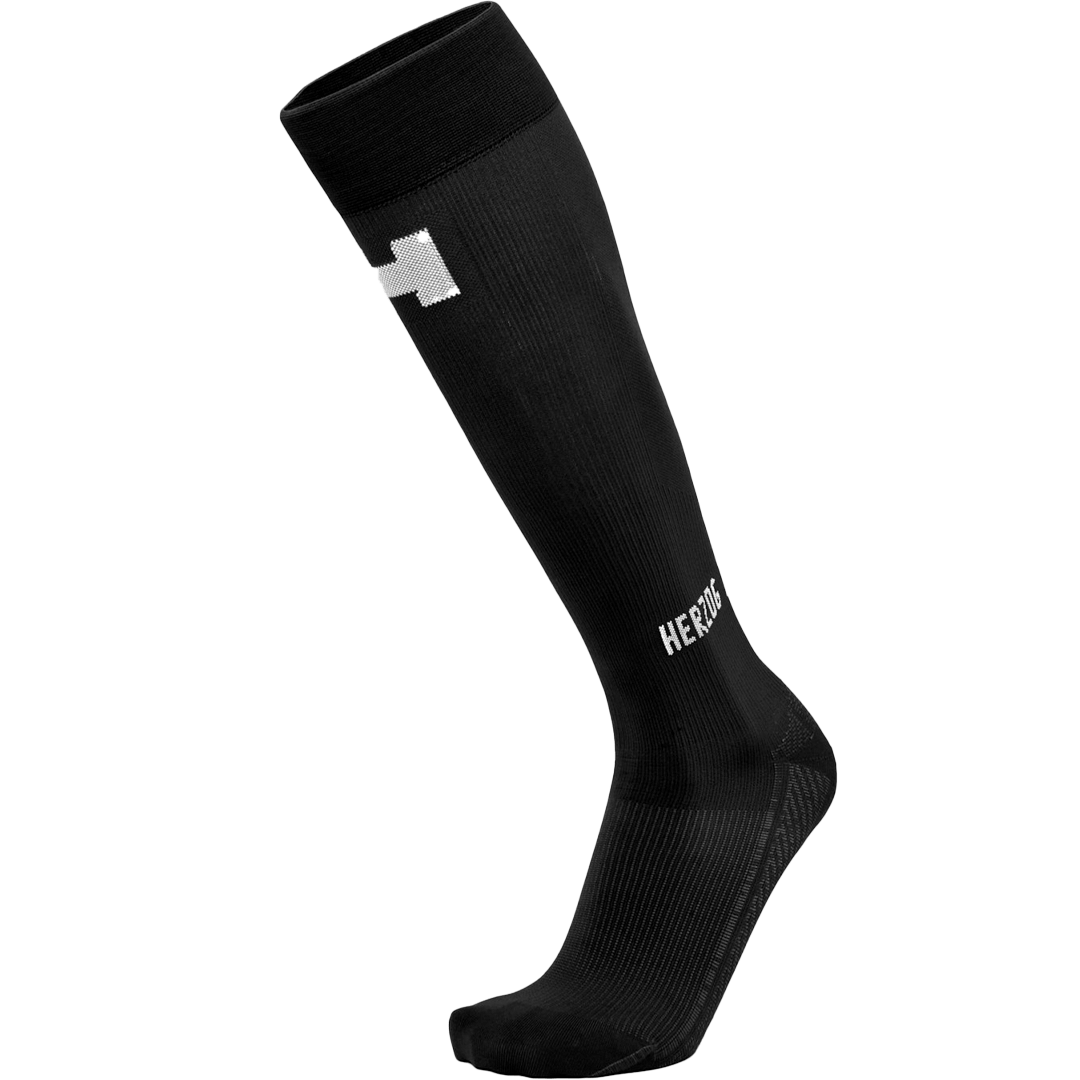
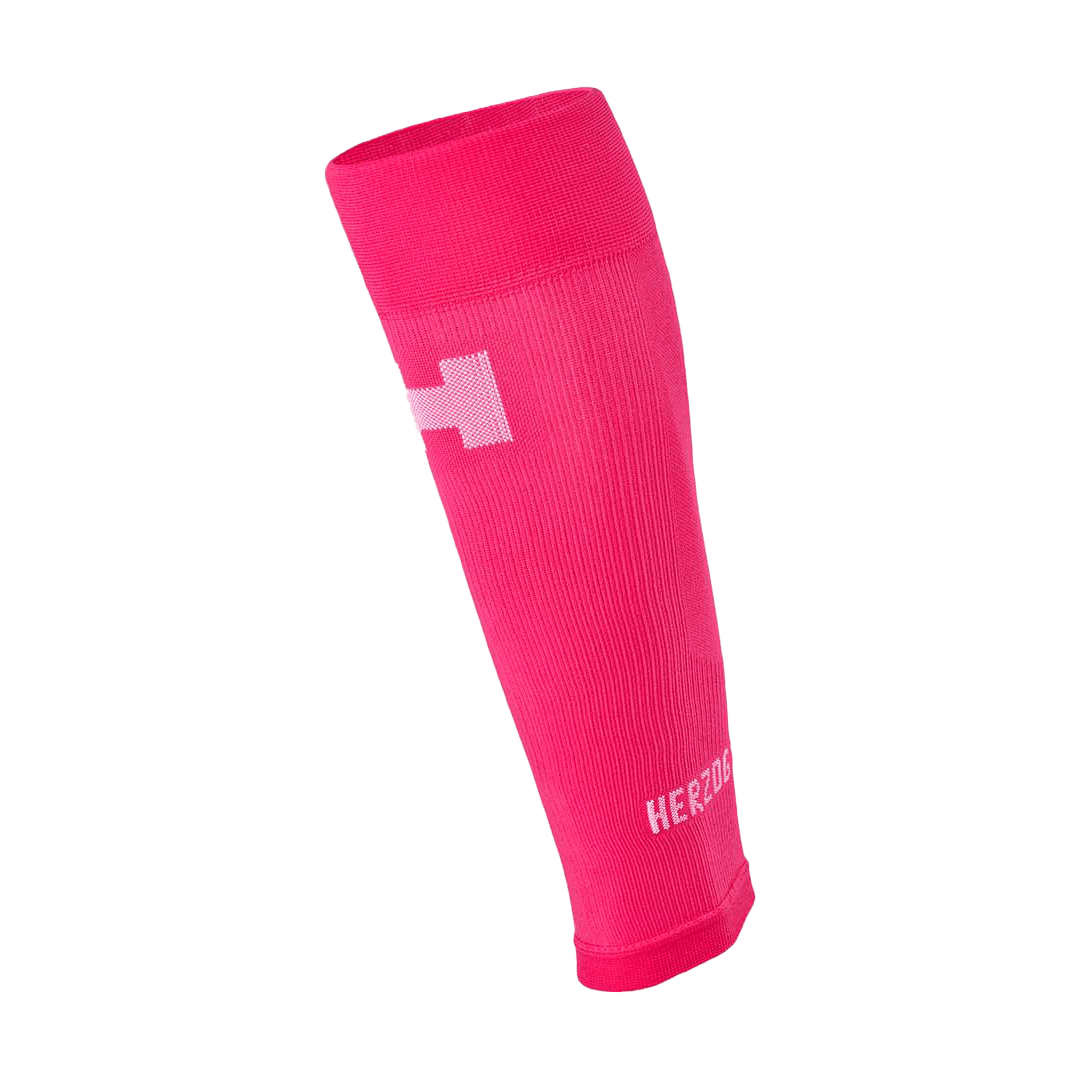
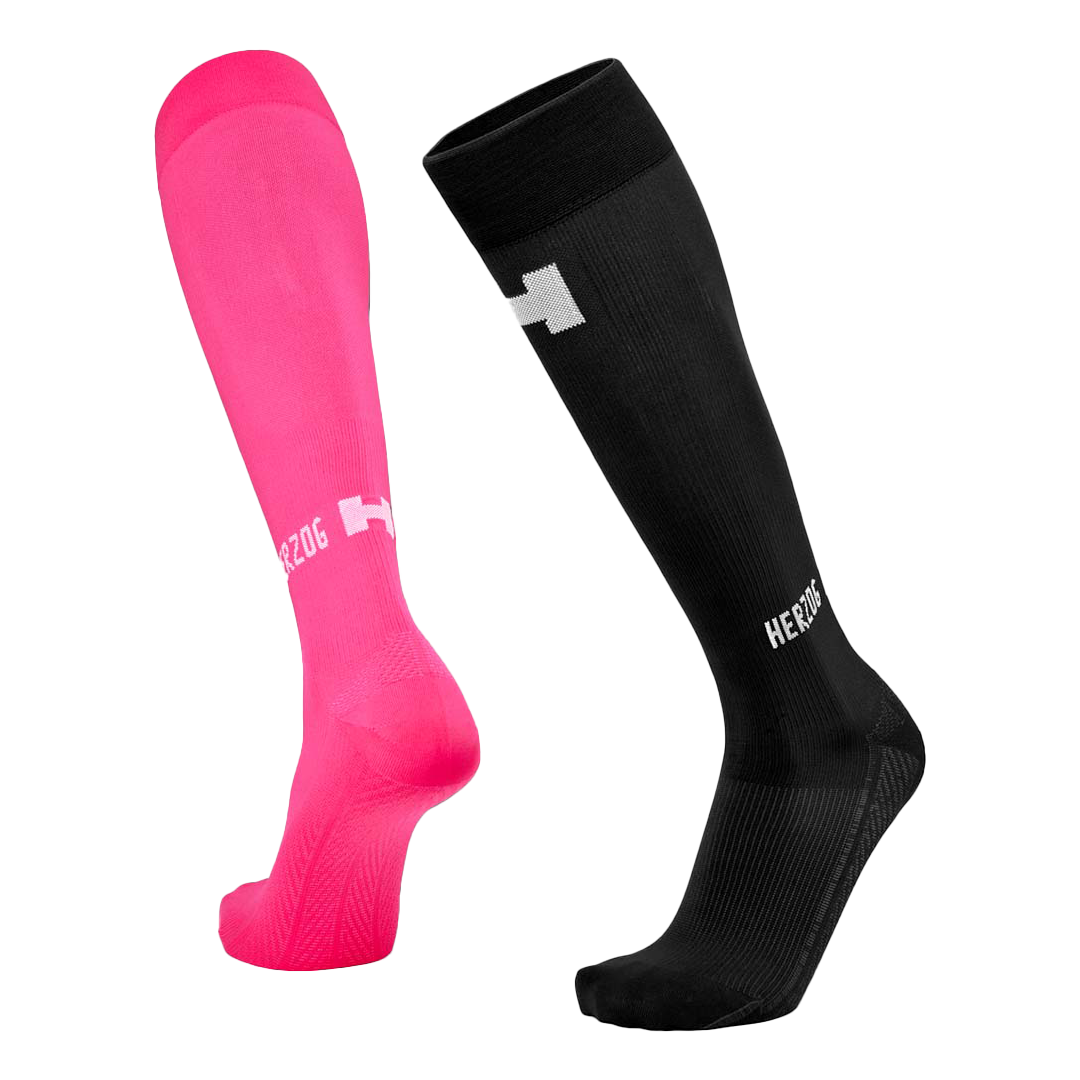
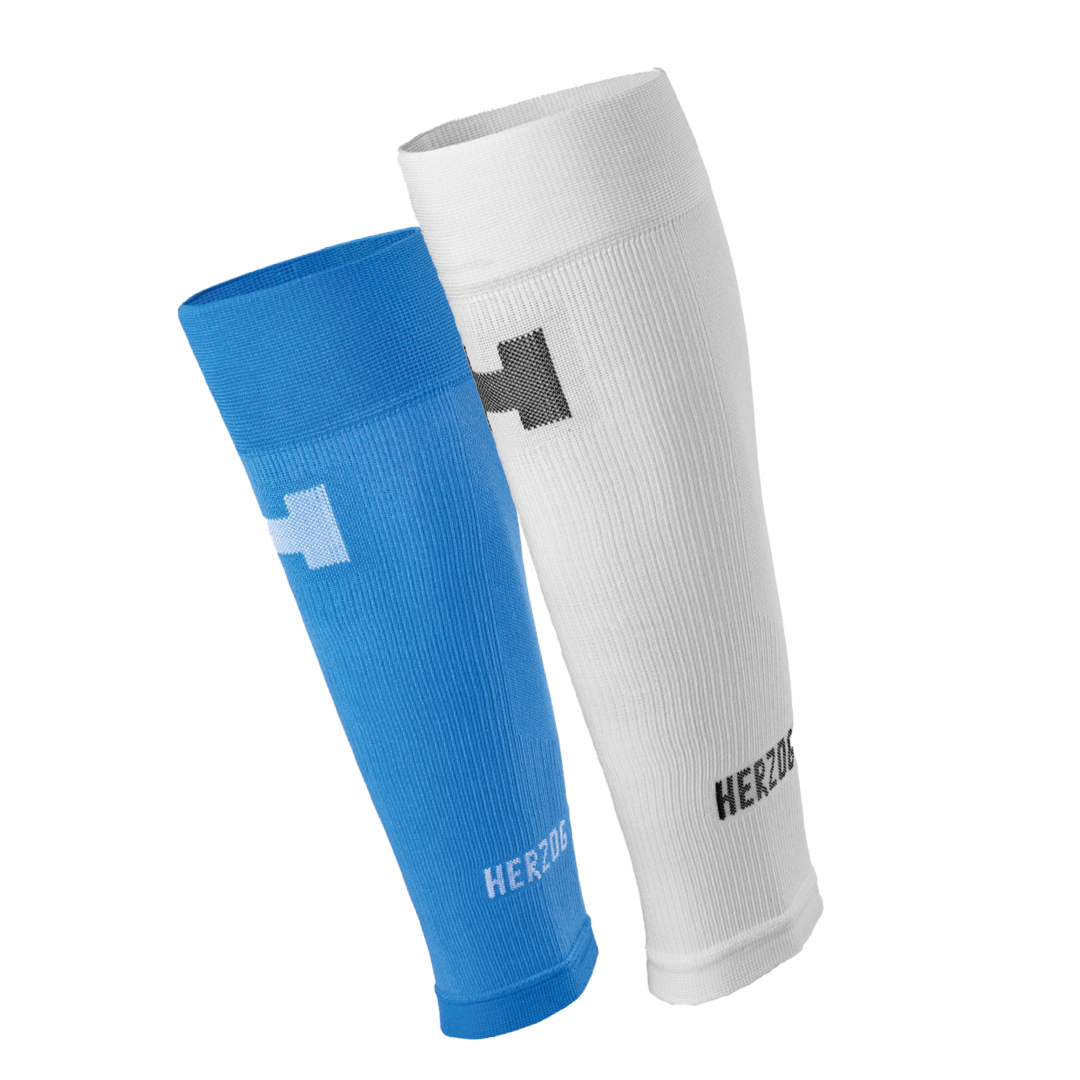
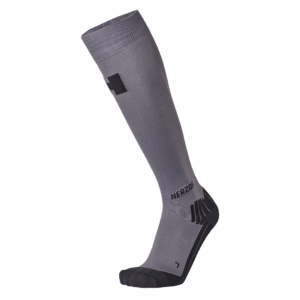
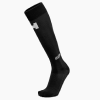
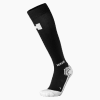
The yarns form an important part of the way in which a Herzog stocking is able to exert its compression. The PRO compression stockingsconsist of 72% polyamide, 26% elastane and 2% polyester. Elastane is particularly important for the elasticity of the stocking. It ensures that the stocking can be stretched and then shape itself around the leg again.

That sounds simple, but with a compression stocking, this must happen in a very controlled manner. The yarns must be able to stretch sufficiently to pull the stocking on and allow it to move with you, but at the same time retain enough tension to be able to provide the desired compression.

That is why the properties of the yarns used are so important to Herzog. The yarns must retain their elasticity, even when the stocking is worn and washed frequently. The hysteresis effect is therefore not about a single moment. It is specifically about the behavior of the yarns when stretched and relaxed frequently.

Products in this blog

Side Image

Hysteresis during exercise

While running, walking, or engaging in other sports, the shape of your calf changes continuously. Your muscles contract and relax, which in turn changes the circumference of your leg.

The Herzog stocking moves along with this. The yarns are loaded and then unloaded during every movement. This constantly creates a difference between the state in which the yarn is stretched and the state in which it relaxes again.

This is precisely why the hysteresis effect is interesting in a sports compression stocking. It shows that the effectiveness of the stocking is not determined solely by how tightly it fits around your leg when you are standing still. The behavior of the material during movement also plays a role.

Herzog combines these properties of the yarns with a precise compression gradient. The PRO compression stockings were developed with a medical backgroundand feature a graduated, diminishing pressure profile: the pressure is highest around the ankle and gradually decreases towards the knee.

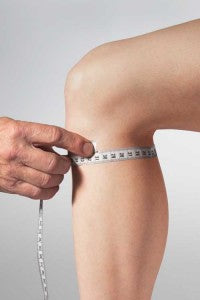
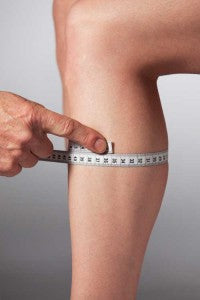
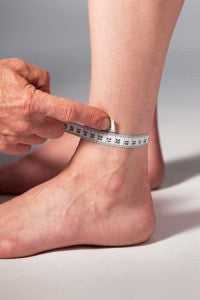
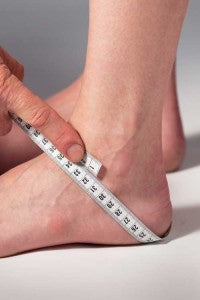
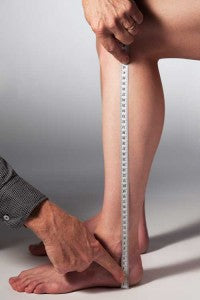
In this regard, the fitis also important. Herzog measures the leg at six points, because a shoe size or calf circumference at only one location is insufficient to determine an accurate compression gradient.

The hysteresis effect is therefore one part of a larger whole: the combination of yarns, knitting structure, compression, and sizing determines how the Herzog stocking behaves and fits around the leg, even during movement.

Hysteresis in short

Sounds technical, but the principle is quite simple:

1. You moveWhile walking or exercising, the size of your leg constantly changes because your muscles contract and relax

2. The stocking moves with youThe fabric of the compression stocking is repeatedly stretched slightly and then relaxes again.

3. The material reactsDue to the hysteresis effect, the stretching and relaxing of the material do not occur in exactly the same way. This is an inherent property of the material itself.

4. The stocking stays in placeThe combination of the material and a proper fit ensures that the stocking continues to fit snugly around your leg, even during movement.

The combination of yarns, knit structure, compression, and sizing therefore determines how the Herzog stocking behaves around the leg

Relevant blogs

Het hysterese-effect van Herzog compressiekousen: wat betekent het?
The hysteresis effect of Herzog compression stockings: what does it mean?

Discover how the hysteresis effect in the yarn of Herzog compression stockings works and why it is important during movement.

Op weg naar de Amsterdam City Walk met Herzog Medical

De Amsterdam City Walk komt eraan! Ontdek hoe je je voorbereidt op een lange wandeltocht en waarom aandacht voor je voeten, benen en herstel belangrijk is.

Compressiekousen bij een spierscheur: helpen ze bij het herstel?
Compression stockings for a muscle tear: do they help with recovery?

Discover what compression stockings can do for a muscle tear and during your recovery.

Eerste HYROX? Dit moet je weten voordat je begint
First HYROX? Here's what you need to know before you start

First HYROX on the schedule? Discover what to expect and how to prepare your body properly.

Compressiekousen bij reuma: kunnen ze ondersteuning bieden?
Compression stockings for rheumatism: can they offer support?

Pain, stiffness, swelling, or tired legs? Discover what rheumatism does to your body and what compression stockings can do for you.

Waarom dragen steeds meer voetballers compressieshorts?
Why are more and more footballers wearing compression shorts?

Discover why more and more footballers are wearing compression shorts and how targeted compression can provide support during training and matches.

Van halve naar hele marathon: waar moet je lichaam aan wennen?
From half to full marathon: what does your body need to get used to?

Discover what your body needs to get used to, what symptoms may arise, and how to properly prepare yourself for 42.2 kilometers.

Waarom sporters tijdens lange afstanden vaker compressie dragen
Why athletes more often wear compression during long distances

Discover why athletes in marathons, trail runs, and long walks increasingly wear compression and what it does for the calf and ankle.

Liesklachten bij hardlopen: waar komt het vandaan?
Groin pain during running: where does it come from?

Discover the causes of groin pain when running, which muscles are involved, and how to specifically recover and rebuild.

Peesplaatklachten: symptomen, oorzaken en wat je eraan kunt doen
Plantar Fasciitis: symptoms, causes, and what you can do about it

Read about plantar fasciitis, its symptoms, causes, and how to alleviate the discomfort.