Charley horse or calf cramp: how do you tell the difference?

Sudden sharp pain in your calf while running or exercising? You could be experiencing a calf cramp or a pulled muscle. Although both conditions can occur unexpectedly and are quite painful, they differ in cause, symptoms, and recovery. But how can you tell the difference and what is the best thing to do? We explain it in this blog! 

Charley horse or calf cramp: how do you tell the difference?

What is the difference between a charley horse and a calf cramp?

A calf cramp occurs when a calf muscle suddenly and involuntarily contracts. The muscle feels hard and tense, and moving it can be very painful temporarily. A cramp usually disappears within a few seconds to minutes, although the muscle may remain tender afterwards.

In the case of a charley horse, there is acute damage to the muscle fibers in the calf. This often happens during an explosive movement, such as sprinting, jumping, or suddenly accelerating. Athletes sometimes describe the sensation as if they have been hit or kicked in the calf.

The main difference lies in the duration and nature of the symptoms. While a calf cramp usually subsides relatively quickly, the pain from a charley horse often lasts longer, and walking or pushing off can be difficult.

Charley horse or calf cramp: how do you tell the difference?

How do you recognize the symptoms?

Although calf cramps and a pulled calf muscle both cause sudden pain in the calf, there are clear differences in the symptoms.

With a calf cramp a sudden cramping pain occurs, during which the calf muscle feels hard and tense. The pain usually disappears within a few minutes, after which moving often becomes easier again. The muscle may remain sensitive for a while, but swelling or bruising usually does not occur.

With a pulled calf muscle you usually feel a sudden, sharp pain, as if someone kicked your calf. The pain often lasts longer and the calf can be sensitive in a specific spot. Swelling or bruising can also occur. Walking, pushing off, and standing on your toes can be especially painful.

The most important difference is that a calf cramp usually disappears quickly, while a pulled calf muscle is accompanied by muscle damage and longer-lasting symptoms.

Note: these symptoms are only an indication. Persistent calf pain can also have another cause. In the event of a suddenly swollen, red, or warm calf, especially without a clear sports injury, it is important to seek medical attention on the same day.

Charley horse or calf cramp: how do you tell the difference?

What can you do for calf cramps or a pulled muscle?

The right approach depends on the cause of the pain. For calf cramps, it often helps to stop temporarily, gently stretch the calf, and move slowly. For a pulled muscle it is important not to put further strain on the muscle and to avoid intensive stretching or massage in the initial phase. A physiotherapist can help you gradually build up the load again.

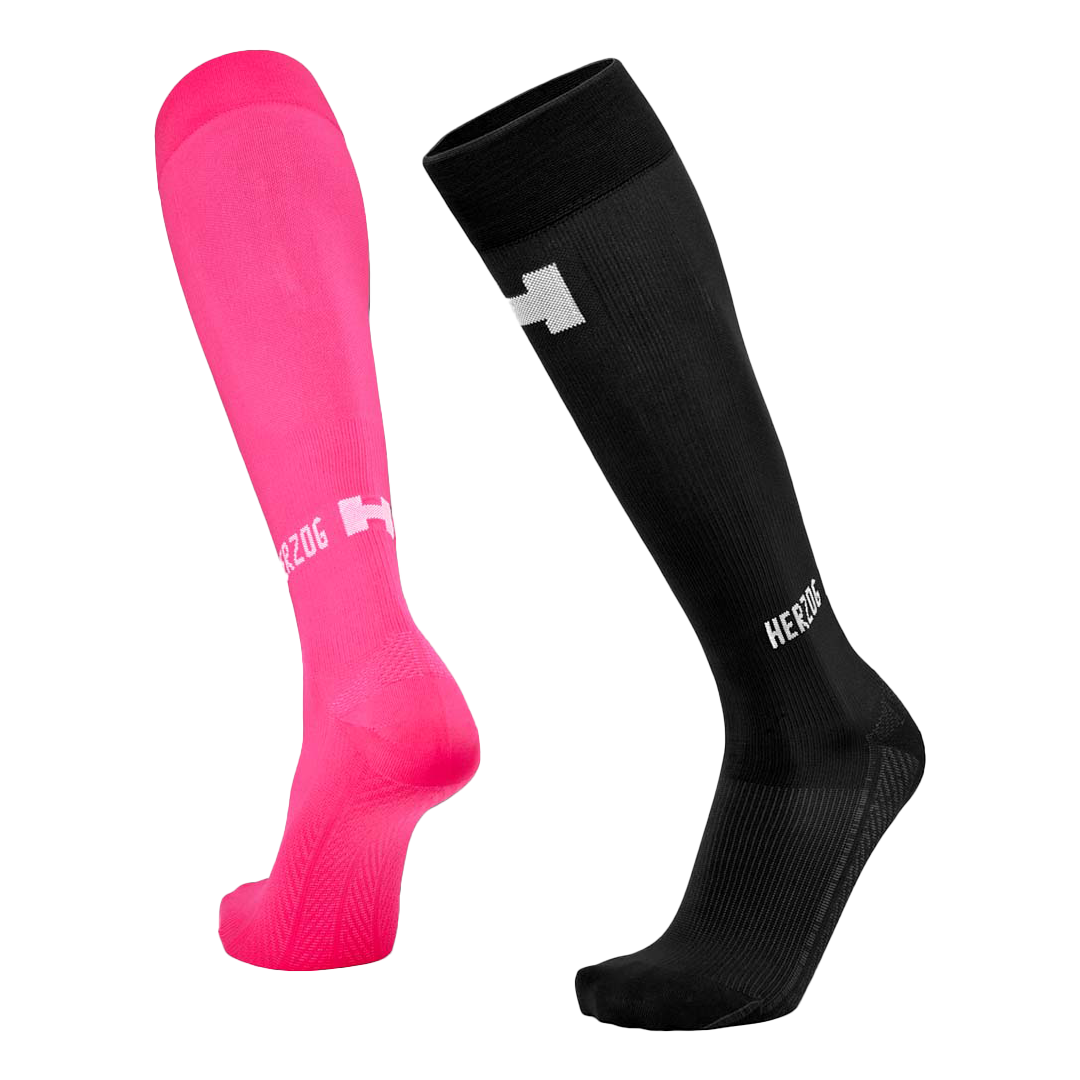
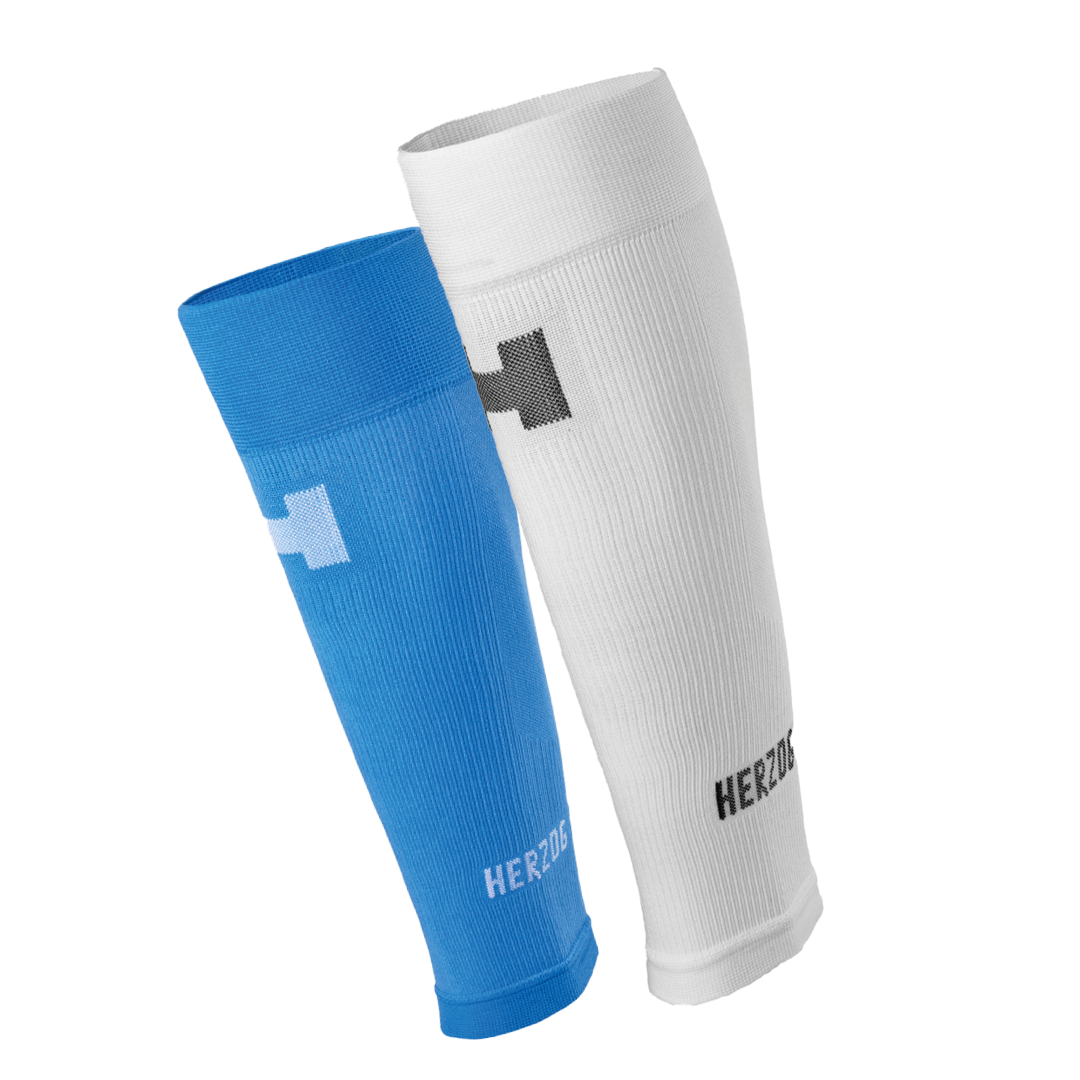
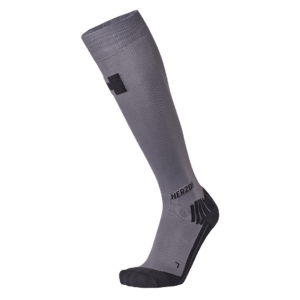
The Herzog PRO compression stockings provide targeted support to the calf muscles, stimulate venous blood circulation, and help reduce muscle vibrations during sports. Compression can complement a good training and recovery strategy.

Read more about the injury and the role of compression on our page about pulled calf muscles.

Calf cramps and muscle strains can feel similar, but differ in cause and recovery. While a calf cramp usually disappears quickly, a muscle strain requires more recovery time. By recognizing the symptoms early and adjusting your training load, you can continue exercising responsibly.

Want to give your calf muscles extra support during exercise? Discover the Herzog PRO compression socks and experience the benefits of targeted therapeutic compression.

Frequently asked questions

Helpt compressie bij een zweepslag in de kuit?

Veel mensen ervaren dat gerichte druk op de kuit tijdens herstel wat rustiger aanvoelt bij lichte belasting. Compressie vervangt geen medische behandeling en lost de scheur zelf niet op, maar kan wel bijdragen aan comfort tijdens wandelen of lichte training. Bij twijfel over de ernst van de blessure is het altijd verstandig een fysiotherapeut of huisarts te raadplegen.

Hoe lang duurt het herstel van een zweepslag in de kuit?

De hersteltijd verschilt sterk per persoon en per ernst van de scheur. Een lichte zweepslag kan binnen een paar weken weer beter aanvoelen, terwijl een zwaardere scheur meerdere weken tot enkele maanden nodig heeft. Geduld en een geleidelijke opbouw van de belasting bepalen grotendeels hoe snel je weer volledig kunt sporten.

What should you do if you have a calf cramp?

Gently stretch the muscle, drink water, and massage the calf. Does this happen often? If so, check your salt balance and hydration levels.

Kun je de dag na een zweepslag weer lopen?

Dat hangt af van de zwaarte van de scheur. Bij een lichte zweepslag kun je vaak voorzichtig weer een stukje lopen, zolang je pijnvrij blijft. Bij een matige of zware scheur is het verstandiger om eerst een paar dagen rust te nemen voordat je weer belast.

Wat is het verschil tussen een hamstringblessure en een zweepslag?

Een hamstringblessure ontstaat in de spieren achter in het bovenbeen, terwijl een zweepslag meestal de kuitspier treft. Beide blessures ontstaan vaak bij een plotselinge, explosieve beweging waarbij de spier de belasting niet kan verwerken. Het verschil zit dus vooral in de locatie van de schade.

Latest blogs

Zweepslag of kuitkramp: hoe herken je het verschil?
Charley horse or calf cramp: how do you tell the difference?

Sudden pain in your calf while exercising? Learn how to tell the difference between a calf cramp and a pulled muscle, what the symptoms are, and what you can do to recover properly. 

Backyard Ultra: hoe bereid je je voor op urenlang hardlopen?
Backyard Ultra: how do you prepare for hours of running?

A Backyard Ultra requires more than just endurance. Discover how to prepare for this unique running challenge, with practical tips on training, nutrition, race strategy, and recovery between rounds. 

Buiten hardlopen of op de loopband: wat is beter in de winter?
Outdoor running or the treadmill: which is better in winter?

Outdoor running or the treadmill? Both have advantages. Discover the differences and how to keep training comfortably in winter.

Trailrunning versus hardlopen op de weg: wat zijn de verschillen?
Trail running versus road running: what are the differences?

Trail running or running on tarmac: what are the differences and what do they mean for your body? Discover how terrain, muscle load and equipment affect your performance and how to head out well prepared.

Hardlopen in de kou: 3 tips om fit te blijven tijdens koude dagen
Running in the cold: 3 tips for staying fit on cold days

Running in the cold? With the right preparation, you can exercise comfortably even on chilly days! Discover 3 practical tips on warming up, choosing running clothes and recovering well.

De kunst van triathlon: training, voeding en herstel
The art of triathlon: training, nutrition and recovery

Read more about how to get the best out of yourself during a triathlon with the right balance of training, nutrition, and recovery.

Het hysterese-effect van Herzog compressiekousen: wat betekent het?
The hysteresis effect of Herzog compression stockings: what does it mean?

Discover how the hysteresis effect in the yarn of Herzog compression stockings works and why it is important during movement.

Op weg naar de Amsterdam City Walk met Herzog Medical
On our way to the Amsterdam City Walk with Herzog Medical

The Amsterdam City Walk is coming up! Discover how to prepare for a long walk and why paying attention to your feet, legs, and recovery is important.

Compressiekousen bij een spierscheur: helpen ze bij het herstel?
Compression stockings for a muscle tear: do they help with recovery?

Discover what compression stockings can do for a muscle tear and during your recovery.

Eerste HYROX? Dit moet je weten voordat je begint
First HYROX? Here's what you need to know before you start

First HYROX on the schedule? Discover what to expect and how to prepare your body properly.