Why you as a winter sports enthusiast benefit from compression socks
- Herzog Medical
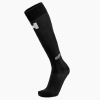
Support Compression Socks: the must-have for winter sports
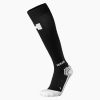
Winter sports offer the perfect combination of adventure, fun, and exercise. Whether you love skiing, snowboarding, or cross-country skiing, your body will be put to the test. Luckily, there’s a very simple thing you can do to improve your performance on the slopes and speed up your recovery: wear compression socks!
Read on and discover why Support Compression Socks are a must for your winter sports adventure.
1. Optimal Blood Circulation
When skiing or snowboarding, you put your muscles to work. This can reduce blood circulation, leading to fatigue and muscle pain. Compression socks help with this by improving blood flow. They apply even pressure to your legs and feet, allowing blood to flow more efficiently to your muscles. This means you tire less quickly and maintain your performance longer. Good blood circulation also helps to remove waste products faster, reducing muscle sorenessafter a long day on the slopes.
2. Avoid Swelling and Muscle Fatigue
It's no secret that winter sports can be quite demanding on your legs, especially if you spend a lot of time standing or making long descents.Support Compression Sockshelp prevent swelling by counteracting fluid retention in your legs and feet. Thanks to compression, your blood flows back to your heart faster, which means your legs are less likely to swell. Whether you're sitting in the ski lift for hours or constantly gliding from one descent to another, your legs will remain fresh and energetic.
3. More Stability and Fewer Injuries
Of course, you don't want to get injured halfway through your winter sports holiday. Compression socks provide extra support to your muscles and joints, significantly reducing the risk of injuries. They help your muscles stay stable, even during the most challenging turns and jumps. The compression ensures that your legs are more resilient to the strain of skiing or snowboarding, making you less prone tostrains or sprains.
4. Cold feet are a thing of the past!
If you've ever exercised outdoors in the snow, you know how annoying it is to get cold feet or stiff muscles. Compression socks not only offer support but also keep your legs nice and warm. They protect your muscles from the cold, making you less prone to frostbite or stiffness. The warm feeling in your feet and legs helps you to keep performing, even in the coldest conditions.
5. Comfort during long days
A day on the slopes can be long, and comfort is essential. Compression socks are designed not only to provide support but also to prevent chafing and irritation. They feel great and ensure your feet and legs stay dry, even after hours of skiing or snowboarding. No more sore feet or irritated legs! This way, you can fully concentrate on the joy of the sport.
6. Recovery in an instant
After a day of skiing, you want to recover as quickly as possible so you can hit the slopes with energy again the next day. Compression socks help you with this. They promote blood circulation and ensure that waste products like lactic acid are removed from your muscles more quickly. As a result, you'll feel less stiff the next morning and be ready for your next adventure on the slopes sooner.
7. Discreet Support
Compression socks are thin, elastic, and easily fit under your ski clothing. They offer optimal support without getting in the way. Whether you're skiing in your ski pants or under your thermal clothing, they stay comfortable and provide the right compression where you need it.
If you want to fully enjoy your winter sports holiday, support compression socks should definitely not be missing from your equipment. They improve your performance, reduce fatigue and injuries, and ensure faster recovery. So, for your next ski trip, invest in compression socks – your legs will thank you!
Latest blogs
Walking with heel spurs: what can you do about heel pain?
Tired of heel pain while walking? Discover how you can stay comfortably active with the right shoes, targeted exercises, and an adjusted walking distance.
Why does a whip crack often occur during sprinting?
A sudden, sharp pain in your calf while sprinting? You may have pulled a muscle. Discover why this injury occurs, how to recognize the symptoms, and what you can do to reduce the risk of pulling a muscle.
Canicross: running with your dog, how do you get started?
Discover canicross: the sport where you go running with your dog! Read what equipment you need, how to start responsibly, and how Herzog compression socks and compression shorts can support your muscles.
Charley horse or calf cramp: how do you tell the difference?
Sudden pain in your calf while exercising? Learn how to tell the difference between a calf cramp and a pulled muscle, what the symptoms are, and what you can do to recover properly.
Backyard Ultra: how do you prepare for hours of running?
A Backyard Ultra requires more than just endurance. Discover how to prepare for this unique running challenge, with practical tips on training, nutrition, race strategy, and recovery between rounds.
Outdoor running or the treadmill: which is better in winter?
Outdoor running or the treadmill? Both have advantages. Discover the differences and how to keep training comfortably in winter.
Trail running versus road running: what are the differences?
Trail running or running on tarmac: what are the differences and what do they mean for your body? Discover how terrain, muscle load and equipment affect your performance and how to head out well prepared.
Running in the cold: 3 tips for staying fit on cold days
Running in the cold? With the right preparation, you can exercise comfortably even on chilly days! Discover 3 practical tips on warming up, choosing running clothes and recovering well.
The art of triathlon: training, nutrition and recovery
Read more about how to get the best out of yourself during a triathlon with the right balance of training, nutrition, and recovery.
The hysteresis effect of Herzog compression stockings: what does it mean?
Discover how the hysteresis effect in the yarn of Herzog compression stockings works and why it is important during movement.